What to Do If You Eat Moldy Food? A Full Scientific Breakdown of Mold
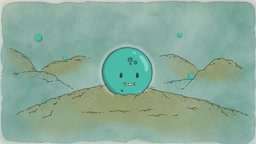
Cutting off the visible part of moldy food is still unsafe because the mycelium has penetrated inside; most spoilage molds are harmless, but aflatoxins and the like warrant caution.
Starting from the everyday puzzlement of moldy food in the fridge, the article systematically sorts out the relationships among mold's biological characteristics, food safety risks, and human evolution. Mold spores are everywhere; when temperature, moisture, and nutrients are suitable, they germinate hyphae that penetrate the food and release enzymes to break down nutrients. Because the root-like mycelium extends deep into the food, cutting off the visible mold spots does not guarantee safety, and experts recommend discarding the food entirely. Most spoilage molds are harmless to healthy people; eating a small amount usually causes only allergies or mild gastrointestinal discomfort, and taste aversion prevents further eating. High temperatures can kill the mold cells but spores may survive, and refrigeration only slows growth. What truly warrants caution are mycotoxins such as aflatoxins, which are associated with liver and lung cancer, though food safety testing in various countries has greatly reduced the risk of exposure. Human taste evolved to help identify safe food, and the same mechanism has also taught people to domesticate molds for fermented foods.
Open the fridge and see strawberries covered in fuzz, green spots floating on the surface of yogurt, white whiskers growing on bread—your first reaction might be: can I just cut off the moldy part and eat the rest? This seemingly everyday question opens up a whole body of complex knowledge about fungal biology, food safety, and human evolution.
Mold: The Ubiquitous "Opportunists"
Mold is a vast and diverse group within the fungi kingdom, containing hundreds of thousands of species, only a small fraction of which have been formally identified by humans. They are almost everywhere—mold spores floating in the air are constantly searching for a suitable place to land, and the conditions for landing come down to just three: temperature, moisture, and nutrients. Soil, plants, and food happen to satisfy these conditions, which also makes the fresh produce section of supermarkets one of mold's favorite "settlement sites."
After spores land on a food surface, they grow a thin tube that develops into a branching network called "hyphae." These hyphae spread through the food, releasing enzymes that break the food down into easily absorbed fats, sugars, and amino acids. As the mold spreads, it builds new structures to produce and release spores, starting the next cycle. Most food molds complete this process within one to three days, though the exact timing varies by species.
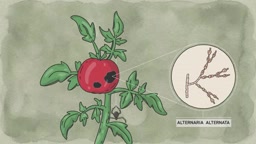
The combination of nutrients in different foods determines which molds can take hold. The high moisture and high sugar content of berries suit the growth of Botrytis cinerea, Penicillium, and Cladosporium; acidic foods such as tomatoes are often colonized by Alternaria, a mold with "pumps" in its cell wall that push acid out of the cell; bread is favored by Rhizopus, which possesses enzymes specifically adapted to break down starch.
The difference between hyphae and mycelium
The "hyphae" and "mycelium" mentioned in the article are key concepts for understanding mold growth. Hyphae are individual tubular filaments—the basic unit of mold growth; mycelium is the network formed when large numbers of hyphae interweave, essentially the mold's "body." The mold spots you see every day are actually the reproductive structures (where spores are produced) that the mycelium forms on the food surface. When the mycelium spreads inside the food, it is completely invisible to the naked eye—and this is the fundamental reason why "cutting off the mold spot is still not safe": what you cut off is only the part of the iceberg above the water.
The ecological niches of Botrytis cinerea and Alternaria
Botrytis cinerea, commonly known as gray mold, is the most common spoilage organism on berries such as strawberries, and it can also cause the "noble rot" phenomenon in the wine industry; Alternaria is commonly found on acidic fruits and vegetables such as tomatoes, and the "pump" in its cell wall is actually a proton ATPase that expends energy to expel hydrogen ions from the cell, thereby maintaining a stable internal pH in an acidic environment. This active acid-expulsion mechanism explains why acidic foods are not naturally "antibacterial."
Is It Safe to Cut Off the Moldy Part?
The answer is no. Food safety experts recommend discarding moldy food outright, because mold does not only grow on the surface. Like most fungi, mold forms root-like structures called "mycelium" that penetrate deep into the food. The mold spot you see is only the "tip of the iceberg"; removing the visible part does not eliminate the mycelium inside.
High temperatures can kill the mold's cells, but spores may survive, enter a dormant state, and become active again when conditions are right. Low temperatures can kill some molds, while others can survive below-zero temperatures—refrigeration usually only slows mold growth, extending a food's shelf life by a few days. But some molds positively thrive in the damp, dark environment of the fridge's crisper drawer.

What Happens to Your Body If You Eat Moldy Food?
Mold exists on a spectrum from harmful to beneficial. Most of the "spoilage molds" on the spoiled food in your fridge are actually harmless. They may trigger allergic reactions like other foods, and eating large amounts can cause vomiting and diarrhea. But for most people, accidentally biting into a piece of moldy food will not cause serious illness—and you almost certainly won't take a second bite, because mold tastes terrible.
Taste likely evolved as a survival mechanism, helping early humans identify nutritious food and avoid deadly toxins.

Interestingly, the same evolutionary trait may also explain why some people enjoy the molds in blue cheese, soy sauce, miso, and many fermented foods. Through generations of cultivation, humans have effectively "domesticated" these molds, putting them to work for flavor and cooking.
The evolutionary basis of taste aversion
The article mentions that taste may have evolved as a survival mechanism, which in evolutionary biology is called "taste aversion learning." Humans' instinctive rejection of bitter flavors and spoiled odors is related to the diversity of bitter taste receptor genes (such as the TAS2R family)—these receptors can recognize plant toxins and microbial metabolites. Interestingly, this aversive response has a "one-trial learning" property: even a single episode of mild discomfort can create a strong memory in the brain. This explains why, after accidentally eating moldy food, people often develop a long-lasting aversion to similar foods.
What Really Warrants Caution: Mycotoxins
Outside the kitchen, there is a small group of molds that deserve serious attention. When different molds compete for space on a host, some species engage in "chemical warfare," producing pigments, strong odors, and dangerous compounds called mycotoxins. For example, a small group of molds that can grow on crops such as barley, wheat, corn, and peanuts produces aflatoxins, which are known to cause liver and lung cancer.
The good news is that most countries enforce strict food safety testing to ensure aflatoxins do not reach the public's dinner table. Despite these "malicious" mycotoxins, most of the molds you encounter day to day are nothing to fear. Once you understand this, your fridge may seem less scary and, in fact, more alive.
The mechanism of action of aflatoxin
Aflatoxins are produced mainly by Aspergillus flavus and A. parasiticus, with aflatoxin B1 being the most toxic. After being metabolized in the liver by cytochrome P450 enzymes, it is converted into a highly reactive epoxide that can bind to guanine in DNA to form adducts, inducing gene mutations—this is the molecular basis of its carcinogenicity. The International Agency for Research on Cancer (IARC), part of the World Health Organization, classifies it as a Group 1 carcinogen. In addition to liver cancer, long-term low-dose exposure is also associated with stunted growth and immune suppression. For this reason, countries have strict limits on aflatoxins in grains, peanuts, and their products (for example, China's standard sets a limit of 20 μg/kg for peanut oil).
Practical Advice
When faced with moldy food, the safest approach is to discard it entirely, especially for high-moisture foods (such as berries and yogurt) and mold that has penetrated deep inside (such as bread). Some guidelines allow hard foods with small surface mold patches to be eaten after cutting away a generous margin, but given that the mycelium may already have penetrated deep inside, ordinary consumers have difficulty judging the safety boundary. Rather than take the risk, throw it out—after all, the taste of mold itself is telling you: this is not something you should be eating.
One-line Summary
Cutting off the visible part of moldy food is still not safe, because the mycelium has already penetrated inside; most spoilage molds are harmless, but aflatoxins and the like warrant caution.
Paragraph Summary
Starting from the everyday puzzlement of moldy food in the fridge, the article systematically sorts out the relationships among mold's biological characteristics, food safety risks, and human evolution. Mold spores are everywhere; when temperature, moisture, and nutrients are suitable, they germinate hyphae that penetrate the food and release enzymes to break down nutrients. Because the root-like mycelium extends deep into the food, cutting off the visible mold spots does not guarantee safety, and experts recommend discarding the food entirely. Most spoilage molds are harmless to healthy people; eating a small amount usually causes only allergies or mild gastrointestinal discomfort, and taste aversion prevents further eating. High temperatures can kill the mold cells but spores may survive, and refrigeration only slows growth. What truly warrants caution are mycotoxins such as aflatoxins, which are associated with liver and lung cancer, though food safety testing in various countries has greatly reduced the risk of exposure. Human taste evolved to help identify safe food, and the same mechanism has also taught people to domesticate molds for fermented foods.
Related articles

When Gen Z Tries to Be Clever: Law Enforcement Technology and Human Nature Through Pursuit Videos
From a viral YouTube police pursuit video, we analyze the law enforcement tech, psychological dynamics, and legal consequences behind Gen Z flight behavior—and how body cameras and radio dispatch shape modern policing.

Letting AI Agents Learn While Idle: deeplearning.ai Launches Adaptive Agents Course
deeplearning.ai launches a short course on how adaptive AI agents review experiences while idle, turn work traces into reusable skills, avoid repeated mistakes, and self-improve with every job.

Are "Responsible" Seafood Labels Trustworthy? The Truth Behind Aquaculture Certification
Over half of global seafood is farmed, yet labels like "responsibly farmed" and "sustainable" are vaguely defined. Investigations show mainstream certifications are industry-run with low standards—consumers should be wary of marketing rhetoric.