Where Does US Energy Policy Go After the Midterms?

Democrats win both chambers, putting the US energy policy agenda and regulatory direction on reset.
After the midterms, Democrats won majorities in both chambers of Congress, shifting the US energy policy legislative agenda, regulatory focus, and federal budget priorities. The article analyzes how congressional turnover affects committee chairmanships, hearing topics, and legislative schedules, noting that energy policy unfolds along both legislative and regulatory paths—Congress can push hearings, investigations, and budget conditions, but major bills still require bipartisan compromise, while agencies hold rulemaking and enforcement power. For industry, political uncertainty will affect project pipeline assessments, approval pace, and compliance cost expectations, though the original report only provides election results and specific policy proposals and market data remain to be seen. Going forward, watch committee personnel, hearing topics, and energy provisions in budget negotiations.
The midterm election results are reshaping Washington's policy landscape. Democrats have swept both chambers of Congress, a sharp contrast to the landscape when Trump won two years earlier. For the energy sector, this political shift means a comprehensive reset of the legislative agenda, regulatory direction, and federal budget priorities.
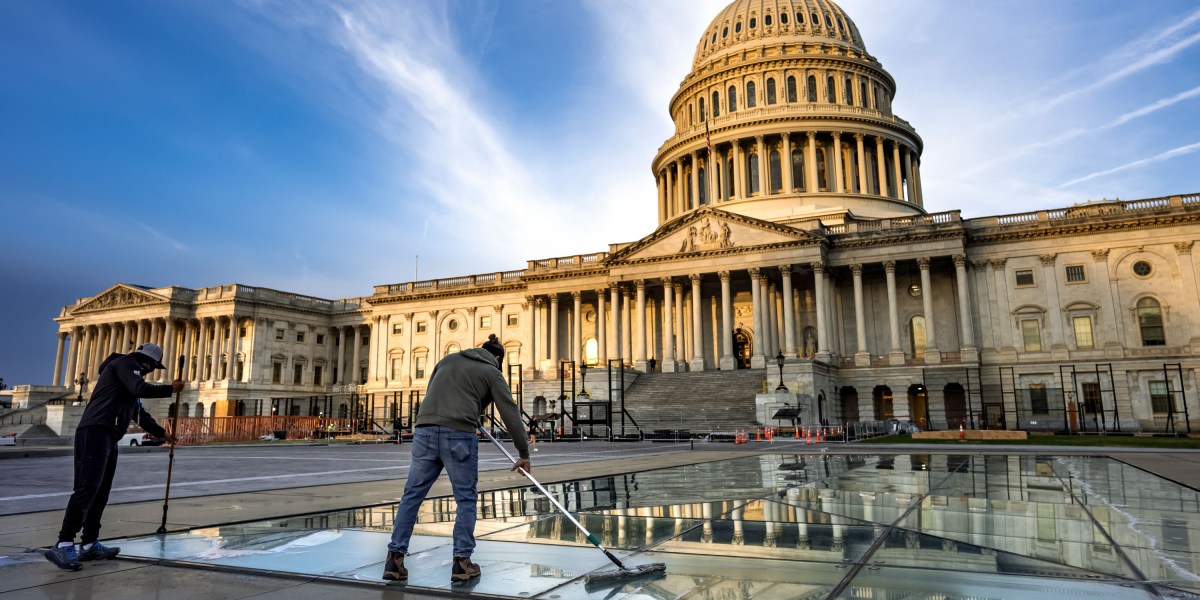
Shifting Political Landscape and the Reset of the Energy Agenda
The most direct change brought by the midterms is the transfer of congressional control. According to the original report, Democrats secured majority seats in both the House and Senate—a notable swing against Trump's two years in office. Energy policy has long been a field with clear partisan divides, and a change in congressional control means issues previously suppressed may return to the table.
Democrats' traditional priorities on energy include promoting renewable energy, climate-related legislation, and restricting drilling on federal lands and waters. With control of the agenda, chairmanships of relevant committees will change hands, and with them the power to set hearings and legislative schedules. This does not necessarily mean new laws will be passed quickly, but the center of gravity in policy discussions will shift.
Midterm Elections refer to the congressional and state-level elections held in the middle of a US president's term (i.e., November of the second year after inauguration). All 435 House seats, roughly one-third of Senate seats (usually 33–34), and most governorships are up for election in this cycle. Because midterms are often seen as a "referendum" on the incumbent president, the ruling party tends to lose seats—a phenomenon known as the "midterm curse." In the 2018 midterms, Democrats retook control of the House, creating a divided Congress with the Trump administration and directly changing the legislative schedule and oversight rhythm on energy and environmental issues.
The Contest Between Two Paths: Legislation and Regulation
Changes in energy policy typically unfold along two paths: legislation and regulation. At the congressional level, a Democratic majority can push hearings, launch investigations, and attach budget conditions, but major energy bills still require bipartisan compromise. At the administrative level, the White House and federal agencies continue to hold the real power of rulemaking and enforcement, while Congress can exert influence through oversight and appropriations.
This divided格局 is not uncommon historically. The actual direction of energy policy often depends on where the two parties intersect on specific issues, such as infrastructure investment, grid modernization, or energy efficiency standards. The original material does not elaborate on specific bill details, so judgments about these directions should be made cautiously.
Rulemaking is the administrative process by which US federal agencies develop specific implementing rules under congressional authorization laws (such as the Clean Air Act and the Energy Policy Act), typically requiring three stages: notice, public comment, and final rule. Unlike legislation, rulemaking power rests with the executive branch but is constrained by congressional oversight, appropriations limits, and judicial review. When presidents change or Congress flips, agencies often adjust policy direction by reinterpreting or revising rules—a process known as "regulatory whiplash." Understanding the division of labor between administrative rules and congressional legislation is key to judging the actual direction of energy policy.
Potential Impacts on Industry and Markets
Political uncertainty itself affects investment decisions. After a change in congressional control, energy companies, utilities, and clean technology firms typically reassess project pipelines and compliance costs. Shifts in regulatory expectations may affect the approval pace of fossil fuel projects and may also open new discussion space for renewable energy incentives.
A note here: the original report only provides the fact of the election results and does not offer specific policy proposals or market data. Therefore, any conclusions about investment flows or price impacts should be treated as reasonable inferences based on the political landscape, not as established facts.
What to Watch Next
What is worth watching next is committee staffing, hearing topics, and the fate of energy provisions in budget negotiations. These concrete actions will reveal policy direction more than the election results themselves. For readers following the energy sector, tracking the legislative calendar and personnel changes at regulatory agencies is key to judging the midterms' actual impact.
One-line Summary
Democrats win both chambers, putting the US energy policy agenda and regulatory direction on reset.
Paragraph Summary
After the midterms, Democrats captured majorities in both chambers of Congress, and the US energy policy legislative agenda, regulatory focus, and federal budget priorities are adjusting accordingly. The article starts from the changing political landscape, analyzes the impact of congressional turnover on committee chairmanships, hearing topics, and legislative schedules, and notes that energy policy unfolds along two paths: legislation and regulation. Congress can push hearings, investigations, and budget conditions, but major bills still require bipartisan compromise, while administrative agencies hold the real power of rulemaking and enforcement. For industry, political uncertainty will affect project pipeline assessments, approval pace, and compliance cost expectations, but the original report only provides election results; specific policy proposals and market data remain to be seen. Going forward, attention should focus on committee personnel, hearing topics, and energy provisions in budget negotiations.
Related articles
 Tech Frontiers
How Do You Stop AI Agent Emails From Sounding Like AI? One Developer's Solution
AI agent emails always sound like AI? A developer shares reright: a rewrite step that validates numbers, names, and links, preventing humanizers from tampering with key info. Test data and integration details inside.
 Tech Frontiers
Starlink Mobile: SpaceX's Carrier Ambitions and the 5G Deployment Challenge
SpaceX plans to make Starlink Mobile a mainstream carrier, deploying thousands of direct-to-cell satellites and building a terrestrial 5G network to challenge AT&T, Verizon, and T-Mobile. This article analyzes its dual-track strategy, 5G deployment challenges, and the competitive landscape.
 Tech Frontiers
OpenAI Raises Another $11 Billion, Valuation Hits $1.25 Trillion
OpenAI has raised an additional $11 billion in a new funding round at a valuation of $1.25 trillion. The deal is not yet closed and is expected to be completed in the coming weeks, further consolidating its leading position in AI.