Work Life Panda: Tasks and Calendar in One App, with On-Device AI for Privacy
Work Life Panda unifies calendar, tasks, and chat with private on-device AI as its core differentiator.
Work Life Panda is a productivity tool built by indie developer Andrea Agnoletto, designed to eliminate the fragmentation between calendar apps, task managers, and chat tools. Its most distinctive feature is that every task and event has its own dedicated chat, keeping context and discussions attached directly to the task rather than scattered across group chats. The product's other key differentiator is its private on-device AI, which processes data locally without uploading to the cloud — a strong fit for privacy-conscious users. It launched on Product Hunt with 74 upvotes at #10 for the day, entering the competitive but genuinely needed all-in-one productivity space. Whether it can deliver on its promise of professional-grade calendar and task management remains to be seen.
An Productivity Tool That Wants to End "Multi-App Fragmentation"
Modern time management is often scattered across multiple apps: your weekly schedule lives in a calendar, your to-dos sit in a list app, and your plans get buried in group chats. This fragmentation leaves people exhausted from switching between tools, ironically adding to the management overhead. Work Life Panda was built to solve exactly this problem — bringing a real task manager and a real calendar together into one "calm space."
The product launched on Product Hunt with 74 upvotes, landing at #10 for the day, and is categorized under Productivity, Task Management, and Calendar. It was built by developer Andrea Agnoletto. While the vote and comment counts aren't exceptional, the integration approach it takes is worth paying attention to.
Core Philosophy: Start with the Life You Already Have
Unlike many productivity apps that ask users to build a brand-new workflow from scratch, Work Life Panda positions itself as "starting with the life you already have." The idea isn't to make you abandon your existing habits — it's to bring scattered information together in one place.
The product's most distinctive design choice is this: every task and event has its own chat. That means discussions, notes, and context related to a task are no longer buried in group chats — they're attached directly to the task itself. This "task-as-conversation" model attempts to bridge the gap between traditional task managers and instant messaging tools. Normally, you'd constantly jump back and forth between your to-do list and your chat app. Here, the two are combined into one.
On-Device AI: A Privacy-First Differentiator
Work Life Panda emphasizes its "Private on-device AI" as a key selling point — and it's what sets it apart from the many cloud-based AI productivity tools out there.
On-device AI means the AI model runs locally on the user's device, rather than uploading data to remote cloud servers for processing. For highly sensitive personal data like schedules, to-dos, and private conversations, local processing means information never has to leave your device, fundamentally reducing the risk of privacy breaches. As users grow increasingly wary about data privacy, this approach has clear appeal.
That said, it's worth keeping expectations realistic: on-device AI is constrained by local hardware, and its capabilities typically don't match those of large cloud-based models. The product's current public information doesn't go into detail about what its AI can actually do — whether that's smart scheduling, natural language event creation, or task prioritization suggestions remains to be seen.
The Promise and Challenge of All-in-One Tools
"All-in-one" has always been a popular narrative in the productivity space, but it's also one of the hardest things to pull off well. Integration requires striking a balance across the time dimension of calendars, the execution dimension of tasks, and the collaboration dimension of communication. If any one of these falls short, users will likely retreat to the more specialized standalone tools they already know.
Work Life Panda calls itself "a real task manager and real calendar" — a phrase that hints at its ambition to integrate without sacrificing depth. Whether it can deliver on that promise in practice will determine whether it stands out in a crowded field of productivity apps.
For users who've long been frustrated by constant app-switching, a tool that brings calendars, tasks, and contextual conversations together while staying privacy-first does offer a compelling new option. How well it actually works, though, will need to be validated through real-world use.
Takeaway
Work Life Panda represents a clear trend in productivity tools: consolidating fragmented information streams + privacy-first local AI. Its memorable hook — every task has its own chat — attempts to bridge task management, calendaring, and communication in one place. For users who value simplicity and data privacy, it's a new product worth keeping an eye on. Its real-world performance, however, still awaits validation from broader user feedback.
Related articles
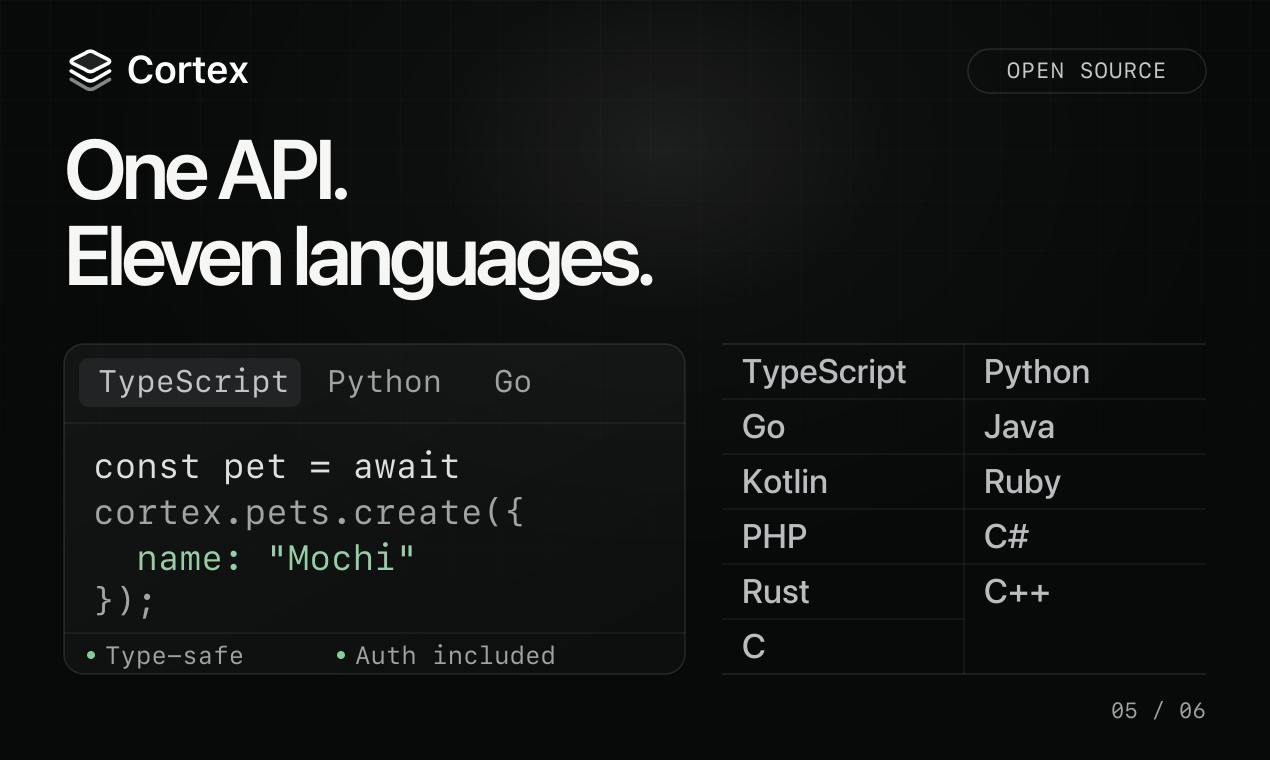
Cortex: Convert API Specs into Docs, SDKs, and MCP Servers in One Click
Cortex is an open-source tool that converts OpenAPI, GraphQL, gRPC and more into interactive docs, typed SDKs in 11 languages, and MCP servers for AI agents.
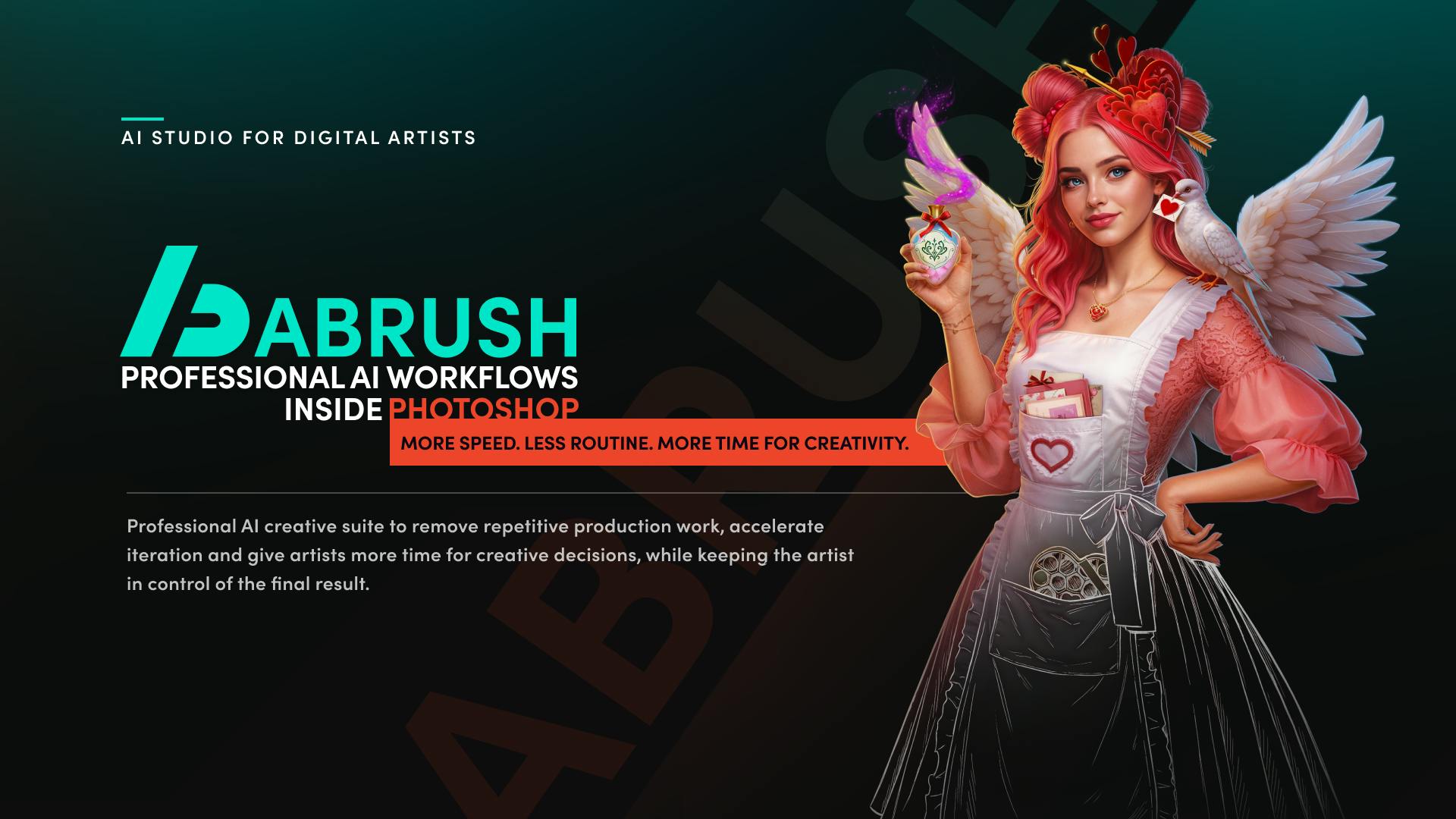
ABrush: An AI Studio Built for Digital Artists
ABrush is an AI studio for digital artists, ranked #4 on Product Hunt. It embeds leading AI models into existing workflows to remove repetitive tasks, speed up iteration, and keep artists in control.
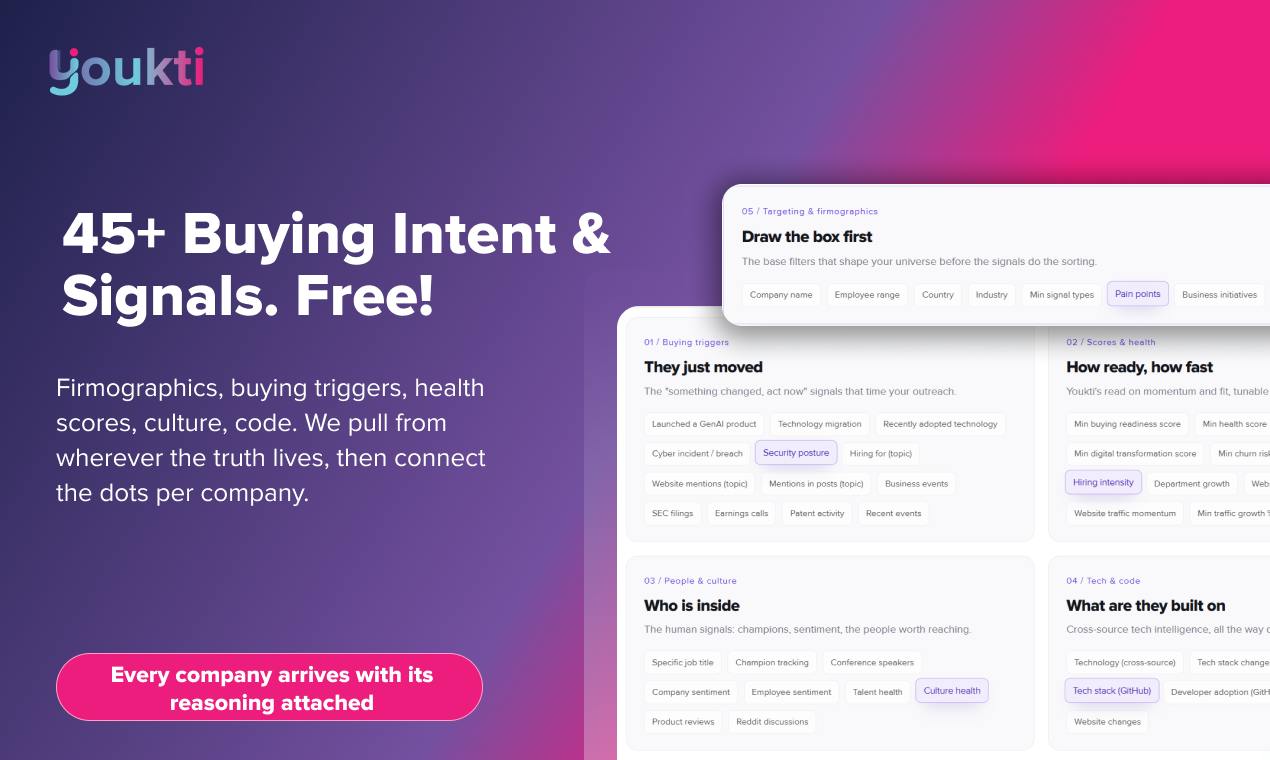
Youkti: An AI That Remembers Every Deal and Tells Your Sales Team What to Do Next
Youkti is an AI sales assistant that hit #2 on Product Hunt. It remembers every account, conversation, and deal — then tells your team exactly what to do next. Contact data, buying signals, and intent data are all free.