Wyze Launches Window Bird Cam: A New Twist on the $35 Camera

Wyze launches the Window Bird Cam, a window-mounted camera plus bird feeder combo focused on indoor birdwatching.
Wyze has released the Window Bird Cam, extending the design approach of last year's $35 window-mounted security camera to birdwatching by combining an indoor window-mounted camera with an outdoor bird feeder. Its biggest advantage is that installation and maintenance are done entirely indoors—no outdoor drilling or wiring—lowering the barrier for apartment dwellers to connect with nature. The trade-off is that the observation range is limited by the window's size and orientation, and glass reflections and smudges affect image quality. Only the product name and basic positioning have been confirmed; detailed specs, pricing, and release date are not yet available.
Wyze has taken another step forward in its window-mounted camera product line. A year ago, it released a $35 security camera that attaches directly to the inside of a window, eliminating complicated outdoor installation and letting you keep an eye on the outside world at any time. Now, Wyze has announced the new Window Bird Cam, which combines the same window-mounted installation approach with a bird feeder, using an indoor camera to record bird activity outside the window.
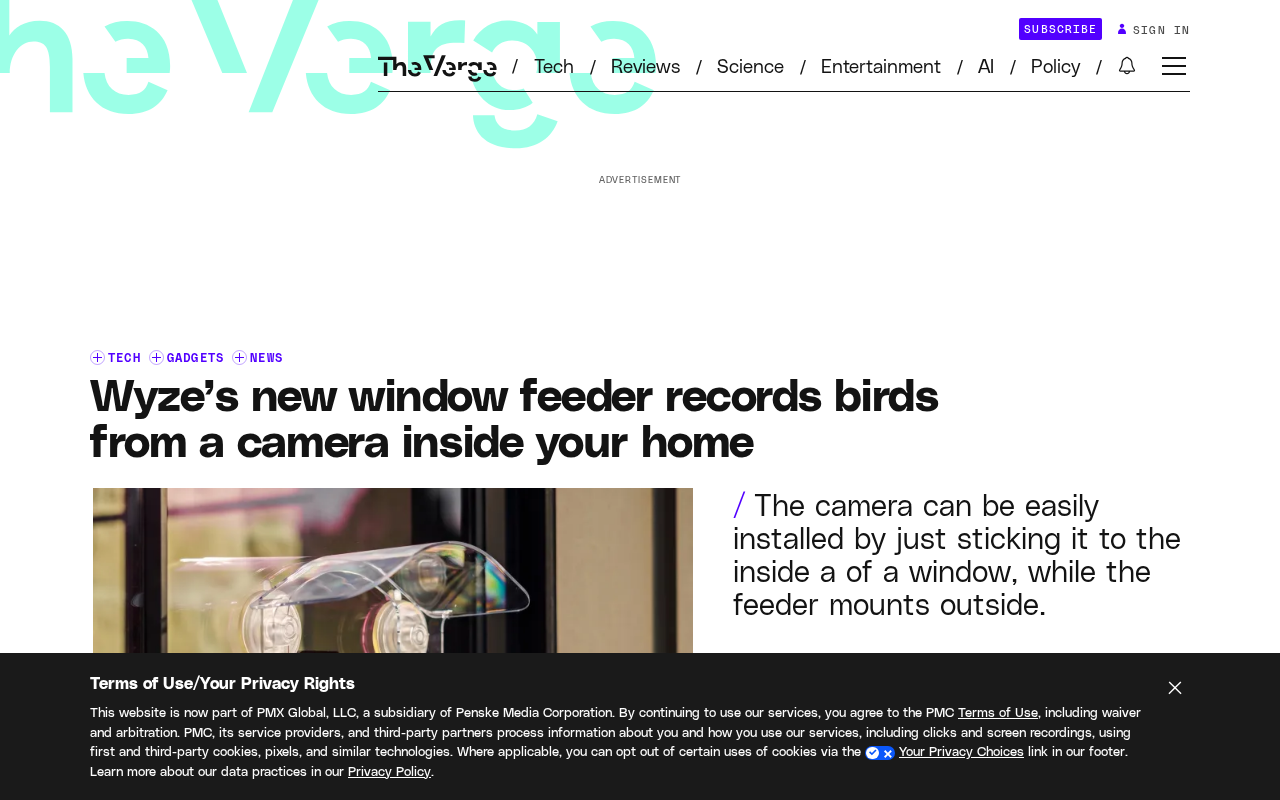
From Security to Birdwatching: Extending the Window Camera Scenario
Wyze's window-mounted camera solution addresses a very practical pain point: by placing the camera indoors, you don't need to drill holes or run wiring outdoors, and you don't have to worry about wind and rain, yet you still get a view facing the yard. This $35 security camera validated the feasibility of this form factor last year.
The Window Bird Cam follows the same hardware logic but shifts the goal from "home security" to "birdwatching." It pairs a window-mounted camera with a bird feeder, allowing users to observe birds coming to feed up close from indoors while the camera records the footage. For people living in apartments without a yard to set up outdoor equipment, this form factor lowers the barrier to birdwatching.
A key technical challenge of the window-mounted camera approach is glass reflection. When indoor lighting is bright, ordinary glass produces noticeable reflections. When the camera is placed close to the glass, indoor lights, curtains, or even the person filming may be reflected in the image, seriously degrading image quality. Common mitigations include placing the lens as close to the glass as possible, fitting a lens hood or soft rubber ring around the lens to block indoor stray light, and turning off or dimming indoor light sources near the camera. In addition, dust, water spots, and rain streaks on the glass are magnified during close-up shooting, requiring regular cleaning of the window surface for long-term use. These factors explain why window-mounted cameras, despite being easy to install, often deliver less stable image quality than outdoor devices.
Product Form and Design Trade-offs
Based on the officially released information, the core of the Window Bird Cam is a combination of "a window-mounted camera + an outdoor bird feeder." The camera still attaches to the inside of the window, and the feeder is installed at the corresponding position outside the window, with the two working together to form a complete observation chain.
The key advantage of this design is that both installation and maintenance are done indoors. When the feeder needs refilling or cleaning, users don't have to go outside; the camera also avoids the outdoor challenges of waterproofing and power supply. The trade-off is that the observation range is limited by the window's size and orientation, covering only a small area near the feeder, unlike outdoor PTZ cameras that can pan and track over a wide range.
Wyze did not provide detailed specifications, pricing, or a release date for this product in its announcement; the original information only confirmed the product name and basic positioning. For users who care about specs, they'll need to wait for the full release information.
Bird feeders are typically mounted in one of two ways: suction-cup and hanging. Suction-cup mounts attach to the outside of the window glass and are easy to install and remove, but the suction cups may fail when there are large temperature differences or the glass surface is dirty; hanging mounts use the window structure or hooks for a more secure hold but are slightly more complex to install. The relative position of the feeder and camera directly affects the shooting results—if the feeder is too close to the glass, birds will block the lens and the depth of field will be too shallow; if it's too far, the birds will appear too small in the frame. The type of food also affects what you'll capture: seeds attract finches, suet attracts titmice, and sugar water attracts hummingbirds, so users need to choose their setup based on the species they want to observe.
Who This Product Is For
The Window Bird Cam targets people who are interested in observing nature but are limited by their living conditions. People living in urban apartments who can only access the outdoors through a window are the most direct target users for this type of product. Compared with traditional setups that require a yard-mounted feeder plus an outdoor camera, the window-mounted form factor eliminates the hassle of installation and wiring.
Another potential user group is those already familiar with the Wyze ecosystem. Wyze has long been known for low-cost smart home devices, and the $35 window-mounted security camera exemplifies this strategy. If the Window Bird Cam follows a similar pricing approach, it could become a relatively affordable option among birdwatching devices.
Wyze's business model is closely tied to its low-price hardware strategy: devices are priced very low, with ongoing revenue mainly generated through cloud storage subscription services such as Wyze Cam Plus, which offer longer cloud recording playback, AI event detection, and more. Even without a subscription, users can typically use local microSD card recording and basic live viewing. This model keeps the barrier to entry for the hardware itself very low, but the complete experience depends on the subscription. For the birdwatching scenario, whether cloud playback is needed depends on whether users want to keep clips of bird visits, which affects the actual cost of use.
A Brief Observation
Adapting the security camera form factor to the birdwatching scenario is Wyze reusing its existing hardware capabilities. The benefit of this approach is low R&D cost and fast time to market; the risk is whether the user experience details hold up after the scenario switch—such as the relative position of the feeder and camera, the clarity of bird activity in the frame, and the impact of window glass reflections and smudges on image quality over long-term use. All of this can only be judged once the product is actually in hand.
What is certain for now is that Wyze is expanding the "window-mounted camera" from a pure security product into a hardware platform that can support multiple observation scenarios. Birdwatching is just the first step.
One-line Summary
Wyze launches the Window Bird Cam, a combination of a window-mounted camera and bird feeder, focused on indoor birdwatching.
Paragraph Summary
Wyze has released the Window Bird Cam, extending the design approach of last year's $35 window-mounted security camera to the birdwatching scenario by combining a camera attached to the inside of a window with an outdoor bird feeder into an observation system. The product's biggest advantage is that installation and maintenance are done entirely indoors—no outdoor drilling or wiring, and no worries about waterproofing or power supply—lowering the barrier for apartment dwellers to connect with nature. The trade-off is that the observation range is limited by the window's size and orientation, preventing wide-range tracking like outdoor PTZ cameras, and it must also contend with the impact of glass reflections and smudges on image quality. Officially, only the product name and basic positioning have been confirmed; detailed specs, pricing, and release date have not yet been announced.
Related articles
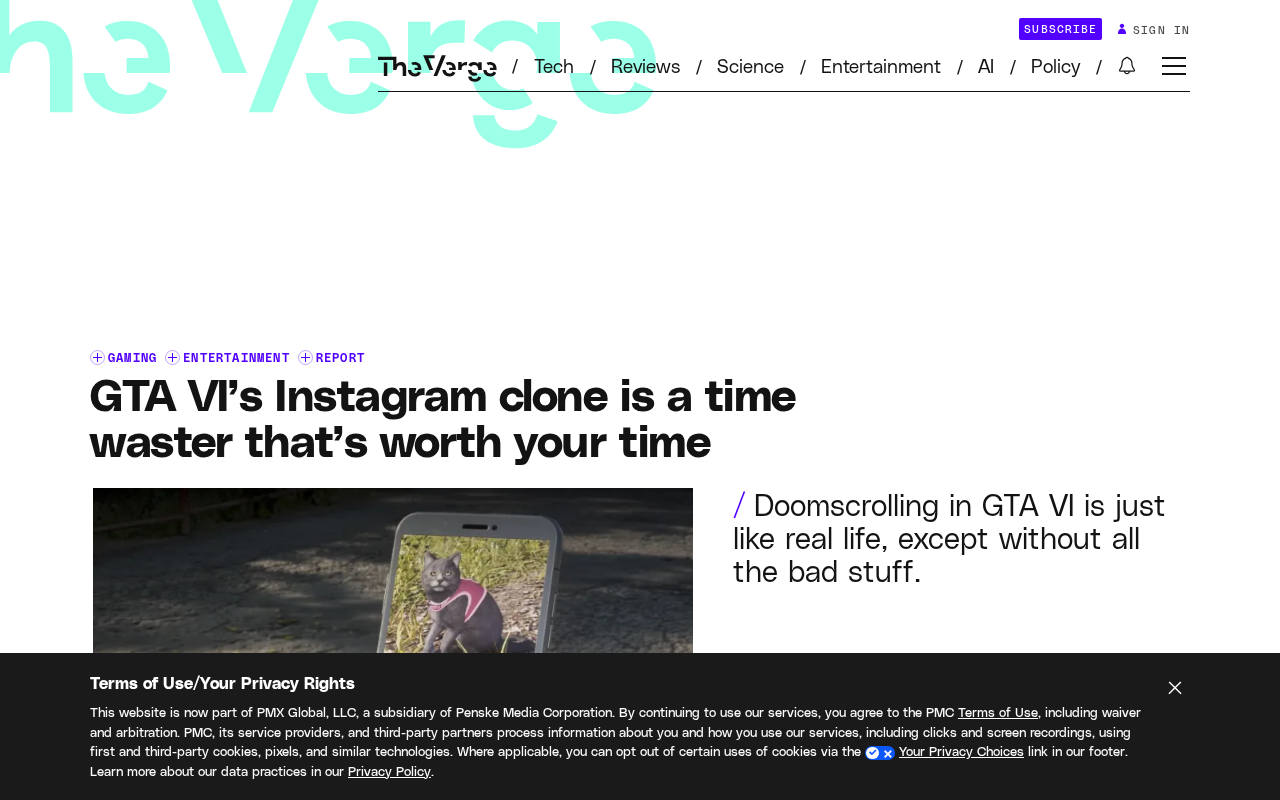
GTA VI's Instagram Clone: A Time Waster That's Worth Trying
*GTA VI* includes an Instagram-like social app dubbed "a time waster but worth it." This article explores how it enhances immersion, satirizes social media, and appeals to players tired of real-world socializing.

5.0 Magnitude Earthquake Near Manhattan Beach: USGS Quick Report and HN Buzz
USGS quick report: 5.0 magnitude earthquake ~5 km SW of Manhattan Beach, CA. HN post gets 200 points, 134 comments. Key takeaways and how to read quake reports.

Google Account Banned for Using Gemini?
A Hacker News user reports a Google account banned for using Gemini, raising concerns about AI service account security. We analyze possible causes and offer developer advice.