Xbox Cloud Gaming Comes to TCL TVs: Microsoft's Pay-As-You-Go Model Explained
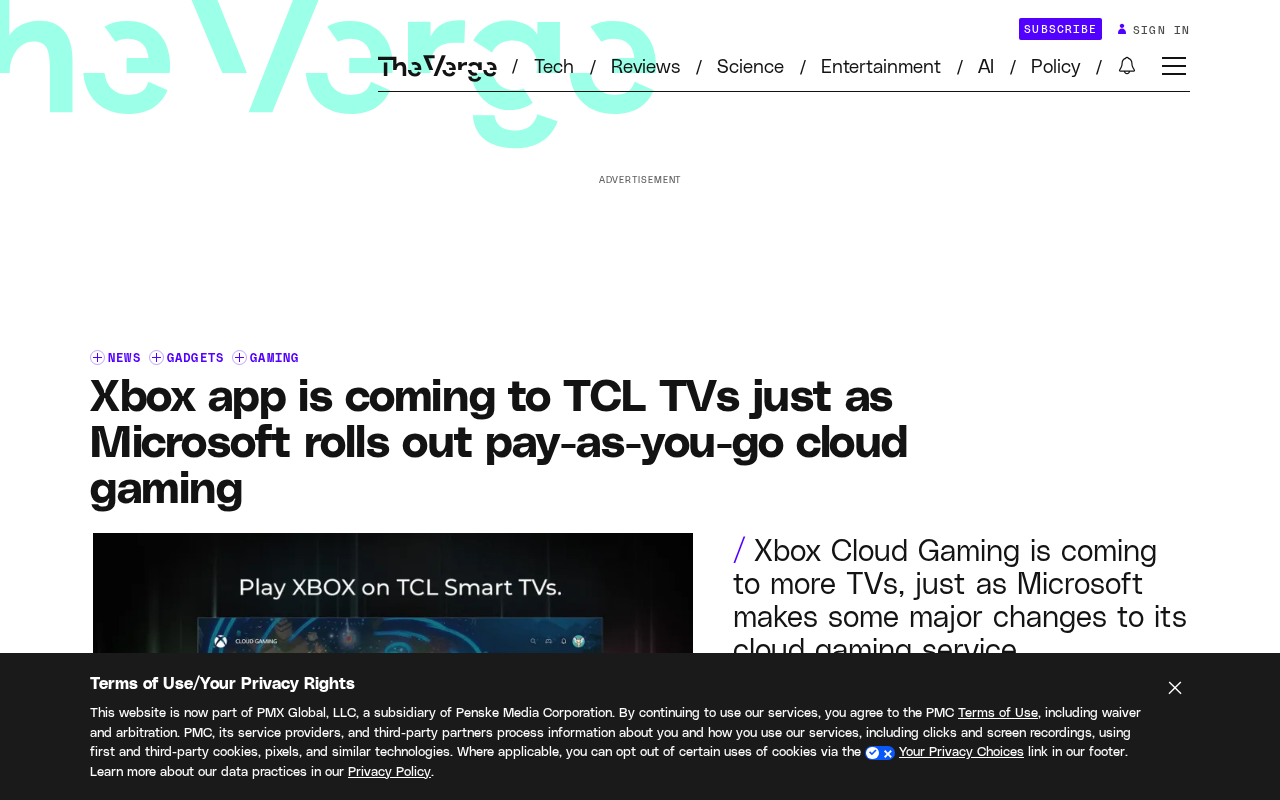
Xbox Cloud Gaming expands to TCL TVs with a new pay-as-you-go option, signaling Microsoft's shift to a services-first strategy.
Microsoft has partnered with TCL to bring the Xbox app to its smart TVs, alongside a new pay-as-you-go cloud gaming model. This dual move lowers hardware barriers and offers flexible payment options, expanding Xbox's reach beyond consoles. The strategy reflects Microsoft's broader transformation of Xbox from a console brand into a platform-agnostic gaming services brand, leveraging its Azure infrastructure and SaaS expertise to compete in the growing cloud gaming market.
Microsoft Partners with TCL to Bring Xbox App to Smart TVs
Microsoft recently announced a partnership with TCL to launch the Xbox app on the latter's supported smart TVs. This means Xbox Cloud Gaming's reach will extend further into the living room big screen — users can stream games from the Game Pass subscription library, or select previously purchased Xbox games, directly on their TVs without needing to buy a console.
Xbox Cloud Gaming (formerly known as xCloud) is a game streaming service built on Microsoft's Azure cloud computing infrastructure. Its core principle involves running games on custom Xbox Series X-class server blades in Microsoft's data centers, then transmitting the rendered frames as a video stream to the user's device. Player inputs are sent back to the server over the network for processing. The biggest technical challenge in this architecture is end-to-end latency — the entire chain from button press to on-screen response needs to stay under 100 milliseconds for an acceptable gaming experience. To address this, Microsoft has deployed edge computing nodes across more than 60 Azure regions worldwide and uses adaptive video encoding technology to handle varying network conditions.
According to reports, the Xbox app will gradually roll out to compatible TCL smart TV models over the coming months. TCL is one of the world's top TV brands by shipment volume — with over 27 million units shipped globally in 2024, it consistently ranks among the top three worldwide. TCL smart TVs primarily run two operating systems: the proprietary TCL Channel (a Linux-based Google TV customization) and the Roku TV operating system (mainly for the North American market). This partnership means the Xbox app will need to be adapted for these different software platforms. TCL is known for its highly competitive value proposition in North America, with its large-screen TVs consistently ranking among the top sellers in U.S. retail channels, giving this partnership considerable reach. For gamers who don't yet own an Xbox console or a high-performance gaming PC, the barrier to entering the Xbox ecosystem through their TV will be significantly lowered.
Cloud Gaming + Pay-As-You-Go: Microsoft's Dual-Track Strategy
The TCL partnership was announced alongside Microsoft's simultaneous launch of a pay-as-you-go cloud gaming model. Together, they send a clear strategic signal: Microsoft is fully transforming the Xbox ecosystem from hardware-dependent to "play anywhere, pay flexibly."
The traditional Game Pass subscription model requires users to pay a fixed monthly fee (Game Pass Ultimate at $14.99/month), while the new pay-as-you-go plan allows gamers to pay based on actual usage without committing to a long-term subscription. This model borrows from the proven metered billing concept in Azure cloud services — in the traditional SaaS industry, pay-as-you-go means users only pay for the computing resources or usage time they actually consume. Applying this model to gaming means players can purchase cloud gaming time by the hour, per session, or per individual game. This pricing strategy is what economists call "refined price discrimination" — by offering payment options at different granularities, it maximizes coverage across user groups with varying spending power and willingness to pay. It's particularly attractive for casual gamers or users who want to try out a specific game.
The Limitations of Subscriptions and the Complementary Value of Pay-As-You-Go
The subscription model delivers maximum value for high-frequency users, but isn't friendly to low-frequency ones — a fixed monthly expense can easily deter players who only game a few times a month. The introduction of pay-as-you-go is essentially a crucial supplement to the existing business model, not a replacement.
The brilliance of Microsoft's move lies in this: it retains the high-stickiness user pool of Game Pass while opening a gateway for potential users unwilling to commit to a long-term subscription. With both models running in parallel, the addressable market expands significantly. This "subscription + on-demand" dual-track strategy has precedent in the streaming industry — for example, some video platforms offer both monthly memberships and individual title purchases to cater to different consumption habits.
The Battle for Big-Screen Ecosystems: The Next Frontier for Game Streaming
Smart TVs are becoming the core battleground for tech giants competing for the living room gateway. Netflix has already experimented with gaming content in some regions, Amazon Luna cloud gaming supports Fire TV devices, and while Google's Stadia has shut down, its technical assets have been integrated into the broader Google ecosystem.
It's worth examining the lessons learned from these competitors. Amazon Luna launched in 2020 with a channel-based subscription model — users can subscribe to different game publisher channels to access their game libraries, all running on AWS infrastructure. Google Stadia launched with much fanfare in 2019, attempting to leverage Google's global data centers and YouTube video streaming technology to build a cloud gaming platform. However, Stadia officially shut down in January 2023, primarily due to a lack of exclusive content, a confusing business model (users had to buy games at full price but still relied on the cloud to run them), and a trust crisis caused by Google's reputation for frequently killing consumer products. Stadia's failure provided an important industry lesson — the success of cloud gaming depends not just on technical capability, but also on content ecosystem and a sustainable business model. Microsoft has clearly learned from this, using Game Pass's massive game library as a content moat while offering flexible payment options to lower the decision-making barrier for users.
Microsoft's decision to partner with TCL rather than independently developing Xbox TV hardware (such as the previously rumored Xbox streaming stick) to enter the market reflects a more pragmatic platform-open strategy. TCL has a massive user base in global markets — especially North America, Europe, and Southeast Asia — and leveraging existing hardware distribution channels for rapid scaling is far more efficient than building a proprietary sales system.
Relevance for Gamers in China
Although Xbox Cloud Gaming services in mainland China are not yet fully available, Microsoft's series of moves holds reference value for the direction of the global gaming industry. Cloud gaming's core competitiveness depends on three dimensions: the maturity of network infrastructure, the richness of content libraries, and the flexibility of business models. Microsoft's simultaneous progress across all three dimensions deserves continued attention from cloud gaming enthusiasts and industry professionals in China.
Hardware Agnosticism: The Deeper Logic Behind Xbox's Strategic Transformation
Looking back at Microsoft's recent moves — from bringing the Xbox app to Samsung smart TVs, launching the Xbox Cloud Gaming web version, to this TCL partnership and the rollout of pay-as-you-go — a clear strategic thread emerges: Xbox is transforming from a "console brand" into a "gaming services brand."
The underlying logic of this transformation stems from Microsoft's reassessment of the gaming market's user structure. There are billions of smart devices worldwide, but the installed base of Xbox consoles is only in the tens of millions. If gaming services can only run on proprietary hardware, the ceiling for potential users is artificially suppressed. By extending services to third-party devices, Microsoft is effectively redefining the boundaries of a gaming platform using "software-as-a-service" logic — much like what Office 365 and Azure have done in enterprise services.
Microsoft's success in SaaS provides solid methodological support for this transformation. The Office 365 (now Microsoft 365) transition is one of the most successful SaaS cases in tech history, transforming Office from a one-time purchase software product into a subscription service generating over $70 billion in annual revenue. The Azure cloud computing platform provides Microsoft with globally distributed computing infrastructure and the technical capability to operate large-scale cloud services. Xbox's transformation systematically applies the successful experiences from both — the subscription-based business model and cloud infrastructure — to the gaming vertical. This isn't Microsoft's first time bringing enterprise-level thinking to the consumer market, but it may be the most far-reaching.
This approach stands in stark contrast to the closed ecosystem strategies of Apple Arcade and Sony PlayStation. Sony insists on tying PlayStation exclusive games and PS Plus cloud gaming services to its own consoles and a limited number of mobile devices, building a commercial loop through hardware margins and platform commissions. Apple Arcade is strictly confined to the Apple device ecosystem. The core logic of both closed models is to drive hardware sales through exclusive content, then lock in users through hardware. Microsoft's open strategy forgoes the short-term profits of hardware lock-in in favor of maximizing user scale — similar in approach to Android's competitive strategy against iOS. In platform economics where network effects are significant, an expanding user base attracts content creators and developers, creating a positive flywheel effect that can ultimately provide a competitive advantage in the long run. It's precisely through this wider moat that Microsoft is building differentiated competitiveness in the cloud gaming space.
Summary
The simultaneous launch of the Xbox app on TCL TVs and the pay-as-you-go model marks a new phase in Microsoft's cloud gaming strategy. Lower hardware barriers and more flexible payment methods will help the Xbox ecosystem reach a broader base of potential users. For the gaming industry as a whole, the trend of "content as a service, devices as gateways" is accelerating, and Microsoft is clearly running ahead of the pack.
Related articles
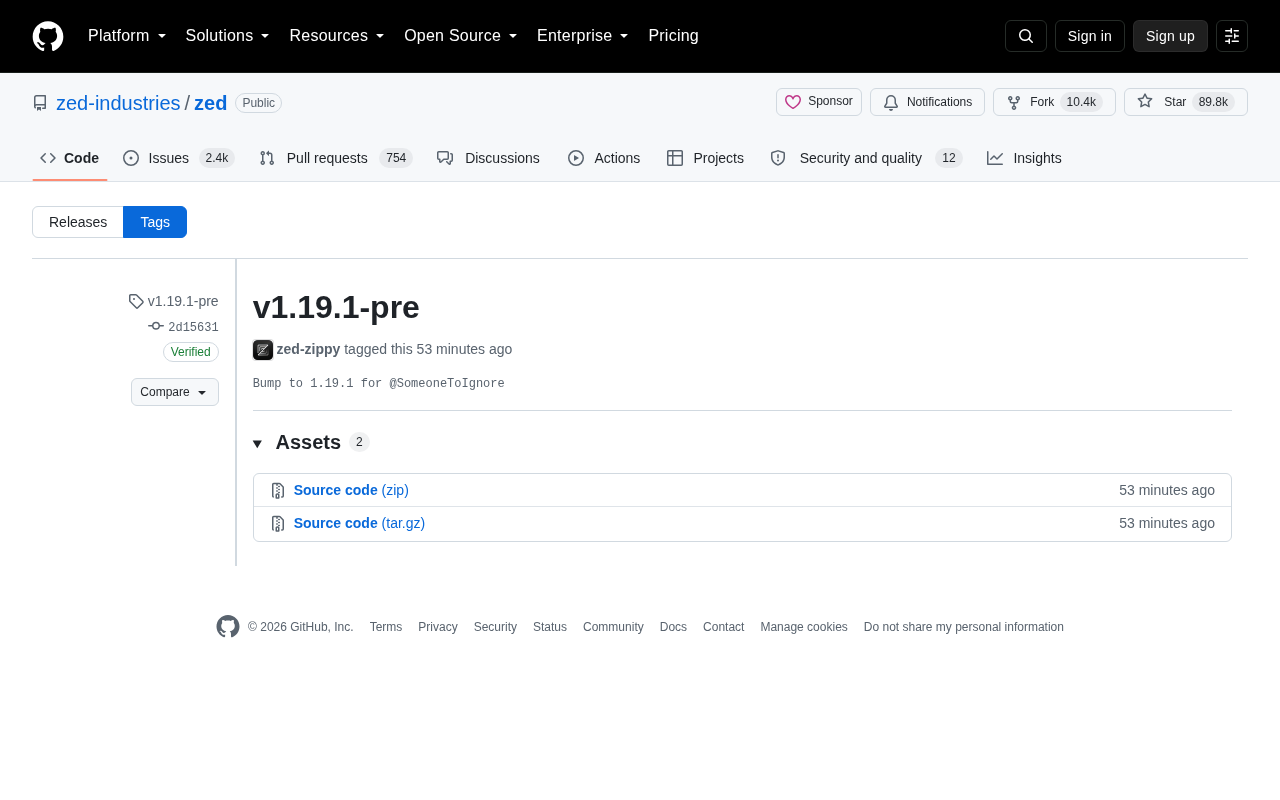
Zed Editor v1.19.1-pre Preview Release
Zed editor releases v1.19.1-pre preview. Explore this Rust-based high-performance code editor's AI programming integration, real-time collaboration, and latest updates from this 89.8k-star GitHub project.
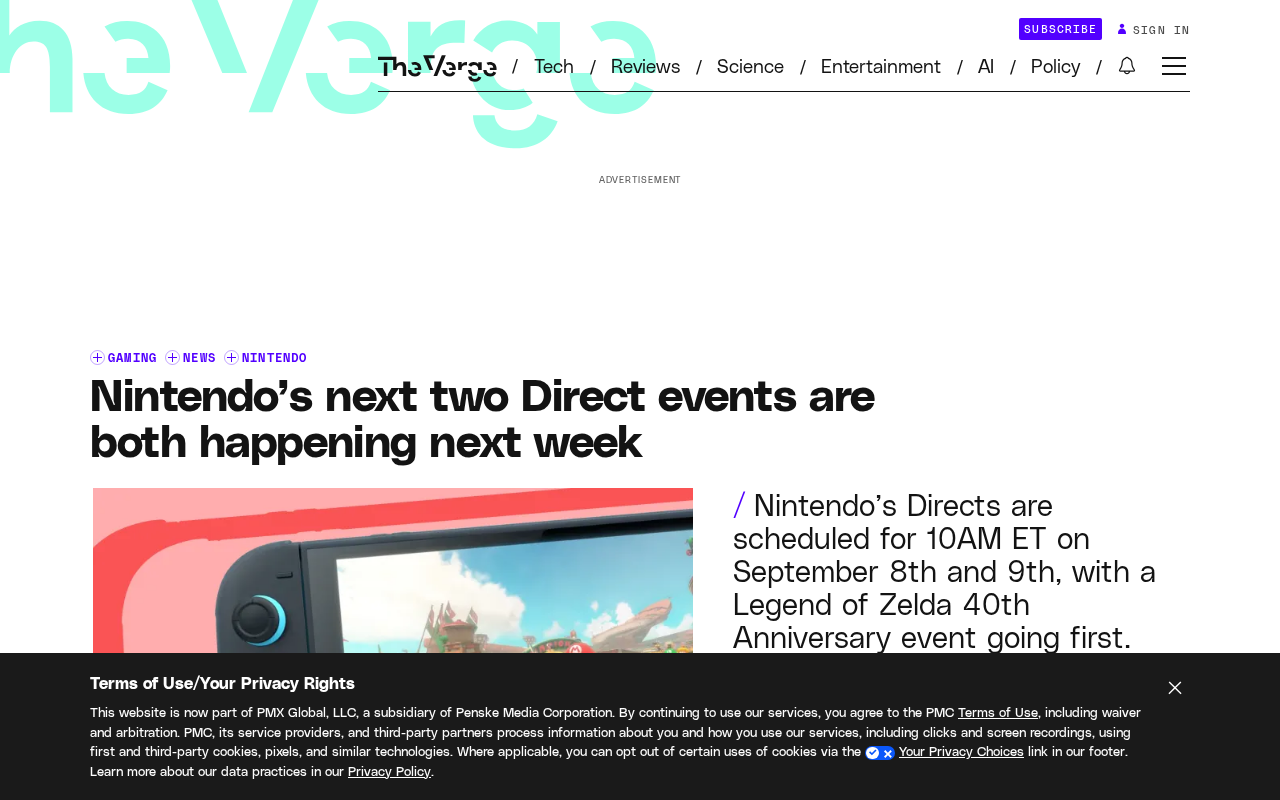
Nintendo Announces Back-to-Back Directs: Zelda 40th Anniversary and Indie World Showcase
Nintendo announces back-to-back Directs next week: a Zelda 40th Anniversary Direct on September 8 and an Indie World showcase. Get the full schedule and what to expect.
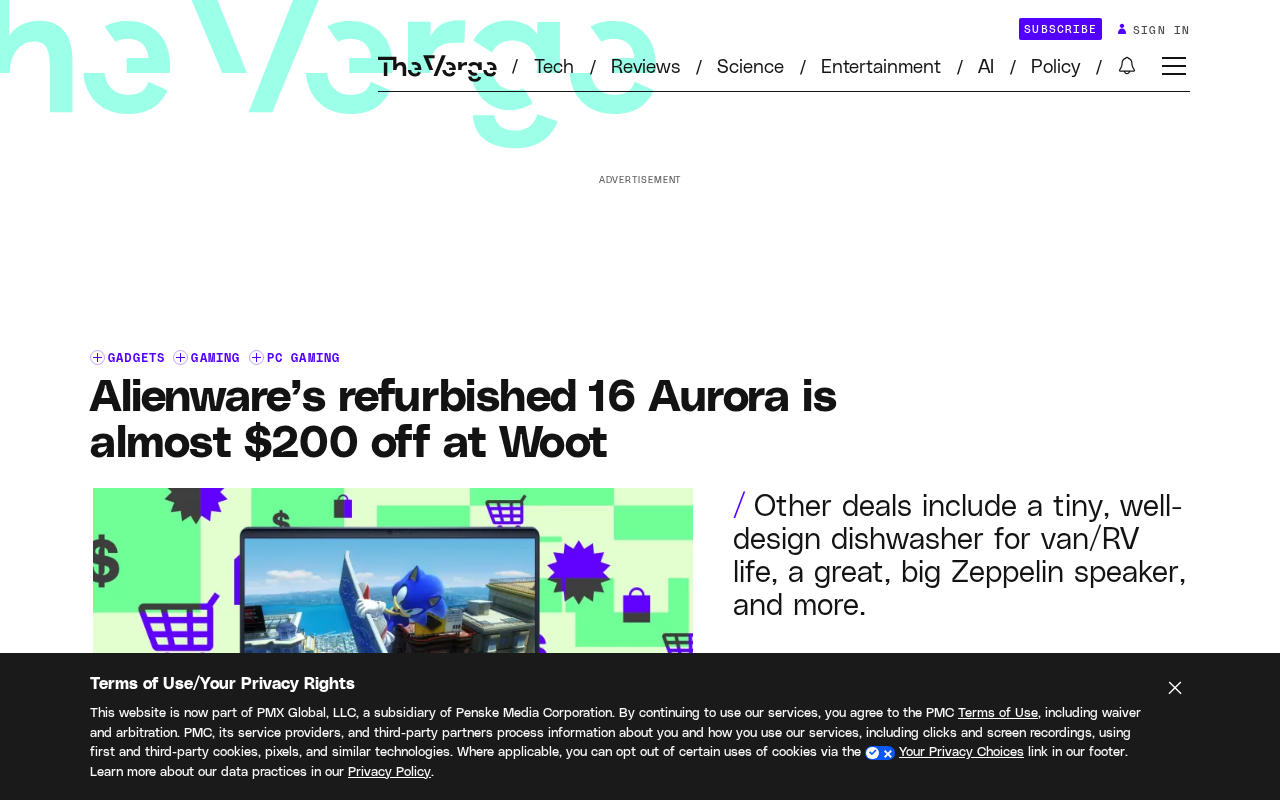
Dell Alienware 16 Aurora Refurbished: Is It Worth Buying at $200 Off?
Woot offers a refurbished Alienware 16 Aurora with RTX 5050 for $927 with code WOOTALIEN. Is this deal worth it amid rising memory prices? Full analysis inside.