Xi Jinping Proposes BRICS 'Open-Source AI Zone'
Xi Jinping proposes a BRICS open-source AI zone to counter Western-dominated AI ecosystems through collective emerging-economy cooperation.
Chinese President Xi Jinping has reportedly proposed establishing an 'open-source AI zone' within the BRICS framework, bringing open-source AI cooperation into the multilateral agenda of emerging economies. The proposal centers on open-source as a means to lower access barriers, reduce dependence on Western tech giants' proprietary models, and build collective technical capacity through shared development. The 'zone' framing suggests institutional arrangements beyond mere technology sharing, potentially covering standards coordination, data flow rules, and computing resource allocation. However, significant challenges remain — including uneven technical capabilities among members, data sovereignty concerns, and high coordination costs — making this a policy signal to watch rather than a done deal.
A New AI Vision for BRICS
According to reports circulating on Reddit, Chinese President Xi Jinping has proposed establishing an "open-source AI zone" within the BRICS framework. This proposal places open-source artificial intelligence cooperation at the center of multilateral collaboration among emerging economies, adding a new variable to the global AI governance landscape.
At its core, the proposal centers on the keyword "open-source." Unlike the closed-source, proprietary model approach adopted by some leading tech companies, the open-source route emphasizes publicly sharing model weights, code, and training methods to lower the barrier to entry. If BRICS nations can establish a collaborative mechanism around open-source AI, it would theoretically allow developing economies — operating with relatively limited computing resources, data, and talent — to share research outcomes and avoid duplicating efforts.
Why "Open-Source" as the Entry Point
Open-source AI has become a significant issue in international tech competition in recent years. Compared to cutting-edge closed-source large models that often require enormous investment, open-source models allow more countries and institutions to fine-tune and build upon existing foundations locally. For emerging economies like BRICS member states, open-source means lower cost barriers and greater technological autonomy.
Focusing the cooperation on "open-source" rather than AI collaboration broadly carries a clear strategic intent: first, to avoid dependence on proprietary technologies controlled by a handful of tech giants; second, to build collective technical capacity through shared development; and third, to gain greater influence in shaping global AI governance rules. This logic aligns closely with the trend of multiple countries pushing for "technological sovereignty" in recent years.
The Multilateral Cooperation Logic Behind the Proposal
The BRICS mechanism, as a cooperation platform for emerging markets and developing countries, gives member states natural advantages in population size, market potential, and data resources. Incorporating AI cooperation into the BRICS agenda reflects how artificial intelligence has evolved from a purely technical topic into a domain of strategic inter-state collaboration.
The term "zone" is worth paying attention to. It implies more than just technology sharing — it could involve a series of institutional arrangements including standards coordination, data flow regulations, and computing resource allocation. If implemented, such a framework could explore a differentiated development path outside the Western-dominated AI ecosystem. That said, moving from proposal to actual implementation still faces considerable real-world challenges, including uneven technical capabilities among member states, concerns over data sovereignty, and high coordination costs.
Potential Impact on the Global AI Landscape
This proposal emerges against the backdrop of intensifying global AI competition. The battle between open-source and closed-source, open and closed approaches, is becoming a defining factor in shaping the future AI landscape. If BRICS nations unite to push an open-source ecosystem forward, it could have long-term implications for the existing division of technological labor and market dynamics.
It is worth noting that the original information this article is based on is limited — it amounts to a single proposal-level report, with no clear implementation plan, funding arrangements, or timeline. Transnational technology cooperation initiatives of this kind typically require lengthy negotiations before yielding tangible results. Readers should treat this as a policy signal worth monitoring, rather than an established fact.
Conclusion
The proposal for an "open-source AI zone" reflects the growing weight of artificial intelligence in international relations. Regardless of whether it ultimately materializes, it offers a valuable lens through which to observe how emerging economies are responding to the AI wave and seeking collective advantages in the technology competition. The specific follow-up actions and responses from member states will be key to assessing its real-world impact.
Related articles

The Hidden Risks of Culvert Failure: An Overlooked Infrastructure Hazard
Culverts are hidden drainage structures buried beneath roads. Their failure can silently hollow out road beds, cause localized flooding, and trigger deadly collapses — yet they remain chronically overlooked.

Naoma AI Demo Agent V2: Turning Website Traffic into Booked Meetings with AI Sales
Naoma AI Demo Agent V2 replaces demo request forms with an AI sales rep that demos products, qualifies leads, and books meetings in real time. 50K+ demos run.
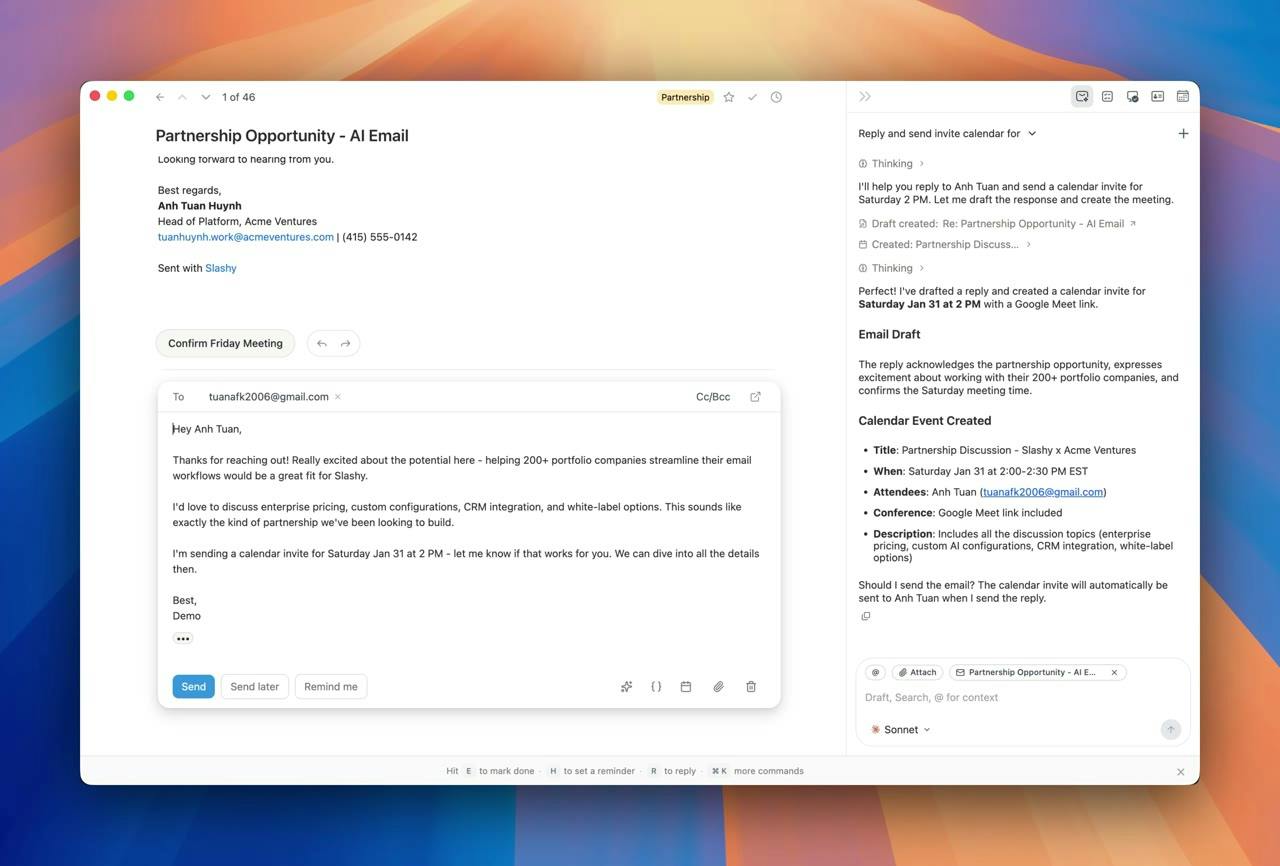
Slashy Assistant: The AI Email Assistant That Handles Your Inbox for You
Slashy Assistant is an AI-native email client with a built-in smart assistant that drafts replies in your voice, organizes email, schedules meetings, and tracks follow-ups. Accessible via iMessage, Slack, and phone — set up in five minutes.