Youkti: An AI That Remembers Every Deal and Tells Your Sales Team What to Do Next
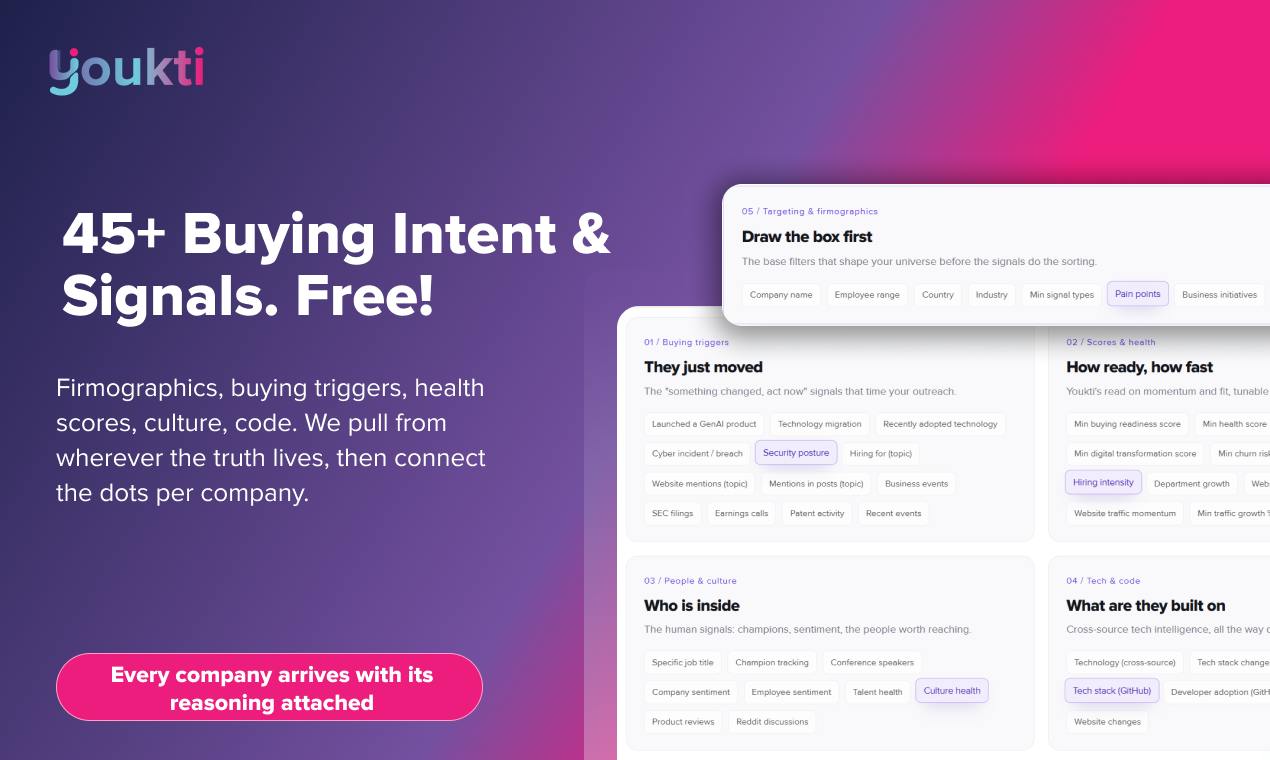
Youkti is an AI sales assistant that turns deal memory into actionable next steps — with free contact and intent data.
Youkti is an AI assistant for B2B sales teams that upgrades traditional CRM's passive record-keeping into proactive action guidance — tracking deal slippage, dormant account signals, and meeting prep to tell AEs, RevOps, and outbound reps exactly what to do next. Its standout move is an aggressive free tier: contact data, buying signals, and intent data are all free with no credit card required, undercutting what ZoomInfo and Apollo charge heavily for. The strategy helped Youkti hit #2 on Product Hunt at launch, though signal accuracy, data quality, and long-term business model sustainability remain open questions.
In B2B sales, the real challenge isn't generating leads — it's figuring out who's ready to buy and what to do next. Youkti, which landed #2 on Product Hunt on launch day, is built around exactly that pain point. It stores every customer account, every conversation, and every deal into memory, then delivers clear, actionable recommendations directly to sales teams.
What Problem Does Youkti Actually Solve
Traditional CRM tools are essentially data warehouses — they record information, but they don't tell you what to do with it. Sales reps juggling hundreds or thousands of customer records every day struggle to spot which deals are slipping away or which dormant accounts have suddenly shown signs of life. Youkti's core positioning is turning "passive recording" into "active guidance."
According to its official description, Youkti continuously tracks three types of critical signals: which deals are slipping, which long-dormant accounts have just fired a signal, and what prep work is needed for tomorrow's meetings. In other words, it aims to act as an always-on sales assistant with perfect memory.
Who Is It Built For
Youkti explicitly targets three roles: AEs (Account Executives), RevOps (Revenue Operations), and outbound reps. What these roles share is the need to constantly prioritize across a large number of accounts and deals — something human judgment alone struggles with, given the limits of memory and time.
For AEs, the value is never missing a deal that's about to close or about to fall through. For RevOps, a unified deal memory layer supports process standardization and data consistency. For outbound reps, it means knowing exactly when to reach out to which prospect for the best shot at conversion. This "role-based value proposition" approach is common in the AI sales tools space, but Youkti puts its emphasis squarely on "next best action" rather than pure data aggregation.
Context: RevOps (Revenue Operations) is a function that has grown rapidly in B2B companies, responsible for aligning data and processes across marketing, sales, and customer success to make the revenue funnel more predictable and efficient. Unlike traditional sales ops, RevOps places heavy emphasis on cross-functional data unification and system integration — tools need to serve as a single source of truth shared across teams. AEs (Account Executives) focus on advancing and closing specific deals, distinct from SDRs (Sales Development Representatives) who handle top-of-funnel prospecting. Outbound reps focus on proactively reaching potential customers and rely heavily on timing to improve connect and conversion rates.
The Free Tier Is the Biggest Story
Youkti's pricing strategy is aggressive: contact data, buying signals, and intent data are all free — no credit card required, no usage meter.
That's worth unpacking. In the sales intelligence space, contact data and intent data are typically the most expensive line items at tools like ZoomInfo and Apollo. Youkti is giving away what competitors charge the most for, clearly betting on low friction to drive rapid user acquisition before monetizing through premium features. With 145 upvotes, 14 comments, and a #2 ranking on launch day, the strategy has clearly generated significant attention.
That said, questions around the sustainability of "free" and the underlying data quality are worth asking. The accuracy of intent signals, their freshness, and the real limits of the free tier will ultimately determine whether this product earns a place in sales teams' daily workflows.
Context: Intent data is a specialized category in sales intelligence — it refers to data inferred from tracking a prospect's online behavior, such as searching for specific keywords, visiting competitor websites, or downloading whitepapers, to gauge purchasing intent. This data is typically aggregated by third-party providers like Bombora and TechTarget from thousands of B2B content sites, then sold to sales and marketing teams at the account level. Because collection and licensing costs are high, intent data has historically been among the most expensive components of any sales intelligence platform. ZoomInfo enterprise plans routinely run tens of thousands of dollars per year; Apollo is more affordable but still gates intent data behind paid tiers. Making this available for free is a genuinely disruptive pricing move.
Where Youkti Fits in the AI Sales Landscape
Youkti is entering the market at a moment when AI sales tools are exploding. There's already a crowded field of "AI SDR," "sales signal engine," and "automated follow-up" products competing for attention. Youkti's differentiation lies in its emphasis on the combination of memory + action recommendations — not just telling you what happened, but telling you what to do.
This leap from "information" to "decision" is exactly the core upgrade generative AI brings to sales tooling. But executing it well requires the product to prove itself on the accuracy of its signal interpretation. Otherwise, "next best action" recommendations can easily devolve into vague noise that actually adds to a rep's cognitive load rather than reducing it.
Takeaway
Youkti is an AI sales assistant with a clear positioning and an aggressive free-tier strategy, centered on deal memory and action recommendations. For budget-conscious teams looking to improve sales efficiency, it offers an essentially zero-barrier entry point. Whether it can hold its ground in a crowded market will come down to the real-world accuracy of its signal detection and the long-term quality of its free data — both of which still need to be validated through actual use.
Related articles
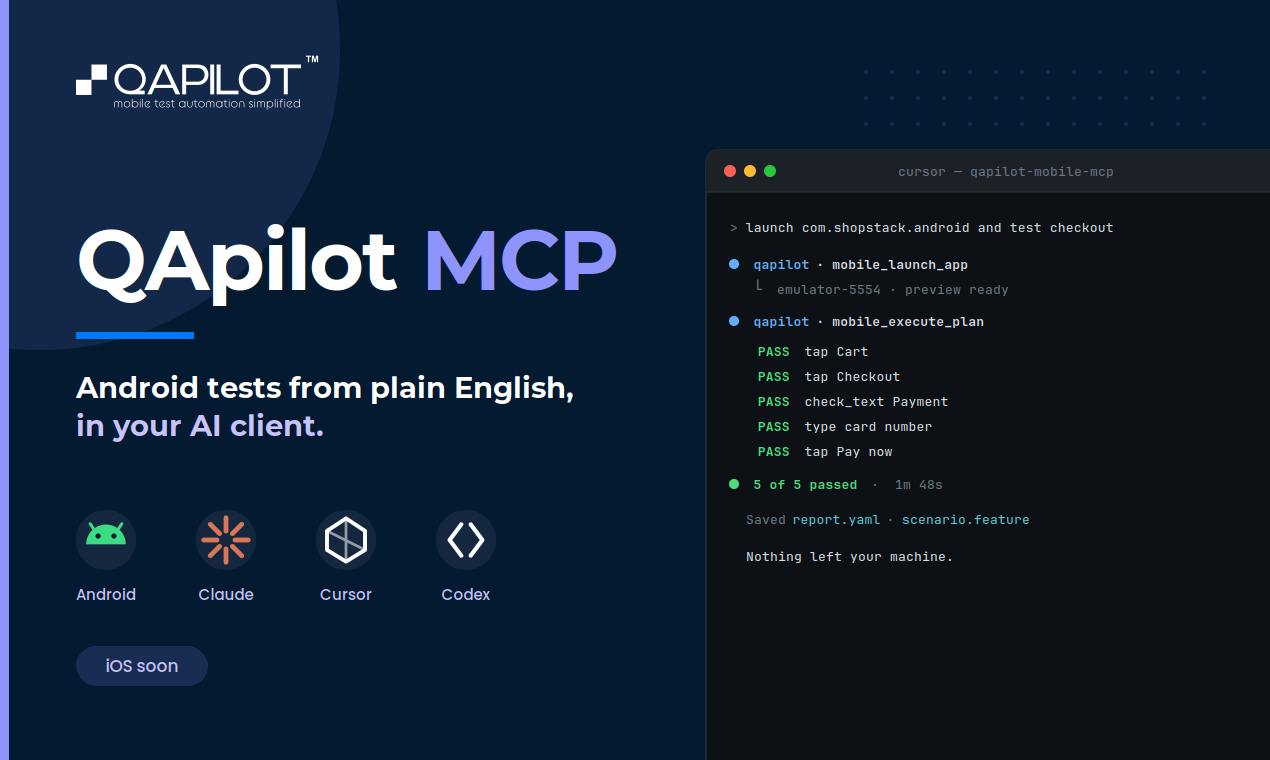
QApilot MCP: Test Android Apps in Natural Language Inside Your AI Coding Assistant
QApilot MCP lets developers test Android apps in natural language inside Claude, Cursor, and Codex — no Appium code needed. Auto-generates reusable Gherkin test cases.
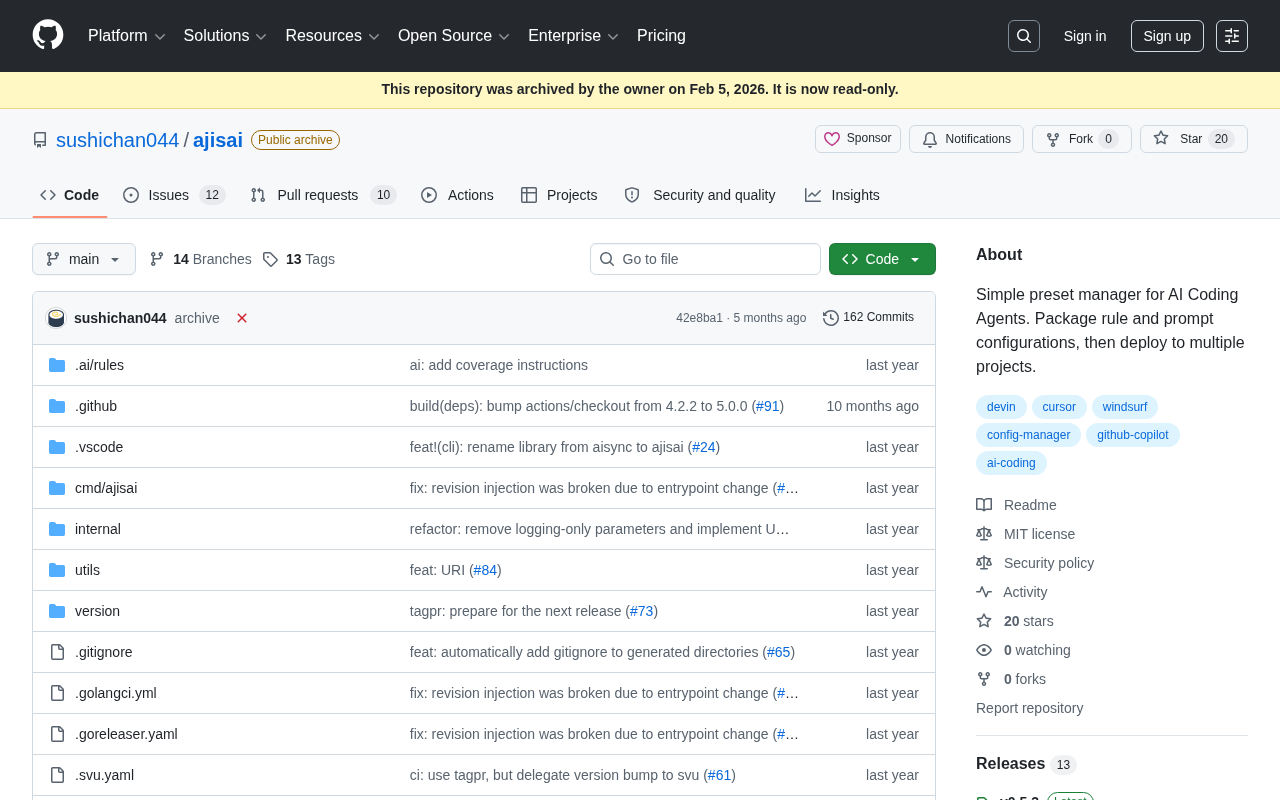
ajisai: A Preset Management Tool for Unifying Rules and Prompts Across AI Coding Assistants
ajisai is a Go-based preset manager for AI coding assistants like Cursor and Claude Code. Package rules and prompts once, deploy everywhere. Early-stage but promising.
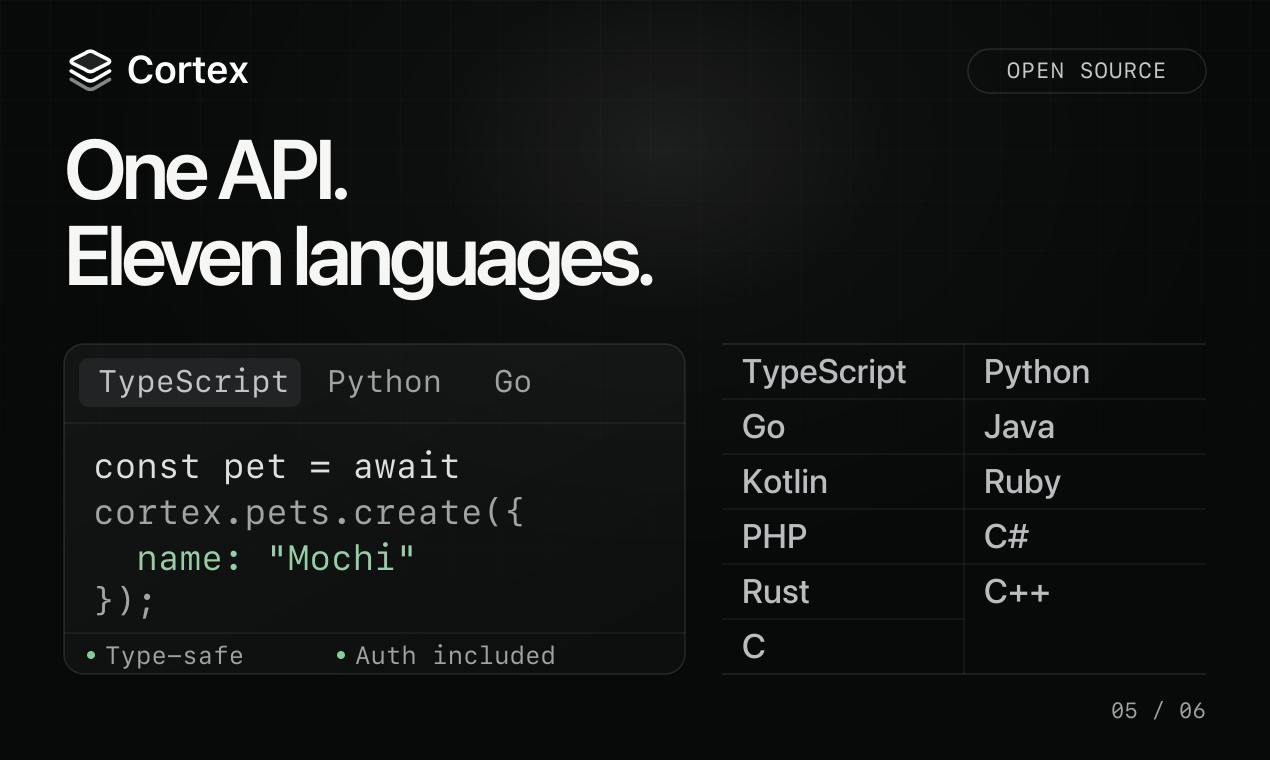
Cortex: Convert API Specs into Docs, SDKs, and MCP Servers in One Click
Cortex is an open-source tool that converts OpenAPI, GraphQL, gRPC and more into interactive docs, typed SDKs in 11 languages, and MCP servers for AI agents.