Young Creatives Who Reject AI: Can an Anti-AI Startup Actually Work?
Can you build a startup serving creatives who reject AI? A real but narrow niche opportunity.
A contrarian idea surfaced on Hacker News: building a startup specifically for young creatives who actively refuse to use AI. This group is real — illustrators, indie musicians, and craft creators driven by copyright concerns, belief in original value, and commitment to human creativity. Possible product forms include an "AI-free" certification system, a human-only creator community, and a matchmaking service for clients seeking purely human work. However, the concept faces three core challenges: unreliable AI-content detection makes certification hard to enforce; anti-AI attitudes don't reliably translate into paying behavior; and the long-term headwinds of going against industry efficiency trends are significant. Precedents like the vinyl revival and craft goods premium suggest "human-made" could earn an emotional premium in an AI-saturated future — but success depends on finding a specific, high-willingness-to-pay use case rather than broadly targeting the "anti-AI" crowd.
A Contrarian Startup Idea
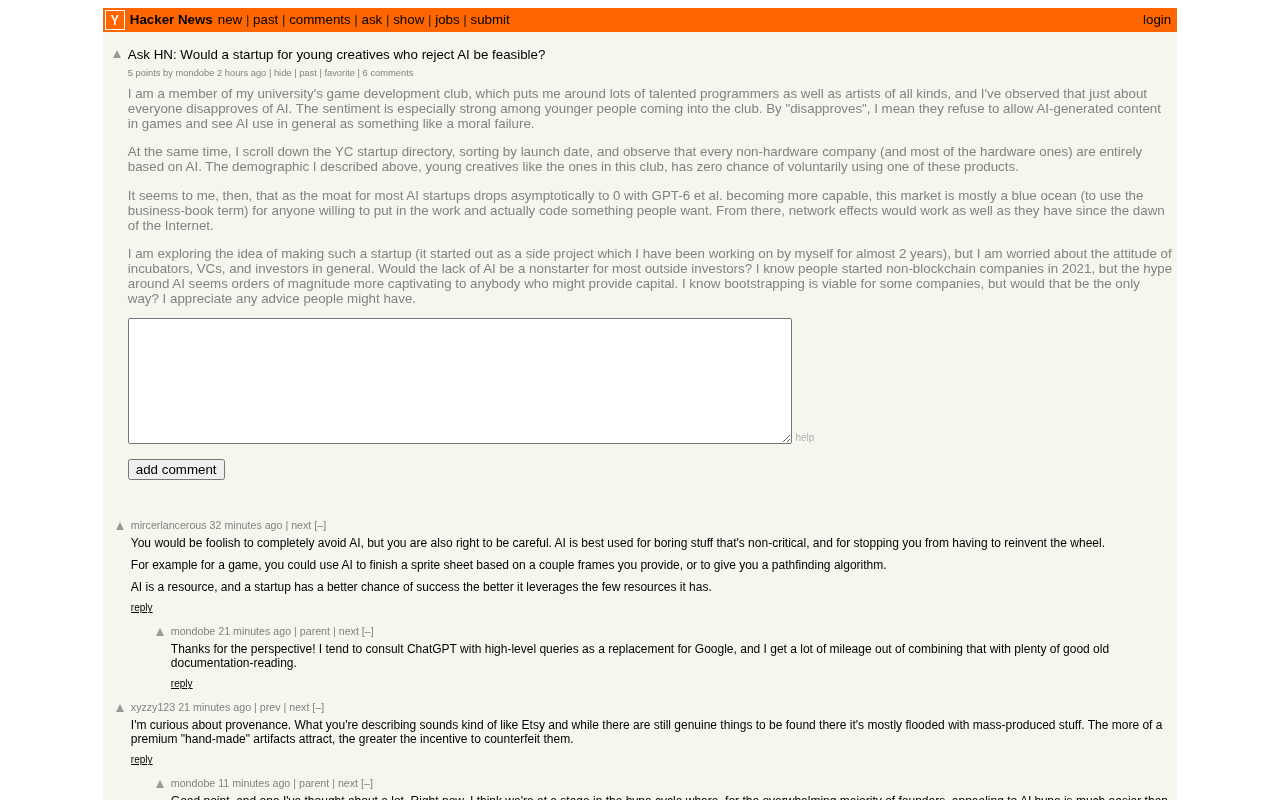
As generative AI sweeps through the creative industry, an intriguing question surfaced on Hacker News: Is it viable to build a startup specifically for young creatives who refuse to use AI?
The question itself carries a distinctly contrarian flavor. At a time when the entire tech industry is discussing how to use AI to boost productivity and cut costs, someone is thinking in the opposite direction — serving creators who actively choose not to use AI. This isn't about lacking technical ability; it's an expression of values.
The thread didn't generate much traction on Hacker News (4 upvotes, 6 comments), but it touches on an emerging market segmentation phenomenon: will AI give rise to a "purely human-made" niche market?
What Anti-AI Creatives Actually Need
Worth examining is the implicit assumption behind this idea: that there exists a clearly defined group of young creatives who "reject AI," and that their needs aren't being met.
In reality, this group does exist. Among illustrators, independent musicians, and craft creators, a significant portion are resistant to AI-generated content — for reasons including fear that their work will be used to train models, the belief that AI dilutes the value of original work, and a fundamental commitment to "human creativity" itself. Recent controversies over copyright and AI training data have pushed many more creators into an anti-AI stance.
The question is whether "rejecting AI" can constitute a market that's large enough and financially capable enough to sustain a business. Young creatives tend to have unstable income, and whether "anti-AI" as an identity translates into willingness to pay — and how much — is the core question of viability.
Possible Product Forms
If such a startup were to come together, it might take a few different shapes.
One is a certification and trust mechanism — something like an "AI-free" label or verification system that helps creators prove to clients that their work is purely human-made. In an environment flooded with AI content where authenticity is hard to verify, "human-made" could itself become a premium selling point, much like "organic" certification in the food industry.
Another is a community and collaboration platform — a space for anti-AI creators to showcase, connect, and transact without AI-generated content polluting the environment. The key moat here isn't technology; it's community culture and content moderation. Genuinely ensuring that no AI-generated work appears on the platform is itself a major challenge.
A third form is a matchmaking service for specific clients, connecting brands, publishers, and other buyers who explicitly require human-only creative work with the creators who produce it.
The Key Viability Challenges
This idea faces several real obstacles.
The verification problem: How do you prove a piece of work was made entirely without AI? As AI tools become embedded in mainstream creative software (Photoshop, various audio tools, etc.), the boundary of "purely human-made" grows increasingly blurry. A creator might unknowingly use a tool with AI-assisted features built in.
Market size: Anti-AI is an attitude, but attitudes don't always translate into spending. This group may be genuinely principled, yet not large enough or wealthy enough to sustain a viable business model.
Swimming against the tide: Going against the industry-wide trend toward greater efficiency means facing persistent headwinds. As AI-assisted creation becomes the default, insisting on purely human work may put creators at a disadvantage in both cost and speed.
Niche Markets Can Still Be Real Opportunities
Despite these challenges, this direction isn't without merit. Historically, every major wave of mainstream technology adoption has generated a counter-movement in the niche market — the vinyl revival in the age of digital music, the premium placed on handcrafted goods in the era of industrial production. These are precedents worth noting.
"Human-made" as a scarcity narrative may actually command higher symbolic value and emotional premium in a future saturated with AI-generated content. The real question isn't "does this market exist" — it's "is it large enough to support a startup," and "is the founder trying to build a business or make a statement?"
For entrepreneurs considering this direction, a more practical entry point may not be broadly "serving the anti-AI community," but rather identifying a specific, concrete use case with clear willingness to pay — such as high-end custom work, art collecting, or commercial clients who place strong emphasis on original copyright.
Related articles
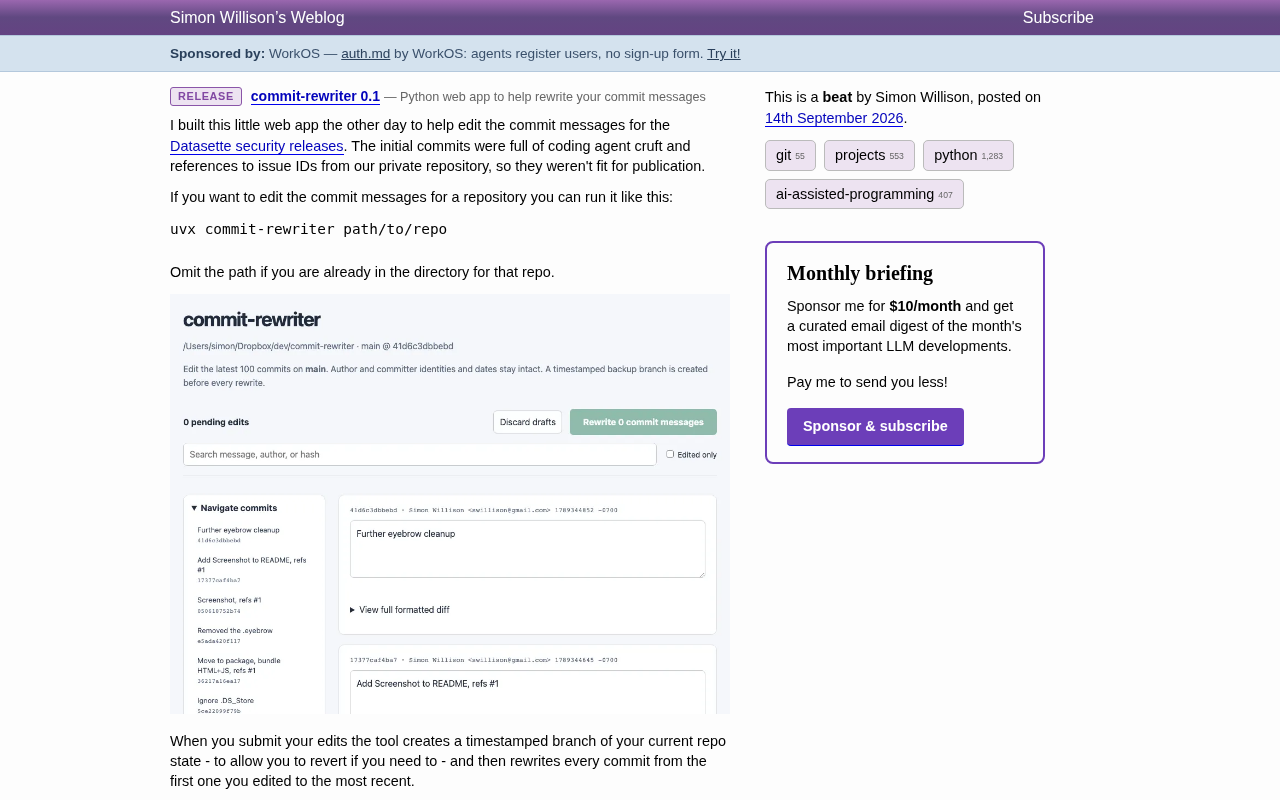
commit-rewriter 0.1: An Open-Source Tool for Batch Rewriting Git Commit Messages
commit-rewriter 0.1 is an open-source Git commit batch-rewriting Web tool by Simon Willison. Run it instantly with uvx to clean AI agent cruft and private refs, with timestamped backup branches for safe rollback.
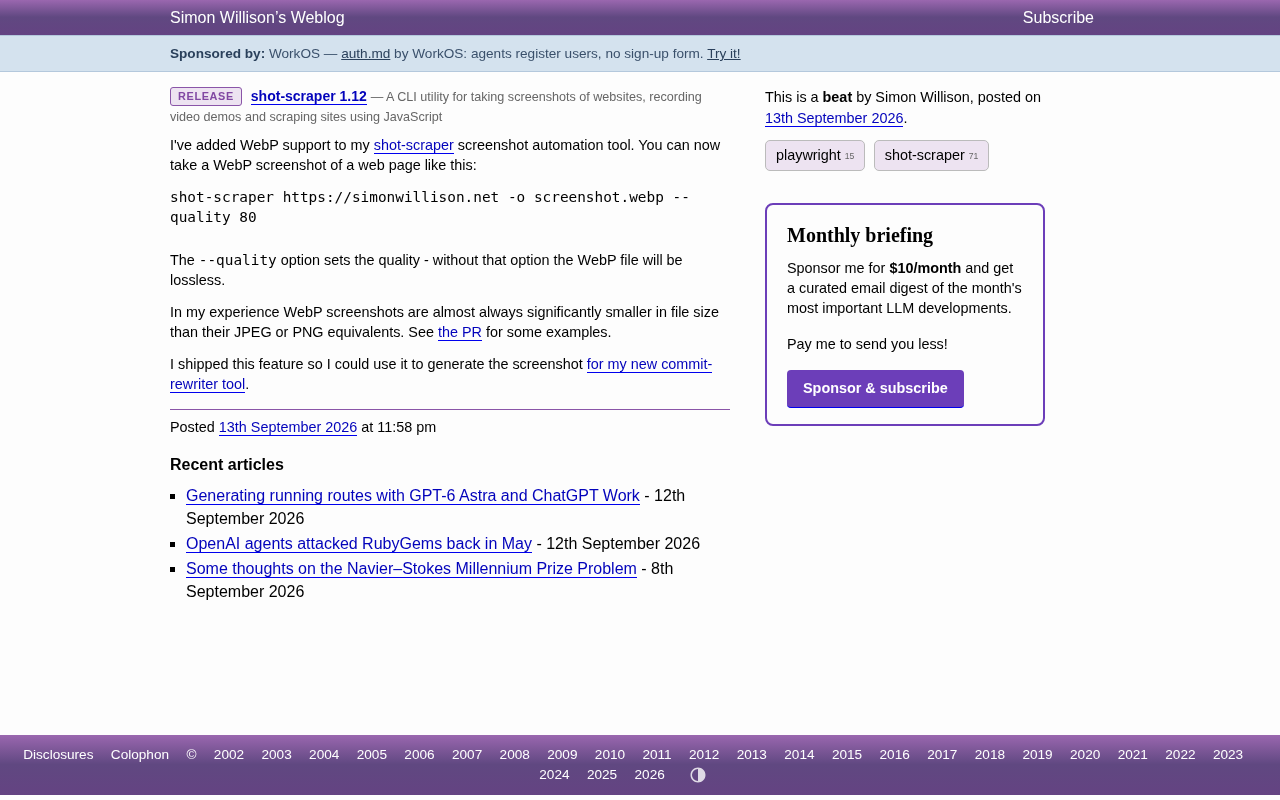
shot-scraper 1.12 Adds WebP Support: Dramatically Smaller Screenshot File Sizes
shot-scraper 1.12 adds WebP screenshot support with --quality control, delivering significantly smaller file sizes than JPEG and PNG for automated screenshot workflows.
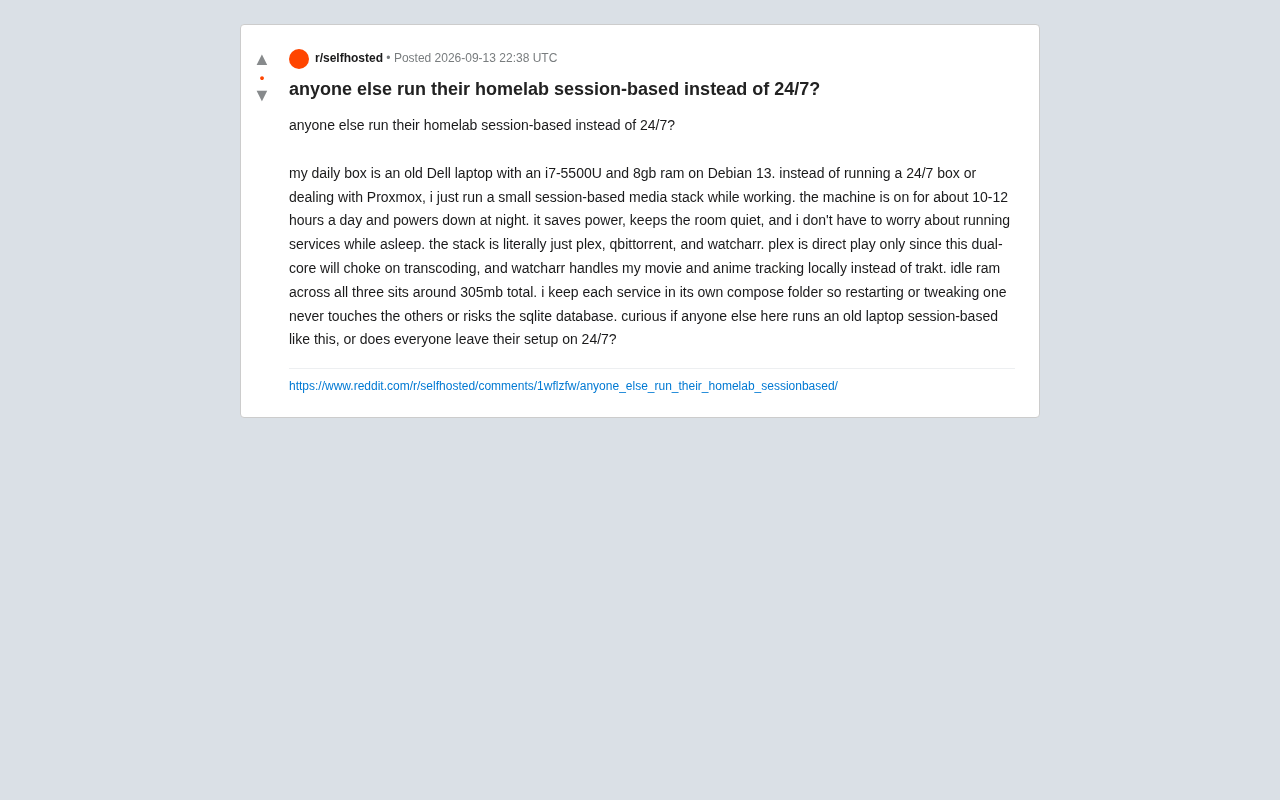
Session-Based Home Server: Running a Low-Power Homelab on an Old Laptop
A Reddit user runs Plex, qBittorrent, and Watcharr on a 10-year-old laptop for just 10–12 hrs/day, using only 305MB RAM idle. Exploring session-based vs. 24/7 Homelab trade-offs.