YouTube Tests Hiding the Dislike Button: User Experience Sparks Debate Again

YouTube tests hiding the dislike button, reigniting debate over user feedback and platform governance.
YouTube is testing moving the video dislike button into the three-dot menu or hiding it entirely, with screenshots shared by X and Reddit users and no official response yet. This follows the 2021 hiding of dislike counts. Reactions are mixed: some say it reduces malicious dislikes and protects creators; others worry it weakens quick feedback on low-quality content and deprives the recommendation algorithm of an important negative signal.
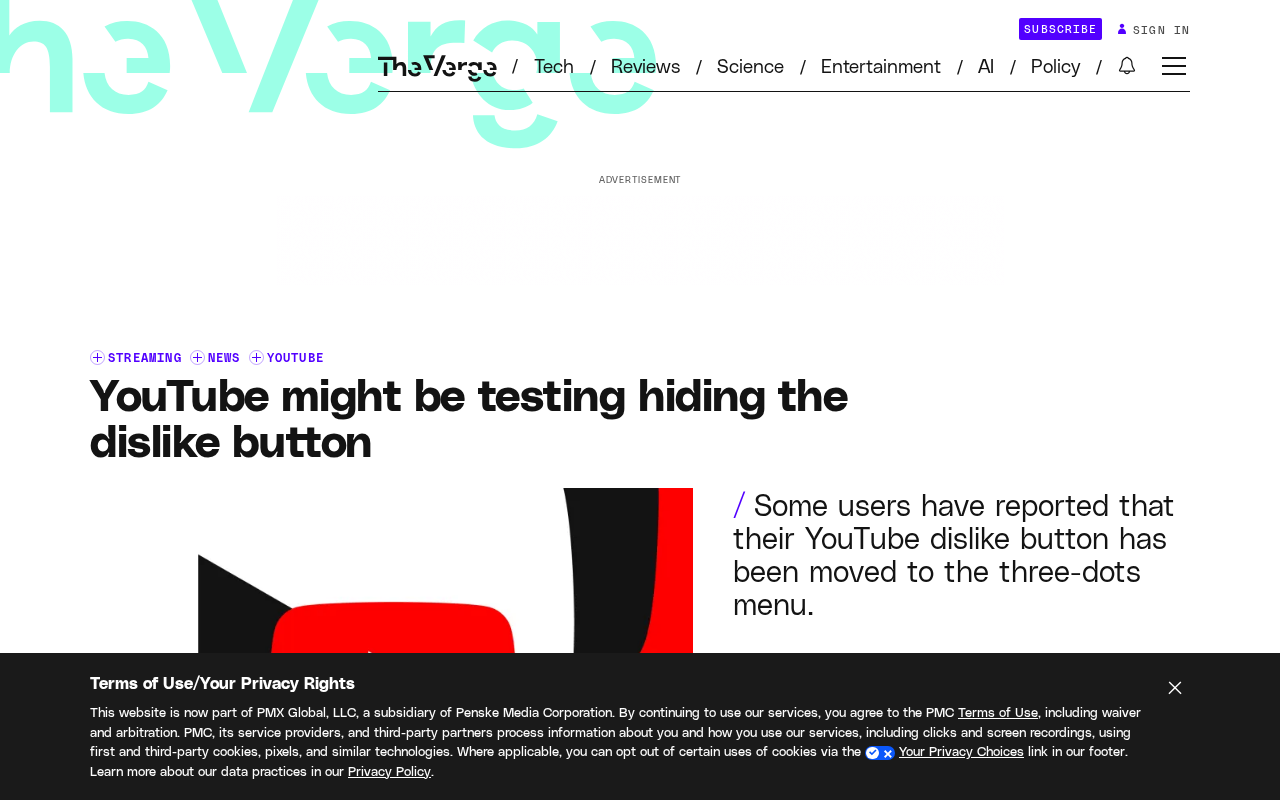
YouTube appears to be testing hiding the video "dislike" button. According to 9to5Google, at least two X users recently shared screenshots showing the dislike button moved into the three-dot menu, while some Reddit users also reported that the dislike button had disappeared. The change quickly sparked discussion—after all, the dislike button was once an important channel for users to express dissatisfaction.
Test Details: Button Moved into Menu or Disappeared Entirely
According to screenshots shared by users, in some interfaces the dislike button is no longer displayed directly below the video but is tucked into the three-dot menu (more options). Other users found the dislike button completely gone. 9to5Google notes that this currently appears to be a small-scale test and has not yet been rolled out broadly. YouTube has not officially responded.
This is not the first such UI adjustment. YouTube previously tested hiding dislike counts to reduce harassment of creators. But hiding the button itself this time could affect users' habit of quickly expressing feedback.
YouTube first tested hiding public dislike counts in November 2021, and in 2022 officially hid dislike counts globally—but the button itself remained. The official rationale at the time was that dislike counts harass small creators and have limited effect on reducing the spread of misleading content. If this test further hides the button itself, it would be a continuation and escalation of that strategy. Notably, in 2023 YouTube also tested requiring users to log in before using the dislike button, and tried connecting dislike feedback with "not interested" recommendation signals—these moves all point in one direction: the platform wants to turn negative feedback from public social expression into private, backend algorithmic input.
User Feedback: Convenience and the Right to Express Suffer
Reactions on X and Reddit are mixed. Some believe this can reduce malicious dislikes and foster a friendlier community atmosphere; more people worry that hiding the button will weaken users' ability to quickly give feedback on low-quality content—especially in tutorial videos, where dislike counts help viewers avoid misinformation.
One user commented: "If I don't like a video, I want to express it immediately, not go digging through a menu." This sentiment is fairly common in Reddit discussions.
Platform Intent: Better Experience or Data Beautification?
YouTube has always tried to balance user expression with creators' mental health. Hiding the dislike button may aim to reduce the impact of negative interactions on creators. But critics point out that it could also obscure data on unpopular content, making it harder for the platform's recommendation algorithm to learn from user feedback.
The test scope is currently limited, and it is unclear whether YouTube will roll it out fully. What's worth watching: if the button continues to be hidden, user behavior may shift to comments or simply leaving, indirectly affecting video engagement metrics.
Recommendation algorithms rely primarily on explicit feedback (such as likes, dislikes, saves) and implicit feedback (such as watch time, completion rate, click-through rate). The dislike button provides a negative explicit signal that directly tells the system "this content is unpopular," helping the algorithm quickly downrank low-quality or misleading content early on. Once dislikes are hidden, negative signals drop sharply, and the algorithm will rely more on implicit metrics like watch time—which can easily be gamed to the top by clickbait or emotionally charged content. Thus, hiding the dislike button is not just a product experience issue; it also changes the incentive structure of the platform's content ecosystem, pushing the recommendation system toward content that "keeps people watching" rather than content that "satisfies people."
Future Direction: Test Results Will Decide
Given that this is still an early test, the final form may change. YouTube may decide based on user feedback whether to keep the direct button. Similar past tests (such as hiding dislike counts) were eventually rolled out in some regions, but hiding the button itself is a first.
For content creators, it's worth noting the impact of this change on engagement data; for ordinary users, the dislike button is still visible under most videos for now. We will continue to follow further developments.
One-line Summary
YouTube is testing hiding the dislike button on a small scale, sparking debate over users' right to feedback and platform governance.
Paragraph Summary
YouTube is running a small-scale test that moves the video dislike button into the three-dot menu or hides it entirely. Several X and Reddit users shared screenshots, and the company has not responded. This is another negative-feedback adjustment following the 2021 hiding of dislike counts. User reactions are polarized: supporters say it reduces malicious dislikes and protects creators' mental health; opponents worry it weakens quick feedback on low-quality content—especially in tutorial videos where dislike counts help viewers avoid pitfalls. Critics also note that hiding the button could beautify data on unpopular content and deprive the recommendation algorithm of an important negative signal. Test results will determine whether it is rolled out fully.
Related articles
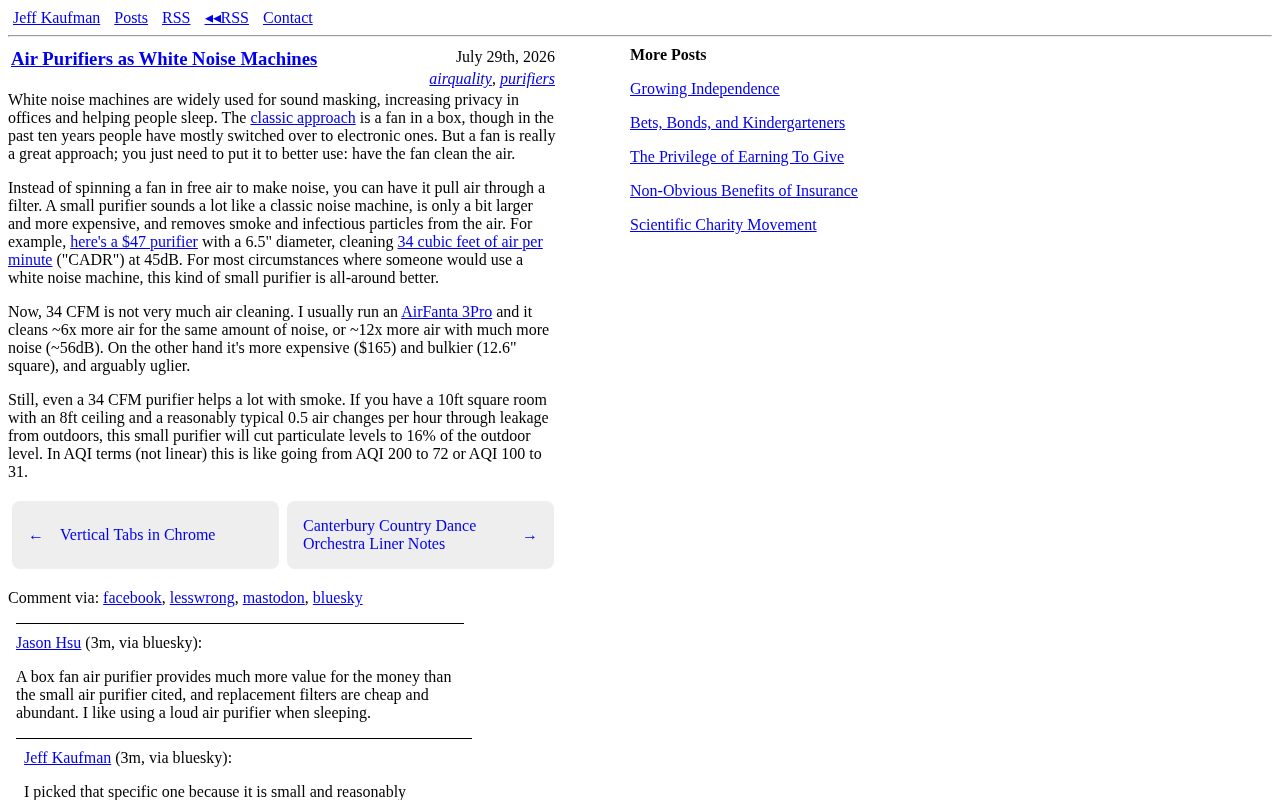
Air Purifiers as White Noise Machines: Practical Trick or Product Flaw?
Can air purifier white noise aid sleep? A Hacker News discussion reveals complex user attitudes toward purifier noise, covering product design, sleep aids, and buying considerations.
iPhone Duo Review Controversy: Why Apple's First Foldable Is Said to 'Should Be Called an iPad'
The Vergecast debates the iPhone Duo review controversy: is a 7 fair? Why are apps struggling? Why critics say it 'should be called an iPad'? We unpack Apple's first foldable's positioning mismatch and first-gen compromises, plus AI security flaws and agentic shopping.
Meta vs. Publishers: The AI Data Battle Over Terms of Service Changes and the Future of the Internet
Meta changed its business account terms to allow AI training on linked website data, sparking backlash from publishers and creators. Industry groups demanded negotiations, forcing Meta to remove 'training' wording and delay the effective date. The dispute reveals the deeper battle over data authorization and the future of the internet in the AI era.