YuE2's Missing Encoder Is Now Open Source: Bring Your Own Music Into the AI Model
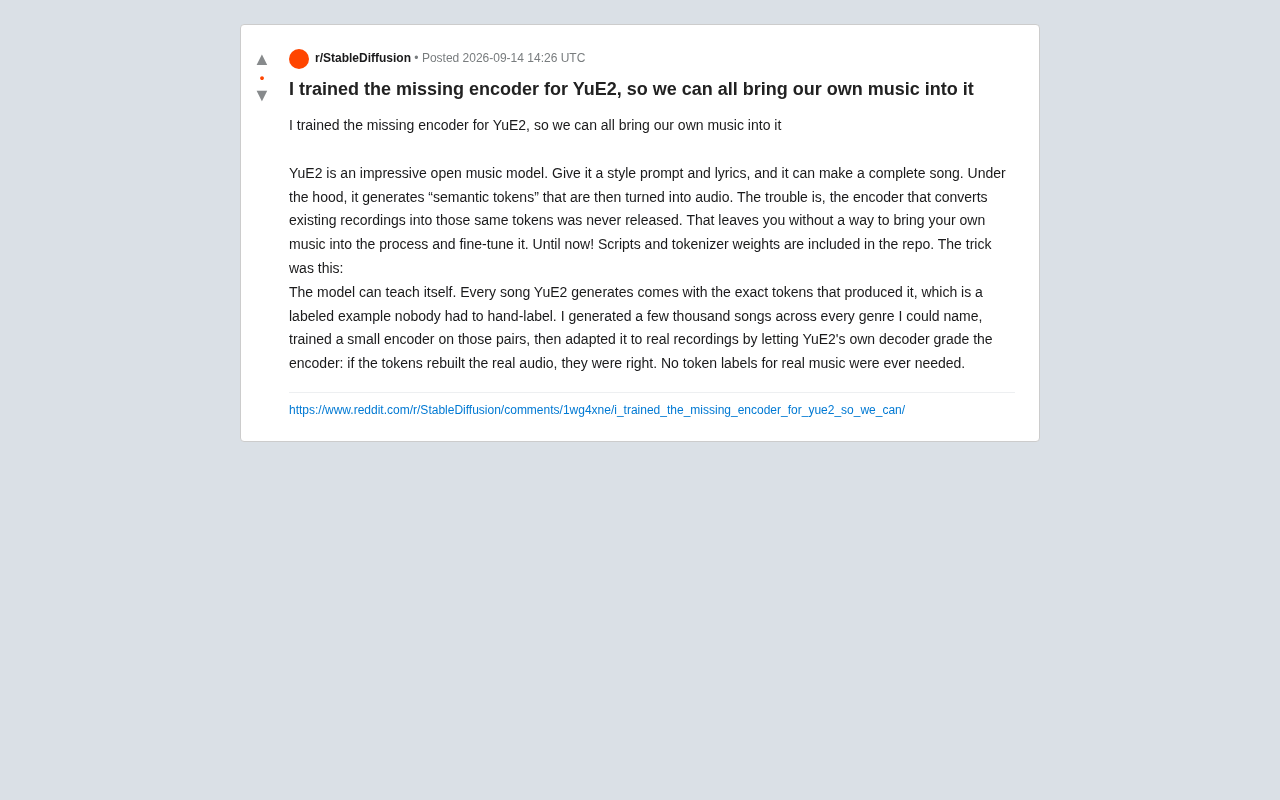
A community developer trained YuE2's missing encoder so users can feed their own recordings into the model.
Open-source music model YuE2 has long lacked a key component: an encoder to convert existing recordings into semantic tokens, leaving users unable to input their own music. A developer filled this gap using a self-supervised approach — generating thousands of songs to create natural audio–token pairs, training a small encoder, then using YuE2's own decoder as a reconstruction-quality signal to adapt it to real recordings, all without any manual annotation. The scripts and tokenizer weights are now open-sourced, upgrading YuE2 from a one-way generation tool to a two-way system that accepts external audio input.
The open-source music generation model YuE2 has had one persistent limitation: while it can generate complete songs from style prompts and lyrics, it offers no way to feed your existing recordings into the model. Now, a developer has trained the "missing encoder" that was never officially released, filling that critical gap and enabling anyone to bring their own music into YuE2's creative pipeline — and fine-tune from there.
What Critical Piece YuE2 Was Missing
YuE2 is a capable open-source music model. Give it a style description and lyrics, and it produces a full song. Under the hood, it first generates a set of semantic tokens, then converts those tokens into actual audio.
The problem lies in the reverse direction: the encoder that converts existing recordings back into those same semantic tokens was never publicly released. This meant users had no way to feed their own music into the model, and therefore couldn't fine-tune it on their own material. Without this piece, YuE2 could only "generate from scratch" — it had no way to "understand and continue" an existing piece of music.
For anyone looking to genuinely integrate AI music tools into their creative workflow, this was a hard blocker. No matter how powerful the generation capability, if you can't feed your existing work into the model, its flexibility and practical utility are severely limited.
Teaching the Model to Teach Itself
The developer's approach to solving this problem is quite clever: the model can teach itself.
The key insight is this — every song YuE2 generates comes with the exact set of tokens that produced it. In other words, every generation is a naturally labeled sample, with no manual annotation required. This sidesteps the data problem entirely.
The process breaks down into three steps:
Step 1: Generate Paired Data at Scale
The developer used YuE2 to generate thousands of songs spanning as many musical genres as possible. Each song came paired with the semantic tokens that generated it, producing a large collection of audio–token pairs. This dataset was produced entirely automatically by the model, with no human annotation needed.
Step 2: Train a Small Encoder
Using these auto-generated pairs, the developer trained a small encoder to learn the mapping from audio back to its corresponding semantic tokens. This step essentially reverse-engineers the "audio to token" transformation from the model's own outputs.
Step 3: Self-Scoring with the Decoder to Adapt to Real Recordings
Training on generated data alone isn't enough — the real goal is handling real-world recordings. This is where a self-supervised validation mechanism comes in: YuE2's own decoder is used to "score" the encoder.
If the tokens the encoder produces for a real audio clip can be decoded back to reconstruct the original audio, then those tokens are correct. Through this "reconstruction as validation" approach, the encoder is progressively adapted to real recordings — at no point does this process require any token-level labels for real music.
Why This Approach Matters
At its core, this solution is a clever application of self-supervised learning. It exploits a unique property of generative models: the generation process itself produces perfectly aligned supervisory signals.
Traditionally, training such an encoder would require large amounts of labeled data specifying which tokens correspond to which audio — data that is nearly impossible to obtain manually. Rather than solving the annotation problem, the developer had the model generate its own annotations, then used the decoder's reconstruction quality as a validation signal for unlabeled data. This closed loop — where the model generates data to train the model, and the model's decoder validates the model's encoder — sidesteps the biggest bottleneck in data acquisition.
For the community, this means YuE2 goes from a one-way generation tool to a two-way system that can accept external input and support personalized fine-tuning. Users can now feed their own music into the model and explore richer use cases like style transfer, continuation, and fine-tuning.
Open-Source Release and Available Resources
According to the developer's post, the scripts and tokenizer weights are included in the repository for anyone to use — you can plug your own music directly into YuE2.
This kind of community contribution — filling in a missing piece of an official model — is exactly where the value of open-source ecosystems shines. When an official release omits a critical component for whatever reason, the community can draw on its understanding of the model's mechanics to fill the gap creatively and share the results with everyone.
A word of caution: the information in this article comes from a single Reddit post, and the encoder's actual performance, reconstruction quality, and stability on real-world recordings have yet to be verified by broader user testing. Interested developers and musicians are encouraged to try the repository resources for themselves.
Related articles
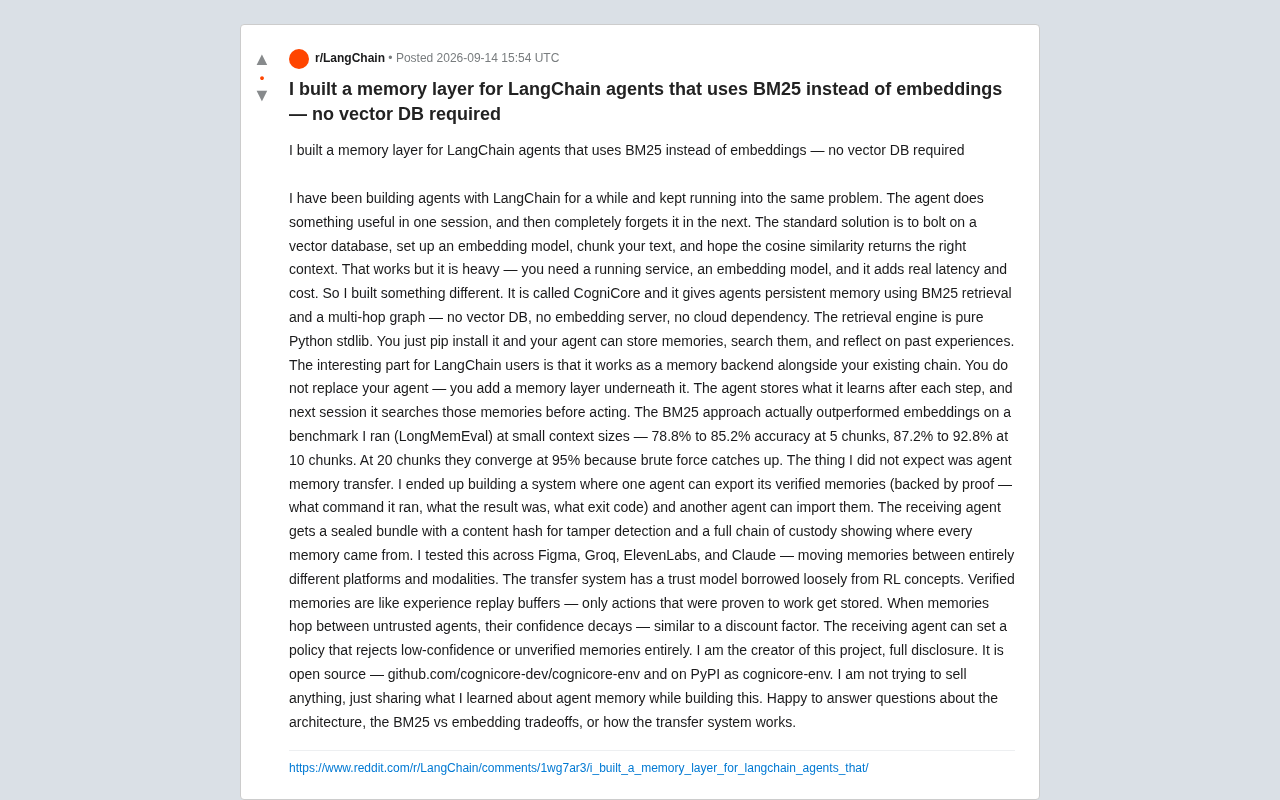
Ditch the Vector Database: Building a Memory Layer for LangChain Agents with BM25
CogniCore replaces vector databases with BM25 retrieval for LangChain agent memory, outperforming embeddings in small-context benchmarks with zero external dependencies.
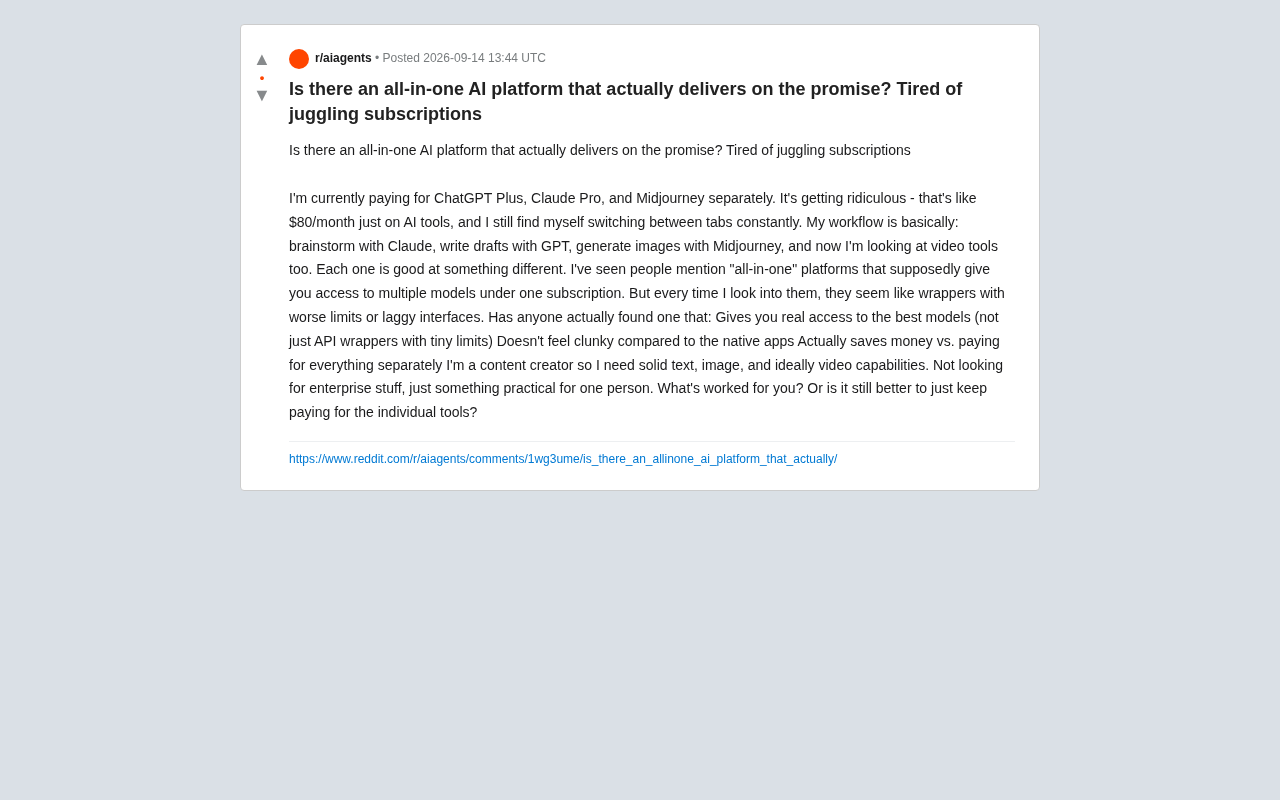
Are All-in-One AI Platforms Actually Worth It? A Practical Guide to Escaping Subscription Overload
Tired of paying for ChatGPT, Claude, and Midjourney separately? We break down whether all-in-one AI platforms are actually worth it — and what a smarter subscription stack looks like.
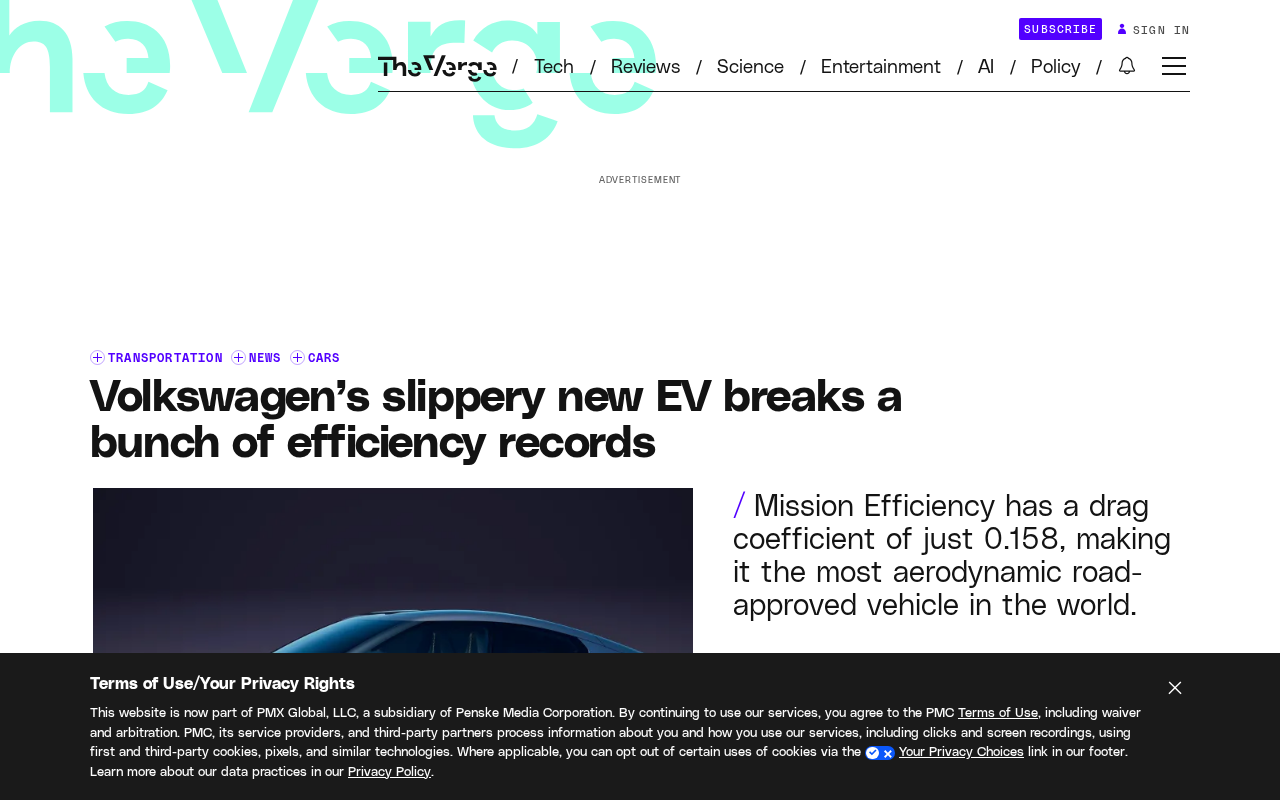
Volkswagen Mission Efficiency: The World's Lowest-Drag EV Breaks Multiple Efficiency Records
Volkswagen's Mission Efficiency prototype claims the world's lowest drag coefficient, built on MEB+ platform with ID. Polo and ID. Cross components. Here's what it means for EV efficiency.