#Agent tooling
289 related articles

·3 min
Loop Engineering Fully Deconstructed: The Paradigm Shift from Operator to System Designer
Deep dive into Loop Engineering's five building blocks: scheduling, worktrees, skills, plugins & connectors, and subagent separation, with three practical cases from minimal loops to enterprise-grade applications.
Read more →

·3 min
Vibe Coding in Practice: How Four Tools Work Together to Make AI Programming More Convergent and Controllable
Explore the four-layer AI programming architecture: SuperPrompt for project-level decomposition, Gstack for module-level code layering, and Cursor/Claude Code for execution. Master this workflow to make Vibe Coding truly engineering-grade.
Read more →

·3 min
Two Major Codex Updates: Record & Replay + Open Model Access, Targeting the Enterprise Market
OpenAI Codex launches Record & Replay and third-party model integration, supporting Claude, Gemini and private models, transforming from a coding tool into an open AI workflow platform for enterprises.
Read more →

·3 min
Java Developer's Guide to AI: Hands-On with Spring AI and RAG
A practical guide for Java developers to build AI apps without switching languages — covering LLM APIs, prompt engineering, RAG, Spring AI, and Langchain4j.
Read more →

·1 min
Swimlane: A Deep Dive into the Coding Agent Workflow CLI Tool Built on Sakana AI Fugu
An in-depth look at Swimlane, a TypeScript CLI tool designed for building coding agent workflows on Sakana AI Fugu, covering its architecture, harness framework, and orchestration capabilities.
Read more →
·4 min
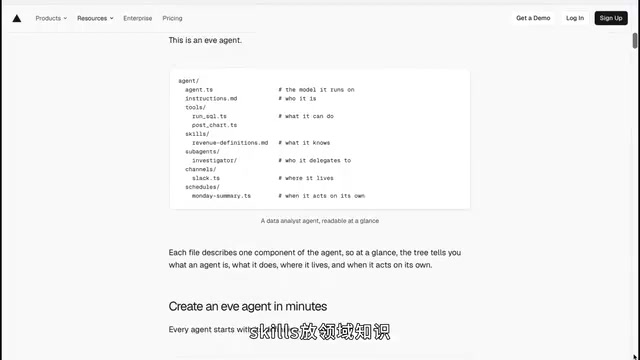
Deep Dive into Six AI Development Tools: Loop Recipe Library, Vercel Agent Framework, and More
Deep analysis of Loop workflow recipes, Vercel's open-source Agent framework, Pyker AI-native project management, Arrow P2P tool, DBX database client, and NVIDIA's Skill Spectre security tool.
Read more →

·4 min
Chrome DevTools MCP Hands-On: Using AI to Automatically Control a Browser, Write Articles, and Publish Them
Hands-on test of Chrome DevTools MCP with Claude Code: AI automatically opens a browser, writes an article, fills in tags, and publishes — full workflow breakdown with pros and cons analysis.
Read more →

·4 min
AI Code Output Up 10x — How Do You Keep Code Review from Collapsing?
When AI code generation outpaces human review, Code Review becomes the biggest bottleneck. Learn guardrail systems, architecture constraint tests, and TDD-driven Agent development strategies.
Read more →

·3 min
Cursor vs Windsurf vs Trae: An In-Depth Comparison of Three Major AI IDEs
A comprehensive comparison of Cursor, Windsurf, and Trae across five dimensions including coding, Agent autonomy, and pricing, with detailed scores and recommendations.
Read more →

·3 min
DeepSeek Open-Sources a Terminal Coding Agent: A Claude Code Alternative with 38K GitHub Stars
DeepSeek's open-source terminal coding Agent: zero dependencies, million-token context, 20 parallel sub-agents, 38K+ GitHub Stars. A detailed comparison with Claude Code.
Read more →

·3 min
Deep Dive into Claude Sonnet 4: Replicating Lovable with Just Two Prompts
Deep dive into Claude Sonnet 4: replicate Lovable with two prompts, generate McKinsey-grade reports, build 2D games, and explore the AI Agent building block economy.
Read more →

·3 min
Multi-Agent Cost-Cutting Guide: 4 Documents to Slash 60-80% of Your Token Spending
Multi-agent bills out of control? This article breaks down two core token cost pain points and provides 4 actionable documents to cut multi-agent task costs by 60-80%.
Read more →

·3 min
Cloudflare Acquires VoidZero: How the Vite Ecosystem Changing Hands Reshapes the Cloud Development Landscape
Deep analysis of Cloudflare's VoidZero acquisition: why the Vite ecosystem is key, how it fixes Cloudflare's DX gap, and what it means for cloud platform competition in the AI Agent era.
Read more →
·3 min
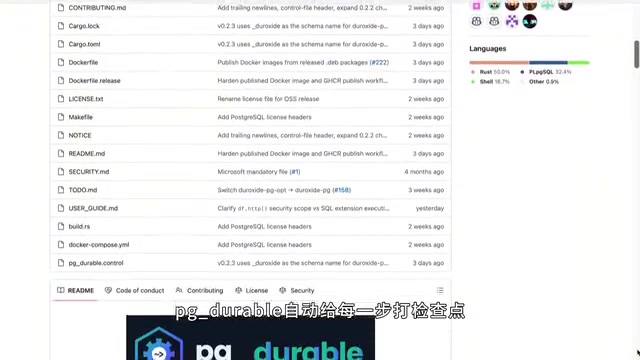
Semantic Code Diff, In-Database Workflows & Mac-Native Containers: Open Source Projects Worth Watching This Week
This week's roundup covers five open source projects: SAM semantic code diff boosting AI Agent accuracy 2.3x, Microsoft's PG Durable for PostgreSQL workflows, Apple Container, Mattermost, and Extend UI.
Read more →

·2 min
Perplexity Computer: An AI-Powered Startup Operating System to Create and Run Companies from Scratch
Perplexity CEO announces Perplexity Computer will integrate all business connectors, enabling users to create and run companies from scratch with AI.
Read more →

·2 min
AI Automated Review Becomes the Default: How a Sub-Agent Classifier Achieves 97% Accuracy
AI agent auto-review is now default for all users. A classifier subagent achieves 97% accuracy with three-tier safety decisions. Deep dive into how it works and its impact on AI safety.
Read more →
·3 min
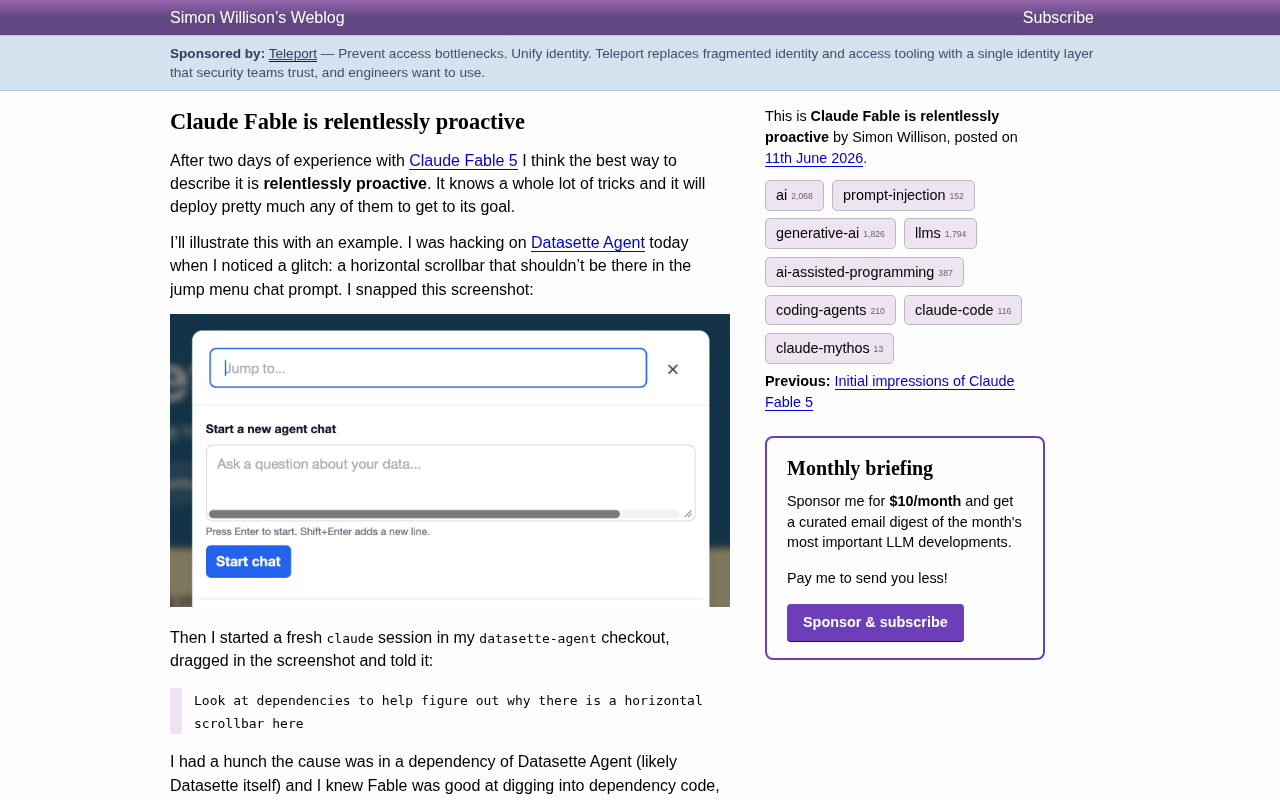
Claude Sonnet 4 Invents Its Own Browser Automation: The Wild Debugging Journey of a CSS Bug
Simon Willison shares how Claude Sonnet 4 (Fable) autonomously invented PyObjC screenshots, built a CORS server, and penetrated Shadow DOM to debug a CSS bug — revealing both tool-making power and security risks.
Read more →

·4 min
Frontier Code Deep Dive: Code That Runs ≠ Code That Merges — A Quality Revolution in Programming Benchmarks
Deep dive into Cognition's Frontier Code benchmark: why passing tests isn't enough, how six quality dimensions evaluate code, and why code quality is AI coding's next bottleneck.
Read more →

·1 min
Kiro + Firebase Full-Stack Development in Practice: A Guide to Rapid App Building with Agent Skills
Explore how AWS Kiro integrates with Google Firebase Agent Skills for full-stack development, covering Firestore, Authentication, and Cloud Functions to rapidly build applications via spec-driven development.
Read more →

·4 min
Harness Engineering: A New Software Development Paradigm Where Humans Steer and AI Agents Execute
OpenAI engineer Ryan Lopopolo introduces Harness Engineering — a methodology where humans build constraint systems and AI agents handle all code implementation.
Read more →