#CLAUDE.md rules
172 related articles

·1 分钟
Qoder Rules Feature Explained: Constraining AI Agents Like CLAUDE.md
A detailed guide to Qoder's Rules feature: creation methods, type selection, and usage tips. Learn how to persistently constrain AI Agents like CLAUDE.md for better controllability.
阅读全文 →
 科技前沿
科技前沿·2 分钟
CLAUDE.md Tops GitHub Trending: 4 Rules to Tame Your AI Coding Assistant
CLAUDE.md hits GitHub trending with 4 core rules for taming AI coding assistants: ask when unsure, don't over-engineer, stay on task, and give goals not steps. Master the new AI collaboration methodology.
阅读全文 →
 教程攻略
教程攻略·2 分钟
CLAUDE.md Loading Mechanism Explained: Hierarchical Stacking Rules and Writing Methods
Deep dive into Claude Code's CLAUDE.md path loading logic, verifying hierarchical stacking through experiments, with three writing methods and practical tips for developers.
阅读全文 →

·2 分钟
Bun Now Generates CLAUDE.md by Default: The AI-Native Development Era Has Arrived
Bun runtime now generates a CLAUDE.md file by default with bun init, signaling AI assistants becoming first-class citizens in the development toolchain.
阅读全文 →
·4 分钟
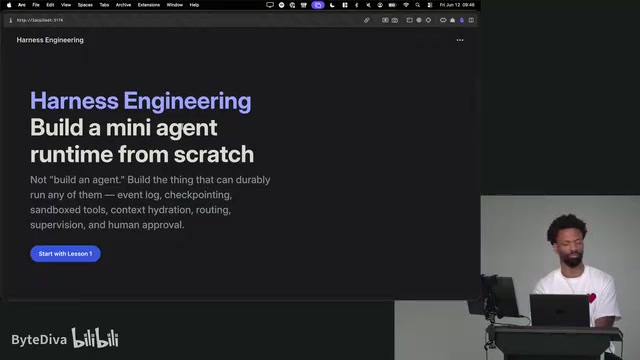
Harness Engineering: The Core Infrastructure for Taking AI Agents from Demo to Production
Deep dive into Harness Engineering: why AI Agents need memory management, durable execution, guardrails & approvals to go from demo to production.
阅读全文 →

·4 分钟
Harness Engineering: The Core Infrastructure for Taking AI Agents from Demo to Production
Deep dive into Harness Engineering: why AI Agents need memory management, durable execution, guardrails & approvals to reach production. Based on Scott Moss's workshop.
阅读全文 →

·6 分钟
Harness Engineering: From Context Engineering to the Third Phase of AI Programming
Explore Harness Engineering: the next evolution beyond context engineering for AI programming. Learn how to build enterprise-grade Skill systems and deliver real projects with mid-tier models.
阅读全文 →

·4 分钟
Complete Guide to Pi Coding Agent: Core Usage and Extension Techniques for a Minimalist Terminal AI Coding Tool
Complete guide to Pi coding agent: design philosophy, installation, shortcuts, session management, and 7-layer customization architecture. How this 45K-star minimalist terminal tool redefines AI coding workflows.
阅读全文 →

·4 分钟
Advice from the Creator of Claude Code: Automation Is an Engineer's True Moat
Claude Code creator Boris argues top engineers should embrace AI-era automation leverage. By encoding domain knowledge into infrastructure, preview environments, and lint rules, engineers multiply output—the core path to Staff Engineer.
阅读全文 →
·2 分钟
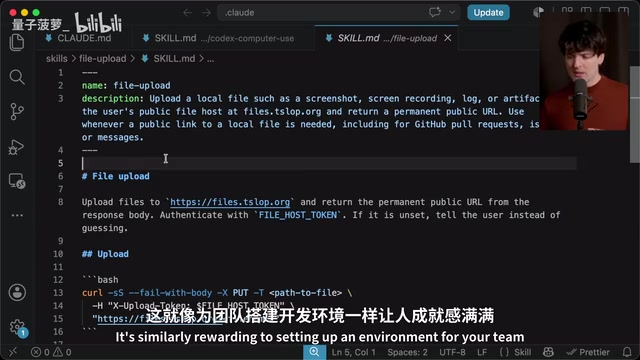
The Age of AI Coding: Why Tinkering Engineers Are Worth More Than Ever
Claude Code creator Boris and developer Theo reveal: in the AI Agent era, tinkering habits like automation, building small tools, and writing CLAUDE.md are becoming the core edge for reaching Staff engineer level.
阅读全文 →

·2 分钟
Claude Code Skills in Practice: Packaging AI Skills to Auto-Generate Test Cases
Through a complete case of auto-generating test cases from requirement docs, this article explains Claude Code's Agent Skills packaging mechanism—turning proven AI workflows into reusable skills with on-demand loading.
阅读全文 →

·7 分钟
Getting Started with Claude Code: Five Dimensions to Understand Why It Outperforms Regular AI
Claude Code isn't just a chat AI—it can directly read projects, modify code, and run commands. This article compares Claude Code with regular AI across five dimensions to help you decide if it's worth trying.
阅读全文 →

·7 分钟
Getting Started with Claude Code: Five Dimensions That Show Why It Outperforms Ordinary AI
Claude Code isn't just a chat AI—it can directly read projects, modify code, and run commands. This article compares Claude Code with ordinary AI across five dimensions: interaction, context, execution, memory, and tool calling.
阅读全文 →

·4 分钟
Vibe Coding vs. AI-Assisted Engineering: An In-Depth Look at Enterprise-Level Development
Can AI coding tools let non-developers replace programmers? This deep dive examines Vibe Coding's real limits, compares Claude Code vs. Codex, and reveals the methodology behind enterprise-grade AI-assisted software engineering.
阅读全文 →

·5 分钟
The Complete Claude Code Guide: Installation, Core Features, and Advanced Workflows
An in-depth guide to Anthropic's Claude Code agentic coding tool, covering installation, pricing plans, model selection, token management, CLAUDE.md global memory, MCP integration, Subagents, and more.
阅读全文 →
·5 分钟
Advanced Claude Code in Practice: Building a Top-Tier AI Development Workflow
In-depth analysis of Claude Code customization methodology: from access, knowledge injection to tooling. Master context window management, zero-overhead Hooks, and MCP & Skills plugin primitives to build a scalable AI software engineering workflow.
阅读全文 →

·4 分钟
Cross-Platform AI Agent Setup Guide: Breaking Free from Vendor Lock-In for Good
Model performance gaps are closing. Real competitive advantage lies in portable AI agent architecture. Learn how to build a workspace that works across Claude Code, Codex, and beyond — no vendor lock-in.
阅读全文 →

·4 分钟
7 Core Components for Designing Long-Running AI Agents
A deep dive into the 7 core components for building long-running AI Agents: Goal, Evaluator, Verifier, Loop, Orchestration, Observability, and Memory.
阅读全文 →

·4 分钟
Claude Code Getting Started: Environment Setup, Core Commands, and Git Workflow Automation
A practical guide to Claude Code covering installation, Chinese LLM switching, project analysis, key commands, and conversational Git workflow automation for developers.
阅读全文 →

·4 分钟
AI-Powered Automated Testing: Using Pytest + MCP to Tackle Non-Determinism
Deep dive into AI-era automated testing: using Pytest + Playwright + MCP for stable automation, constraining code conventions with Skills, avoiding non-determinism and high token costs. Includes real debugging war stories.
阅读全文 →