#Git Work Tree
868 related articles
 Product Reviews
·3 min
Cursor 2.0 In-Depth Review: Five Major New Features Including Custom Model, Multi-Agent Parallelism, and More
In-depth analysis of Cursor 2.0's five core updates: custom Composer model speed tests, Git Worktrees multi-agent parallel development, built-in browser, and a three-model comparison of Claude, GPT-5, and Composer.
Read more →
 Tutorials
·3 min
Cursor Interface Fully Explained: Master the Four Core Workspaces from Scratch
A detailed guide to Cursor's four core workspaces: File Explorer, Code Editor, Terminal, and AI Chat Panel. Learn Agent mode, Ask mode, Git version control, and key settings for beginners.
Read more →
 Industry Insights
·3 min
Warp Bets on GPT-5.5: How AI Coding Agents Are Reshaping Open-Source Development Workflows
Warp deeply integrates GPT-5.5 to build cross-environment AI coding agents spanning local terminals, cloud deployment, and open-source collaboration. Explore its architecture, open-source strategy, and differentiation from GitHub Copilot.
Read more →
 Industry Insights
·3 min
How Jane Street Built a Custom AI Programming Toolchain for OCaml
Jane Street's AI team details how they built a custom LLM toolchain for OCaml, covering workspace snapshot training data, RL with code evaluation, and the AID editor architecture.
Read more →
 Product Reviews
·3 min
GPT 5.5 vs Claude Code vs DeepSeek V4: Hands-On Comparison of Three Top Coding Models
Hands-on comparison of GPT 5.5, Opus 4.7 (Claude Code), and DeepSeek V4 Pro through a 3D flight simulator and WebGPU shader test — covering coding ability, pricing, and real-world performance.
Read more →
 Industry Insights
·3 min
US vs. China AI Computer Control Divergence: Why Programming Tools Still Haven't Integrated GUI Agents
AI computer control success rates surpass humans, yet Cursor and Copilot still lack GUI Agent integration. Deep analysis of US product packaging vs. China's open-source ecosystem, plus three bottlenecks blocking the path to autonomous software engineers.
Read more →
 Industry Insights
·2 min
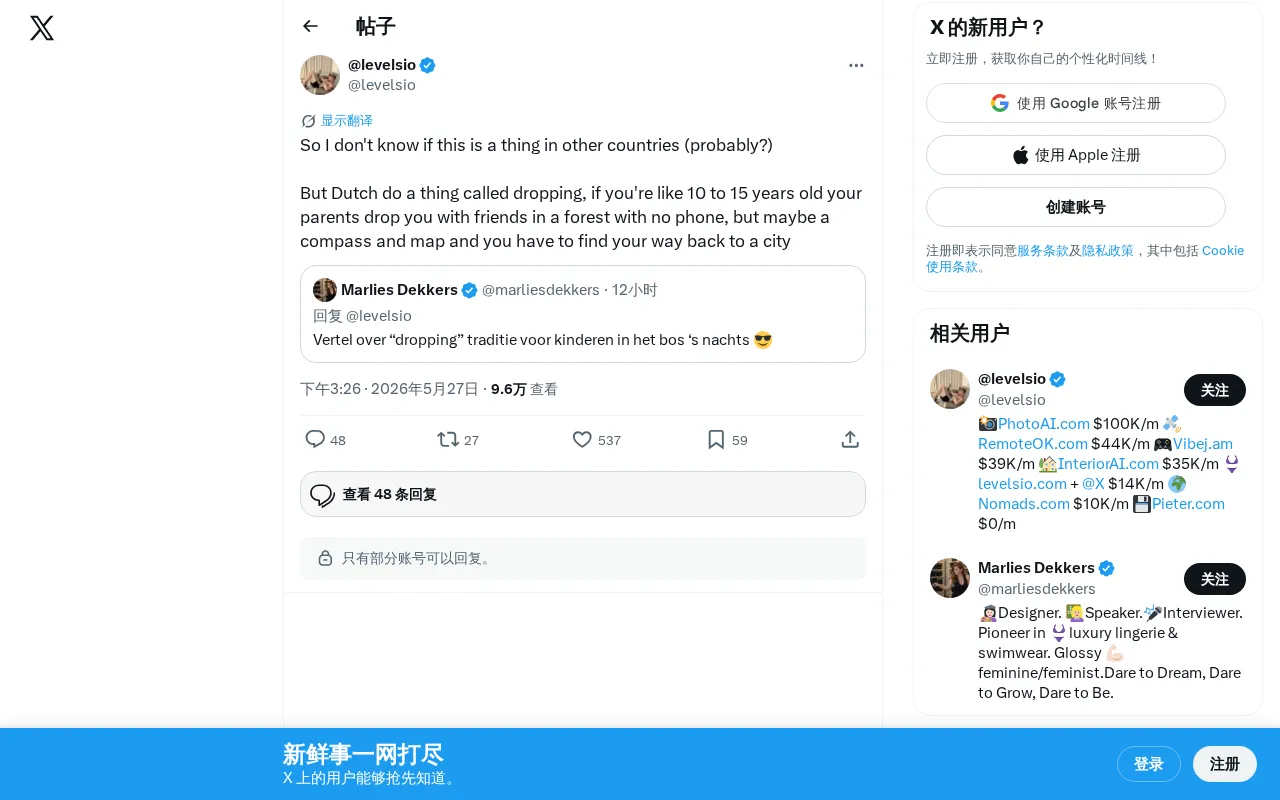
The Dutch Dropping Tradition: Leaving Kids in the Forest to Teach a Lesson for the Digital Age
The Dutch tradition of Dropping has teens navigate forests without phones or GPS. This seemingly hardcore approach reveals deep lessons about offline survival skills, spatial cognition, and teamwork in the AI age.
Read more →
 Tutorials
·2 min
PyCharm AI Assistant Deep Dive: Local Completion, Edit Mode & Practical Tips
Explore PyCharm AI Assistant's new features: free local AI completion, cloud-powered generation, Chat & Edit modes, and context management tips for Python developers.
Read more →
 Product Reviews
·2 min
Link CC MCP Plugin: 78 Tools That Let AI Directly Control Cocos Creator to Build Games
Link CC MCP plugin integrates AI with Cocos Creator via MCP protocol, offering 78 automation tools for scene creation, node management, and component binding to build games from natural language.
Read more →
 Tutorials
·3 min
LangGraph Multi-Agent Architecture: Graph Structure Principles and Enterprise-Level Implementation Guide
Deep dive into LangGraph's core graph structure design, single and multi-agent collaboration patterns, MCP protocol integration, and Time Travel fault-tolerance, with enterprise-level hybrid multi-agent architecture implementation.
Read more →
 Product Reviews
·3 min
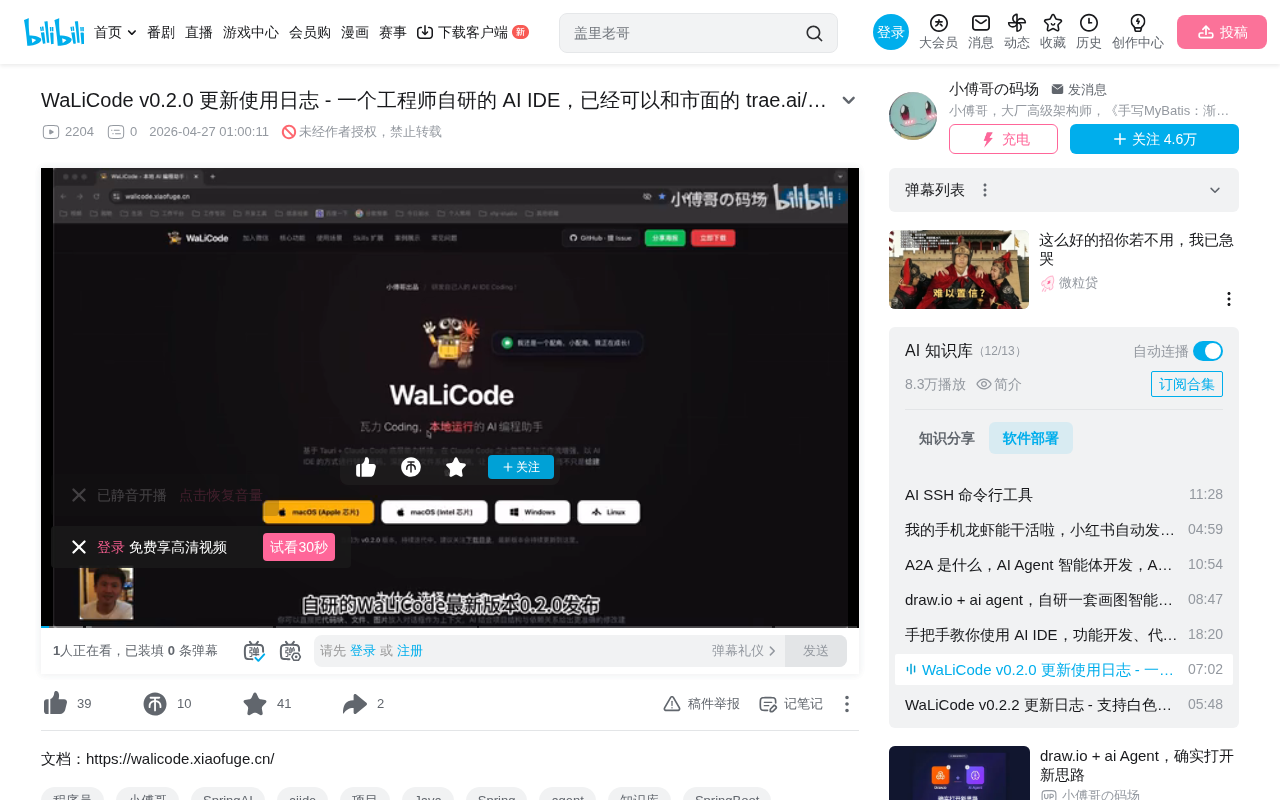
WaLiCode v0.2.0: Indie AI IDE Adds Multi-Project Chat and Task Decomposition
Indie developer releases AI IDE WaLiCode v0.2.0 with multi-project chat, task decomposition mode, and Ollama local model support, addressing pain points in mainstream AI IDEs.
Read more →
 Product Reviews
·3 min
Cursor 3.0 Deep Dive: Rust Rewrite, In-House Model & Agent Orchestration Platform Fully Explained
Deep analysis of Cursor 3.0's three core upgrades: Rust rewrite leaving VS Code behind, in-house Composer 2 model with 86% cost reduction, and Agent Windows for multi-agent parallel development.
Read more →
 Tutorials
·3 min
Cursor 1.0 Getting Started Guide: Complete Workflow from Installation to MCP Setup
Complete guide to Cursor 1.0: installation, Chinese setup, MCP configuration, and AI Agent tips. From download to folder management, model selection, and file referencing for beginners.
Read more →
 Product Reviews
·3 min
OpenHands Deep Dive: How an Open-Source AI Coding Agent is Redefining Software Development
Deep dive into OpenHands, an open-source AI coding agent platform covering architecture design, sandboxed code execution, and multi-tool orchestration, compared with Copilot, Devin, and more.
Read more →
 Product Reviews
·1 min
Tasi Harness: Local AI Agent for Browser Automation
Tasi Harness is a locally deployed AI Agent browser automation tool that drives browsers via natural language to complete searches, data collection, and form filling. A deep dive into its features, technical highlights, and use cases.
Read more →
 Tutorials
·2 min
Claude Code Sub-Agent: A Practical Guide to Multi-Agent Collaboration for Enhanced Development Efficiency
Deep dive into Claude Code Sub-Agent mechanism with a practical blog writing + Git commit case study, showing how multi-agent collaboration solves instruction loss and context bloat issues.
Read more →
 Tutorials
·3 min
Godot MCP + Codex in Practice: Using AI to Auto-Generate an Endless Runner Game
Learn how to integrate Godot MCP with OpenAI Codex to control the game engine via natural language, with a full walkthrough from setup to auto-generating an endless runner scene.
Read more →
 Tutorials
·3 min
Codex Desktop App Hands-On Tutorial: 15 Use Cases from Beginner to Advanced
A detailed guide to 15 core use cases for OpenAI's Codex desktop app, covering file management, website development & deployment, browser control, Computer Use, Skills, MCP services, and automation.
Read more →
 Industry Insights
·2 min
Enterprise Agent Implementation Guide: From Digital Foundations to Intelligent Transformation
How can enterprises truly implement AI Agents? This guide covers digital foundations, AI strategy, building logic shifts, and implementation paths for successful Agent deployment.
Read more →
 Tutorials
·3 min
Complete Breakdown of Andrew Ng's Agent Course: A Practical Guide to the Five Core Modules of AI Agent Development
Deep dive into Andrew Ng's viral AI Agent course covering five core modules: Reflection, Planning, Tool Use, Multi-Agent Collaboration, and Memory, with practical learning paths for LLM agent development.
Read more →