#GitOps database
10 related articles

·6 min
Harness Engineering: From Context Engineering to the Third Phase of AI Programming
Explore Harness Engineering: the next evolution beyond context engineering for AI programming. Learn how to build enterprise-grade Skill systems and deliver real projects with mid-tier models.
Read more →

·3 min
Best Docker Compose Management Alternatives After Dockge Goes Inactive
Dockge development has stalled. Compare top Docker Compose management alternatives including Komodo, Portainer, and Dozzle to find the best fit for your self-hosted setup.
Read more →

·3 min
Farewell to a Decade-Old VPS: Technical and Emotional Insights from Retiring an Old Server
A tweet saying "rest well, old friend" resonated across the tech community. This article explores VPS lifecycle management, best practices for retiring old servers, and the unique emotional bond between engineers and infrastructure.
Read more →

·5 min
From Prompts to Harness Engineering: The Evolution of AI Agent Development Paradigms
Why has AI engineering methodology evolved from prompts to context engineering and now Harness engineering? This article examines three paradigms, key bottlenecks, and the Agent = Model + Harness formula.
Read more →
·6 min
Understanding the Limits of Vibe Coding: A Practical Guide to AI Engineering-Grade Programming
An in-depth look at the difference between Vibe Coding and AI engineering-grade programming. Can AI replace programmers? From Claude Code and Codex to Cursor, revealing the real limits, enterprise pain points, and engineering solutions of AI coding tools.
Read more →

·7 min
Free Mermaid Diagram Editor: An Essential Code-Based Diagramming Tool for Developers
Explore the core features and use cases of the free Mermaid Diagram Editor. Supporting flowcharts, sequence diagrams, Gantt charts and more, it follows the 'diagrams as code' philosophy to enable version-controlled technical documentation for developers and architects.
Read more →
·7 min
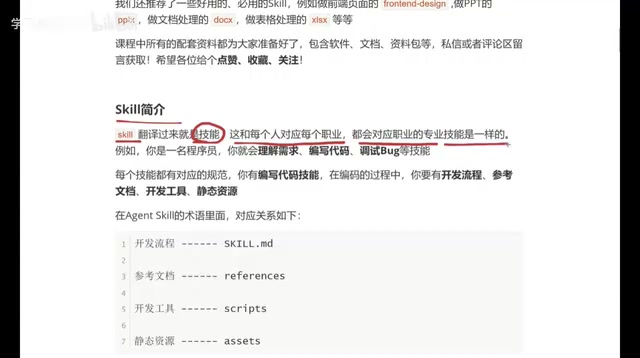
The Complete Guide to Agent Skills: Principles, Structure & Practical Applications
Deep dive into AI Agent Skills: SKILL.md file structure, four component modules, differences from prompts, and practical scenarios for frontend generation, PPT creation, and more.
Read more →

·6 min
Gas Town: A Multi-Agent Workspace Manager Built in Go
Gas Town is an open-source multi-agent workspace manager built in Go with 16,000+ GitHub Stars. This article analyzes its architecture, Go language advantages, and typical multi-agent collaboration scenarios.
Read more →

·4 min
Ponytail: The Lazy Philosophy That Teaches AI to Write 90% Less Code
Deep dive into how GitHub's trending project Ponytail uses YAGNI principles, NCP protocol, and declarative scheduling to constrain AI coding assistants, cutting 90% of redundant code.
Read more →
 Tutorials
·2 min
How AI Development Platforms Unify Database Script Management: From Chaos to Standardization
Explore how AI development platforms solve database script management challenges through unified archiving, standardized generation, version tracking, and incremental upgrades.
Read more →