#SMS
2447 related articles
·3 min
GrapheneOS Lock Screen Defense Mechanisms Explained: How It Resists Data Extraction by Forensic Tools
Explore how GrapheneOS defends against forensic tools like Cellebrite through auto-reboot, USB port controls, and hardware-backed brute force protection to safeguard locked device data.
Read more →

·4 min
Loop Engineering Explained: Agent Loop Mechanisms and the New Paradigm of AI Agent Development
Deep dive into Loop Engineering: from Agent Loop principles and While loops to Graph structures, covering loop efficiency optimization and termination strategies for AI agent development.
Read more →

·4 min
Deep Dive into Cursor Refill Plugins: Pay-Per-Use Billing and Account Pool Scheduling Mechanisms
Deep analysis of Cursor refill plugin architecture: how clean account pool scheduling replaces cracking tools, the business logic of 35% pay-per-use pricing, and compliance risks developers should consider.
Read more →

·3 min
Deep Dive into Claude Code's Source Architecture: Harness Engineering and Seven Core Mechanisms
Deep analysis of Claude Code's leaked source architecture, covering TypeScript stack choices, Harness architecture's seven core mechanisms, tool call management, and context optimization.
Read more →

·3 min
Testing DeepSeek's Safety Mechanisms: Multiple Jailbreak Attempts Successfully Blocked
An overseas security blogger systematically tested DeepSeek's jailbreak resistance using direct requests, rephrased prompts, and varied strategies. Results show robust intent recognition, consistent blocking, and context-aware safety mechanisms.
Read more →

·3 min
The Complete Guide to Cursor Model Selection, Context, and Token Mechanisms
A detailed guide to Cursor AI's model selection (Auto/Max Mode/Compose 2.5 Fast), Context panel metrics, and token billing mechanisms to help developers use Cursor efficiently.
Read more →
·2 min
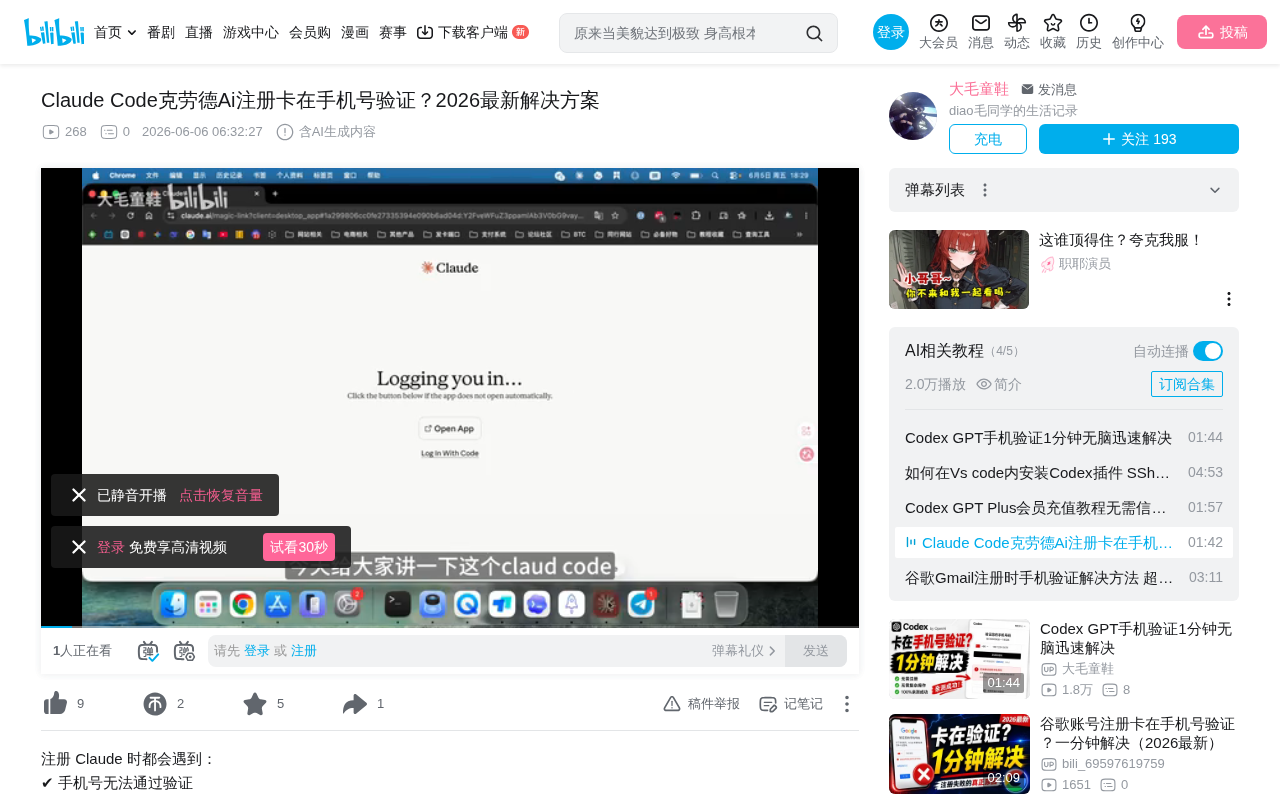
Claude Phone Number Verification Failed? SMS Receiving Platform Solutions
Guide to solving Claude registration phone verification failures using online SMS receiving platforms. Get a temporary foreign number and complete verification in 5 steps.
Read more →

·4 min
AI Agent Global Variable Pool & Memory Mechanisms: A Practical Guide to Workflow Node Data Passing
Deep dive into global variable pool design for AI Agent development, covering three memory types, variable scoping, node execution architecture, and placeholder variable replacement workflows.
Read more →

·2 min
AI Agent Permission Management: How Sandboxing Mechanisms Limit Potentially Destructive Operations
An in-depth look at AI Agent sandboxing for permission management — how OpenAI uses execution isolation, resource limits, and progressive trust models to contain potentially destructive operations.
Read more →

·4 min
OpenAI Swarm Framework Explained: The Core Mechanisms of Function Call and Handoff
Deep dive into OpenAI Swarm multi-agent orchestration framework, explaining Function Call tool invocation and Handoff task transfer mechanisms with local deployment guide.
Read more →
 Tutorials
·1 min
Getting Started with Agent Development: 3 Agent Types × 8 Core Mechanisms Fully Explained
A complete breakdown of AI Agent development: 3 agent types (autonomous, collaborative, orchestration-based), 8 core mechanisms, a 5-stage learning path, and framework selection guidance.
Read more →
 Deep Dives
·4 min
Core Principles of the Transformer Architecture: A Deep Dive into Self-Attention Mechanisms and Engineering Optimizations
Deep dive into Transformer architecture covering self-attention QKV mechanics, Encoder-Decoder structure, Flash Attention memory optimization, RoPE positional encoding, and GQA inference acceleration.
Read more →
 Tutorials
·3 min
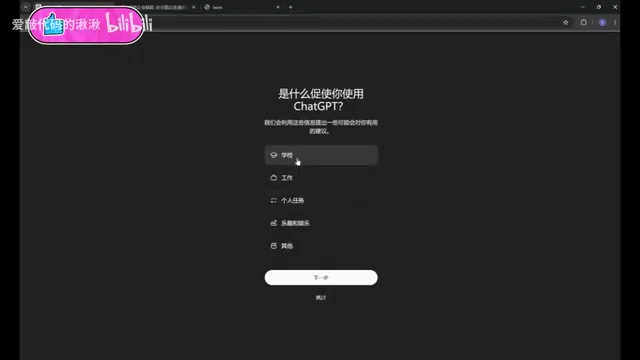
ChatGPT Codex Phone Verification Solution (With SMS Platform Step-by-Step Guide)
Complete guide to solving ChatGPT Codex phone verification using the WooSIM SMS platform. Step-by-step tutorial covering overseas number acquisition, IP matching, and common pitfalls.
Read more →
 Product Reviews
·2 min
Sendly Review: The First AI-Native SMS Platform with 5-Minute Integration
Sendly is an AI-native SMS platform designed for AI Agents with 5-minute integration. This review analyzes its positioning, technical features, advantages over Twilio, and market outlook.
Read more →

·2 min
Kimi K3 Launches on Telnyx Inference API: A New Path for Chinese LLMs Going Global
Moonshot AI's Kimi K3 is now available on Telnyx Inference API. Explore how Chinese LLMs are entering global developer ecosystems through third-party inference platforms.
Read more →

·4 min
Getting Started with AI Agent Development: A Complete Guide from Concept to Practice
A comprehensive guide to AI Agent architecture and development, covering automated marketing, intelligent customer service, and investment analysis scenarios with single and multi-agent collaboration.
Read more →

·3 min
A Beginner's Guide to AI Agents: Two Learning Paths for Developers and Practitioners
How to learn AI Agents from scratch? This guide covers two clear paths: developers go from Python to LLMs to open-source framework source code; practitioners use Claude Code or similar tools to get results fast.
Read more →

·3 min
Three Essential Hard Skills Traditional Product Managers Need to Transition into AI PM
How can traditional product managers transition to AI PM? This article analyzes the essential differences and details three must-have skills: AI product cognition, advanced Prompt engineering, and large model technical logic.
Read more →

·3 min
Google Accused of Illegally Retaining User Data: The Deeper Battle Behind Personal Privacy Lawsuits
Google faces legal action over alleged illegal retention of customer data. Analysis of compliance boundaries, historical privacy penalties, individual advocacy challenges, and how users can protect their data rights.
Read more →

·3 min
Netflix Trust Exercise Turns Into Firing Trap: Where Are the Boundaries of Corporate Trust?
A Netflix employee was fired after sharing private info in a trust exercise. We analyze the risks of corporate trust exercises and how employees can protect themselves.
Read more →