#deep agents
3198 related articles

·2 min
TradingAgents: A Deep Dive into the Multi-Agent LLM Financial Trading Framework
Deep analysis of the TradingAgents open-source project: a multi-agent LLM collaborative framework for financial trading decisions. Explore its architecture, roles, implementation, and limitations.
Read more →

·3 min
OpenChamber: A Deep Dive into the Development Runtime Environment Built for AI Agents
Deep dive into OpenChamber's agentic development environment design and core capabilities. Learn why AI agents need dedicated isolated sandboxes and observable execution spaces.
Read more →
·3 min
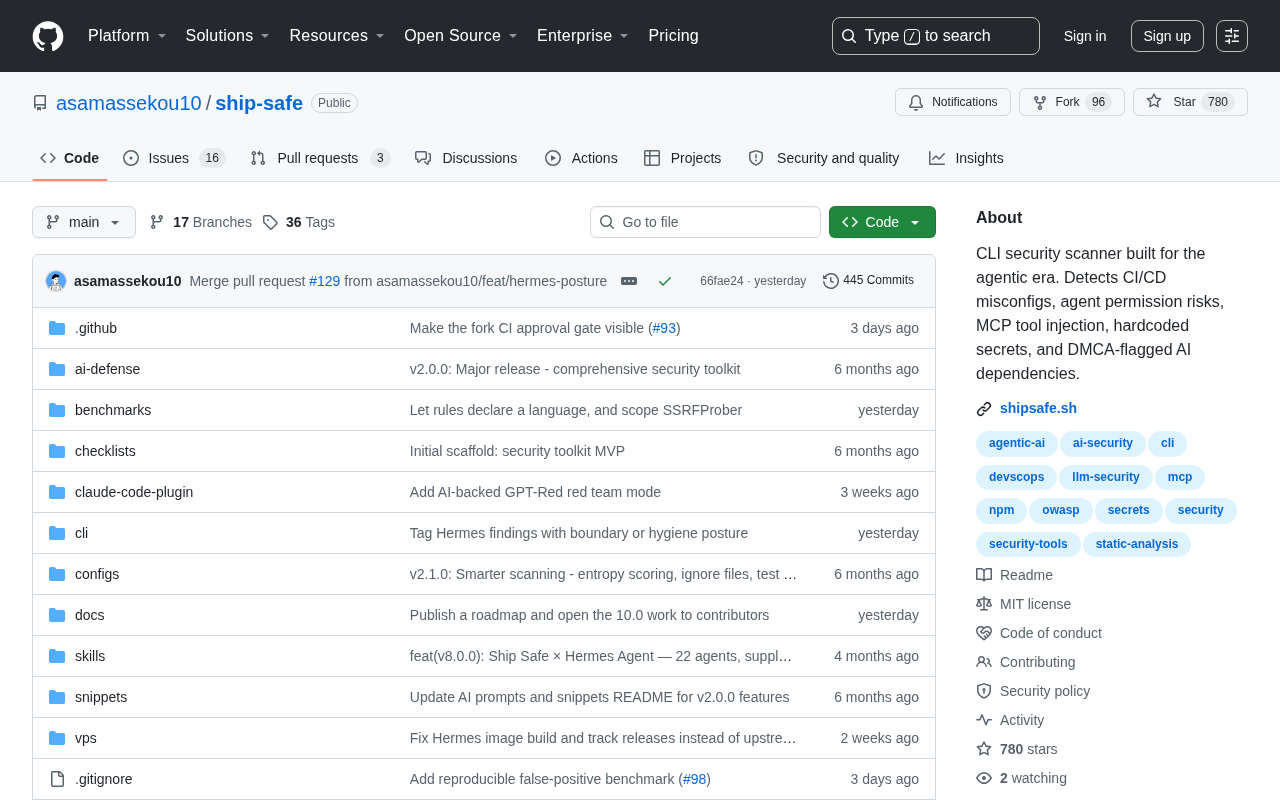
Ship Safe: A Deep Dive into the Open-Source Security Scanner for AI Coding Agents
Deep dive into how Ship Safe provides security scanning for AI coding agents, exploring agent security challenges, closed-loop feedback, and enterprise guardrails.
Read more →

·1 min
TrainZilla Deep Dive: How AI Agents Run a Fitness Coaching Business
TrainZilla redefines fitness coaching with Agentic AI: dual-sided market AI layers, AI Coach subscriptions, and an open MCP server with 23 tools for external AI Agents.
Read more →

·3 min
Deep Dive into Microsoft's AI Strategy: From Copilot to Autonomous Agents
Deep analysis of Microsoft's AI strategy: from OpenAI investment and Copilot ecosystem to autonomous agents, examining how Microsoft builds full-stack advantages in the tech giant AI race.
Read more →

·4 min
Why CodeAct Code-First Agents Haven't Won Yet: A Deep Dive into the Paradigm's Dilemma
Deep analysis of why CodeAct code-first agents haven't replaced ReAct chat-first frameworks. Examining model training bias, protocol limitations, MCP design flaws, and sandbox challenges.
Read more →

·3 min
Cloudflare Wallets: A Deep Dive into Programmable Wallets for AI Agents
Deep analysis of how Cloudflare Wallets provides AI agents with programmable wallets, spending controls, and machine-friendly payments to solve the payment challenges of the agentic economy era.
Read more →

·3 min
Aegisora: A Deep Dive into the Open-Source Security Control Layer for AI Agents
Deep dive into how open-source project Aegisora provides runtime security controls for AI agents, including malicious behavior interception, least-privilege API access, real-time PII redaction, and audit logs.
Read more →

·3 min
LangChain Managed DeepAgents: Hosted Agent Infrastructure So You Can Focus on Core Logic
LangChain launches Managed DeepAgents public beta, hosting evals, memory, OAuth, Slack integration, and sandbox infrastructure so developers can focus on Agent core logic.
Read more →

·2 min
Deep Dive into the LangChain Ecosystem: A Guide to LangGraph, deepagents, and LangSmith Collaboration
A deep analysis of three core LangChain ecosystem components: LangGraph stateful agent orchestration, deepagents deep agent paradigm, and LangSmith observability platform for production AI apps.
Read more →

·3 min
Cekura: A Deep Dive into the Automated Testing, Monitoring, and Self-Healing Closed-Loop Platform for Voice AI Agents
Deep analysis of how Cekura's five-step closed loop—scenario simulation, failure capture, root cause diagnosis, automatic prompt rewriting, and regression verification—solves voice AI agent quality assurance in production.
Read more →

·2 min
DeepAgents in Practice: A Deep Dive into Sandbox Backends and Agent Skills
A deep dive into DeepAgents' sandbox backend and Agent Skills: why Agents need sandboxes to isolate code execution, how Skills enable modular capability reuse, and how the two work together to build reliable AI Agent systems.
Read more →

·2 min
DeepAgents in Practice: A Deep Dive into Sandbox Backends and Agent Skills
A deep dive into DeepAgents' sandbox backend and Agent Skills: why Agents need sandbox isolation to run code, how Skills enable modular capability reuse, and how the two combine to build reliable AI Agent systems.
Read more →

·3 min
LangChain v1.3 Hands-On Tutorial: Deep Dive into Agents, RAG, and Local Model Deployment
Deep dive into LangChain v1.3: compare LangChain, LangGraph, and DeepAgent paradigms, explore RAG pipelines, multi-agent systems, and local LLM deployment for enterprise AI apps.
Read more →

·2 min
Complete Tutorial: Building Agents and Personal Knowledge Bases with DeepSeek
A complete guide to building AI agents with DeepSeek R1: private knowledge bases using RAG, basic/advanced agent implementation, and Coze/Dify workflow tutorials.
Read more →

·3 min
DeepAgents in Practice: A Complete Guide to Building a HarmonyOS Automated Testing Agent
A deep dive into DeepAgents' core mechanisms, with a hands-on guide to building a HarmonyOS automated testing Agent — covering create_deep_agent, LangChain comparison, and long-chain task planning.
Read more →

·4 min
AI Agents Automating JS Reverse Engineering: A Deep Dive into the New Paradigm for Web Scraping
AI agents are revolutionizing JS reverse engineering. This deep dive covers built-in tool chains, automation modes, prompt engineering for e-commerce, and full pipeline automation from parameter extraction to database storage.
Read more →
·5 min
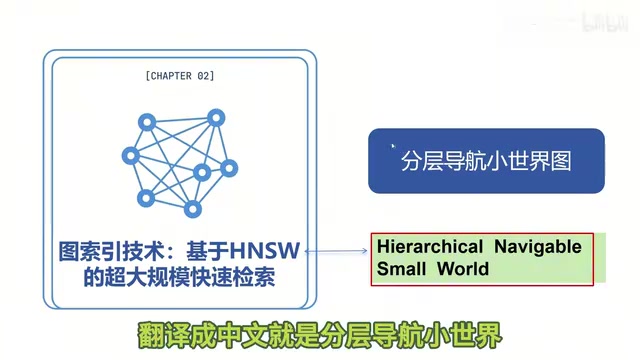
A Deep Dive into Vector Search for AI Agents: The Technical Foundations of RAG and Long-Term Memory
An in-depth look at the core tech behind AI Agents: how the HNSW, IVF, and PQ vector search algorithms power RAG and long-term memory. Understand where a model's "memory" and "knowledge" come from.
Read more →

·6 min
A Deep Dive into OpenAI Codex: How AI Engineers Are Reimagining Software Development with Agents
OpenAI Codex is redefining how AI engineers work: from code completion to autonomous Agents, from single-threaded to parallel Value Maxing. A deep dive into the Codex App architecture, open ecosystem, and Manager of Agents practice.
Read more →

·3 min
Complete Guide to LangChain 1.3: From Models and Agents to DeepAgent Architecture
A complete guide to LangChain 1.3: LLM invocation, Agent tool calling, Harness architecture, LangGraph, RAG, and DeepAgent — build a clear, modern Agent development knowledge base.
Read more →