#deterministic testing
248 related articles

·3 min
Loopcraft Explained: Loop-Stacking Architecture Design in AI Agent Development
Deep dive into Loopcraft loop-stacking architecture for AI Agent development, covering retry, self-validation, and meta-learning loops to boost reliability.
Read more →

·2 min
Struggling to Deploy AI Agents? Engineering Is the Key to Going from Demo to Product
57% of projects have deployed AI Agents, but 40% will be killed. This article analyzes the engineering methodology for taking AI Agents from Demo to enterprise product, covering the full process from requirements to deployment.
Read more →

·4 min
AI Agent Development: A Complete 6-Week Systematic Learning Roadmap
A 6-week systematic learning roadmap for AI Agent development, covering core architecture, ReAct principles, multi-agent collaboration, RAG integration, and deployment.
Read more →

·3 min
Agent Skills: Folders as Skills — Making AI Produce Precise, Template-Based Output
Agent Skills splits AI capabilities into independent skill folders with on-demand loading and progressive disclosure, cutting token costs by 80% and reducing hallucinations for template-based output.
Read more →

·3 min
AI Large Language Models Explained: Transformer Architecture & Practical Testing Guide
Deep dive into AI large model principles, from Transformer architecture to probabilistic inference, with practical guidance on LLM applications in testing and AI testing strategies.
Read more →

·2 min
Agent Device: The Automation Tool That Lets AI Autonomously Operate and Verify on Mobile Phones
Agent Device is a CLI tool by Costec that uses accessibility snapshots to let AI coding Agents control iOS and Android devices for automated verification, script replay, and CI testing.
Read more →

·2 min
Claude Proactively Discovers Bugs in an Open-Source Library: AI Evolves from Coding Assistant to Collaborator
Simon Willison releases asyncinject 0.7, fixing bugs proactively discovered by Claude. This case shows AI evolving from passive coding assistant to active code reviewer and collaborator.
Read more →

·2 min
Andrew Ng on AI Agent Development: Evaluation and Error Analysis Are the Core Competitive Advantage
Andrew Ng argues that the core gap in AI Agent development isn't model selection — it's systematic evals and error analysis. A breakdown of his methodology.
Read more →
Loop Engineering: The Paradigm Shift f…
·3 min
Loop Engineering: The Paradigm Shift from Prompt Engineering to Automated Programming Agents
Deep dive into Loop Engineering's five core components including worktree isolation, skill files, and sub-agent separation. Explore why loop design is harder than prompt engineering.
Read more →

·4 min
OpenAI Engineer's Practice: Agent-Driven Development Methodology in the Era of Free Code
OpenAI engineer Ryan Lopopolo shares 9 months of pure AI agent coding practice, revealing core methodologies including prompt engineering, automated code review, and skill design in the new paradigm where code is free.
Read more →
·3 min
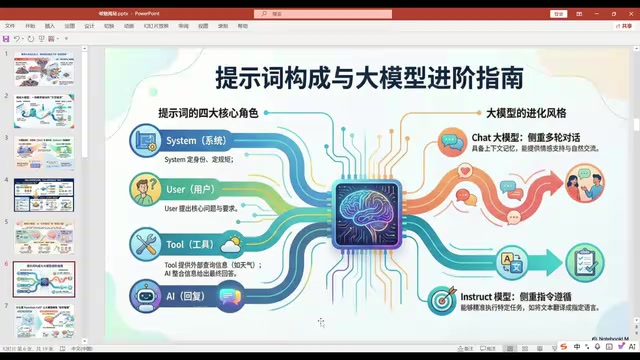
From Tokens to Agents: A Deep Dive into the Core Logic Behind AI's Key Concepts
A systematic breakdown of core AI concepts — Token, RAG, Agent, MCP, Function Call — tracing the evolution from probabilistic text prediction to autonomous agents.
Read more →
Deep Dive into the Three AI Programmin…
·3 min
Deep Dive into the Three AI Programming Frameworks: The Right Way to Do Specification-Driven Development
Deep dive into the three frameworks of Specification-Driven Development (SDD) for AI programming: Blueprint, Execution Flow, and Change Records — solving the problem of AI code going off the rails.
Read more →

·2 min
Anthropic Team in Practice: Claude Code Experience with 16 Parallel Agents Developing a Compiler
Deep analysis of Anthropic's real-world Claude Code practices: 16 parallel Agents building a C compiler, three-role architecture for full-stack apps, smart approvals solving 93% blind approval issues, and six official best practices.
Read more →

·3 min
Cursor Internal Data: 75% of Code Generated by AI, Engineers Transforming into Agent Managers
Cursor reveals internal data: enterprise AI-generated code surges from 15% to 75%, Agent requests grow 15x YoY, and 30% of PRs are completed entirely by Agents. Engineers are becoming Agent managers.
Read more →

·4 min
Agent Development Learning Roadmap: A Four-Stage Systematic Guide from Beginner to Practitioner
A systematic four-stage learning roadmap for AI Agent development, covering core concepts, classic paradigms like ReAct, multi-agent collaboration frameworks, and hands-on projects to master Agent development skills in 2-3 months.
Read more →

·4 min
Core Methodology of Prompt Engineering: A Systematic Deep Dive from Principles to Practice
A deep dive into prompt engineering principles and core methodology. Master three keys to high-quality prompts: specific, rich, and unambiguous. Learn tuning techniques and advanced programming integration.
Read more →
·3 min
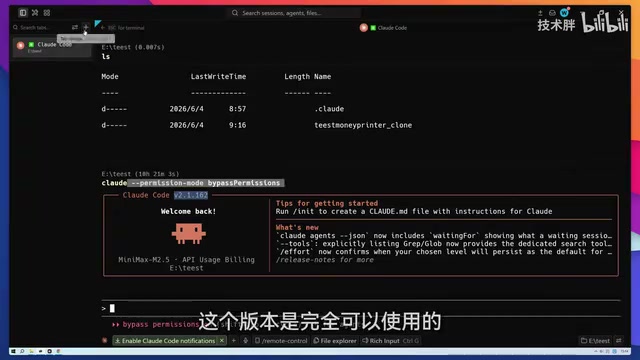
Claude Code Ultra Code in Practice: One Person Orchestrating 100+ Agents in Parallel Development
Learn how to use Claude Code's Ultra Code and Dynamic Workflow to orchestrate 100+ Agents in parallel, with Deep Research demos, token-saving tips, and workflow reuse methods.
Read more →

·3 min
Can AI Agents Replace Security Engineers? Insights from Coding Agents Reveal the Industry Truth
In-depth analysis of AI agents' real impact on cybersecurity. From chat tools to coding agents like Crawfish and Hermes, learn how AI is reshaping security engineering and how professionals should adapt.
Read more →

·2 min
datasette-fixtures: Create a Datasette Test Database with a Single Command
The datasette-fixtures plugin lets Datasette plugin developers quickly create a standard test database with a single uvx command, greatly simplifying plugin testing.
Read more →
Deep Dive into Cosmos: A Unified AI Ag…
·3 min
Deep Dive into Cosmos: A Unified AI Agent Platform That Orchestrates Agent Fleets to Boost Development Efficiency
Deep dive into Cosmos, a unified AI agent orchestration platform that integrates scattered AI agents into a coordinated system spanning the full dev lifecycle, achieving 3x throughput gains.
Read more →