#document chunking
369 related articles
 Deep Dives
·2 min
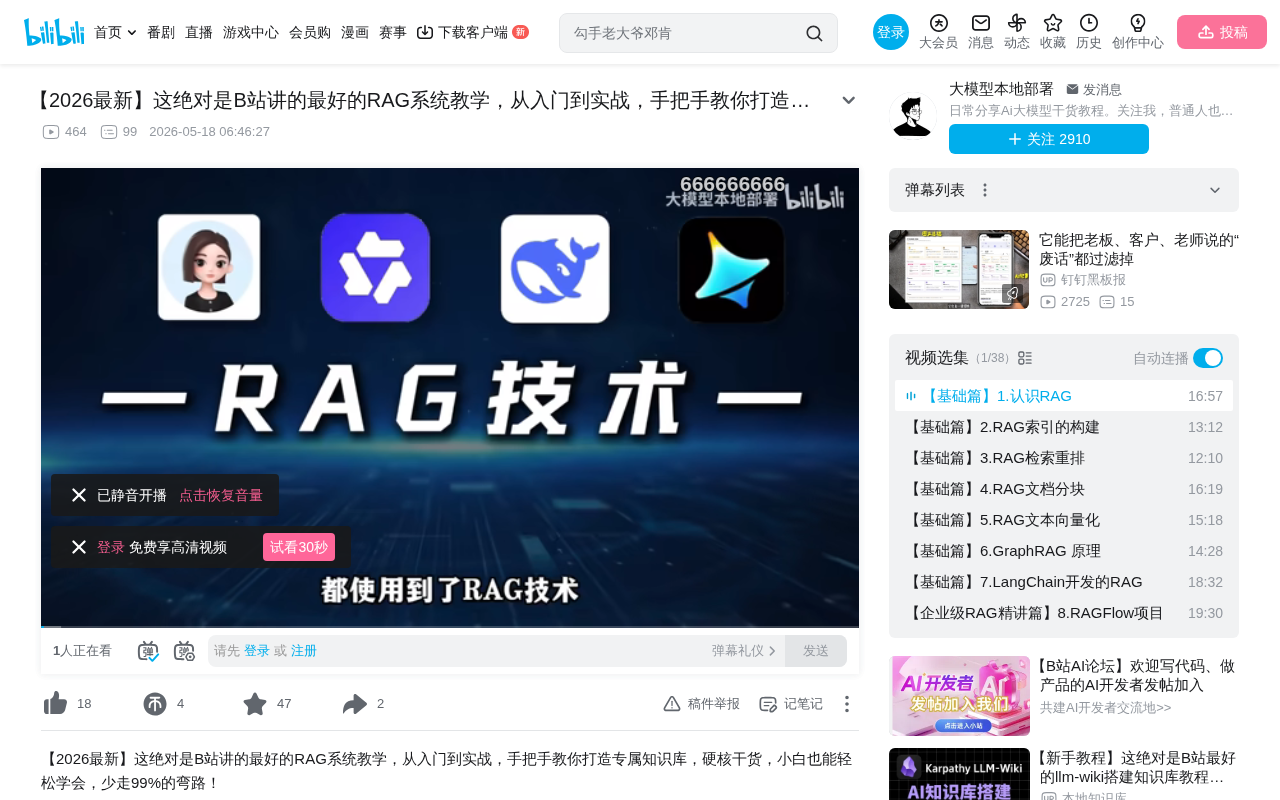
RAG System End-to-End Breakdown: From Vector Indexing to Production Optimization
A deep dive into the complete RAG pipeline — covering vector embeddings, document chunking, retrieval and reranking, plus three production optimization techniques for building accurate enterprise AI knowledge base applications.
Read more →
 Tutorials
·3 min
Dify Local Deployment Tutorial: Setting Up an AI Development Platform from Scratch with BT Panel + Docker
Step-by-step tutorial on deploying Dify locally using VMware, Ubuntu, BT Panel, and Docker. Covers environment setup, common error fixes, and next steps for building AI apps.
Read more →
 Tutorials
·3 min
Zero2Agent: An Open-Source Job Interview Prep Tutorial for Agent Engineer Positions at Top Tech Companies
Zero2Agent is an open-source interview prep tutorial covering Agent fundamentals, LangGraph/Claude Code analysis, interview question banks, and coding practice tools for landing Agent engineer roles at top tech companies.
Read more →
 Tutorials
·4 min
Zion No-Code Platform: A Complete Hands-On Tutorial for Building AI Agents with Drag-and-Drop
Learn how Zion's no-code platform lets you build AI agents via drag-and-drop, with a hands-on prompt optimization assistant tutorial covering knowledge base integration, UI building, and API access.
Read more →
 Industry Insights
·4 min
In-Depth Analysis of the AI Large Model Job Market: Two Core Directions and Future Trends
In-depth analysis of the AI large model job market, breaking down the two core directions—algorithm research and engineering deployment—covering requirements, barriers, and career prospects.
Read more →
 Tutorials
·4 min
Practical Guide to Building a Local AI Knowledge Base with Qwen3.5 + RAGFlow + Ollama
Step-by-step guide to building a local RAG knowledge base using RAGFlow, Ollama, and LM Studio with Docker, covering Embedding model deployment and network troubleshooting for private AI Q&A.
Read more →
 Tutorials
·3 min
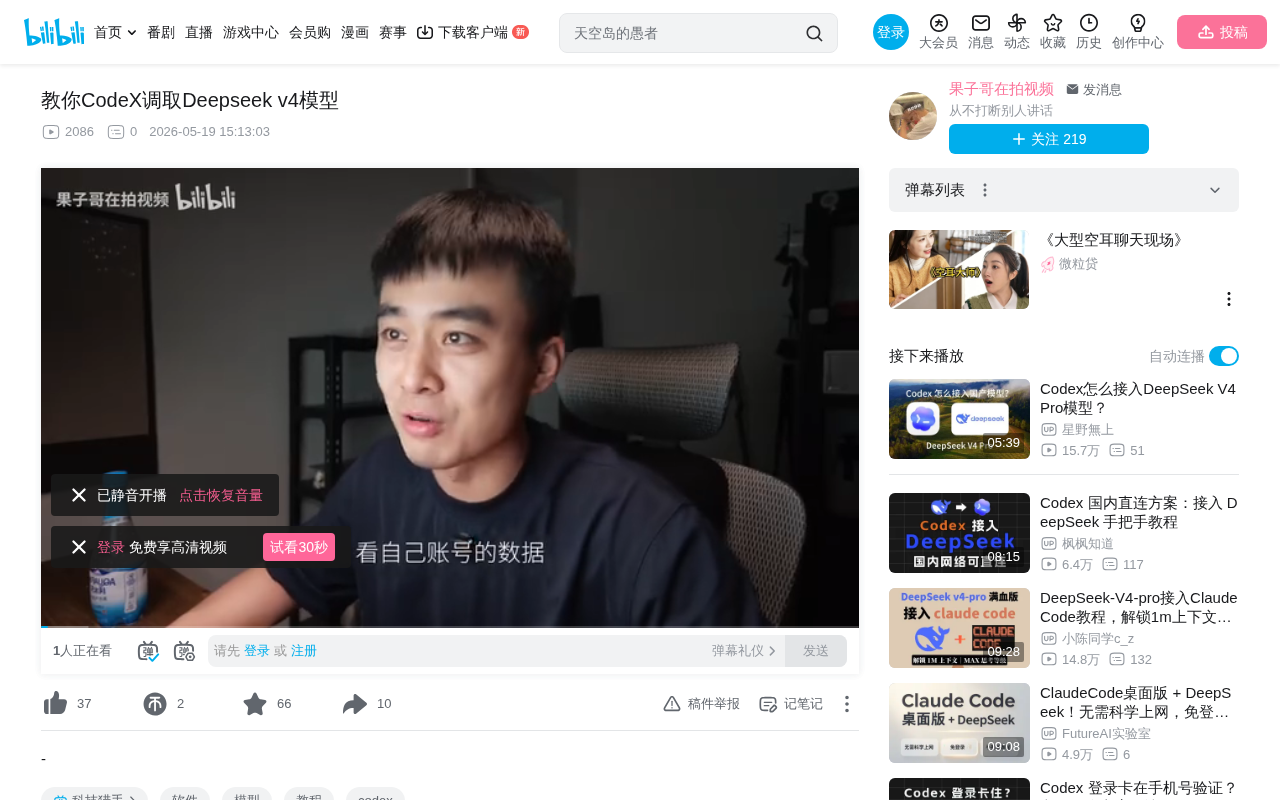
Complete Guide to Connecting Codex with DeepSeek V4: API Configuration & Plugin Unlock
Complete guide to connecting Codex with DeepSeek V4 via CC Switch relay, including API Key setup, channel configuration, and plugin unlock steps for cost-effective AI programming.
Read more →
 Tutorials
·1 min
AI Agent Learning Roadmap: A Complete Guide from LLM Fundamentals to Enterprise-Level Project Implementation
A systematic AI Agent learning roadmap covering Python setup, Prompt Engineering, RAG, LangChain, multi-Agent collaboration, with enterprise medical consultation system case study and phased learning plan.
Read more →
 Tutorials
·3 min
Complete Learning Roadmap for Java Developers Transitioning to AI Engineering
A detailed five-phase learning roadmap for Java developers transitioning to AI engineering, covering Spring AI, LangChain4j, RAG core technology, and Agent development.
Read more →
 Tutorials
·4 min
Complete Guide to Building a Local AI Knowledge Base with Qwen3.5 + RAGFlow + Ollama
Complete guide to building a local AI knowledge base with Qwen3.5, RAGFlow, and Ollama, covering Docker deployment, Embedding model configuration, knowledge base creation, and RAG system setup.
Read more →
 Product Reviews
·4 min
OpenHuman Deep Dive: A Context-First Open-Source Personal AI Agent
Deep dive into OpenHuman open-source AI Agent: context-first architecture, Rust+React hybrid, Memory Tree system, Token Juice compression, and multi-model routing.
Read more →
 Tutorials
·3 min
Can You Really Transition to AI/LLM in Three Months? A Deep Dive into the Learning Roadmap
Deep dive into a popular 3-month AI/LLM transition roadmap: from Python basics and Prompt engineering to LangChain, RAG, Agents, and hands-on projects, with realistic time estimates and pitfall warnings.
Read more →
 Tutorials
·3 min
BMad-Method: Building an AI Agile Development Team with a Multi-Agent Framework
Deep dive into BMad-Method, an open-source multi-agent framework simulating a full agile team—from business analysis to QA—supporting Claude Code, Cursor, and more.
Read more →
 Tutorials
·2 min
Dify 1.8.0 Hands-On Tutorial: Complete Guide from Deployment to Building AI Applications
A detailed guide to Dify 1.8.0 Docker deployment, environment setup, and AI app building. Covers five app types, comparisons with Coze, workflow creation, and more for this open-source AI platform.
Read more →
 Tutorials
·3 min
The Complete Guide to Spring AI: A Full Learning Path for Java Engineers Building AI Applications
A comprehensive guide to Spring AI covering LLM integration, prompt engineering, RAG knowledge bases, and five AI Agent patterns, with three enterprise projects for Java engineers.
Read more →
 Tutorials
·3 min
Building a Financial Report Analysis AI Agent with Cursor + Skills: A Step-by-Step Tutorial from Scratch
A hands-on tutorial for building a financial report analysis AI Agent from scratch using Cursor editor, Skills definitions, and MiniMax M2.1. Covers setup, architecture, Skills methodology, and multi-language programming.
Read more →
 Tutorials
·3 min
Open-Source Multi-Agent Intelligent Diagnostic System: Deep Dive into MCP + RAG + Skill Routing Architecture
Deep dive into an open-source multi-Agent diagnostic system built on modified OneCall, featuring MCP real-time interaction, RAG-enhanced Q&A, and Skill routing to minimize Token consumption.
Read more →
 Product Reviews
·2 min
Notion MCP Challenge Winners Breakdown: AI Agents Redefine Note-Taking Tools
Deep dive into the three Notion MCP Developer Challenge winners: Note Runway, Deaf Notion, and Relay. See how AI Agents integrate with Notion via MCP to transform note-taking into an AI knowledge hub.
Read more →
 Tutorials
·3 min
From Traditional RAG to Agentic RAG: Principles Compared and Enterprise-Grade Implementation Guide
Deep dive into traditional RAG limitations and Agentic RAG upgrades, with ChatBox source code analysis covering core tool design, intelligent decision flows, and LangGraph implementation for enterprise deployment.
Read more →
 Tutorials
·3 min
RAG Technology Full-Stack Analysis: Core Principles, Enterprise Implementation & Learning Path
Deep analysis of RAG technology's core principles, three key values, enterprise implementation cases, common pitfalls, and a systematic learning roadmap covering vector databases, retrieval optimization, and Knowledge Graph fusion.
Read more →