#memory optimization
1291 related articles
 Tutorials
·3 min
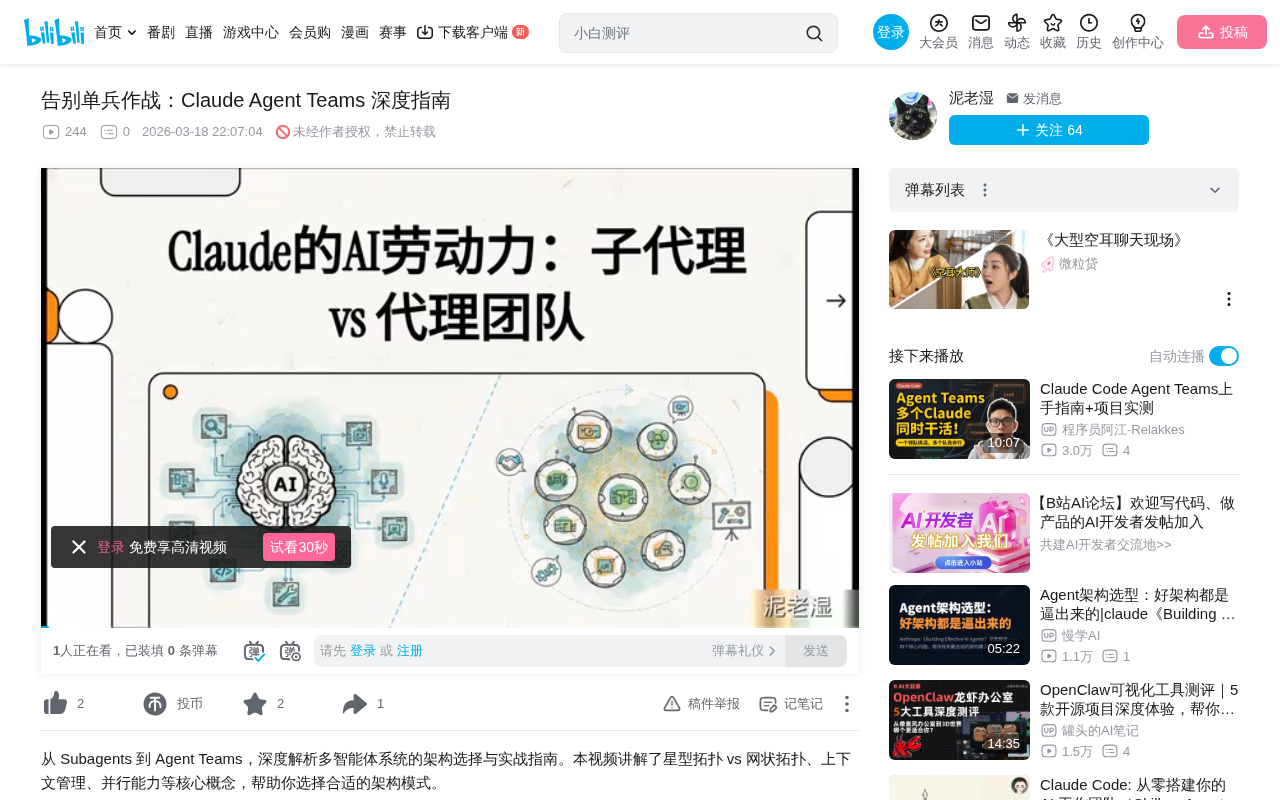
SubAgent Architecture: The Core Implementation for Context Isolation
Deep dive into SubAgent context isolation architecture, covering parent-child Agent roles, tool definitions, run_subagent implementation, and differences from TodoList and Agent Teams.
Read more →
 Deep Dives
·3 min
Claude Sub-agents vs Agent Teams: How to Choose Between Two AI Multi-Agent Collaboration Patterns
Deep comparison of Claude sub-agents vs agent teams: architecture differences, use cases, and real-world results. A Pokémon RPG case study shows how agent teams achieve 95%+ feature completeness.
Read more →
 Tutorials
·2 min
Claude Code Sub-Agent: A Practical Guide to Multi-Agent Collaboration for Enhanced Development Efficiency
Deep dive into Claude Code Sub-Agent mechanism with a practical blog writing + Git commit case study, showing how multi-agent collaboration solves instruction loss and context bloat issues.
Read more →
 Tutorials
·3 min
Harness Engineering: A Practical Guide to AI Development — From Prompts to Mastering AI Agents
A deep dive into Harness Engineering's three-layer architecture: Information, Constraint, and Automation layers, covering Agent failure modes, OpenAI and Anthropic best practices, and AI tool selection strategies for controlled AI development.
Read more →
 Deep Dives
·3 min
Deep Dive into MCP Code Execution & Agent Skills: Compressing 150K Tokens Down to 2,000
Deep analysis of two MCP ecosystem breakthroughs: code execution compresses tool definitions from 150K to 2K tokens, and Agent Skills enable capability packaging and reuse.
Read more →
 Tutorials
·3 min
Open-Source Multi-Agent Intelligent Diagnostic System: Deep Dive into MCP + RAG + Skill Routing Architecture
Deep dive into an open-source multi-Agent diagnostic system built on modified OneCall, featuring MCP real-time interaction, RAG-enhanced Q&A, and Skill routing to minimize Token consumption.
Read more →
 Industry Insights
·2 min
NVIDIA Dynamo Snapshot: A Snapshot Recovery Solution for GPU Inference Cold Start Problems
Deep dive into how NVIDIA Dynamo Snapshot reduces LLM inference cold start time from minutes to seconds via GPU state snapshot and recovery, covering Kubernetes integration and elastic inference.
Read more →
 Product Reviews
·2 min
MemPalace: An Open-Source Tool That Gives AI Agents Local Long-Term Memory
MemPalace is an open-source local memory tool that builds long-term memory for AI Agents via verbatim storage, semantic retrieval, and MCP protocol, solving the pain of starting from scratch every session.
Read more →
 Deep Dives
·3 min
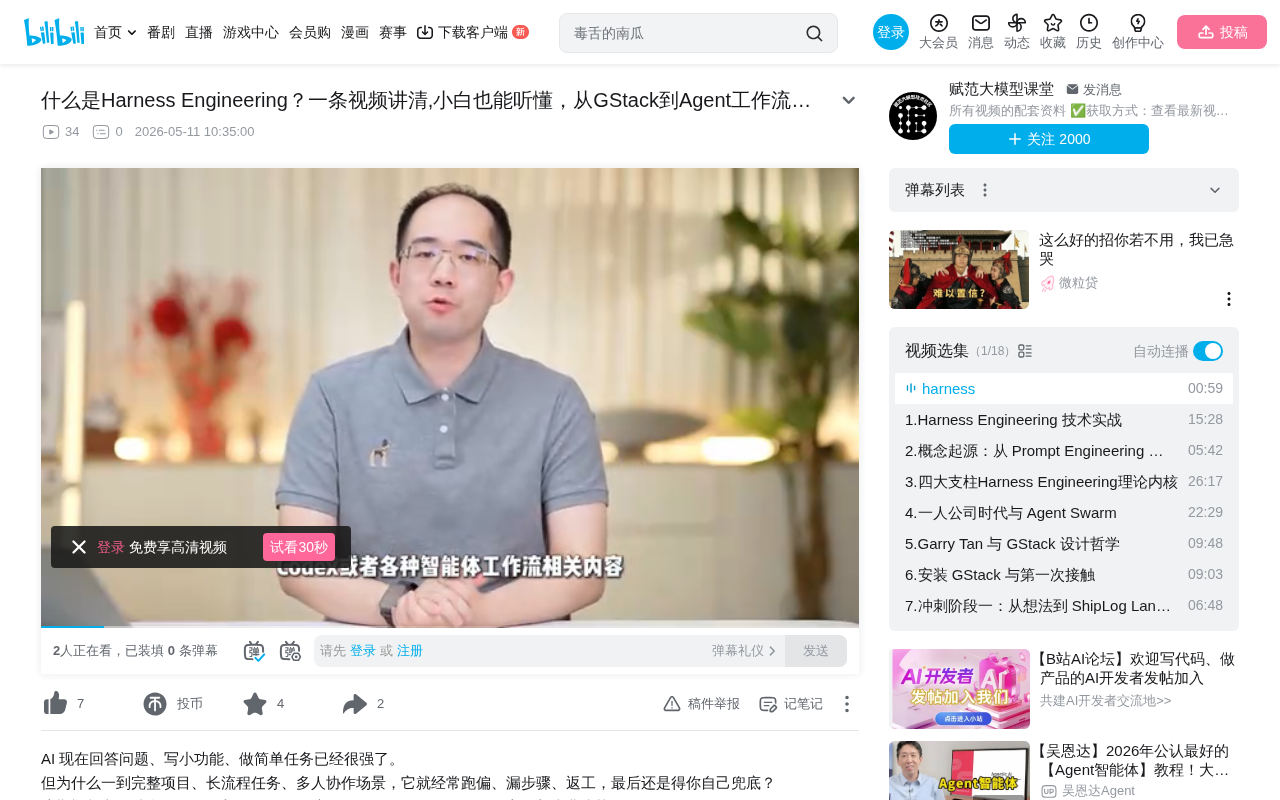
Harness Engineering Explained: Building Stable and Efficient Work Systems for AI
Deep dive into Harness Engineering: how to build execution environments, toolchains, and feedback loops for AI. From Prompt Engineering to system-level engineering for stable AI production.
Read more →
 Tutorials
·3 min
From Programmer to Agent Developer: A Detailed Four-Stage Learning Roadmap
A systematic four-stage learning roadmap for programmers transitioning to AI Agent development, covering core theory, ReAct and classic paradigms, Prompt engineering, and hands-on projects.
Read more →
 Tech Frontiers
·2 min
DeepSeek OCR2, Kimi K2.5, and Microsoft Maia 200 All Launched on the Same Day
DeepSeek releases OCR2 replacing CLIP with an LLM as visual encoder; Moonshot AI launches Kimi K2.5 with 100+ sub-agent cluster mode; Microsoft deploys 3nm Maia 200 chip; Alibaba releases Qwen3 Max Thinking.
Read more →
 Tech Frontiers
·3 min
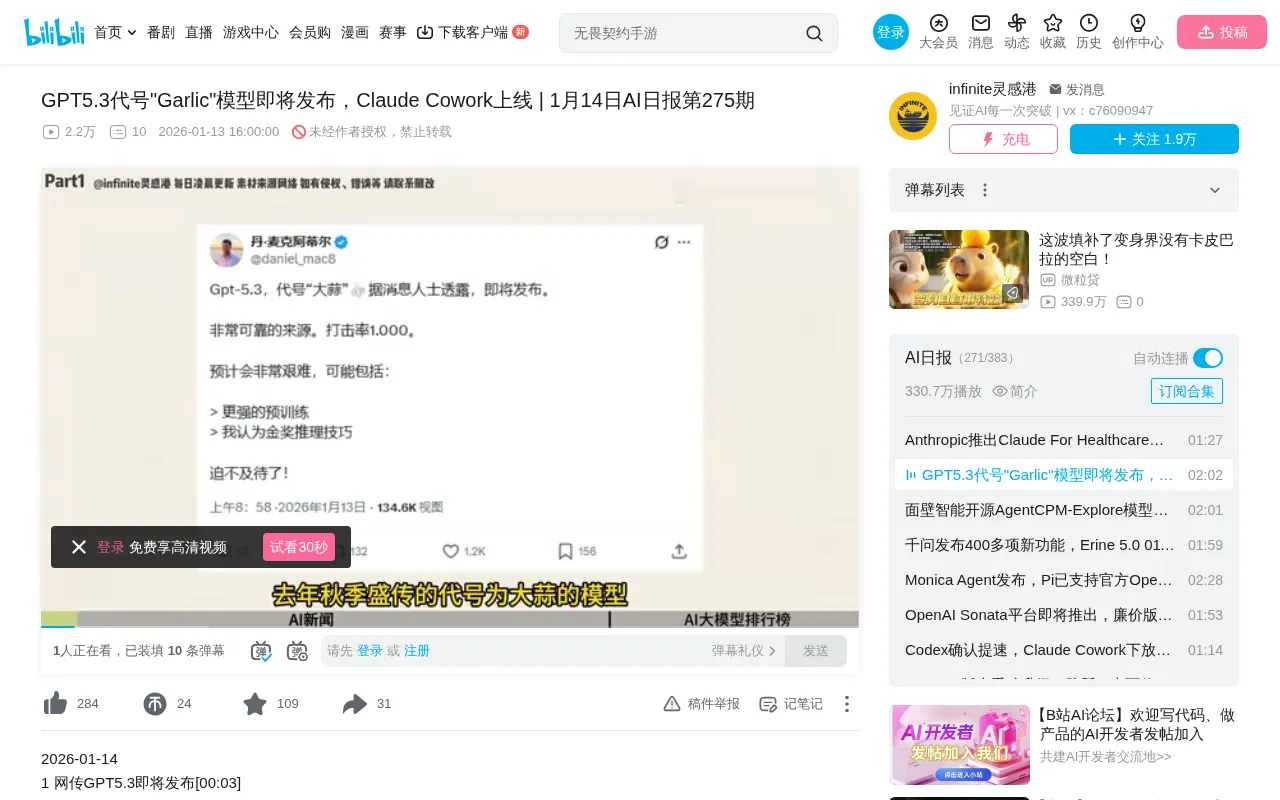
GPT-5.3 Codenamed "Garlic" Coming Soon, Claude Cowork Launches Targeting Non-Developers
OpenAI's GPT-5.3 codenamed Garlic is coming soon, Anthropic launches Claude Cowork for non-developers, plus breakthroughs in Baichuan M3 medical and SiNong agricultural AI models.
Read more →
 Tutorials
·3 min
Complete Breakdown of Andrew Ng's Agent Course: A Practical Guide to the Five Core Modules of AI Agent Development
Deep dive into Andrew Ng's viral AI Agent course covering five core modules: Reflection, Planning, Tool Use, Multi-Agent Collaboration, and Memory, with practical learning paths for LLM agent development.
Read more →
 Product Reviews
·2 min
Kimi K2.6 Open-Source Hands-On: How Strong Is Its Orchestration of 300 Concurrent Agents?
Deep analysis of Moonshot AI's open-source Kimi K2.6 Agent orchestration: 300 sub-Agents executing 4000-step tasks, outperforming GPT-5.4 in coding benchmarks, LoRA fine-tuning on 2x RTX 4090s.
Read more →
 Tutorials
·3 min
From Traditional RAG to Agentic RAG: Principles Compared and Enterprise-Grade Implementation Guide
Deep dive into traditional RAG limitations and Agentic RAG upgrades, with ChatBox source code analysis covering core tool design, intelligent decision flows, and LangGraph implementation for enterprise deployment.
Read more →
 Tutorials
·3 min
Complete Guide to Connecting Claude Code with DeepSeek-V4
Complete guide on connecting DeepSeek-V4 to Claude Code, covering Node.js installation, environment variable configuration, model mapping, and real-world coding tests for a near-premium AI programming experience with open-source models.
Read more →
 Tutorials
·3 min
Getting Started with AI Full-Stack Development: A Knowledge Framework from Machine Learning to Large Language Models
A systematic guide to the relationships between AI, machine learning, deep learning, and large language models, helping developers build a clear knowledge framework and find an efficient learning path.
Read more →
 Tutorials
·3 min
RAG Technology Full-Stack Analysis: Core Principles, Enterprise Implementation & Learning Path
Deep analysis of RAG technology's core principles, three key values, enterprise implementation cases, common pitfalls, and a systematic learning roadmap covering vector databases, retrieval optimization, and Knowledge Graph fusion.
Read more →
 Product Reviews
·3 min
Kimi K2.6 In-Depth Review: A Complete Breakdown of Its Coding and Agent Capabilities
In-depth review of Kimi K2.6's coding, Agent collaboration, and visual development capabilities. #1 open-source on SWE-Bench Pro, 300 parallel sub-agents, API priced at 1/3 of competitors.
Read more →
 Tutorials
·2 min
Huawei Hermes Agent Manual Explained: Five-Layer Memory Architecture and Multi-Agent Collaboration in Practice
Deep dive into Huawei's 100-page Hermes Agent manual: five-layer memory architecture solving AI amnesia, self-evolution loops for continuous optimization, and multi-agent collaboration engineering.
Read more →