#skill.md
73 related articles

·4 分钟
Complete Guide to Pi Coding Agent: Core Usage and Extension Techniques for a Minimalist Terminal AI Coding Tool
Complete guide to Pi coding agent: design philosophy, installation, shortcuts, session management, and 7-layer customization architecture. How this 45K-star minimalist terminal tool redefines AI coding workflows.
阅读全文 →
·3 分钟
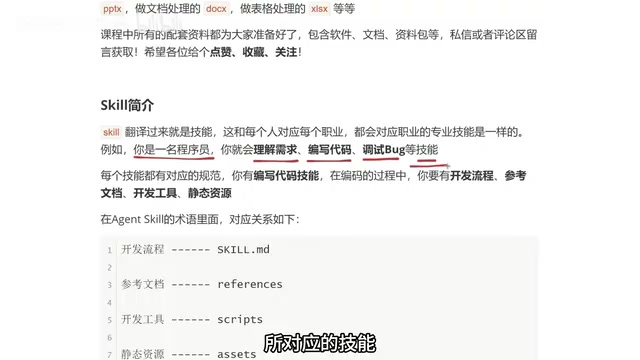
What Are Agent Skills? A Detailed Guide to AI Agent Skill System Architecture and Principles
A deep dive into AI Agent Skills: understand the core concepts and technical implementation through the four key elements — SKILL.md, references, scripts, and assets — and learn how Skills differ from prompts.
阅读全文 →

·3 分钟
What Are Agent Skills? A Complete Guide to AI Agent Skill System Architecture and Principles
A deep dive into AI Agent Skills: their core concepts, technical implementation, the four key elements (SKILL.md, references, scripts, assets), and how Skills differ from prompts.
阅读全文 →

·3 分钟
Agent Skills Explained: Plug-and-Play Skill Packs for AI
A deep dive into Agent Skills architecture: modular design, progressive disclosure mechanism, and how it differs from Multi-Agent systems for AI capability extension.
阅读全文 →
·4 分钟
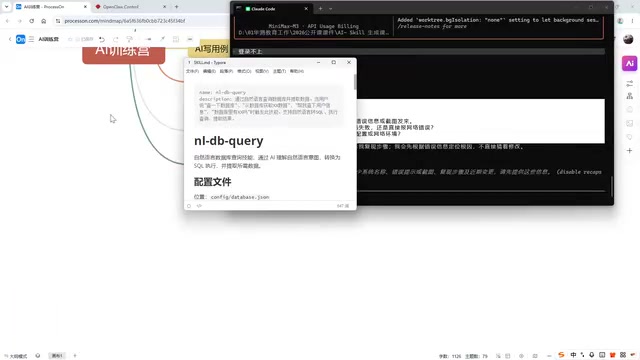
Hands-On Skill Writing and Agent Testing: A Guide to AI Testing Transformation
An in-depth look at AI testing challenges. Learn to write reusable Skill packs and master Agent testing and LLM evaluation—covering the SKILL.md six-dimensional rule, skill-creator, EvalScope, and dataset selection.
阅读全文 →

·2 分钟
Deep Dive into Agent Skills Architecture: How to Extend AI Agent Capabilities
Agent Skills is a lightweight open-source format that extends AI agent capabilities with plug-and-play skill packages. This article dives deep into the Skills architecture, progressive disclosure, and how it differs from Multi-Agent design.
阅读全文 →

·2 分钟
Agent Skills Explained: Giving AI Plug-and-Play Capability Packs
Agent Skills is a lightweight open-source format that lets AI agents extend professional capabilities on demand, like loading plugins. Learn what Agent Skills are, the problems they solve, and their modular advantages.
阅读全文 →

·2 分钟
Deep Dive into Agent Skills Architecture: How to Extend AI Agent Capabilities
Agent Skills is a lightweight open-source format that extends AI agent capabilities via plug-and-play skill packages. Learn its architecture, progressive disclosure, and how it differs from Multi-Agent.
阅读全文 →

·3 分钟
In-Depth Analysis of Three AI Test Automation Approaches: Code Scripting, DOM Parsing, and Visual Models
A systematic breakdown of the three mainstream test automation approaches in the AI era: AI-generated code scripts, DOM parsing driven, and LVM visual model driven. In-depth comparison of principles, pros/cons, and use cases.
阅读全文 →

·3 分钟
The AI Coding Landscape: Model Tiers, Tool Camps, and a Deep Dive into MCP/Skills/CLI
A systematic map of today's AI coding landscape: the evolution from ChatGPT to Claude Code, LLM capability tiers, tool camps like Cursor/Copilot, and the three key weapons of the Agent era — MCP, Skills, and CLI.
阅读全文 →
·5 分钟
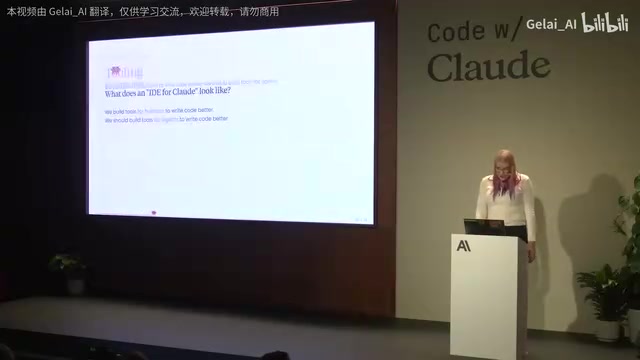
Advanced Claude Code in Practice: Building a Top-Tier AI Development Workflow
In-depth analysis of Claude Code customization methodology: from access, knowledge injection to tooling. Master context window management, zero-overhead Hooks, and MCP & Skills plugin primitives to build a scalable AI software engineering workflow.
阅读全文 →

·2 分钟
The Complete Guide to Agent Skills: Andrew Ng × Anthropic Joint Course Breakdown
Andrew Ng's DeepLearning.ai teams up with Anthropic to teach Agent Skills: file structure, progressive disclosure, MCP integration, and the full path from Claude.ai to the Agent SDK.
阅读全文 →

·4 分钟
The Complete Guide to Claude Code Skills: Installation, Creation, and Management
A complete guide to Claude Code Skills: what they are, how they differ from Plugins, three installation methods, how to write SKILL.md, trigger mechanisms, and top resource recommendations.
阅读全文 →

·7 分钟
Claude Code Practical Tutorial: A Complete Beginner's Guide to Automating Your Entire Workflow
No coding required! This guide breaks down the complete Claude workflow: custom Projects, batch SEO content, one-sentence tool building with Artifacts, and Claude Code terminal ops—with real traffic-growth cases.
阅读全文 →

·4 分钟
No-Code Guide to Claude Code: Building Your Personal AI Automation OS
No coding needed: master Claude Code workflows with folder structure, sub-agents, third-party connectors, and scheduled routines to build your own AI automation OS.
阅读全文 →
深度解读
Deep Dive into AI Agent Skill Design: …
·3 分钟
Deep Dive into AI Agent Skill Design: Engineering Practices from Anthropic and Perplexity
A deep dive into Skill design philosophy from Anthropic's Claude Code team and Perplexity's Agent team, covering the Tax Test, Gotchas Flywheel, progressive disclosure, and Eval-First practices for building high-quality AI Agent skill systems.
阅读全文 →

·3 分钟
The Complete Guide to Agent Skills: Principles, Structure, and Real-World Examples
A deep dive into Agent Skills: SKILL.md structure, four core elements (workflow/docs/tools/assets), real-world case studies, and how Skills differ from prompts.
阅读全文 →

·3 分钟
Getting Started with Agent Skills: Structure, Principles, and Practical Usage
A deep dive into Agent Skills: learn the file structure (SKILL.md, references, scripts, assets), core principles, and how they differ from prompts. Build your own AI skill bundle from scratch.
阅读全文 →

·3 分钟
Zer0Fit: Connecting Google's TabFM and TimesFM to LLM Chat Interfaces via MCP
Zer0Fit wraps Google's TabFM and TimesFM foundation models as MCP servers, letting users run classification, regression, and time series forecasting through a local LLM chat interface — no ML code required.
阅读全文 →

·4 分钟
The Complete Claude Code Guide: From Chat and CoWork to Automated Workflows
From Claude Chat to CoWork to Claude Code: a complete guide covering the three usage levels, Projects/Skills setup, MCP/CLI tool integration, and real automation workflows like fully automated knowledge video pipelines.
阅读全文 →