215,000 Spam Pages Are Polluting Perplexity: AI Search Faces a Content Manipulation Crisis
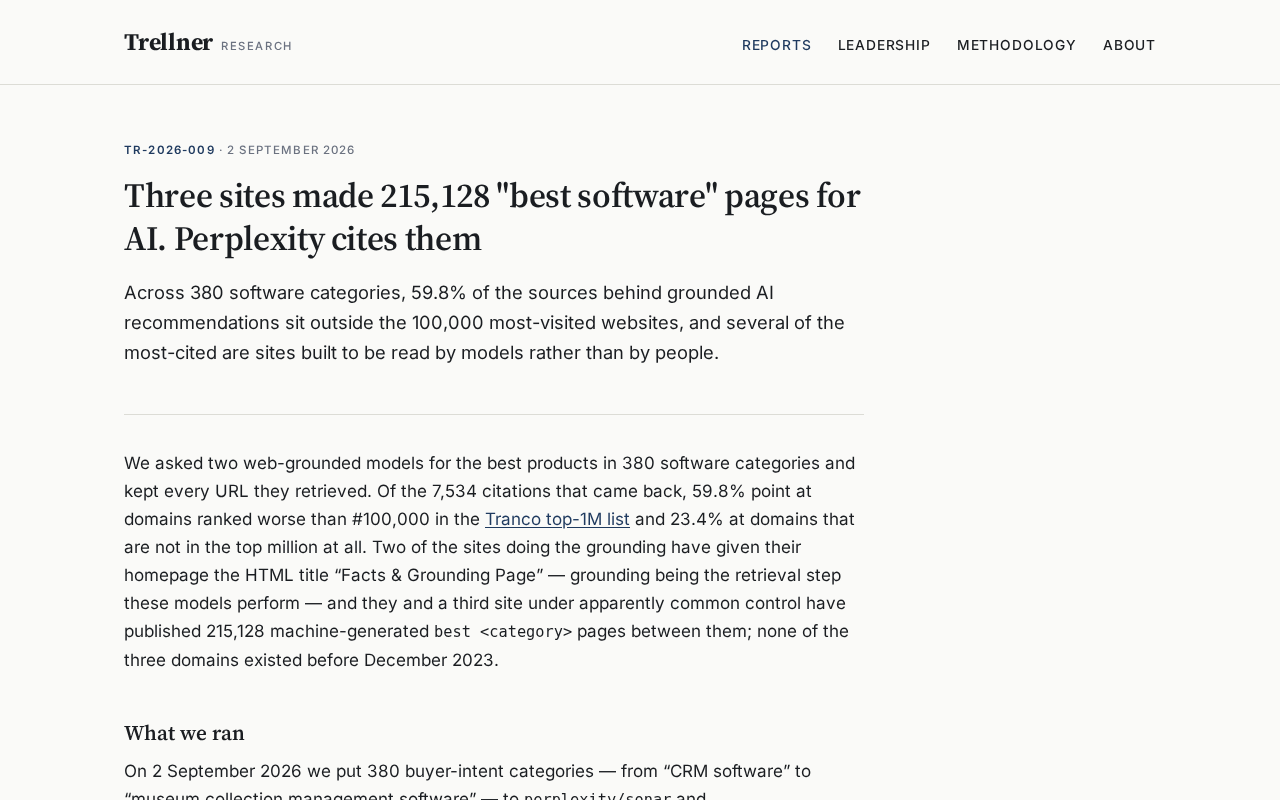
215,128 AI-targeted spam pages reveal how content farms are systematically manipulating AI search citations via affiliate marketing schemes.
An investigation found that just three websites mass-produced over 215,000 "best software" listicle pages engineered to exploit AI search engines like Perplexity — not serve real users. Semantically aligned with common queries and packed with affiliate links, these pages hijack AI-generated answers for higher-trust exposure than traditional search rankings ever offered. With generative AI slashing content production costs to near zero, platforms and bad actors are entering a technology-parity arms race that demands source authority scoring, pattern detection, and cross-validation — while users must treat cited AI answers as a starting point, not gospel.
A Content Manipulation Campaign Targeting AI Search Engines
A recent investigation has uncovered a deeply troubling phenomenon: just three websites have mass-produced a staggering 215,128 pages claiming to rank the "best software," and their true intended audience isn't human users — it's AI search engines like Perplexity. What makes this worse is that Perplexity has actually been citing these pages as sources when answering user queries.
This isn't traditional SEO spam. It's a form of "feeding" content manipulation specifically engineered for the new generation of AI retrieval systems. As more users turn to AI for direct answers rather than sifting through search results themselves, the destructive power of this tactic is multiplied exponentially.
Why 215,000 Spam Pages Can Fool AI Search
AI Retrieval's Inherent Weaknesses
Traditional search engines, hardened through two decades of adversarial battles, have developed relatively mature anti-spam mechanisms. But AI search powered by large language models operates on an entirely different retrieval and generation pipeline: it crawls web content in real time, extracts information snippets, and synthesizes them into answers. That process is precisely what content farms are exploiting.
These mass-generated pages tend to share a few common traits: clean structure, keyword density, and the appearance of being "information-rich." A human reader can quickly spot the hollow, formulaic text devoid of genuine reviews — but to an AI, these pages are semantically well-aligned with common user queries (like "what's the best project management software?"), so they get flagged as highly relevant sources and cited accordingly.
The Economic Motive Behind Large-Scale Manipulation
Generating 215,000 pages in one go reflects a clear business calculation. These "best software" listicle pages are typically loaded with affiliate marketing links — every time a user clicks through and purchases a recommended product, the page operator earns a commission.
In the past, these pages needed high Google rankings to drive traffic. Now, all they need is to get embedded in an AI-generated answer as a cited source — which is effectively the highest-visibility placement possible, since users tend to place far greater trust in answers delivered by AI. This fundamentally shifts the cost-benefit calculus of content manipulation.
The Deeper Threat to the AI Search Ecosystem
A Trust Chain at Risk of Collapse
The core value proposition of AI search is helping users "cut through the noise and get straight to the answer." But if the sources AI cites are themselves carefully engineered marketing spam, that value proposition develops a fundamental crack.
When users see Perplexity display cited sources, they instinctively assume the answer is well-documented and verified. But when those citations point to content farms, AI becomes a credibility endorser for low-quality content — repackaging information that should have been filtered out as authoritative conclusions. This trust mismatch is far more dangerous than ordinary search result pollution.
An AI Arms Race That's Just Getting Started
You may not have noticed, but generative AI isn't just the "victim" of this attack — it's also the weapon. Mass-producing 215,000 pages used to be prohibitively expensive. Today, with large language models, generating vast quantities of seemingly professional content is a near-zero marginal cost operation.
This means AI search engines and content manipulators are entering a long-term adversarial game similar to the battles once fought against spam email and SEO manipulation. The difference this time is that both sides are wielding the same class of technology, making the conflict far more complex and faster-evolving than anything that came before.
How AI Search Platforms Should Respond to Content Pollution
For AI search platforms like Perplexity, relying solely on semantic relevance to filter citation sources is clearly no longer sufficient. Potential improvements include:
- Source quality assessment: Introduce composite scoring of a website's authority, content originality, and publication history, rather than relying purely on how well content matches the query.
- Pattern recognition: Mass-generated pages often exhibit detectable patterns in domain names, page structure, and publishing cadence. Platforms can use anti-abuse models to identify "content farm clusters."
- Affiliate link transparency: Flag or downrank pages laden with marketing links, so users are aware of the commercial incentives behind the information.
- Multi-source cross-validation: Require corroboration from multiple independent, credible sources for any given conclusion, reducing the chance that a single spam source contaminates an answer.
A Practical Warning for Everyday Users
For users who rely on AI search day to day, the biggest takeaway from this story is: an AI answer with cited sources does not mean the answer is reliable.
This is especially true for queries like "best product recommendations" or "software comparisons" — topics that are naturally saturated with commercial interests and exactly where marketing content is most concentrated. A sensible approach is to treat AI answers as a starting point, not a final verdict. Click through the cited sources yourself, check whether they represent genuine reviews, and compare across multiple references before making any decision.
At its core, this incident is a microcosm of a larger reality: when we delegate the power of information filtering to AI, we must also recognize that the motivations and methods for manipulating AI are evolving in parallel. AI search still has a long way to go before it can truly deliver on the promise of trustworthy answers.
Related articles
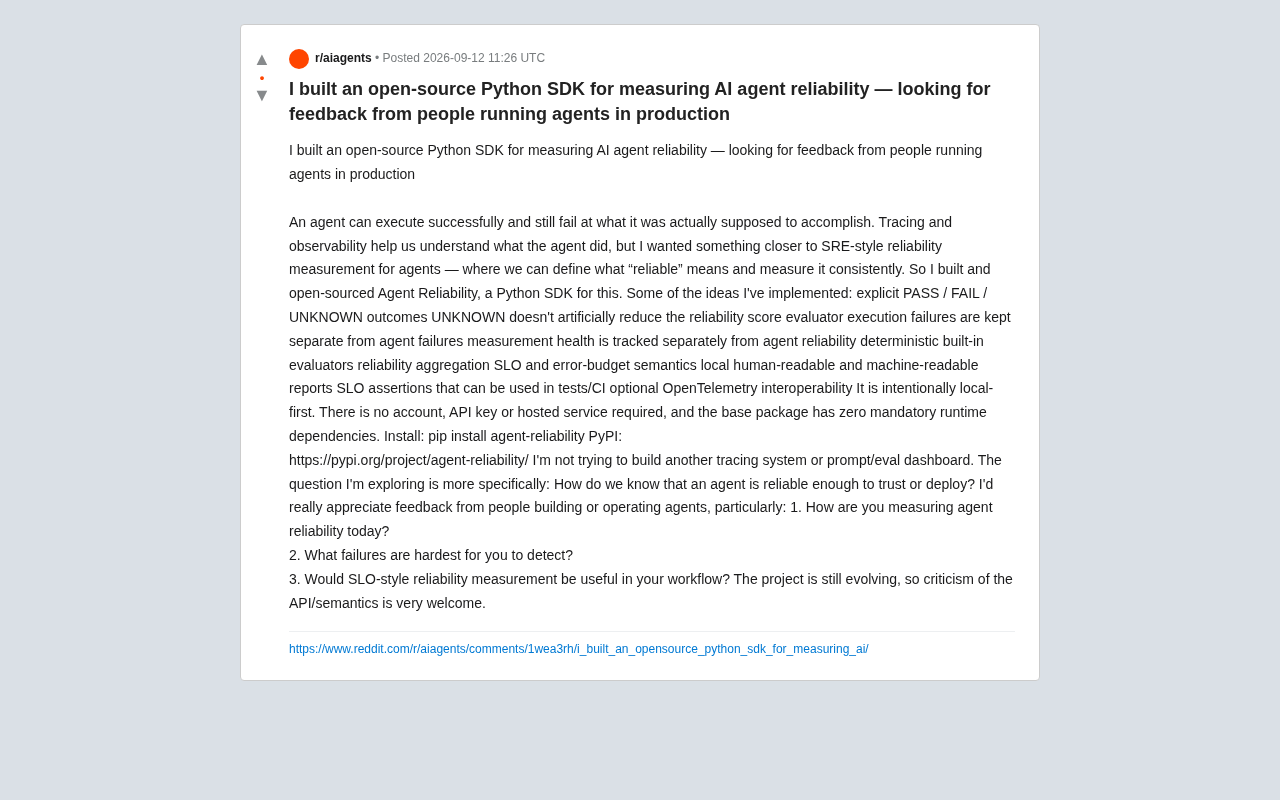
Open-Source Python SDK: Measuring AI Agent Reliability with SRE Principles
Agent Reliability is an open-source Python SDK that applies SRE's SLO and error budget concepts to AI Agent evaluation, with PASS/FAIL/UNKNOWN states, CI assertions, and zero forced dependencies.
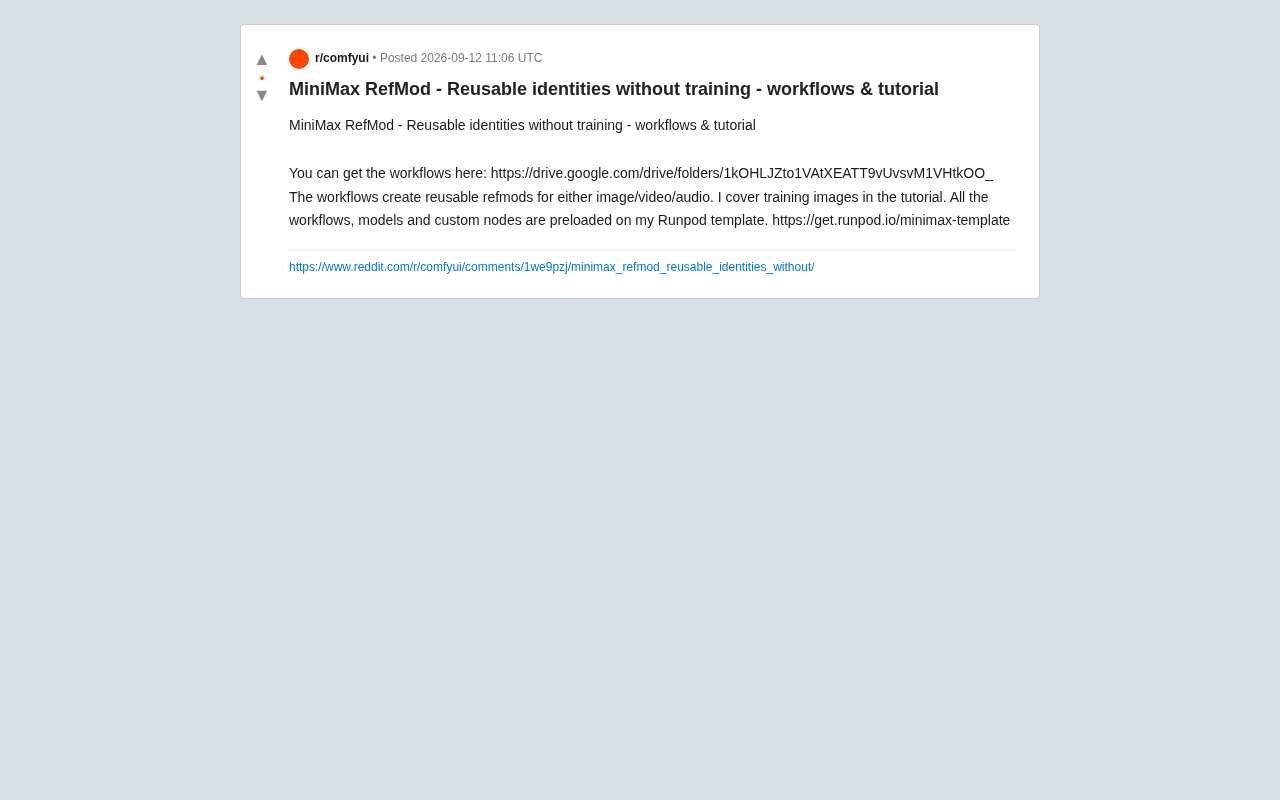
MiniMax RefMod: A Complete Guide to Training-Free Reusable Identity Workflows
MiniMax RefMod offers training-free reusable identity workflows for image, video, and audio generation. Includes Runpod template and tutorial for quick setup.

Invalid Source Material Notice
The source material provided lacks substantive information and is unrelated to AI/tech topics, making it impossible to produce a complete professional article.