31.5-Inch Color E-Paper Display Frame Launched: The Large-Screen Breakthrough for E-Paper

TRMNL launches the 31.5-inch color e-paper display Frame, sparking discussion on large-screen e-paper.
TRMNL's 31.5-inch color e-paper display Frame received 234 points and 154 comments on Hacker News, drawing attention for its rare large-size color e-paper positioning. The article notes that e-paper's ability to retain images with power cut and near-zero power consumption aligns closely with wall-mounted always-on information screens, and that large-sizing means a shift from personal reading devices to spatial information devices. Community discussion centers on three concerns: refresh speed, color performance, and price—also the core challenges of large-screen e-paper. The article views Frame as a signal of e-paper manufacturers expanding application boundaries, and its market performance will be an important observation point for judging whether the large-screen e-paper route can succeed.
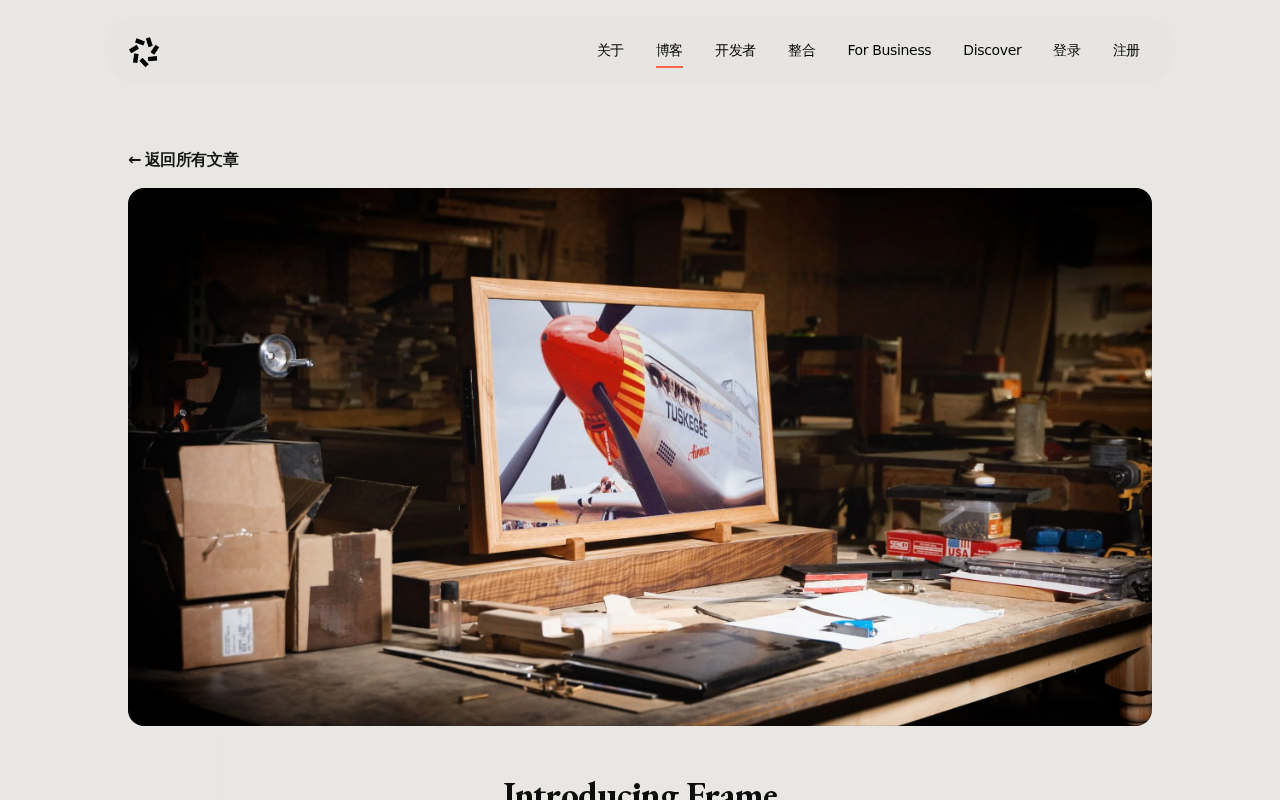
TRMNL has launched the 31.5-inch color e-paper display Frame on Hacker News, and the post received 234 points and 154 comments. This size is quite rare in the color e-paper category. It's not just about making the screen bigger—it may signal that e-paper is starting to seriously enter the competition for "wall-level" display devices.
What a Large-Size Color E-Paper Display Means
E-paper has historically centered around e-readers and electronic labels, with sizes concentrated in small and medium screens. 31.5 inches directly steps into monitor territory, and achieving it with a color e-paper screen points to a "long-term hanging, low-power, non-glaring" wall-mounted information screen scenario.
The value of such products lies not in refresh rate or dynamic imagery, but in static display that consumes almost no power. Bringing color e-paper to this size means power consumption, driving, and color consistency all need to be redesigned—the technical barrier is significantly higher than for small sizes. Judging from the focus of the Hacker News discussion thread (154 comments), the community is intensely interested in "the practical usability of large-screen color e-paper," rather than mere novelty.
There are currently three main technology routes for color e-paper: E Ink's Kaleido series (color filters layered over a black-and-white e-paper screen—lower color saturation but controllable cost), the Gallery series (using microcapsules of different colors—more vivid colors but slower refresh), and ACeP (Advanced Color ePaper, capable of full color but with refresh speeds measured in seconds). The larger the size, the harder pixel driving becomes, and the harder it is to control color consistency and yield—which is why few 31.5-inch color e-paper products have reached mass production before. Frame's ability to achieve color display at this size means it has made targeted designs in driver ICs, backplane processes, and color calibration.
Another key metric is DPI. If large-size e-paper uses the pixel density of small and medium screens, text edges will appear noticeably blurry; but increasing resolution drives up cost and driving complexity. Therefore, when evaluating such products, resolution, available grayscale levels, and refresh modes (full refresh/partial refresh) often determine the actual experience more than "whether it's color."
The Natural Fit Between E-Paper and "Always-On Display"
Traditional LCD or OLED wall displays either require continuous power or repeatedly switch between screen-off and screen-on. E-paper retains the image after power is cut, with power consumption at nearly zero—exactly the ideal characteristic for always-on information screens.
Large-sizing shifts e-paper from "personal reading device" to "spatial information device," such as family schedules, art frames, and public information boards. Frame's positioning most likely falls in this range—replacing paper posters or photo frames on the wall with a color screen that doesn't emit light.
E-paper's ability to retain images after power is cut stems from its microcapsule electrophoresis technology: charged black-and-white (or color) particles are suspended inside capsules, and an applied electric field moves the particles to the surface where they stay. When the electric field is removed, the particle positions remain unchanged, so the image is "frozen," and static display power consumption is close to zero. This is fundamentally different from LCD, which requires a backlight to stay lit, and OLED, where each pixel continuously emits light.
However, e-paper is not entirely zero-power: applying voltage is required to refresh the image, and a full-screen refresh is often accompanied by several flashes (commonly called "screen flashing"). Partial refresh can reduce flashing, but long-term accumulation leads to ghosting. For wall-mounted always-on display scenarios, the ideal usage is low-frequency updating (e.g., refreshing once per minute or per hour), so both power consumption and ghosting remain within acceptable ranges. This also explains why e-paper is better suited to schedules, weather, and picture-frame content rather than video or high-frequency interaction.
Expectations and Concerns Revealed by Community Reaction
The 154 comments and 234 points on Hacker News indicate that this is not a niche product. Discussion of large-size color e-paper usually centers on a few directions: whether refresh speed is acceptable, whether color performance meets aesthetic needs, and whether the price falls into an acceptable range.
These concerns are also the core challenges of large-screen e-paper. Color e-paper still lags behind mainstream display technologies in color saturation and refresh rate, but in exchange it offers extremely low power consumption and eye protection. For always-on display scenarios, this trade is worthwhile—provided the product is "good enough" in color and responsiveness.
The discussion atmosphere on Hacker News tends to favor engineering implementation and cost-effectiveness. 234 points is moderately high popularity, indicating the topic touches the shared interests of hardware enthusiasts and developers. Typical doubts surrounding large-size color e-paper include: color filter solutions cause whites to appear grayish and color saturation to be insufficient; whether the flicker and several-second delay of a full refresh are tolerable in wall scenarios; and large-size panels often cost several times that of ordinary monitors.
Behind these doubts lies the real trade-off of large-screen e-paper: it trades color and response speed for power consumption and eye protection. Its target users are not consumers chasing image quality, but niche scenarios that value "hanging long-term without consuming power and without being harsh on the eyes." The high comment volume also shows that this category is at a stage of being seriously evaluated rather than simply treated as a novelty.
Implications for the E-Paper Product Roadmap
Frame's emergence shows that e-paper manufacturers are actively expanding application boundaries, moving from "replacing paper" to "replacing walls." If the cost of large-size color e-paper can decrease, the technology routes for wall display devices may diverge in the future: scenarios requiring dynamic content will continue to use traditional screens, while scenarios dominated by static information will shift to e-paper.
The product's market performance will be an important signal for observing whether large-screen e-paper can succeed. For developers and hardware enthusiasts, it is also a platform worth watching—the possibility of low-power always-on display may give rise to new application forms.
Related articles
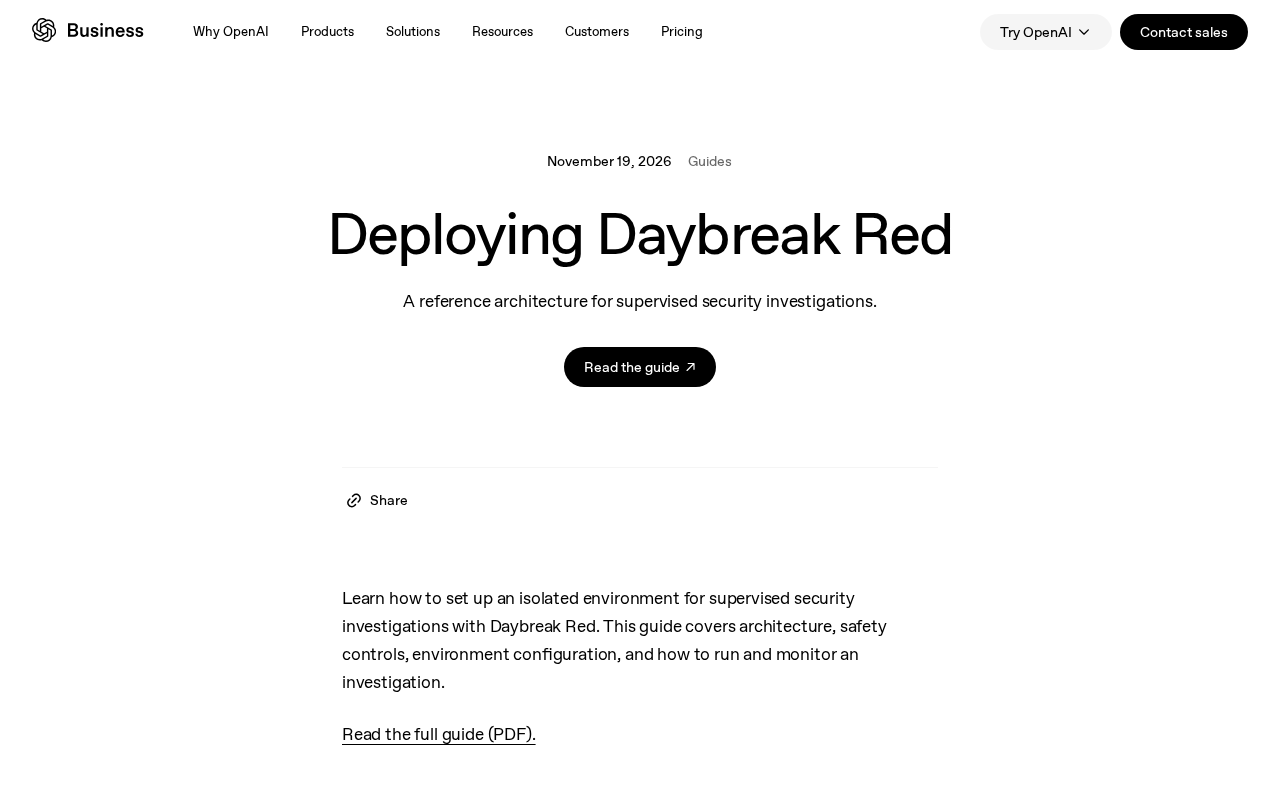
Daybreak Red Deployment Guide: A Reference Architecture for Supervised Security Investigation
A breakdown of the Daybreak Red reference architecture: security control design, deployment configuration process, and runtime monitoring for supervised security investigation.
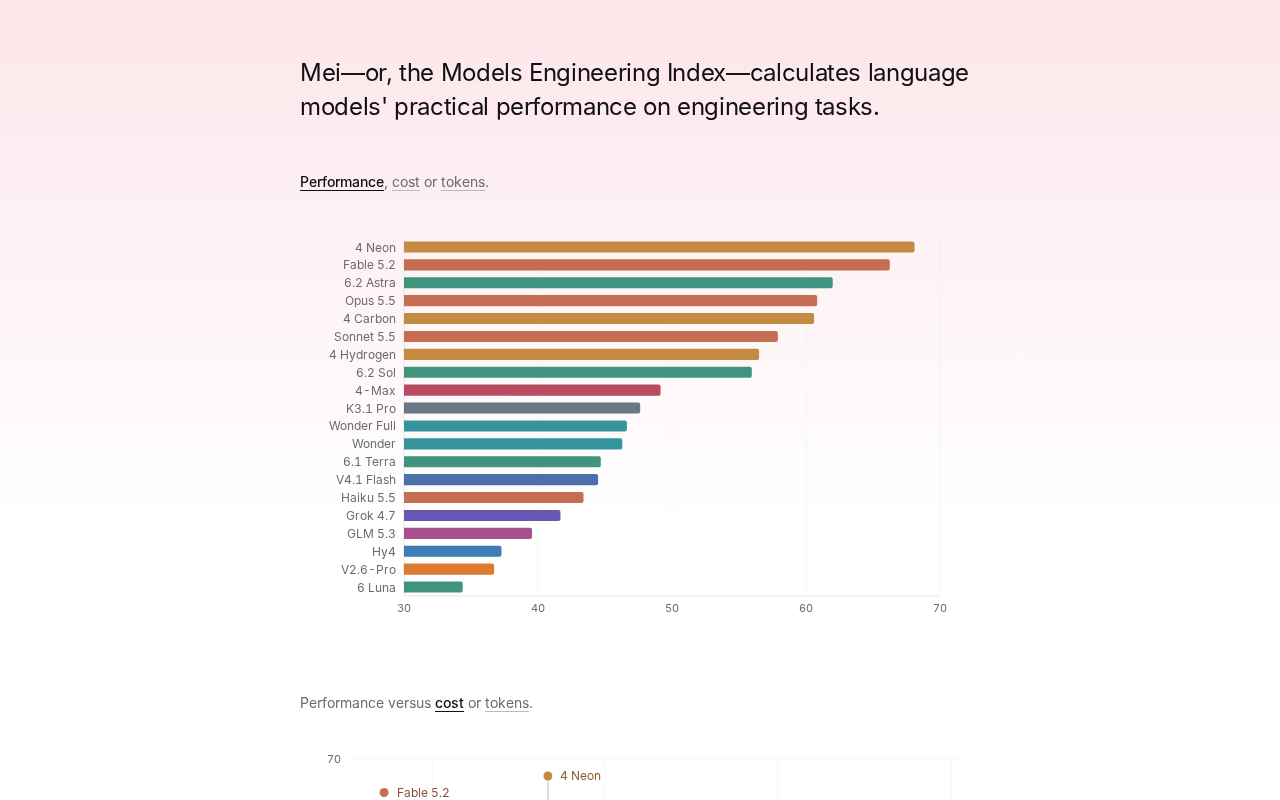
Gemini 4 Neon Tops the Models Engineering Index
Gemini 4 Neon tops the Models Engineering Index, sparking Hacker News debate over ranking credibility and evaluation methods. Here's what it means for developers.

Apple's Self-Developed AI Agent: An Agent That Can Operate Your Mac Is Coming
Apple is reportedly developing an AI agent that can operate a Mac, targeting Meta Muse, Claude, OpenAI Dots, and others. This article analyzes Apple's system-level advantages, the competitive landscape, and likely rollout paths in the agent race.