40.5-Inch Color E-Paper Art Frame: An Art Display You Charge Once a Year
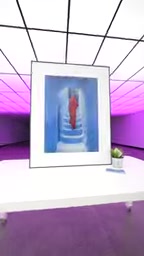
A 40.5-inch A1 color e-paper art frame with no backlight, once-a-year charging, and 2,000+ licensed artworks for home art display.
The article introduces the Ink Poster Tella, a 40.5-inch A1 color e-paper art frame built on the E Ink Spectra 6 full-color solution. Because the screen doesn't emit light, it has no halo, glare, or heat buildup and runs silently, so it can go in bedrooms and kids' rooms; e-paper uses almost no power for static display, and the company says it needs charging only about once a year. It comes with slightly more than 2,000 licensed, curated works covering contemporary art, classical art, and vintage posters, and uploaded phone photos are automatically adapted to the screen size with no manual preprocessing. The lineup also includes a 28.5-inch Tella, a 31.5-inch Afresco, and a high-end model Duna designed by Pininfarina. The article closes by asking whether it can replace wall paintings: its strengths are replaceability, zero interference, and low maintenance, while its weaknesses are color saturation and dynamic performance that fall short of self-emissive screens, making it better suited to slow display of static images.
A Screen That Doesn't Look Like a Screen
When I first saw the live demo of the Ink Poster Tella on YouTube, my first thought was: this is probably the electronic device that comes closest to being a "painting." With a 40.5-inch diagonal, A1 format, and a body over a meter wide, using color e-paper for art display at this size has been genuinely rare until now.
It's built on the E Ink Spectra 6 full-color e-paper solution. The most immediate difference from LCD is how it looks: colors are soft and easy on the eyes, with a paper-like texture that feels closer to natural color than a conventional LCD panel. Because the screen itself doesn't emit light, there's no halo, glare, or heat buildup in the room, and it runs silently. That also means it can go in bedrooms, kids' rooms, and other spaces that are sensitive to light and noise.
Battery life is another extreme spec: the company says the device needs charging only about once a year. E-paper draws power only when the image changes, and static display uses almost nothing—a trait that gets amplified in a scenario like an art frame that hangs on the wall long-term and changes images only occasionally.
What Is E Ink Spectra 6
E Ink Spectra 6 is a full-color e-paper display solution from E Ink Holdings, a type of electrophoretic e-paper. It mixes colors by controlling the arrangement of black, white, and colored (red, yellow, blue, green) microcapsule particles, rather than relying on backlight passing through color filters as LCD does. As a result, its gamut and saturation can't match self-emissive screens, but when viewed under ambient light, colors are softer and closer to printed matter. The "6" in Spectra 6 refers to its ability to render six base colors and mix a fairly complete color range. Typical applications are retail signage, electronic shelf labels, and digital art frames—all scenarios where the image is static, changes infrequently, and power consumption and visual quality matter far more than refresh rate.
Where the Content Comes From: 2,000+ Licensed Works and Your Phone Album
Beyond the hardware, the real barrier for this kind of product is the content library. According to the manufacturer, the Ink Poster comes with slightly more than 2,000 licensed and curated artworks, spanning three categories: contemporary art, classical art, and vintage posters. For users who don't want to hunt for images themselves, this library is basically enough to keep daily rotation going.
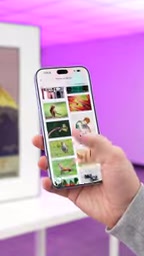
Putting up your own photos is just as straightforward: pick one from your phone album and upload it, and the built-in image processing automatically adapts it to the screen size—no manual cropping or aspect-ratio adjustment needed beforehand. This detail determines whether ordinary users will actually use it—most people don't want to do image preprocessing just to hang a photo.
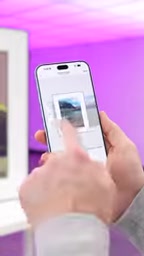
Navigation and controls are equally plain, with no pileup of complicated features. From the demo, it's positioned more as a "display terminal that hangs on the wall" than a smart device you need to learn.
The Product Line and Product Logic
The size lineup for this product line is already fairly clear: the Tella demoed here is 40.5 inches, and there was previously a 28.5-inch Tella version—same aspect ratio, just a different size. There's also a 31.5-inch Afresco, plus a teased high-end model called Duna, also using 40.5-inch color e-paper, with exterior design by the Italian studio Pininfarina.
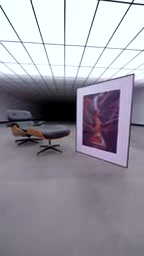
A note on the product thinking behind this category: what it sells isn't "display performance" but "unobtrusive visual presence." Non-emissive, silent, and practically maintenance-free on power—together these solve the problem of conventional screens looking "too much like an appliance" when hung at home, rather than refresh rate or gamut coverage.
Who Is Pininfarina
Pininfarina is a renowned Italian design studio founded in 1930 by Battista Pininfarina in Turin. It has long designed car bodies for brands such as Ferrari and Alfa Romeo and is one of the most influential names in automotive design history. In recent years its business has expanded into industrial design fields including architecture, furniture, and consumer electronics. The manufacturer's teased high-end model Duna, with exterior design by Pininfarina, means the product positioning is moving further from "display terminal" toward "home design object"—which echoes the product logic described above: selling unobtrusive visual presence rather than display performance specs.
Will It Replace the Painting on the Wall?
This is the question the presenter left at the end, and it's worth thinking through seriously. The strengths of a color e-paper frame are replaceability, zero interference, and low maintenance; the shortcomings are equally obvious—e-paper's color saturation and dynamic performance can't compare with self-emissive screens, making it better suited to "slow display" of static images than to video or high-contrast content.
For people who like changing their wall visuals frequently but don't want another glowing screen at home, this is a middle path. But whether it can replace traditional artworks depends on whether you value "the original work and its materials" or "the rotatability of content." At least at the A1 size, color e-paper makes this question debatable for the first time.
Background Notes
Why E-Paper Uses Almost No Power
E-paper forms images through electrophoresis: charged pigment particles are suspended inside microcapsules, and when an electric field is applied, the particles move to the top or bottom of the capsule to form a visible image. The key point is that after the particles move to their target positions, they stay put due to physical adsorption even when power is removed, so the image is "retained"—meaning power consumption during static display is close to zero. Power is needed only when refreshing the image and re-driving the particle arrangement. This is fundamentally different from LCD/OLED, which must be continuously powered to maintain pixel state and backlight. It's precisely this trait that lets e-paper devices stretch battery life to months or even years in scenarios where they hang on the wall long-term and change images only occasionally.
Related articles
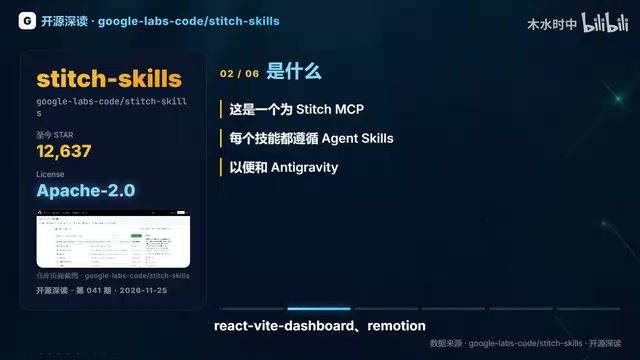
Google Stitch Skills: Connecting Coding Agents to the Design Workflow
Google Stitch Skills is an Agent Skills library following the open standard, adding a design-to-code workflow to the Stitch MCP Server. This article breaks down its three skill groups, SKILL.md directory structure, installation paths, and dependency pitfalls.

Jingle Jam Memories: RT's Awkward First Encounter with Lewis
RT shares his awkward first Jingle Jam experience: unexpectedly pushed into the studio, meeting Lewis and Yogg's cast, and Toddy appearing in armor.
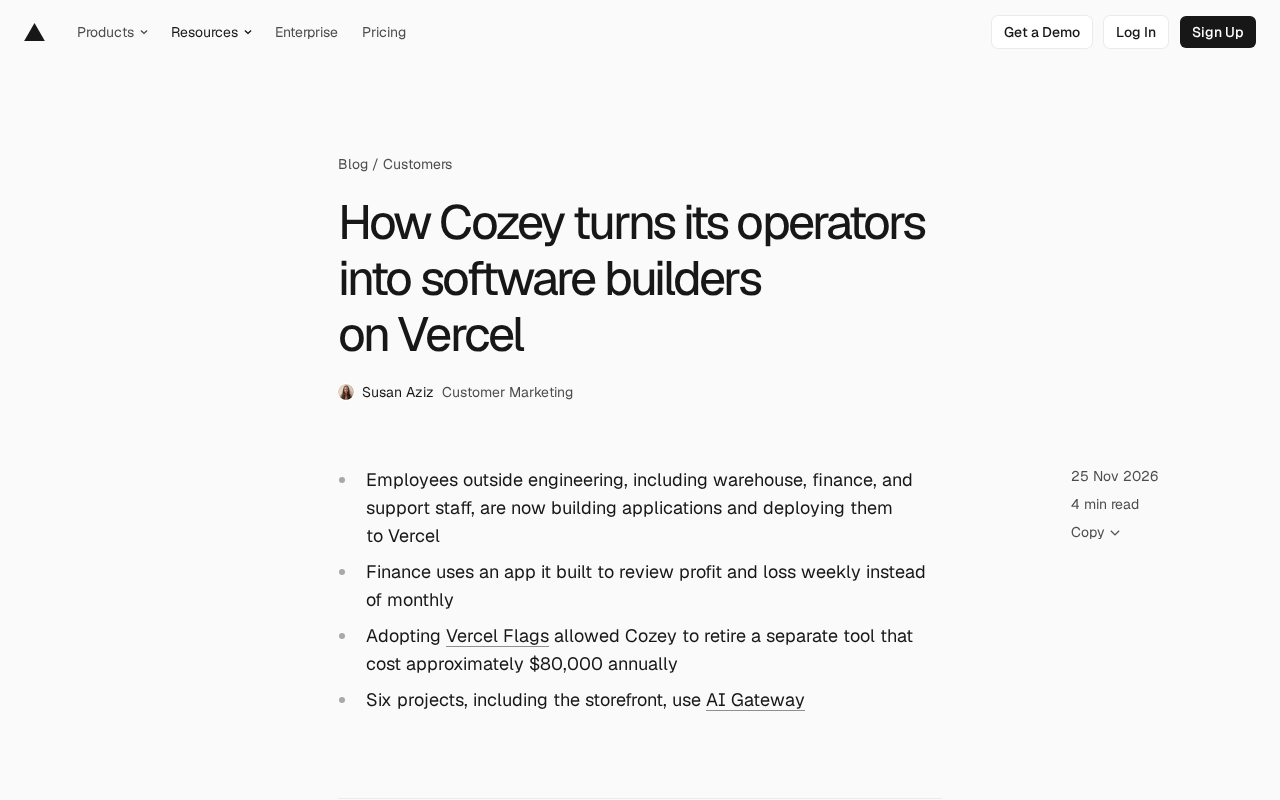
How Cozey Turned Warehouse and Finance Staff into Software Developers
Cozey lets warehouse, finance, and support staff build and deploy apps on Vercel, boosting weekly finance reviews and replacing an $80K/year tool. Learn the non-technical developer model and AI Gateway governance practices.