40,000 DHS Employees' Data Breached: Anatomy of a Hacker Attack
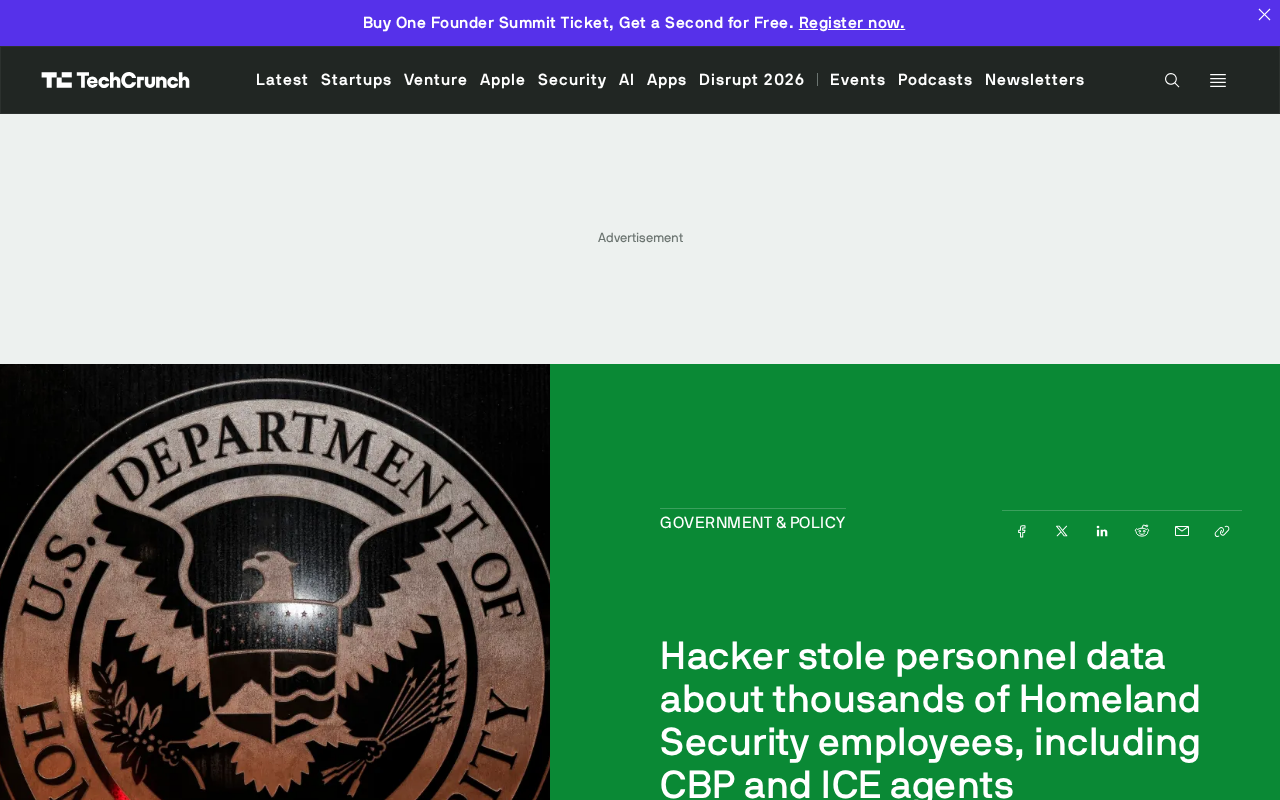
Hacker stole and leaked personal data of over 40,000 DHS employees, including CBP and ICE agents.
According to security media, a hacker obtained and publicly released personally identifiable information (PII) of more than 40,000 U.S. Department of Homeland Security (DHS) employees, including agents from CBP and ICE. The article notes that the core risk goes beyond privacy invasion: exposure of law enforcement identities linked to personal data could enable targeted attack profiles, harassment, threats, and physical safety risks. The data selection appears deliberately targeted rather than random. The breach of over 40,000 records reveals systemic gaps in government data access controls and sensitive information protection, and serves as a reminder for AI and tech professionals to implement tiered permissions, encrypted storage, and anomalous access detection in personnel data systems. Due to limited source material, attack methods, hacker identity, and official responses remain undisclosed.
According to security media reports, a hacker successfully obtained the personally identifiable information (PII) of more than 40,000 U.S. Department of Homeland Security (DHS) employees and published the data online. The victims include agents from U.S. Customs and Border Protection (CBP) and Immigration and Customs Enforcement (ICE).
Incident Overview: Scale and Nature of the Data Breach
According to the original report, the leaked data involves more than 40,000 DHS personnel, the content is personally identifiable information, and the data has been publicly posted on the internet. This means that sensitive information such as the names, positions, and possibly contact details of the affected individuals is now fully exposed.
For law enforcement agencies, the exposure of employee personal information is especially dangerous. If the identity information of CBP and ICE agents is maliciously exploited, it could lead to harassment, threats, and even physical safety risks targeting law enforcement officers and their families.
Personally Identifiable Information (PII) is a core term in the information security field, referring to any data that can be used to identify, locate, or contact a specific individual, typically including name, Social Security number, date of birth, address, phone number, email, biometric records, and more. Under the U.S. legal framework, the definition and protection requirements for PII are scattered across regulations such as the Privacy Act, the Federal Information Security Management Act (FISMA), and state data breach notification laws. Once leaked, PII is often used for identity theft, social engineering attacks, and targeted phishing, making it one of the most monetizable data types in the cybercrime supply chain. For government agencies, employee PII also carries a national security dimension, as it can be cross-referenced with metadata such as job positions and security clearance levels.
Potential Security Threats to Law Enforcement Personnel
The core risk of this incident goes beyond privacy invasion. When the professional identities of immigration enforcement and border protection personnel are exposed in connection with their personal data, malicious actors can use this to build targeted attack profiles.
Although the original report did not disclose the hacker's specific motives or attack methods, the choice of affected targets suggests a clear focus—this was not random theft, but a deliberate targeting of personnel information within the federal law enforcement system.
Doxxing refers to the act of collecting and publicly releasing private information such as a person's identity, address, family members, and contact details without their consent, usually with the intent to incite harassment, intimidation, or retaliation. Unlike general data breaches, doxxing emphasizes the active public disclosure and targeting of information and is often used against groups such as law enforcement officers, journalists, and activists. In law enforcement contexts, doxxing can escalate into physical threats such as "swatting" (falsely reporting an emergency to lure SWAT teams to a target's home). Multiple U.S. states have criminalized doxxing-related conduct, and there are federal-level legislative discussions on protecting law enforcement officers' information, but enforcement and evidence collection still face technical obstacles such as cross-state and cross-border jurisdiction and anonymization.
Security Gaps Behind the Data Breach
The one-time acquisition and public release of more than 40,000 personal records exposes weak points in government agencies' data access controls and sensitive information protection. The current report does not specify the intrusion path, but whether the entry point was an external system vulnerability or internal privilege abuse, the result points to the same problem: once centralized storage of high-value personnel data is breached, the consequences are systemic.
For AI and tech professionals, this incident is also a reminder: when building data systems involving personnel information, tiered permissions, encrypted storage, and anomalous access detection are all indispensable. Automated security monitoring tools and AI-driven anomalous behavior analysis are becoming important means of defending against such large-scale data theft.
(Note: The original source material is limited; attack details, the hacker's identity, and official responses have not yet been disclosed, and further developments remain to be tracked.)
The Principle of Least Privilege (PoLP) is a fundamental design guideline for access control: any user, process, or system component should be granted only the minimum permissions necessary to complete its task, and only for the necessary duration. The principle was systematically articulated by Saltzer and Schroeder in 1975 and has been widely adopted in standards such as NIST SP 800-53 and ISO/IEC 27001. In personnel data systems, implementing PoLP means dividing data access tiers by role, enforcing separation of duties, regularly reviewing permissions, and promptly revoking access for departing personnel. It is critical because most large-scale data theft does not rely solely on external vulnerabilities but is achieved through lateral movement using abused legitimate credentials or over-privileged accounts.
One-line Summary
A hacker stole and publicly released personal information of over 40,000 DHS employees, including CBP and ICE agents.
Paragraph Summary
According to security media reports, a hacker obtained the personally identifiable information (PII) of more than 40,000 U.S. Department of Homeland Security (DHS) employees and publicly posted it on the internet; victims include agents from U.S. Customs and Border Protection (CBP) and Immigration and Customs Enforcement (ICE). The article notes that the core risk goes beyond privacy invasion: once law enforcement officers' identities are linked to their personal data and exposed, it could be used to build targeted attack profiles, leading to harassment, threats, and even physical safety risks. The data selection shows clear targeting rather than random theft. The article also points out that the one-time acquisition and public release of over 40,000 records exposes systemic weaknesses in government agencies' data access controls and sensitive information protection, and reminds AI and tech professionals to implement tiered permissions, encrypted storage, and anomalous access detection when building personnel information systems. Due to limited original material, attack methods, the hacker's identity, and official responses have not yet been disclosed.
Related articles
Ollama Local Deployment Guide: Run Open-Source LLMs with Zero Experience
Ollama local deployment tutorial: what Ollama is, why choose it, how to download, install, and run open-source LLMs, and use its API for custom development. Beginner-friendly.
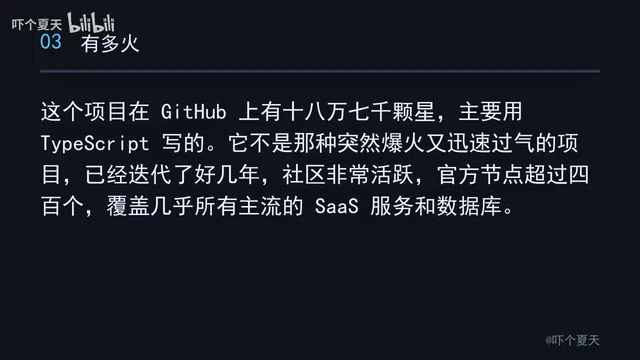
n8n: The 187K-Star Open-Source Automation Powerhouse That Turns Repetitive Work into Workflows
n8n is a 187K-star open-source visual workflow automation engine with 400+ nodes, Webhook/schedule/polling triggers, self-hosting for data security, and AI Agent support. Here's a guide to its core concepts, use cases, and pitfalls.
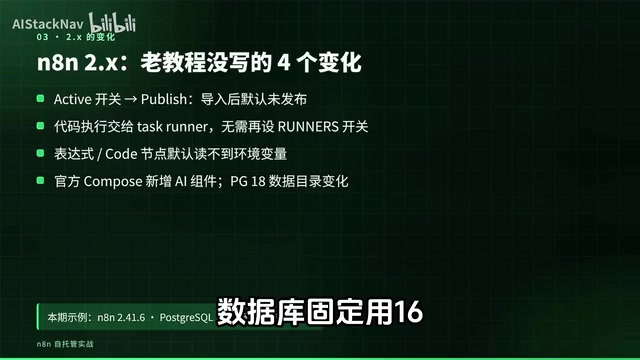
Self-Hosting n8n in Practice: Docker + PostgreSQL + Caddy Deployment Guide
A step-by-step guide to deploying a self-hosted n8n instance with Docker Compose, PostgreSQL, and Caddy automatic HTTPS, including env var pitfalls, Feishu alerting, and backup/upgrade/rollback tips.