A Café Owner Used AI to Make a Menu Poster — Why Did It Trigger an Avalanche of Angry DMs?
A café's AI poster went viral for the wrong reasons, exposing the fault lines between AI users and the creator community.
A small café owner used an AI tool to generate a menu poster to cut costs — a practical decision that triggered a wave of angry DMs and a 200+ comment debate on Hacker News. Opposition centered on three themes: fears that AI is displacing independent designers (especially given that AI models train on creators' unauthorized work), criticism that AI imagery's industrial aesthetic undermines indie brand identity, and the reality that publicly opposing AI has become a social signal in certain communities. The incident's core tension is that a simple cost-saving choice by an ordinary small business owner thrust them into the center of a major AI ethics debate — with community opinion sharply divided between "the anger is misdirected" and "individual choices add up." The episode signals that AI content transparency and platform data licensing accountability will remain persistent social issues.
The Storm Sparked by One AI Poster
A café owner used an AI tool to generate a menu poster — a practical move to cut design costs and get marketing materials up quickly. What followed was a flood of angry direct messages. This seemingly trivial incident earned 52 upvotes and over 200 comments on Hacker News, which says a lot: it struck a nerve at the center of an intensifying social tension — the widening divide between everyday users and the creator community over AI-generated content.
For the shop owner, making a poster with AI was simply a sensible business decision. A small independent café has no in-house designer, and commissioning a custom design could easily cost several days' worth of profit. An AI tool can produce an image in minutes for almost nothing. But for a segment of consumers and creators, that choice crossed a line.
Where Does the Anger Come From?
The intensity of the community discussion makes clear that resistance to AI-generated content has become widespread. The core arguments from critics tend to cluster around a few themes.
Concerns About Creators' Livelihoods
The most immediate backlash came from designers, illustrators, and their supporters. Their argument: every time a business chooses AI over a human designer, it squeezes the already-precarious livelihoods of independent creatives. When the training data powering these AI tools was itself scraped from vast amounts of unauthorized human work, the logic of "using creators' work to train a tool that then replaces creators" carries an ethical charge that many find deeply unfair.
The training data question behind AI image generation tools — Midjourney, Stable Diffusion, DALL-E, and others — is the core technical backdrop to this debate. These models are typically trained on billions of images crawled from the internet, including enormous quantities of copyrighted illustrations, photography, and design work, without the knowledge, consent, or compensation of the original creators. In effect, creators' labor is used to build a commercial tool that then competes against them. Since 2022, multiple artists in the US and UK have filed class-action lawsuits against AI companies for copyright infringement, though the legal frameworks remain unsettled; the eventual rulings will have far-reaching consequences for the AI content generation industry. This context transforms the question of AI training data licensing from a dry legal dispute into a flashpoint for collective creator grievance.
Aesthetic Rejection and the "AI Look"
Another source of aversion is the distinctive visual quality of AI-generated imagery. Many people can now spot it instantly — the unnaturally smooth textures, the uncanny details, the formulaic compositions. For a small café that trades on local character and personal warmth, a poster that screams "made by AI" could actually undermine the brand, signaling to customers that the owner couldn't be bothered or lacks authenticity.
The so-called "AI aesthetic" refers to the visual signatures that appear consistently in output from mainstream image generation models: skin that looks waxy and over-smoothed, lighting that defies physics, hands with the wrong number or structure of fingers, illegible distorted text, and compositions that converge toward the "high-engagement image" styles dominant in the training data. These traits stem from how the models work — diffusion models are essentially sampling from a statistically "most likely correct" pixel distribution rather than genuinely understanding spatial relationships or physical reality. As public exposure to AI imagery grows, so does the ability to recognize these tells. For independent small businesses whose brand narrative depends on a sense of place and human touch, the industrial quality of AI imagery creates a natural conflict — one that may end up communicating exactly the opposite of the intended message.
The Social Signaling Dimension
It's also worth noting that boycotting AI content has evolved into a behavior with distinct social signaling properties. In certain communities, publicly opposing AI-generated content earns social recognition — which means the DM bombardment isn't only personal frustration; it's also the amplified output of collective emotional momentum.
The behavior of mass DM campaigns and public AI content boycotts can be understood sociologically through the concepts of "moral licensing" and "group polarization." When opposing AI becomes the dominant norm in a community, individual members gain social affirmation from publicly expressing that opposition — and group discussion continuously amplifies the most hardline voices, creating a positive feedback loop. Hacker News itself skews toward a tech-industry and startup-founder audience, which differs meaningfully from creator communities (the illustrator communities on Twitter/X, or DeviantArt users, for instance). The 200+ comment thread on Hacker News showed clear ideological fractures rather than a unified condemnation — a direct reflection of two distinct community value systems colliding.
The Small Business Owner's Dilemma
The real tension in this story is how a sprawling AI ethics debate gets compressed onto the shoulders of one ordinary small business owner.
The café owner is neither a tech giant nor a capitalist deliberately exploiting creators — just an individual operator trying to save time and money. Demanding that every small business pay for professional design isn't always realistic; but completely ignoring the creator community's feelings risks real reputational damage. This individual-level bind is the most authentic friction point in AI's spread into everyday life.
The Hacker News comment section reflected a clear split: one side argued that the anger directed at the shop owner was "misplaced rage" — the real targets should be the AI companies and the data licensing questions, not an ordinary person using a tool to solve a practical problem. The other side maintained that it's precisely the accumulation of countless "I just want to save a bit of money" decisions that, in aggregate, delivers a real blow to the entire creative industry.
The Larger Trends This Dispute Reflects
The café poster incident resonated widely because it's a concrete, relatable microcosm. The same scene is playing out everywhere — blog images, social media graphics, product packaging, promotional videos — as more and more everyday content comes from AI, and every instance risks touching a raw nerve in the creator community.
A few directions seem predictable:
- Labeling and transparency will become a flashpoint. Some businesses may proactively disclose "AI-assisted design," while others may do the opposite and market "human-designed" as a selling point.
- Platform and tool accountability will continue to be questioned. Data licensing and creator compensation mechanisms won't disappear just because individual incidents blow over.
- Social consensus is still forming. Attitudes toward AI content are deeply polarized right now, and uniform standards are unlikely in the near term — which means individuals will continue to serve as convenient outlets for collective frustration.
Conclusion
A café menu poster shouldn't have to become a battleground. But it did — and in doing so, it exposed the unresolved tensions that emerge when AI technology enters everyday life: efficiency versus ethics, individual choice versus collective impact, convenience versus fairness. For small business owners, it's a reminder that using AI tools requires weighing brand image and audience sentiment alongside cost savings. For society at large, how to let AI tools benefit ordinary people without sacrificing creators' rights remains an open question with no clean answer.
Related articles
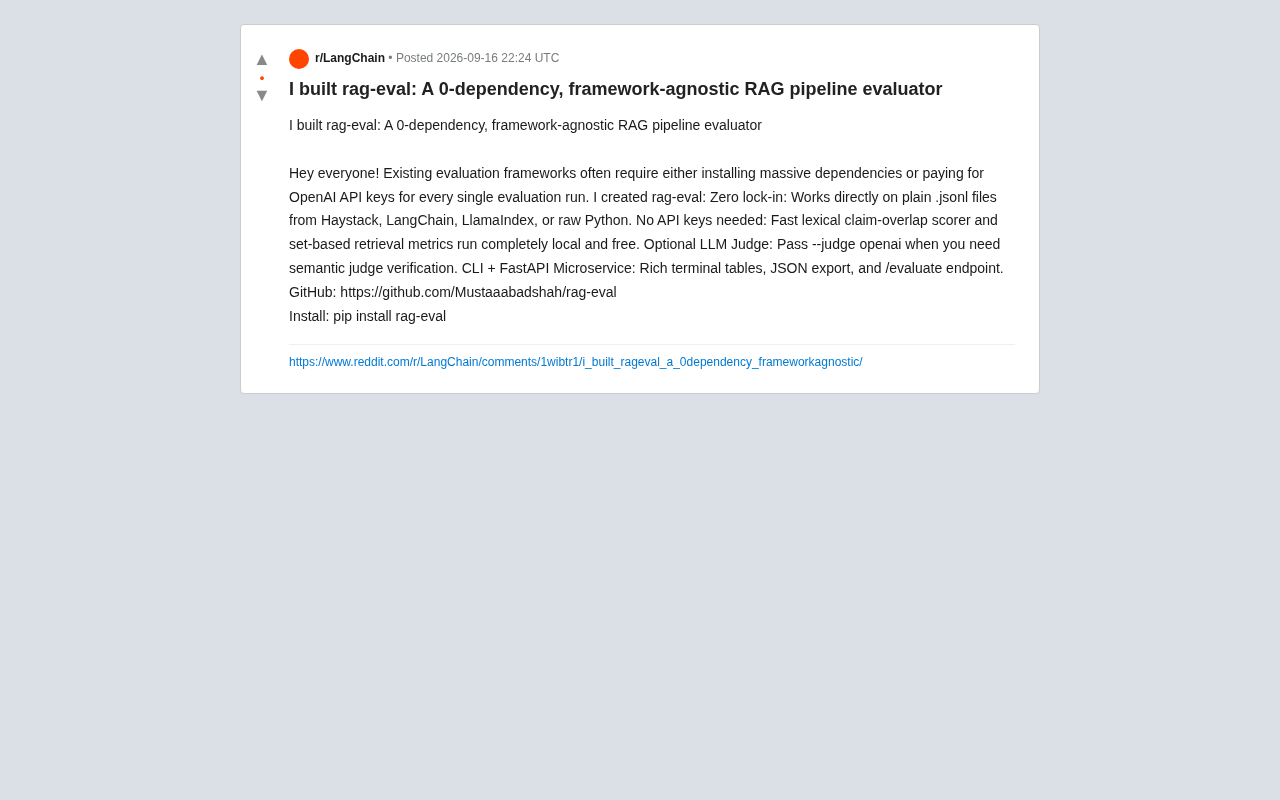
rag-eval: A Zero-Dependency, No-API-Key RAG Evaluation Tool
rag-eval is a zero-dependency, framework-agnostic open-source RAG pipeline evaluation tool. It supports free local lexical and retrieval metrics with no API keys required, and offers optional LLM Judge for semantic validation. Compatible with Haystack, LangChain, and LlamaIndex.
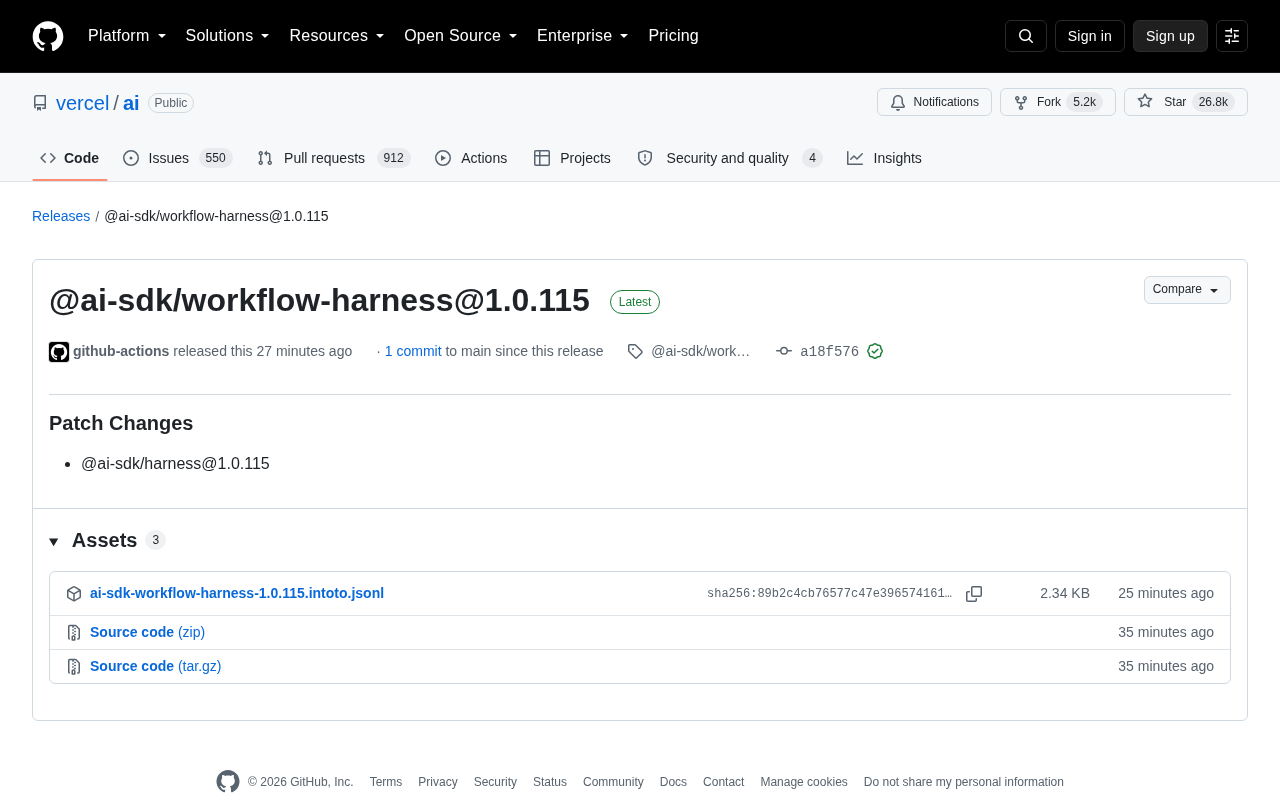
Vercel AI SDK Releases workflow-harness 1.0.115 Patch Update
Vercel AI SDK releases @ai-sdk/workflow-harness 1.0.115 patch update, syncing the @ai-sdk/harness dependency. Learn about the update, release mechanism, and what it means for developers.
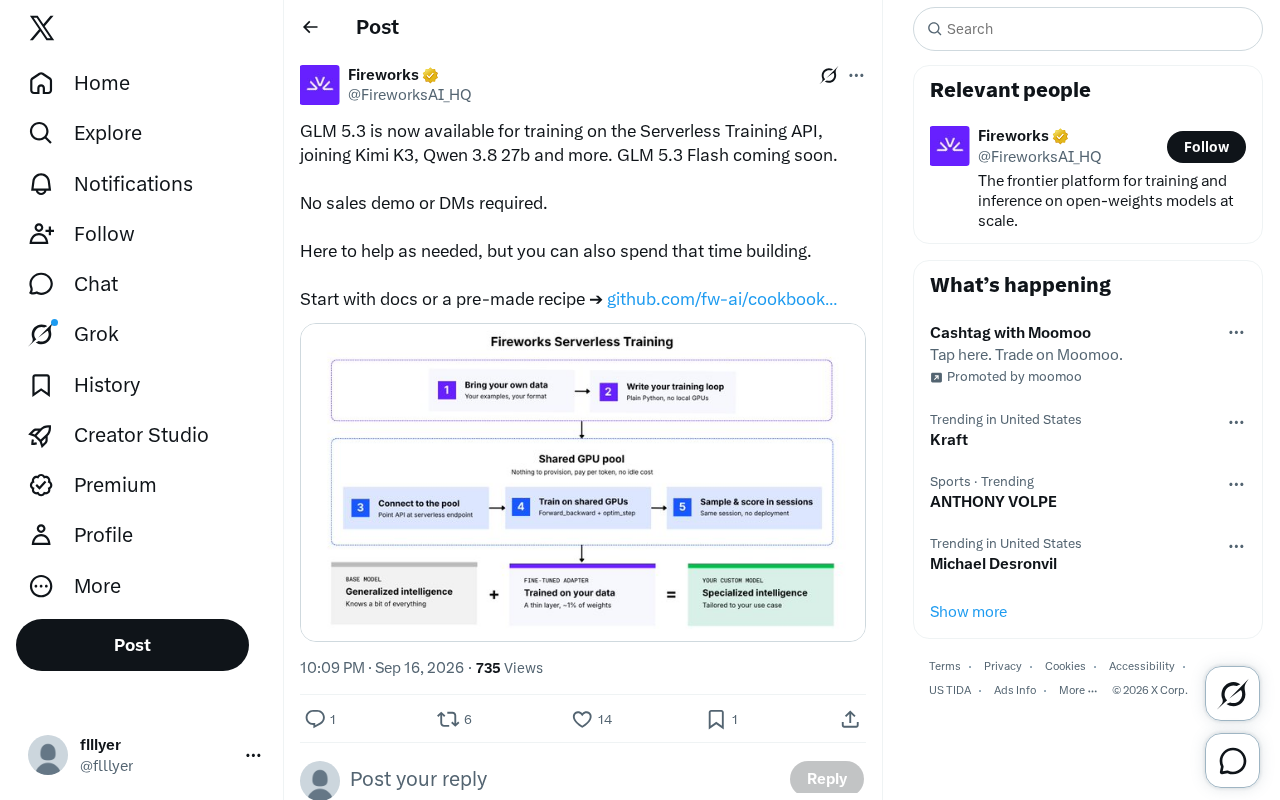
GLM 5.3 Now Available on Serverless Training API — No Sales Process Required
GLM 5.3 is now available on Serverless Training API alongside Kimi K3 and Qwen 3.8 27b. No sales process needed — start fine-tuning directly via docs or pre-made recipes.