After the Cost of Writing Code Collapses, We All Become Product Engineers
As AI makes coding nearly free, engineers' core value shifts to product thinking, user insight, and experience design.
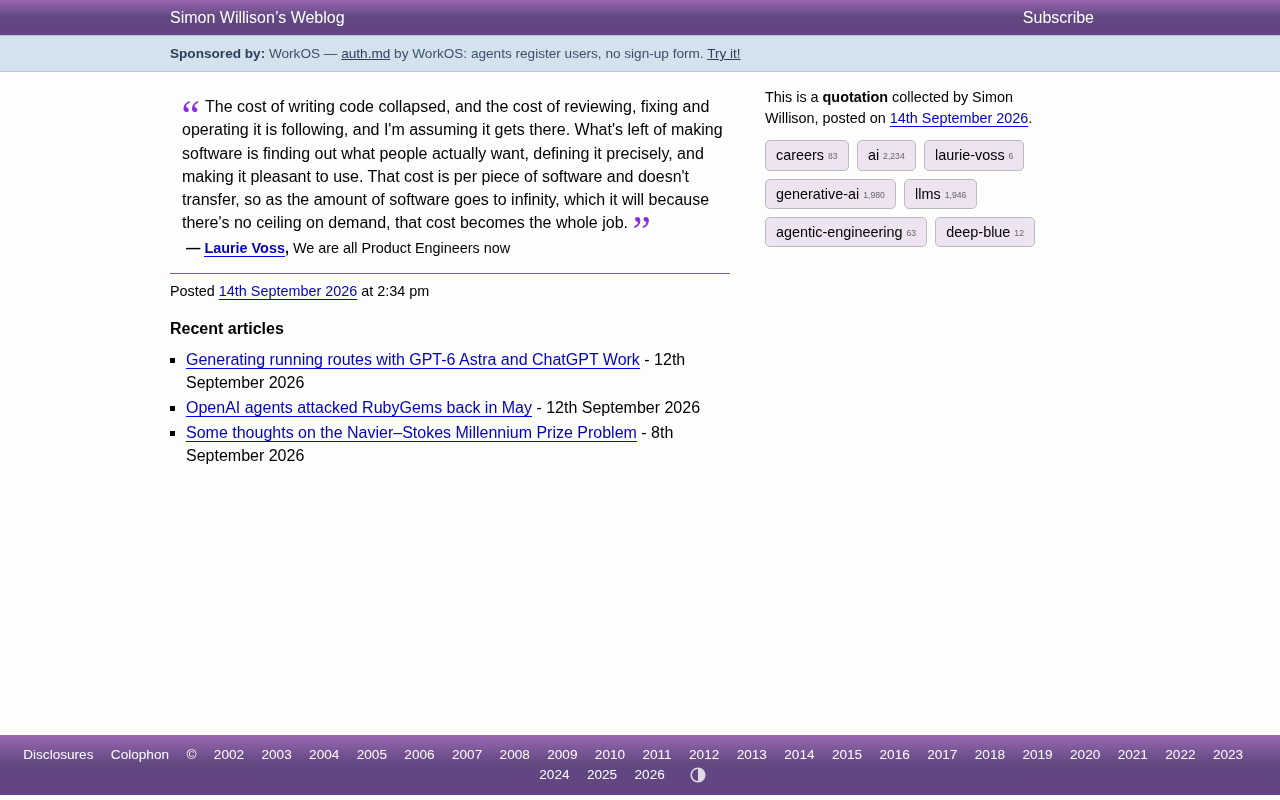
In *We are all Product Engineers now*, Laurie Voss argues that generative AI and agentic engineering have collapsed the cost of writing code, with review, maintenance, and operations costs following. What remains in software creation is figuring out what users truly want, defining it precisely, and making it delightful — costs that are non-transferable and must be paid fresh for every product. Since software demand has historically grown every time costs dropped, the total volume of software will explode, making product judgment the truly scarce skill. For developers, pure coding speed is an increasingly narrow bet; product intuition and user empathy are the more durable moat in the AI era.
When Writing Code Is No Longer the Bottleneck
In his article We are all Product Engineers now, Laurie Voss makes a sharp observation: the cost of writing code has already collapsed, and the cost of reviewing, fixing, and operating that code is following close behind. Driving this trend is the deep restructuring of software development by generative AI and agentic engineering.
In his own words: "The cost of writing code has collapsed, and the cost of reviewing, fixing and operating it is following it down, and I'm assuming it will eventually reach the same low point." Simple as it sounds, this points to the most fundamental role shift software engineering has seen in nearly three decades — when machines can produce code efficiently, where should human engineers reposition their value?
What Work Remains
Voss gives a clear and concrete answer. When writing, reviewing, fixing, and operating code all trend toward cheap, what truly remains in software creation is: figuring out what people actually want, defining it precisely, and making it delightful to use.
These three things are precisely the core responsibilities of traditional "product" work — not pure "engineering" work. In other words, as AI dramatically compresses the coding step, engineers' center of gravity is shifting toward product thinking. Understanding real needs, translating vague ideas into precise specifications, and polishing interaction experiences — these capabilities cannot be easily automated, because they require deep understanding of people and context.
Why This Cost Cannot Be Amortized
One of the most insightful points in Voss's argument concerns cost structure. He notes that costs like understanding requirements, defining products, and polishing experiences are "per piece of software" — they exist separately for each software product and are non-transferable.
This stands in sharp contrast to code itself. Code can be reused, encapsulated in libraries, and batch-generated by AI, with marginal cost approaching zero. But the question of "what problem does this specific product solve for which people" must be answered fresh for every new piece of software. It cannot be abstracted and reused the way general-purpose code can.
A key corollary follows: as the volume of software trends toward infinity — which Voss believes is inevitable, since demand has no ceiling — this non-transferable cost of product definition will gradually become the entirety of the work involved in building software.
The Implications of Unlimited Demand
The assumption that "demand for software has no ceiling" is worth unpacking. Historically, every reduction in development costs has never actually decreased the total number of software developers — instead, it spawned more software categories and a larger industry. From assembly to high-level languages, from manual deployment to cloud-native infrastructure, every time costs dropped a notch, demand filled the newly created space.
If AI makes writing code nearly free, following this logic, the total volume of software will explode rather than the industry contracting. What becomes truly scarce will no longer be people who can write code, but people who can judge what should be written. This explains the shift implied in the title — in such a world, nearly everyone will need to become some kind of product engineer.
Implications for Developer Career Paths
This argument has direct practical implications for today's practitioners. If Voss's assessment holds, betting your professional value purely on "writing fast and writing a lot" is an increasingly narrow path. Conversely, developing product intuition, the ability to surface real needs, and experience design skills will become a more durable competitive moat.
It's worth noting that this doesn't mean engineering skills become unimportant — rather, how engineering skills are expressed is changing. The shift is from personally writing every line of code to directing AI, reviewing its output, and applying technical capability in service of understanding users' real pain points. The boundary between engineer and product manager is being quietly erased by this cost revolution.
This observation from Laurie Voss aligns closely with the themes Simon Willison has long followed — generative AI, agentic engineering, and more — and represents a notable voice in the current tech community's debate about developer positioning in the AI era. It may not be the final answer, but it offers a sufficiently clear mental framework: when machines take over manufacturing, human value returns to judgment and empathy.
Related articles
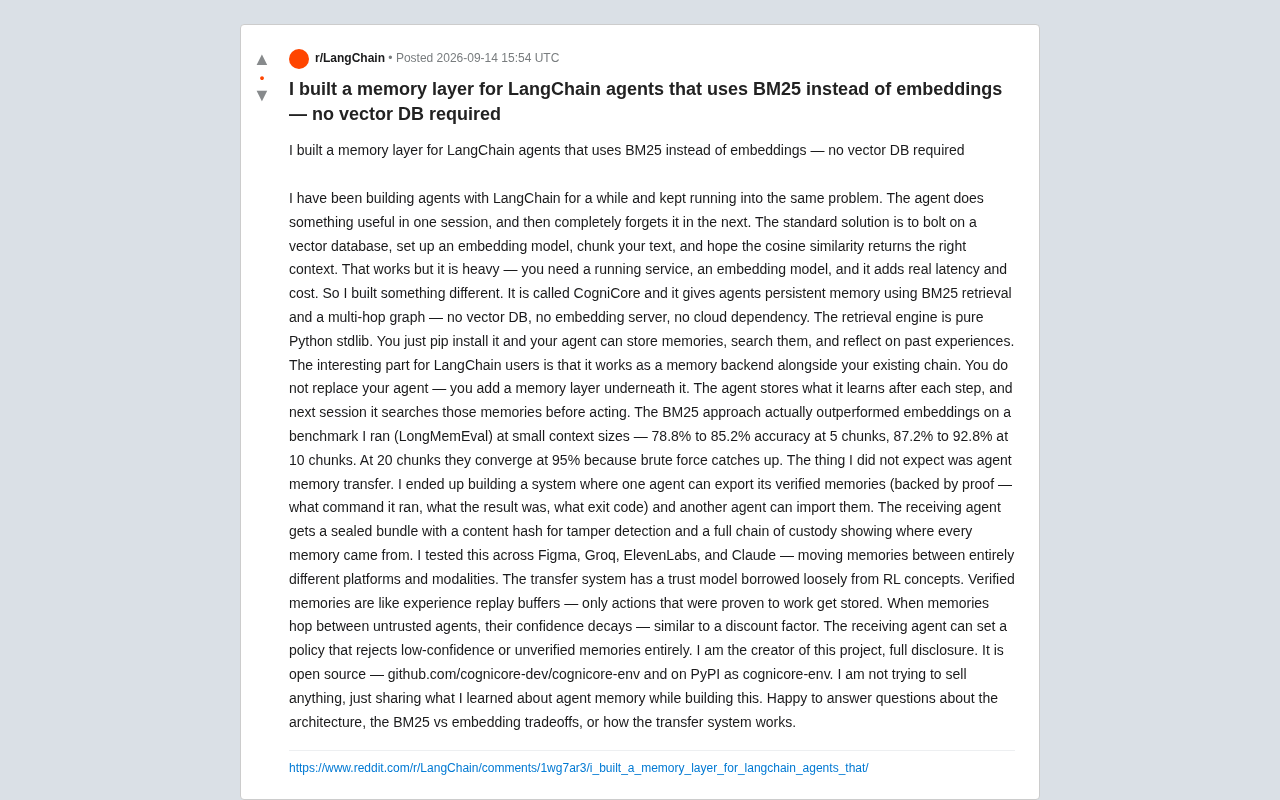
Ditch the Vector Database: Building a Memory Layer for LangChain Agents with BM25
CogniCore replaces vector databases with BM25 retrieval for LangChain agent memory, outperforming embeddings in small-context benchmarks with zero external dependencies.
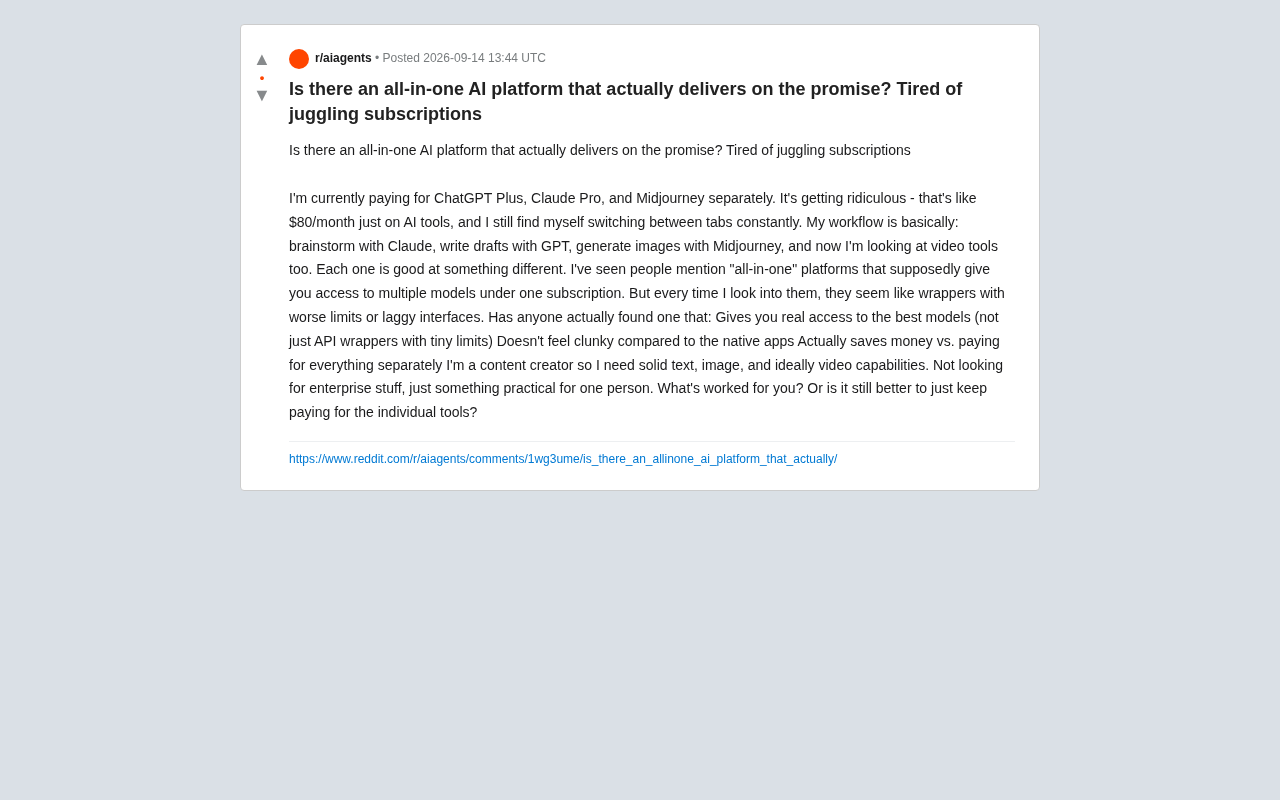
Are All-in-One AI Platforms Actually Worth It? A Practical Guide to Escaping Subscription Overload
Tired of paying for ChatGPT, Claude, and Midjourney separately? We break down whether all-in-one AI platforms are actually worth it — and what a smarter subscription stack looks like.
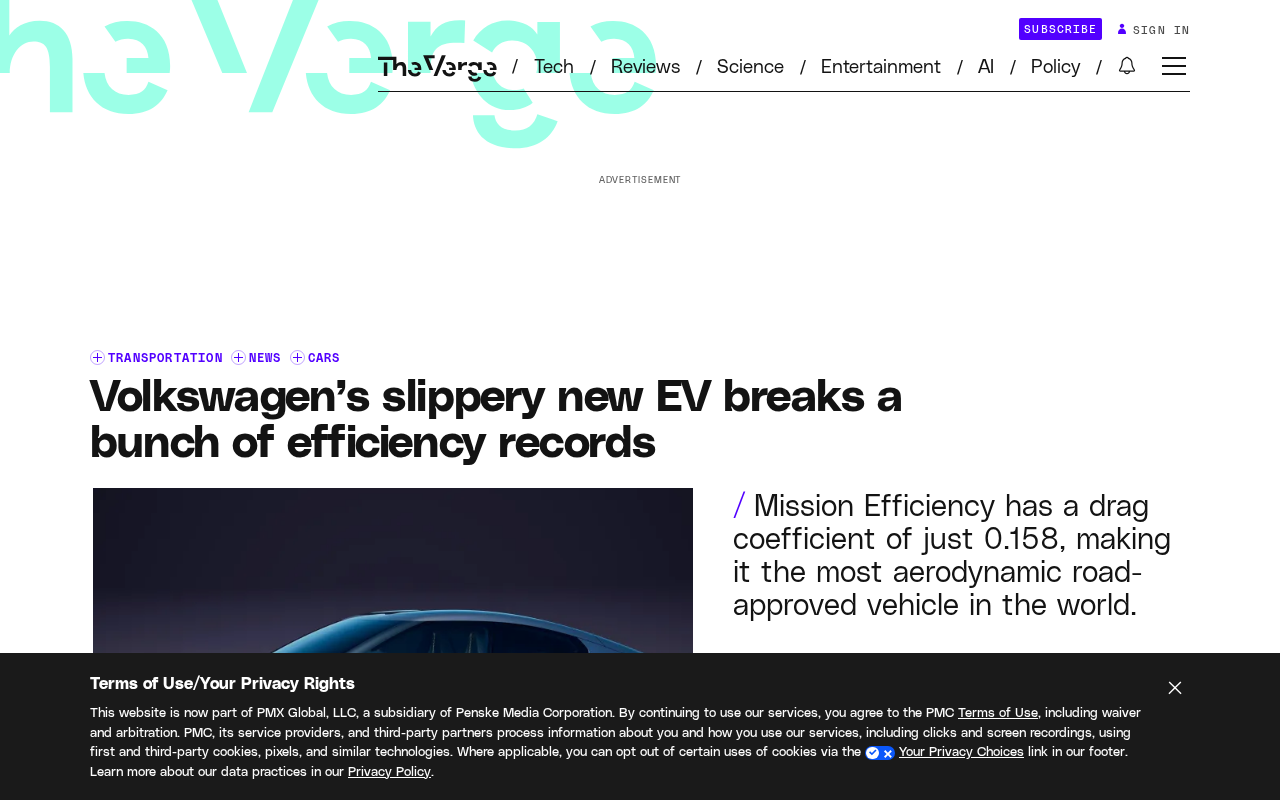
Volkswagen Mission Efficiency: The World's Lowest-Drag EV Breaks Multiple Efficiency Records
Volkswagen's Mission Efficiency prototype claims the world's lowest drag coefficient, built on MEB+ platform with ID. Polo and ID. Cross components. Here's what it means for EV efficiency.