After Towns Cancel Flock Contracts: The Lingering Fallout of AI License Plate Recognition Cameras
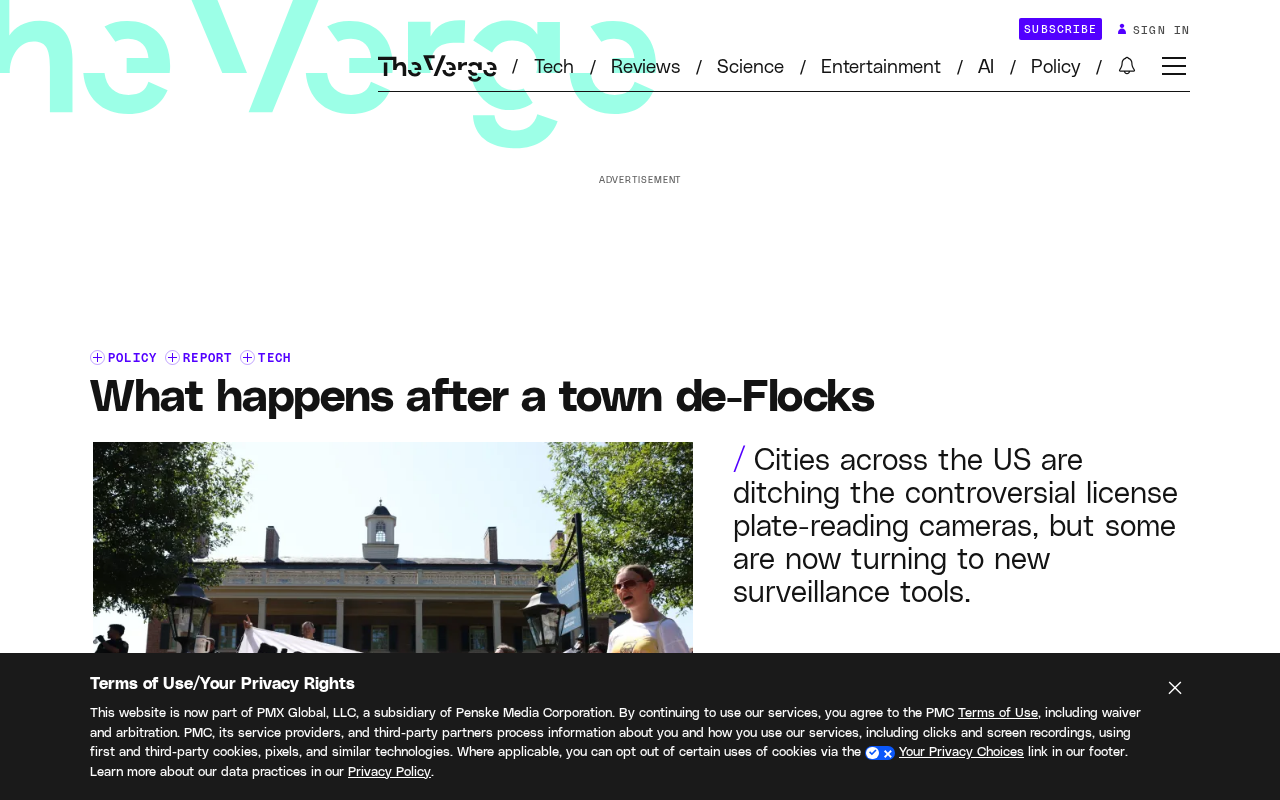
US towns are canceling Flock ALPR contracts, but lingering data retention reveals "de-Flocking" is far from a clean break.
A wave of local governments across the US are canceling contracts with Flock Safety following public backlash against its indiscriminate, round-the-clock license plate surveillance. However, the article argues there is a significant gap between ending a contract and actually solving the problem: cameras aren't immediately removed, and the massive vehicle tracking data collected during the contract period doesn't automatically disappear — creating a gray zone where the agreement is over but the data lives on. The core risk of ALPR technology isn't any single scan, but the cumulative data trail that can reconstruct a person's complete daily movements. The article concludes that while this cancellation wave signals real public resistance to AI surveillance business models, without governance rules covering collection, retention, and deletion, surveillance's footprints will endure long after the contracts end.
When Towns Choose to "De-Flock"
From Florida to Washington State, local governments across the United States are canceling their contracts with Flock. The company is the vendor behind controversial AI-powered license plate recognition cameras (ALPR, Automated License Plate Readers), and the direct trigger for this wave of departures is mounting public protest.
Flock Safety has long positioned itself as a technology partner helping law enforcement track vehicles and solve crimes. Its network of cameras, scattered throughout communities, automatically records the license plates, timestamps, and locations of passing vehicles. But it's precisely this model of "indiscriminate, round-the-clock" data collection that has sparked intense concern from privacy advocates and ordinary residents alike — when every trip you take is silently logged, where exactly does the boundary of surveillance lie?
Canceling a Contract ≠ Cameras Disappearing Immediately
What's worth noting is that terminating a contract doesn't mean the problem is solved. Original reporting points out that even after a local government ends its relationship with Flock, the cameras installed at intersections and neighborhood entrances aren't necessarily removed right away.
Several practical obstacles stand in the way: physically dismantling the hardware takes time and budget, and ownership and disposal of the equipment often hinges on specific contractual terms. Meanwhile, the massive amounts of data collected by those cameras during the life of the contract won't automatically disappear once the agreement expires. In other words, when a town announces it's going "Flock-free," it's largely a political and policy gesture — not an immediate technical severance.
This gray zone — where the contract has ended but the data lives on — is precisely the part of the privacy conversation most easily overlooked. Where the archived license plate location data is stored, who holds it, how long it's retained, and whether it can be accessed by third parties: these questions remain unresolved even after the contract is terminated.
Data Retention: The Real Long-Term Risk
The core controversy around ALPR technology has never just been about "what was captured" — it's about "how long the records are kept and what picture they can paint." A single license plate scan seems harmless enough, but when a system continuously accumulates a vehicle's locations and timestamps over time, it becomes more than sufficient to reconstruct the owner's daily movement patterns, commute routes, and lifestyle habits.
Once a town exits the Flock ecosystem, the fate of historical data becomes a critical question. Without explicit deletion mechanisms and regulatory requirements, that data could sit dormant on servers for years, representing a latent risk of misuse. For residents, the contract's end brings psychological comfort — but it doesn't necessarily mean their past whereabouts have been truly erased.
What This Wave of Cancellations Actually Signals
Contract cancellations spanning multiple states reflect a shift in public attitudes toward AI surveillance technology. The business model that allowed technology vendors to rapidly expand their footprint under the banner of "public safety" is now facing meaningful resistance at the community level.
For those following technology ethics, the Flock situation offers a textbook case: when an AI technology is deployed far faster than regulation and public awareness can keep pace, backlash is almost inevitable. What truly needs to be built isn't just a contract-level decision about whether to keep using the technology — it's a comprehensive, transparent set of rules governing data collection, retention, and deletion across the entire data lifecycle.
Towns can choose to go "Flock-free," but if the supporting data governance infrastructure is absent, the traces left by surveillance will persist for a long time. This is a reminder to every institution deploying AI surveillance systems: it's easy to sign a contract, hard to exit one; easy to collect data, even harder to erase it.
Note: This article is based on limited original reporting. Certain details — such as the specific list of towns and data retention periods — were not fully elaborated in the source material. Readers are encouraged to consult the complete reporting for more information.
Related articles
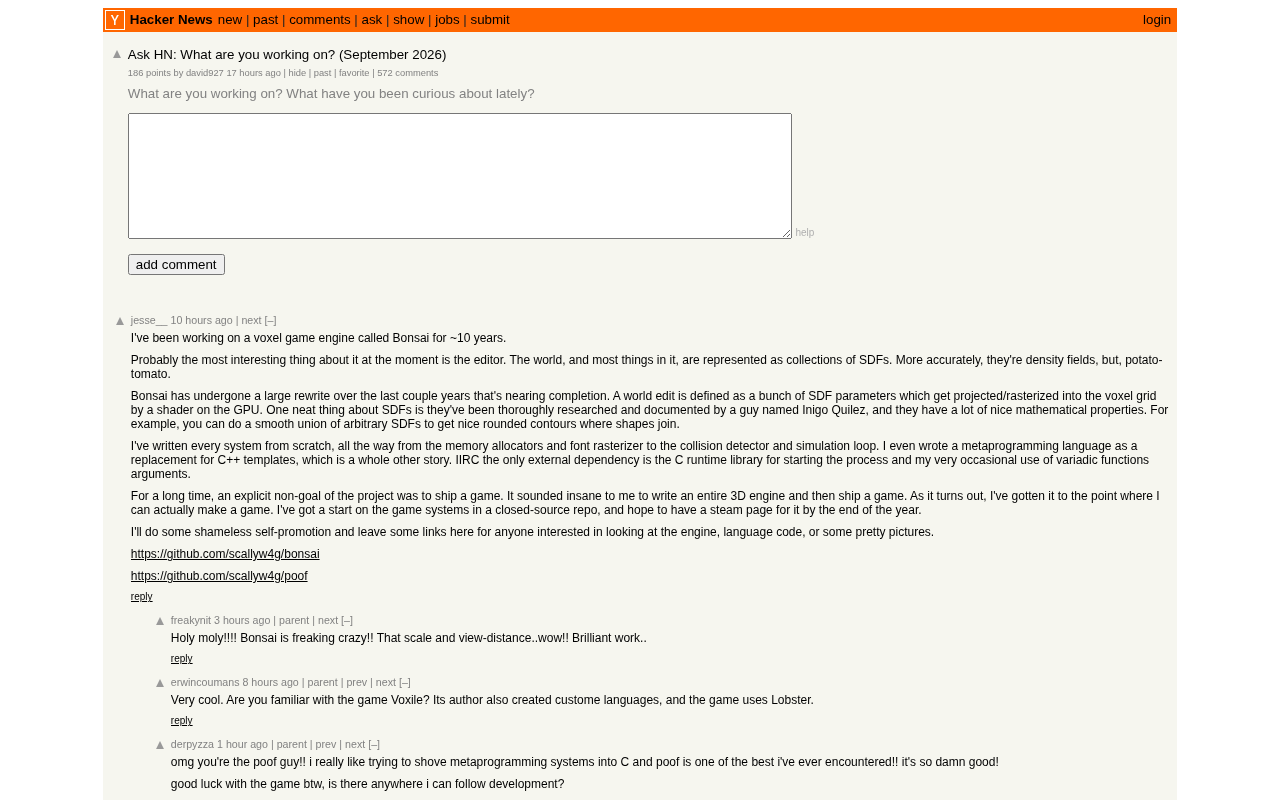
Hacker News Monthly 'What Are You Working On?' Thread: A Window Into the Developer Community
Hacker News's monthly 'What are you working on?' thread drew 180 upvotes and 558 comments. We explore why this community ritual persists and what it reveals about developer trends.
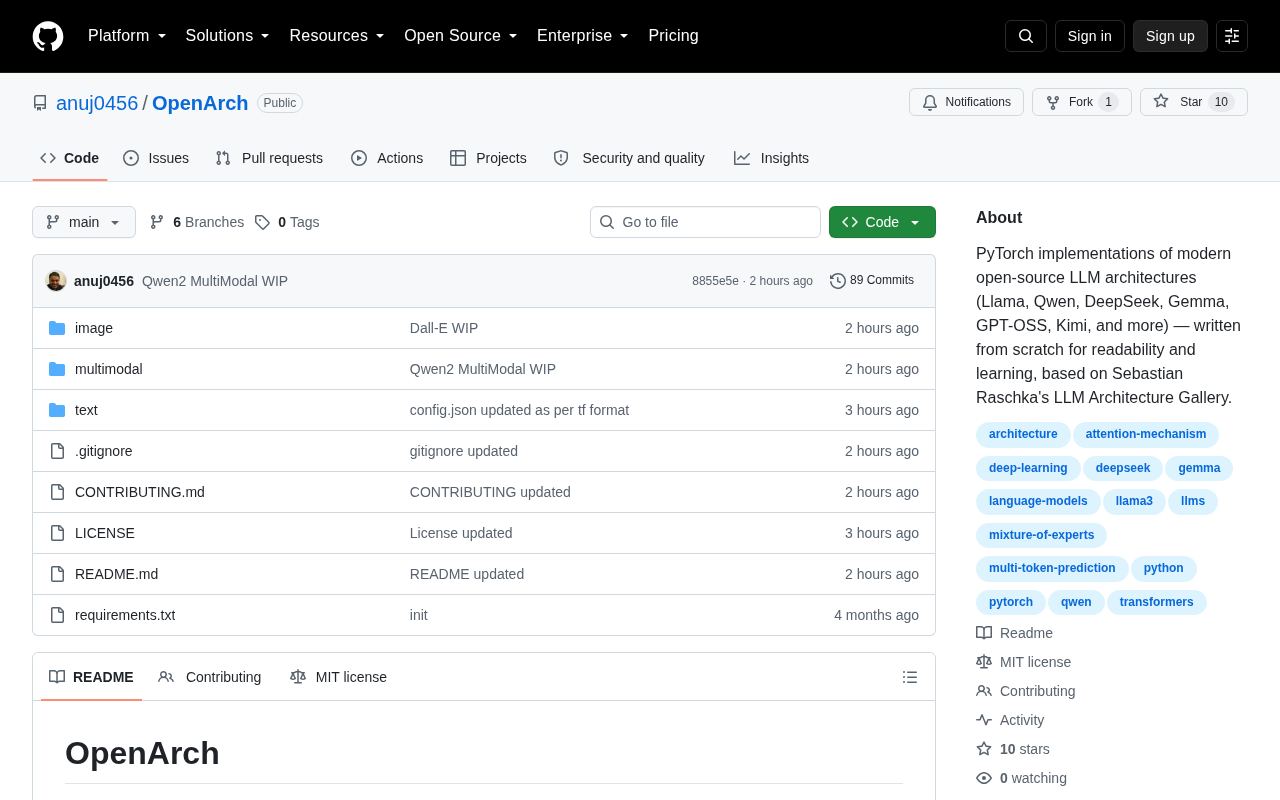
OpenArch: An Open-Source Project Reimplementing Modern LLM Architectures in PyTorch
OpenArch is an open-source PyTorch project reimplementing modern LLM architectures with a focus on clean, readable code. Learn about its value for learners and researchers.
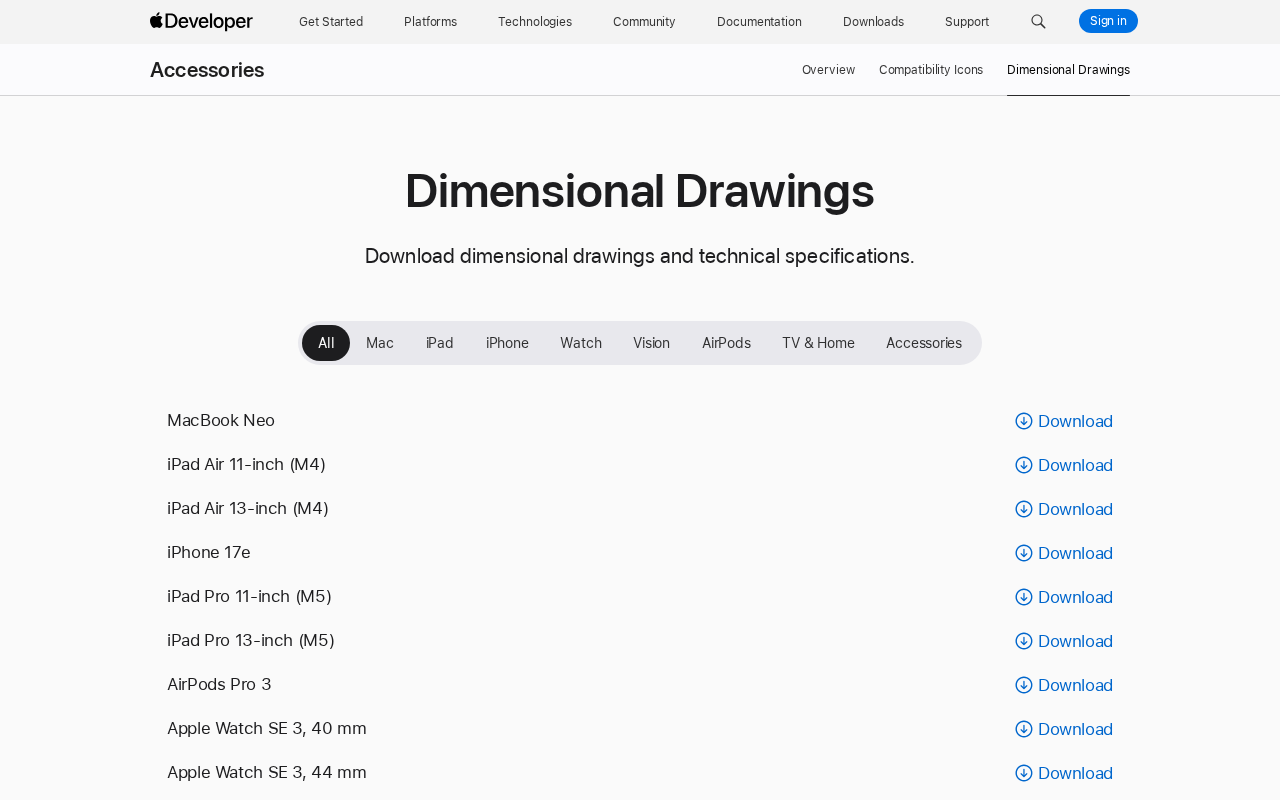
Apple Releases Accessory Dimensional Drawings: The Invisible Foundation of Its Hardware Ecosystem
Apple has published Dimensional Drawings on its developer portal, giving third-party accessory makers precise device specs. Here's what it means for the hardware ecosystem.