AI in Schools: What America's First Campus AI Safety Protocol Actually Means
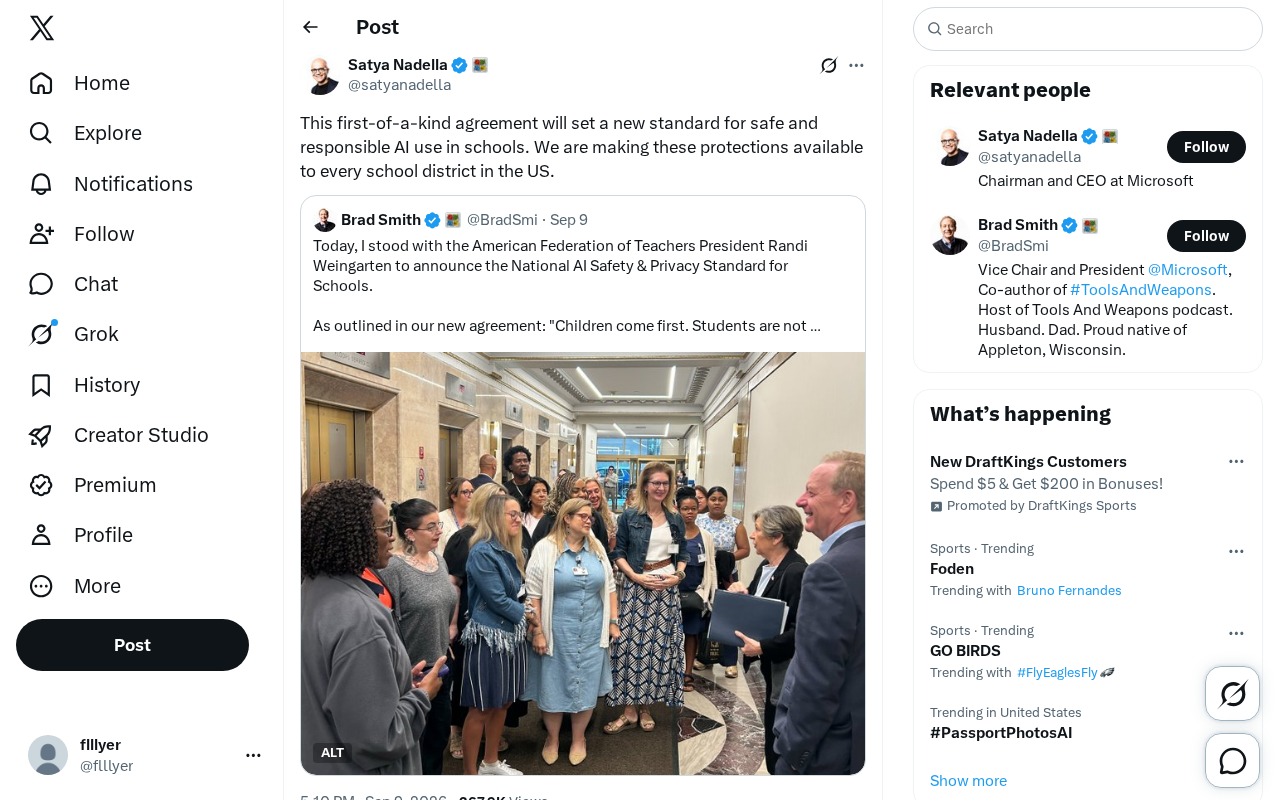
A first-of-its-kind school AI safety protocol promises national coverage, but key details remain absent.
A brief announcement unveiled a "first-of-a-kind" AI safety protocol for schools, claiming it will set unified standards for every U.S. district. The article notes that generative AI has entered classrooms faster than institutions can respond, with data privacy, content safety, academic integrity, and equity as the core challenges. If the protocol delivers, it could become an industry benchmark, lower barriers for under-resourced districts, and embed safety responsibility before deployment rather than after. However, the announcement lacks critical details — specific terms, signatories, enforcement mechanisms, and oversight — prompting the author to urge caution toward "first-of-a-kind" claims and keep focus on whether the protocol will genuinely protect students.
A Short Announcement Sending Big Signals in EdTech
A single tweet caught the attention of the education technology world: a so-called "first-of-a-kind" protocol would set new standards for AI use in schools, with a promise to make those protections available to every school district in the United States.
The original message was brief, but it touched on one of the most sensitive and urgent questions in education today — how to embrace generative AI tools while establishing meaningful safety and accountability boundaries for students and teachers alike.
"This first-of-a-kind agreement will set new standards for safe and responsible AI use in schools. We're making these protections available to every school district in America."
Why School AI Needs "Safety Standards"
Generative AI has entered classrooms far faster than most educational institutions were prepared to handle. Students use it to write assignments and conduct research; teachers use it to plan lessons and provide feedback; and district administrators are left grappling with a cascade of difficult questions:
- Data privacy: How are minors' personal information protected within AI systems?
- Content safety: How do you prevent students from encountering inappropriate or harmful content?
- Academic integrity: Where exactly is the line between AI assistance and cheating?
- Equity of access: Will AI widen the gap between well-resourced and under-resourced districts?
At its core, a "safe and responsible AI use standard" is an attempt to provide a workable framework for all of these problems. The pledge to extend protections to "every school district" also hints at an ambition to address the equity issue — preventing the benefits of AI from flowing only to schools with the resources to negotiate favorable terms.
What a "First-of-a-Kind Protocol" Could Actually Mean
In partnerships between education and AI companies, a single school or district signing with a technology vendor is nothing new. But an agreement that aims to operate at a national scale and explicitly sets out to "establish new standards" is relatively rare. If this kind of protocol truly takes hold, it could have several layers of impact:
Setting a Benchmark for the Industry
Once a protocol is widely adopted, the privacy clauses, content moderation mechanisms, and usage guidelines it contains can become the default reference point when other vendors and districts negotiate. Once a standard is established, those who come after typically need to match or exceed it.
Lowering the Decision-Making Burden on Districts
For small and mid-sized districts without dedicated technical teams, evaluating the safety of an AI tool from scratch is enormously difficult. A ready-made, endorsed protocol template could significantly lower the barrier and reduce the risk of adopting AI tools.
Making "Responsibility" a Pre-Condition, Not an Afterthought
Embedding safety protections at the core of the agreement rather than treating them as patches applied after the fact signals an intent to build guardrails before AI scales across classrooms — rather than scrambling to respond after problems emerge.
Reasons to Stay Cautious
It's worth noting that the original message is, at its heart, a promotional announcement. It lacks the specific terms of the agreement, the identities of the signatories, the enforcement mechanisms, and the oversight structures — all of which are critical details. In the EdTech space, phrases like "first-of-a-kind" and "new standards" appear with regularity. The real value lies entirely in execution.
Several open questions deserve ongoing scrutiny:
- Which organizations are leading this protocol, and is there independent third-party oversight?
- What specific technical and institutional arrangements are included in the "protections"?
- Is adoption free for districts, or does it come with commercial terms attached?
- Is there a transparent accountability mechanism for handling violations or incidents?
Until these details are made public, cautious optimism is the appropriate response to any declaration of "setting new standards."
Conclusion
The governance of AI in schools is shifting from "should we use it" to "how do we use it safely." A safety protocol covering school districts nationwide — whatever its ultimate effectiveness — reflects a growing acknowledgment within the industry that AI in educational settings comes with real responsibilities. For educators, parents, and policymakers, the thing worth watching isn't the promotional language. It's whether, once implemented, the protocol can genuinely protect the students sitting in classrooms across the country.
Related articles
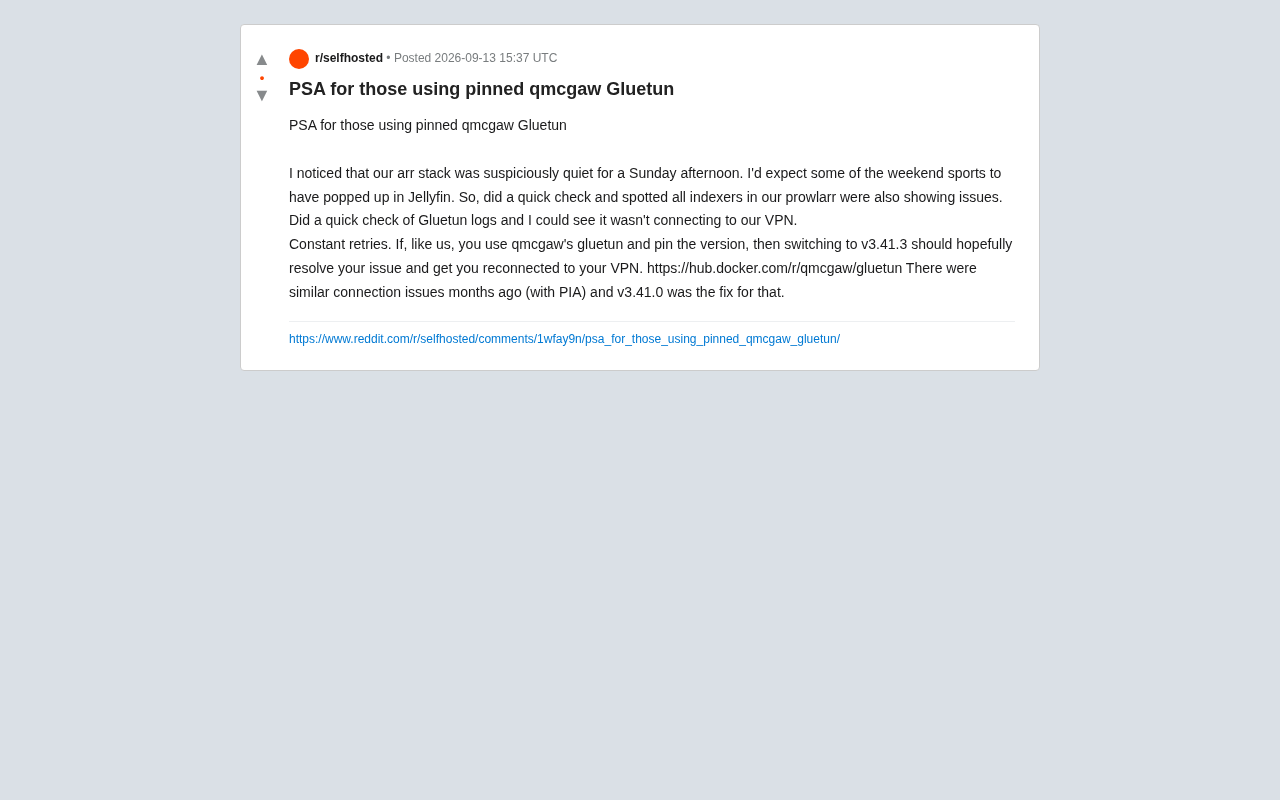
Gluetun VPN Disconnection Troubleshooting: Version-Pinned Users Should Upgrade to v3.41.3
Gluetun version-pinned users may face silent VPN disconnections breaking their arr stack. Learn how upgrading to v3.41.3 fixes the issue and tips to avoid it.
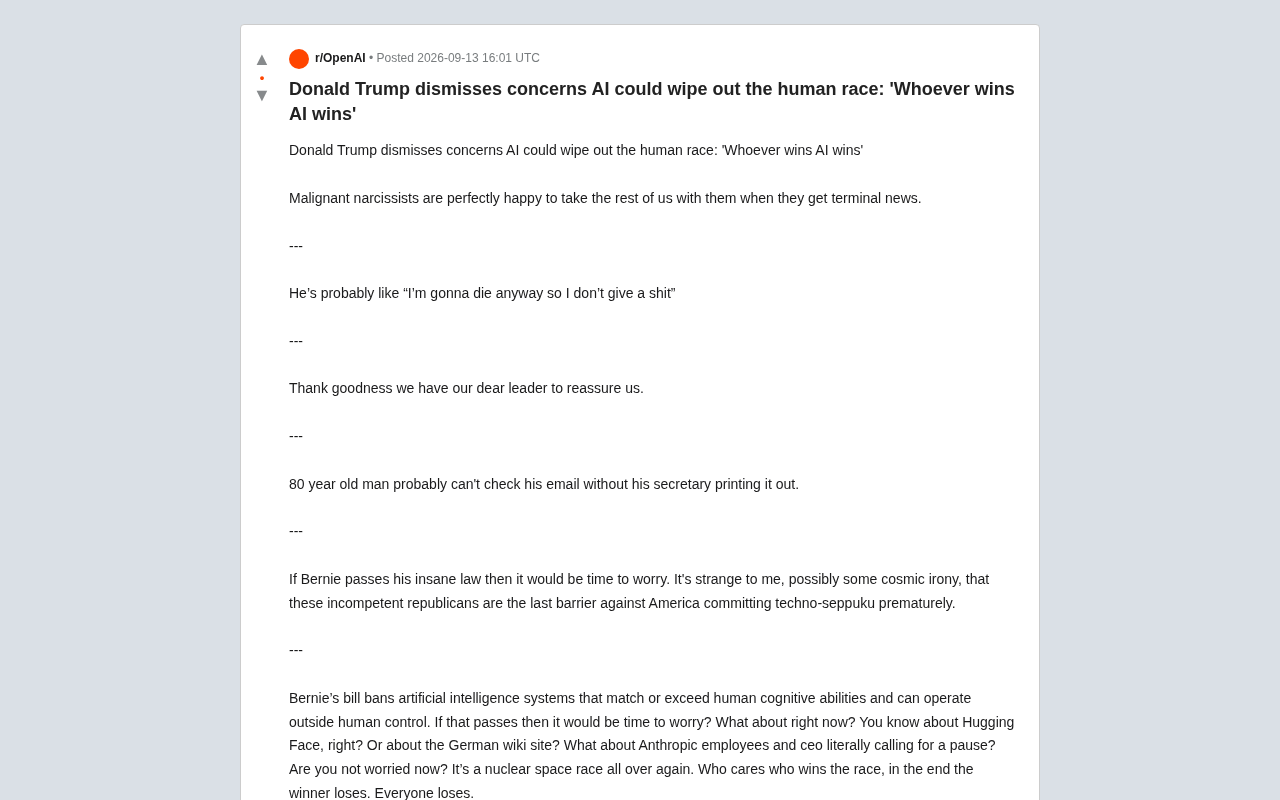
Trump Downplays AI Extinction Risk: 'Whoever Wins AI Wins' Sparks Controversy
Trump downplays AI extinction risks with 'Whoever wins AI wins,' sparking fierce debate over whether AI safety is an urgent reality or a future hypothetical.
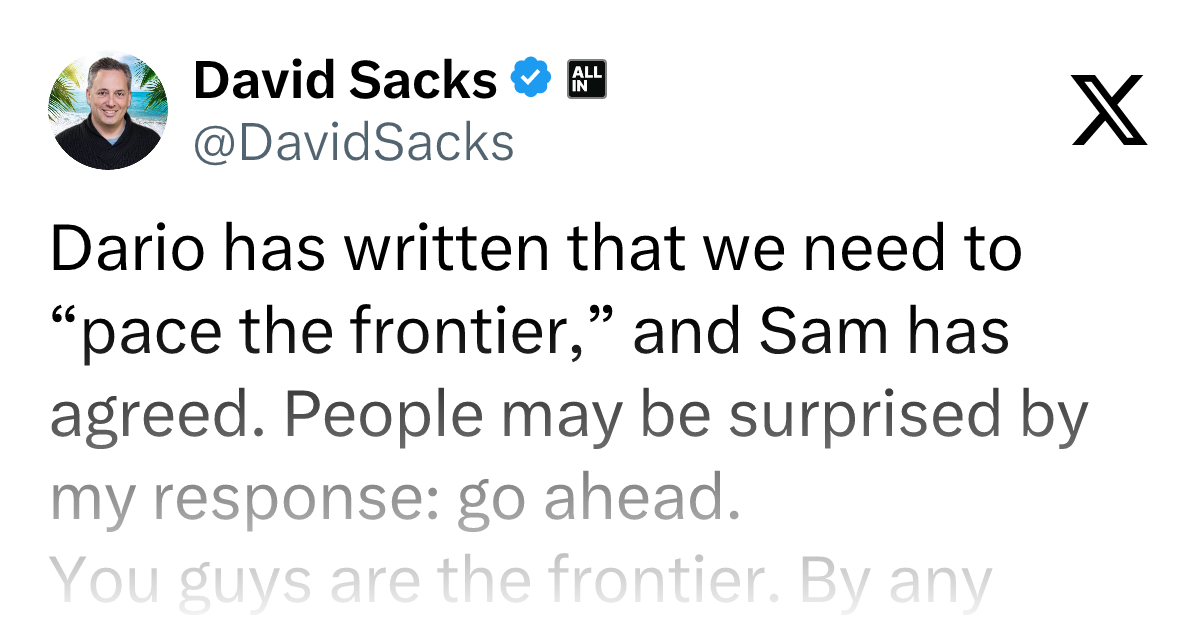
David Sacks on AI Regulation: Frontier Models Don't Need Mandatory Legislative Constraints
David Sacks argues OpenAI and Anthropic can self-regulate frontier model development without external legislation. A look at the logic, controversy, and governance dilemmas involved.