AI-Powered Dating App Scams Are Here: Researcher Exposes the Dora Fraud Scheme
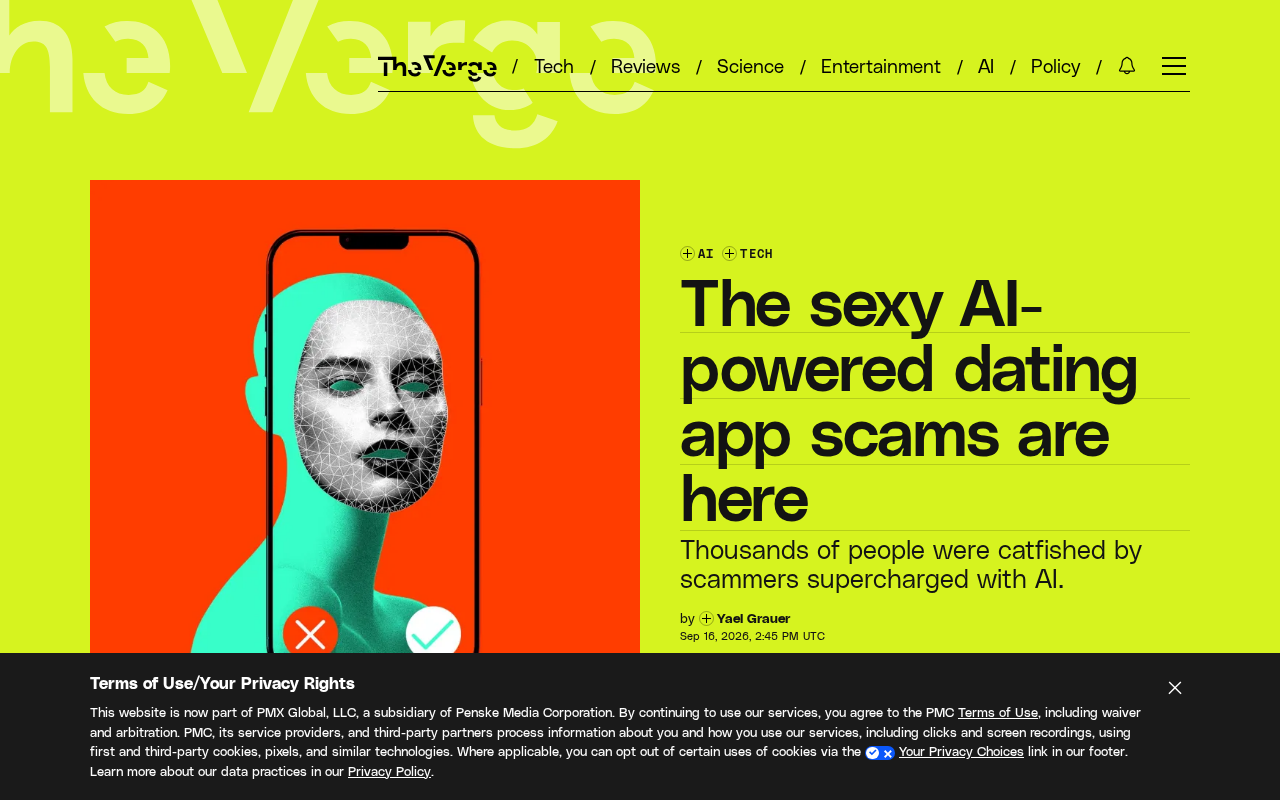
Researcher exposes Dora, an AI-driven dating app scam using deepfakes and voice synthesis to run romance fraud at scale.
Security researcher Matthew Gore-Kormanik uncovered a new generation of AI-powered romance scams while analyzing a fraudulent dating app called Dora, which used AI-generated personas and synthetic voice calls to deceive victims. Unlike traditional scams requiring human operators and stolen photos, generative AI now enables mass-produced virtual identities, automated conversations, and real-time deepfake video — rendering reverse image search and video call verification unreliable. Users are advised to treat any financial requests from online matches as high-risk and to recognize that voice and video calls are no longer trustworthy identity verification methods.
When "Jennifer" Calls: An Elaborately Engineered AI Scam
Security researcher Matthew "Zigula" Gore-Kormanik was in the middle of analyzing a fraudulent dating app called Dora when a notification suddenly appeared on his screen — a woman named Jennifer was calling him. According to her profile, she was a 41-year-old Sagittarius with red hair and blue eyes, sporting piercings, with interests in music, horror movies, nightlife, and sports.
What looked like the most ordinary match on a dating app was in reality just the tip of the iceberg of a new generation of AI-powered scams. When Gore-Kormanik picked up the call, he wasn't talking to a real human being — he was facing a complete fraud operation backed by artificial intelligence.
How AI Is Reshaping the Classic "Pig Butchering" Romance Scam
Romance scams — known in Chinese fraud circles as "shā zhū pán" or "pig butchering" — are nothing new. For years, fraudsters have built emotional connections with victims under false identities, then lured them into fake investments or money transfers. What AI brings to the table, however, is a dramatic reduction in the barrier to entry and a significant increase in deceptive power.
In the past, scam operations required real operators, stolen photos, and manually crafted chat scripts — high in labor cost and prone to slip-ups. Today, with generative AI, fraudsters can mass-produce convincing virtual personas, automate conversation flows, and even simulate "live calls" through voice synthesis and deepfake technology.
The incoming call feature found in Dora is a direct manifestation of this trend — it aims to lower victims' guard through more immersive, realistic interaction, drawing them deeper into both an emotional and financial trap.
Generative AI plays a central role in these schemes and is worth understanding in detail. Conversational systems built on large language models (LLMs) can simulate genuine emotional exchanges, automatically responding to user questions without obvious tells. GANs (Generative Adversarial Networks) or diffusion models can fabricate faces of people who have never existed, and generate matching "lifestyle" and "travel" photos at scale. Voice cloning technology requires only a few seconds of audio to synthesize a nearly indistinguishable replica of a specific voice. Package all of these technologies into a single dating app, and what once required dozens of operators working in shifts can now be run around the clock, in multiple languages, with minimal staff and cloud computing resources — at near-zero marginal cost.
Why AI Scams Are Harder to Detect
In traditional scams, victims could often expose fraudsters through reverse image search, logical inconsistencies, or the suspect's refusal to video call. AI-generated content dismantles these defenses:
- Unique identities: AI-generated faces don't exist in any existing database, rendering reverse image search useless.
- Real-time interaction: Voice synthesis and video deepfake technology mean that "calls" and "face-to-face" contact are no longer reliable verification methods.
- Scaled operations: A single fraud operation can simultaneously maintain hundreds or thousands of virtual identities, casting a wide net for victims.
This means the verification methods once considered "safety signals" are steadily losing their effectiveness. Security researchers' analysis of apps like Dora reveals just how vulnerable ordinary users are when facing technically sophisticated fraud.
Deepfake technology is the key reason why video call verification is no longer reliable. Early deepfakes required extensive footage of the target individual and high-performance GPUs for offline rendering. Today, open-source real-time face swap tools can run with low latency on ordinary consumer-grade graphics cards — allowing fraudsters to replace their webcam feed in real time with a preset virtual persona. Meanwhile, voice synthesis latency has been compressed to the millisecond level, supporting streaming output and real-time voice conversion. This means "demanding a video call" — long considered the ultimate method for exposing a scam — is rapidly losing its reliability. Users need to build a more careful and nuanced framework for assessing trust.
How Users Can Protect Themselves
In the face of AI-driven dating scams, staying vigilant remains the most effective line of defense. A few key points to keep in mind:
- Be skeptical of dating apps from unknown sources, especially those that aggressively push "perfect matches."
- Any request involving money or investment should be treated as a high-risk signal, regardless of how "real" the other person seems.
- Don't place full trust in someone's identity just because they're willing to video or voice call — deepfake technology can now simulate real-person interaction.
- Verify an app's credibility through official app store reviews and independent security assessments.
Conclusion: A Crisis of Trust in the Age of Dual-Use Technology
The Dora scam is just one example. As generative AI matures, the fraud industry is upgrading in lockstep — raising the bar for both individual awareness and platform oversight. While the ongoing work of security researchers is invaluable, for everyday users, understanding how AI scams operate and developing a natural wariness toward "too-perfect" matches is the real key to navigating this crisis of trust.
Technology itself is neither good nor evil, but it amplifies human desire and fraudsters' ambitions alike. In an era where the boundary between AI and human is increasingly blurred, caution is a cost every one of us can afford.
Related articles
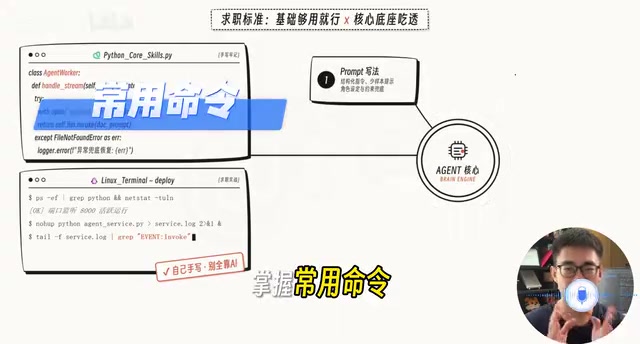
AI Agent Developer Job Hunt Guide: Four Hard Standards to Clear Before You Apply
A practical guide for landing AI Agent developer roles: four measurable standards — project runs, problems debuggable, solution explainable, interviews survivable.
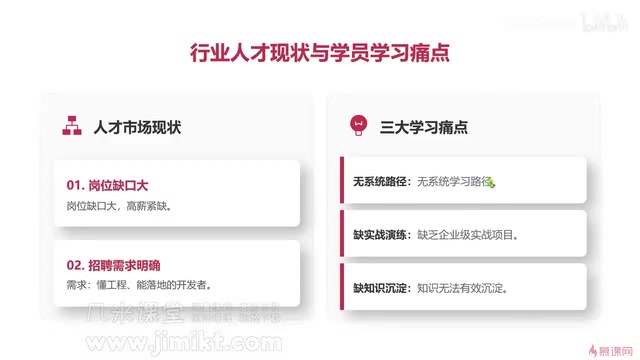
Multi-Agent Development Guide: From Monolithic AI to Team Collaboration in Practice
A beginner's guide to multi-agent development covering core advantages, common learning pain points, enterprise tech stacks, and engineering methodology for AI developers.
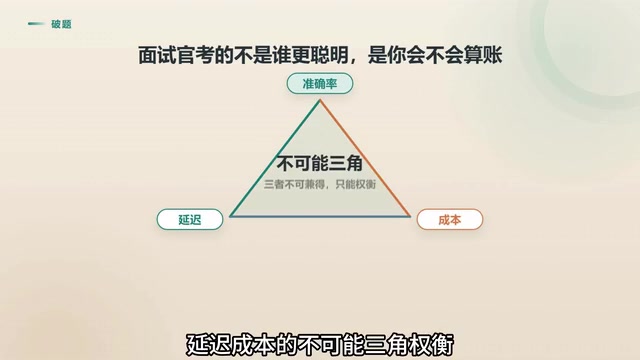
Agent Skill Routing: Retrieval vs. LLM vs. Two-Stage Architecture Compared
Retrieval or LLM for Agent skill routing? Compare coarse-filter vs. fine-select architectures on latency, accuracy, and cost — with 4 key production considerations.