@ai-sdk/vue@4.0.106 Released: Dependency Updates and Patch Fixes
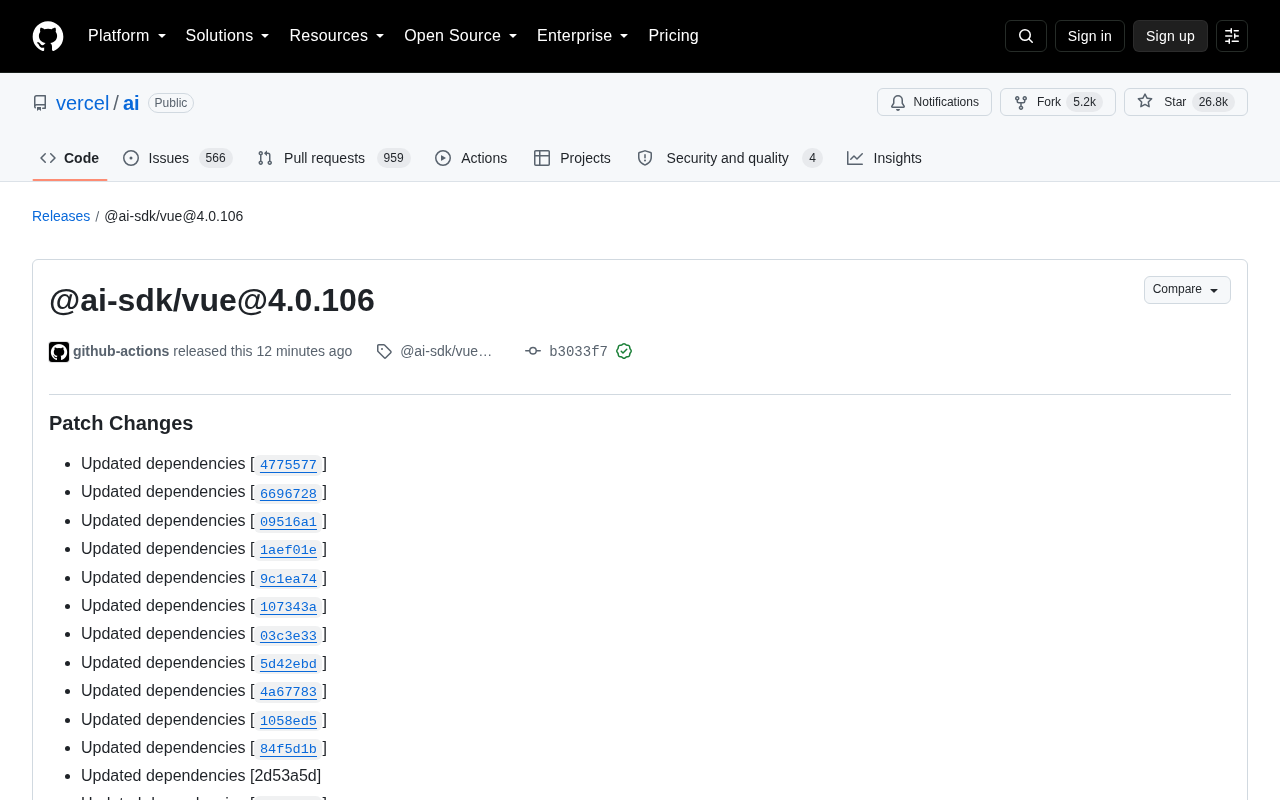
Vercel AI SDK releases @ai-sdk/vue@4.0.106 patch to sync upstream dependencies and maintain stability.
`@ai-sdk/vue@4.0.106` is a routine patch update for Vercel AI SDK's Vue adapter, primarily syncing the latest changes from `ai@7.0.106` and `@ai-sdk/provider-utils@5.0.44`. Thanks to the SDK's monorepo-based versioning strategy, fixes and adjustments in underlying dependencies quickly propagate to the Vue adapter layer, keeping composables like `useChat` and `useCompletion` running reliably. This update contains no breaking changes, carries low upgrade risk, and reflects Vercel's continued commitment to Vue developers alongside its React ecosystem support.
Vercel's AI SDK project has released @ai-sdk/vue@4.0.106. This is a patch-level update focused primarily on dependency synchronization. For developers building AI applications with Vue, these minor version updates may seem unremarkable — but they're an essential part of keeping your project running reliably.
Release Overview
This release is a typical patch update (Patch Changes), with the core change being the synchronization of several upstream dependencies. According to the GitHub Releases page, this update aligns with the latest versions of two key dependency packages: ai@7.0.106 and @ai-sdk/provider-utils@5.0.44.
Patch versions generally don't introduce breaking changes or major new features. Their purpose is to fix issues, sync underlying dependencies, and improve stability. That means most developers can upgrade with confidence, without worrying about API compatibility.
Cascading Dependency Updates
The release notes show that this @ai-sdk/vue update consolidates more than a dozen upstream dependency changes (Updated dependencies). This reflects Vercel AI SDK's monorepo and unified versioning strategy — the core ai package, the utility package provider-utils, and the framework adapter vue all stay in sync with one another.
For a tool library like AI SDK that needs to interface with multiple model providers (such as OpenAI, Anthropic, etc.), updates to provider-utils often involve adjustments to underlying protocol handling, streaming response parsing, or type definitions. As the official Vue ecosystem adapter, @ai-sdk/vue must keep pace with these changes to ensure that composables like useChat and useCompletion continue working correctly in Vue projects.
What is a Monorepo? A monorepo is a strategy of storing multiple related packages or projects in a single repository, as opposed to the polyrepo model where each package is maintained independently. Because Vercel AI SDK uses this approach,
ai,@ai-sdk/vue, and@ai-sdk/provider-utilsall share the same CI/CD pipeline and release cadence. Whenprovider-utilsfixes a streaming response parsing bug, the monorepo toolchain (such as Turborepo or Changesets) automatically tracks the dependency graph and triggers synchronized releases for all packages that depend on it. This is why a seemingly simple patch update can list over a dozenUpdated dependenciesentries in its changelog — together, they make up the actual substance of the release.
What This Means for Vue Developers
Vercel AI SDK is one of the leading toolkits for building AI-powered applications today, with over 26,000 stars and 5,000+ forks on GitHub, reflecting a highly active community. While it initially focused on the React/Next.js ecosystem, the continued maintenance of @ai-sdk/vue demonstrates that official Vue support hasn't been left behind.
For teams using Vue 3 to build chatbots, content generation tools, or AI assistant interfaces, keeping the SDK up to date offers several practical benefits:
- Stability improvements from upstream bug fixes
- Compatibility with the latest model provider API changes
- Reduced risk of issues caused by version mismatches with the core
aipackage
It's recommended to review the full changelog before upgrading, and to validate in a test environment before deploying to production.
About
useChatanduseCompletionuseChatanduseCompletionare the two core composables provided by@ai-sdk/vue.useChatis designed for multi-turn conversation scenarios, encapsulating message history management, streaming text reception, and request state tracking — so developers don't need to manually handle Server-Sent Events or ReadableStream.useCompletionis better suited for single-turn text completion use cases. Both rely onprovider-utilsunder the hood to handle communication with various model APIs. So when upstream updates involve changes to streaming protocols or error handling,@ai-sdk/vuemust sync accordingly to ensure these composables behave as expected.
How to Upgrade
Upgrading follows the same process as any standard npm package. Use your package manager to update @ai-sdk/vue along with the core ai package to matching versions, avoiding type or runtime errors caused by version mismatches. Since this is a patch update, the upgrade risk is low — but it's still recommended to follow a standard dependency upgrade workflow with regression testing.
Overall, @ai-sdk/vue@4.0.106 is a routine iteration focused on dependency synchronization and stability maintenance, reflecting the Vercel AI SDK team's consistent and steady release cadence.
Related articles
Three Stages of AI LLM Testing: A Practical Guide from Core Concepts to API Calls
A learning path for testers covering LLM fundamentals, prompt engineering, OpenAI SDK calls, API Key vs Token differences, streaming output, RAG, and Agent systems.
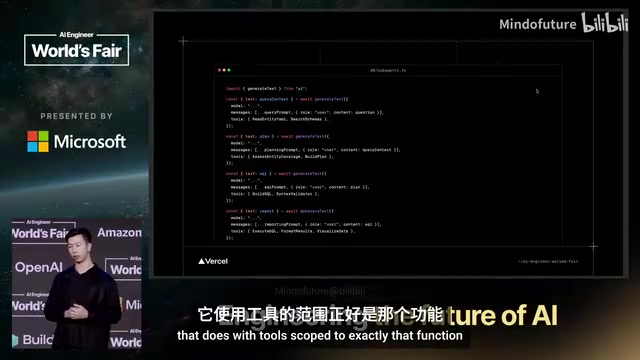
Vercel's Chief of Software Looks Back: The Evolution of Agent Building — From Multi-Agent Chains to File System Agents
Vercel's Chief of Software Andrew recaps the agent-building journey at AI Engineer: from giant prompts to multi-agent chains, monolithic memory, file system agents, and the open-source EVE framework.
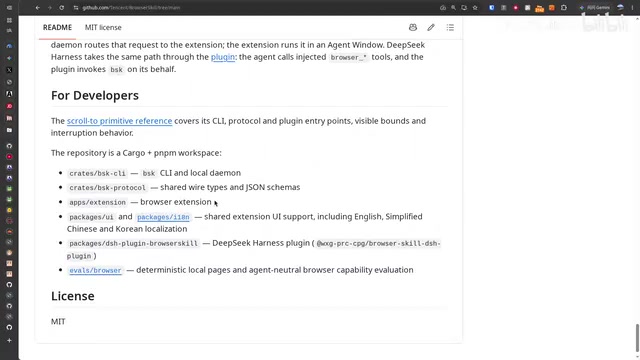
Tencent's Open-Source BSK in Action: Letting AI Take Over Your Already-Logged-In Browser
Tencent's open-source BSK (Browser Skill Kit) lets AI take over your real, logged-in Chrome via WebSocket. We break down the architecture, setup, and three key pitfalls from real-world testing.