@ai-sdk/workflow-harness 1.0.179 Released: Dependency Patch Update
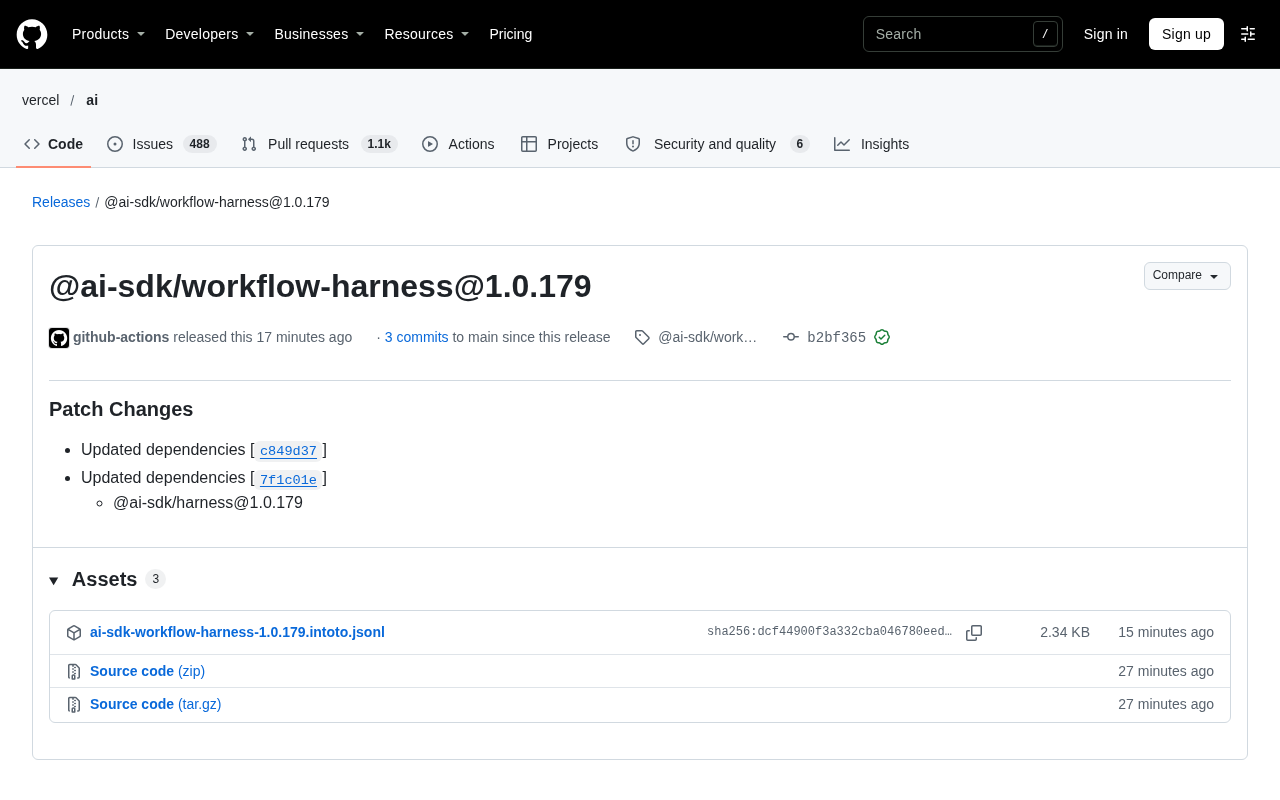
@ai-sdk/workflow-harness releases patch 1.0.179 with dependency sync updates only.
This article reports on the release of @ai-sdk/workflow-harness version 1.0.179. The version was automatically published by github-actions, contains 3 commits merged into the main branch, and all commits passed GPG signature verification. The release notes list only two Patch Changes, both dependency updates, while @ai-sdk/harness was also synchronized to 1.0.179, reflecting consistent version cadence between the two packages. The article explains the nature of patch updates in the context of semantic versioning: no new features, no breaking changes, with the main value being the introduction of bug fixes and security patches from underlying dependencies. Finally, it offers upgrade advice, reminding developers to validate in a test environment before following up, pay attention to version synchronization between the two packages, and focus regression testing on dependency-related paths such as workflow orchestration and harness interaction.
The @ai-sdk/workflow-harness package in the AI SDK ecosystem has released version 1.0.179. This is a typical patch version update, primarily involving synchronized upgrades of dependencies.
Release Overview
According to the release record on GitHub, this release was automatically completed by github-actions, timestamped November 10 at 17:52, and contains 3 commits, all merged into the main branch. The commits passed GitHub verified signature (GPG key ID: B5690EEEBB952194), consistent with the project's established automated release process.
The release notes are very brief, listing only two Patch Changes, both "Updated dependencies," associated with commits c849d37 and 7f1c01e respectively. Meanwhile, @ai-sdk/harness@1.0.179 was also updated in sync, indicating that workflow-harness's dependency changes align with the version cadence of the core harness package.
GitHub Actions is a CI/CD platform provided by GitHub that defines trigger conditions and execution steps through workflow files within the repository. Release workflows are typically configured to run after tag pushes or merges to the main branch, and use repository Secrets to inject npm credentials. GPG signature verification relies on the committer's private key to sign the commit object; GitHub verifies it with the corresponding public key and displays a "Verified" badge, proving that the commit genuinely came from that account and that its content has not been tampered with. This is a foundational element of open-source supply chain security.
What the Patch Update Means
In semantic versioning, a patch number advancing from 1.0.178 to 1.0.179 typically means there are no new features and no breaking changes—mainly bug fixes or dependency adjustments. Both change records in this release point to dependency updates, indicating that the core motivation for the changes is to keep the dependency chain synchronized and consistent.
For developers using workflow-harness, this type of update is often "transparent": the API remains unchanged after upgrading, expected behavior remains unchanged, but bug fixes or security patches in underlying dependencies flow into the project. This is also why maintainers only keep dependency records in the release notes without additional explanation.
Semantic Versioning (SemVer) splits version numbers into three parts: MAJOR.MINOR.PATCH. A major version change represents incompatible API changes, a minor version increase represents backward-compatible feature additions, and a patch number increment represents backward-compatible bug fixes. Dependency resolution in the npm ecosystem uses the ^ prefix by default, allowing automatic upgrades of minor and patch versions, so patch releases are typically silently absorbed by downstream projects when dependencies are reinstalled. This also explains why dependency-only patch releases need to keep their notes concise: they don't change the contract, only update implementation details.
Observations on the Release Mechanism
From the information presented on the release page, @ai-sdk/workflow-harness uses a highly automated release pipeline: github-actions triggering, signature verification, and patch changes generated by changesets-like tools. The release page also provides entry points such as tag comparison and commit filtering, making it easy for users to trace version differences.
This pattern is fairly common among AI SDK-related packages, reflecting the project's emphasis on release traceability and signature verification. For downstream projects, the value of paying attention to such patch releases lies in being able to promptly follow up with upgrades when critical fixes appear in the dependency chain.
Changesets is a common version management and release tool in JavaScript monorepos. When developers submit changes, they also write a structured changeset description (marked as patch, minor, or major). After merging, the tool aggregates these descriptions during the release phase, batch-increments version numbers, generates a CHANGELOG, and triggers npm publishing. Combined with GitHub Actions, this enables full automation from merge to release. This is also why the change records in this release only appear as "Updated dependencies"—dependency upgrades are typically written automatically by the tool during version linkage.
Upgrade Recommendations
If your project has pinned the version of @ai-sdk/workflow-harness, it is recommended to validate in a test environment before following up with 1.0.179. When upgrading, also check whether @ai-sdk/harness has been synchronized to the same version number, to avoid version mismatches between the two packages.
Since this change has no feature-level description, after upgrading you should focus regression testing on dependency-related behavior paths, such as the interaction between workflow orchestration and harness. If your project is sensitive to dependency versions, you can use the commit links provided on the release page to verify the specific content of dependency changes one by one.
Related articles
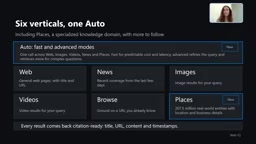
Microsoft WebIQ: Verifiable Real-Time Web Grounding for AI Agents
Microsoft WebIQ gives AI Agents real-time, citable web grounding across web, news, images, videos, and Places—164ms P95 latency, 50% fewer tokens, Scopes source control, and MCP integration.
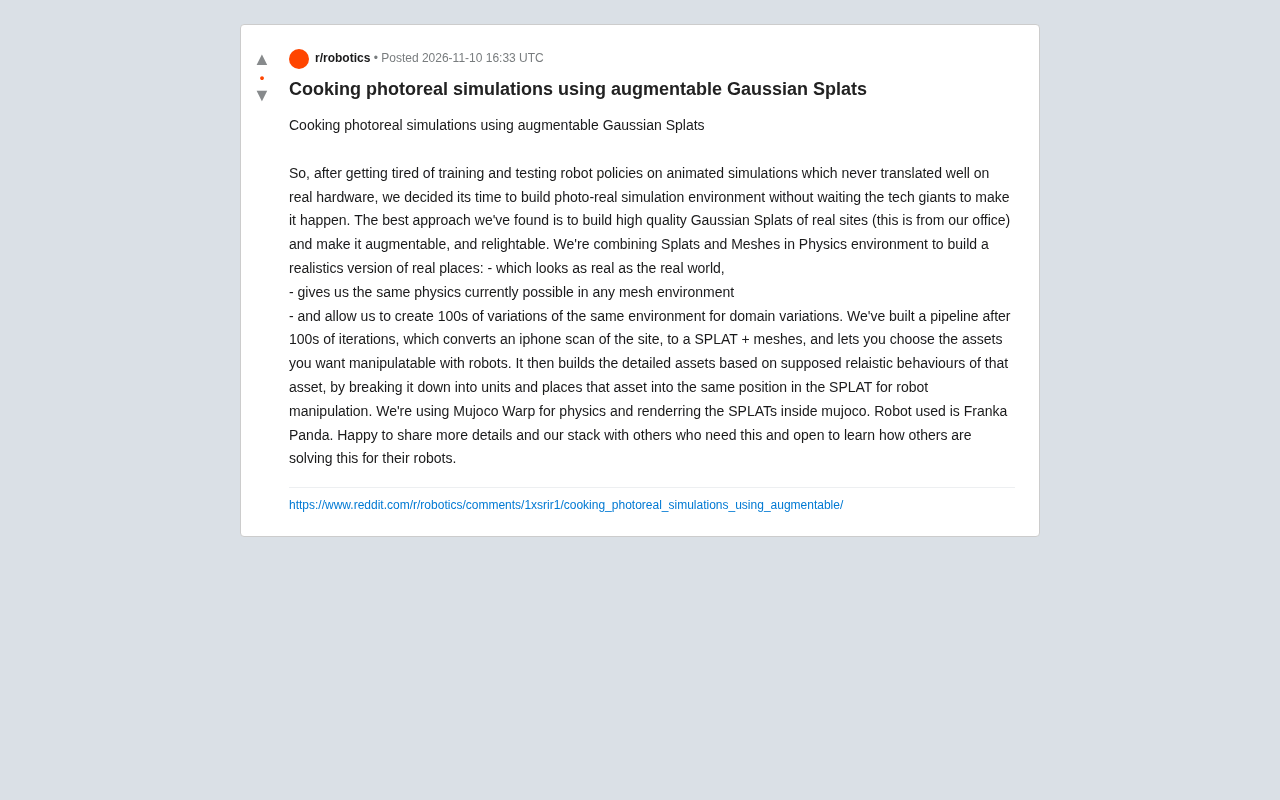
Augmentable Gaussian Splatting: Building Photorealistic Simulation Environments for Robot Training
Team combines Gaussian Splatting with meshes to build photorealistic robot simulation environments, integrating MuJoCo Warp physics and Franka Panda for augmentable, relightable real-site simulation.
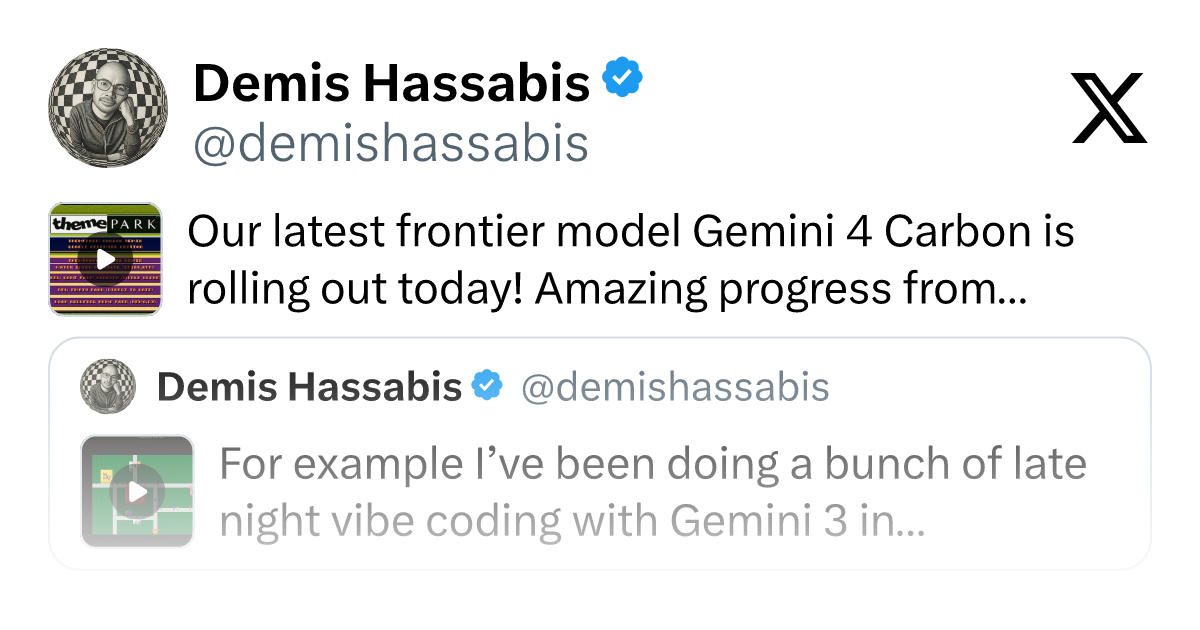
Gemini 4 Carbon Released: The Leap from Gemini 3 to Gemini 4 in Under a Year
Google releases Gemini 4 Carbon, less than a year after Gemini 3. In the official demo, Carbon reverse-engineered the Theme Park binary, added a new DeepMind-themed ride, and ported it to the web in one shot.