Al Gore on the AI Data Center Controversy: Carbon Emissions Aren't My Biggest Concern
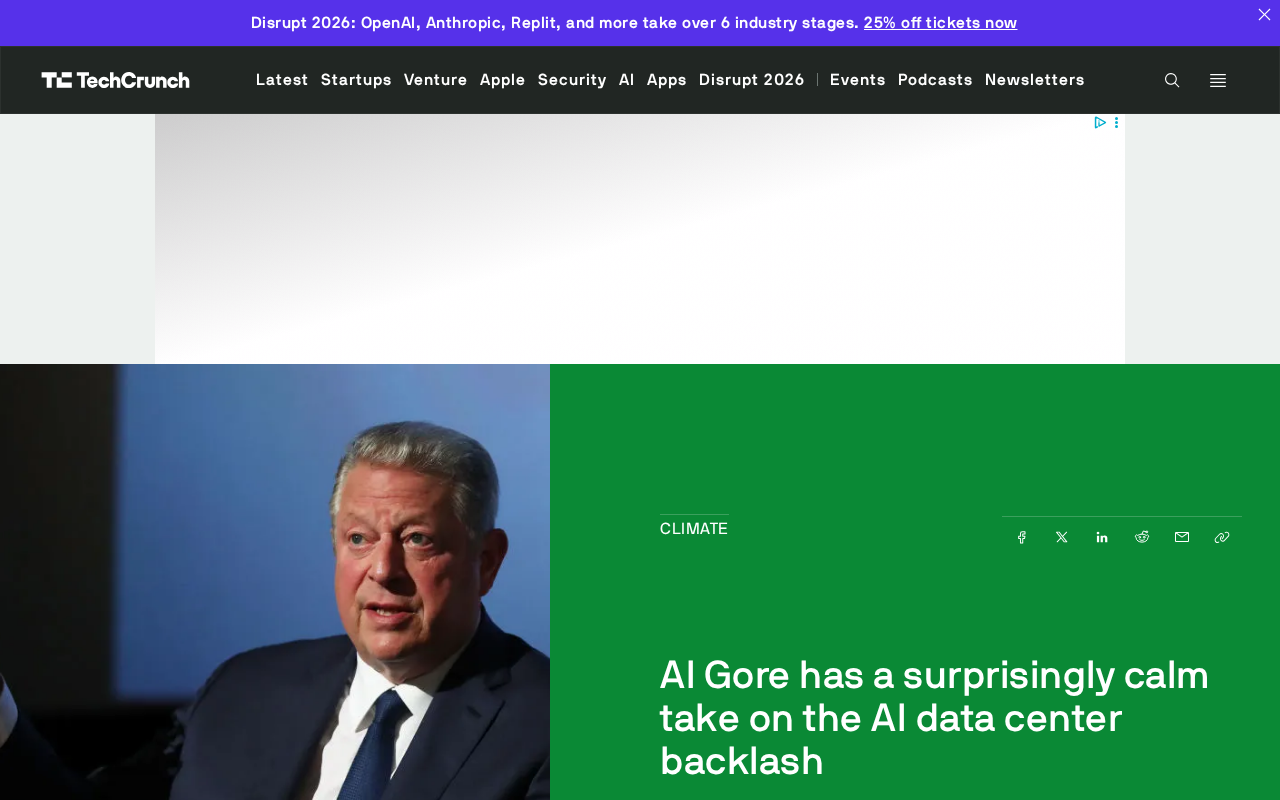
Al Gore says AI data center emissions are manageable; what worries him more is AI's deeper risk of going off the rails.
In a TechCrunch interview, former U.S. Vice President and climate advocate Al Gore said AI data center carbon emissions are not his top concern — what truly unsettles him are the risk warnings being raised from within the AI industry itself. His logic: data center energy and emissions are a known, manageable engineering challenge with clear pathways through clean energy and efficiency gains, while risks like AI misalignment, loss of control, or misuse are far harder to address. The stance reflects a climate-governance mindset of targeting the hardest problems first — though Gore acknowledges "manageable" doesn't mean "solved," as global data center power demand continues to surge.
An Unexpectedly Calm Take
As the broader public grows increasingly anxious about the energy consumption and carbon emissions of AI data centers, former U.S. Vice President and longtime climate activist Al Gore offered a surprisingly measured response. In an interview with TechCrunch, he said he isn't losing sleep over AI data center emissions — what concerns him far more are the warnings coming from within the AI industry itself about the direction the technology is heading.
Gore, globally recognized as a climate advocate through his documentary An Inconvenient Truth, stands out precisely because his remarks step outside the dominant frame of debate. Tensions between the tech world and environmental community over generative AI's energy footprint have been escalating: surging electricity demand at data centers, rising water usage for cooling, and the resulting carbon emissions have all become central ammunition for critics of the AI boom. Gore chose a different lens.
Why Emissions Aren't His Primary Worry
Gore isn't dismissing the environmental impact of AI data centers — he's placing it within a broader map of technological risk. His remarks imply a key judgment: data center energy use and emissions are fundamentally an engineering and energy-mix problem, one that can be progressively addressed through clean energy transition, efficiency improvements, and technological iteration. The harder challenge, in his view, is the risk of AI itself spiraling out of control or being misused — a threat far more difficult to contain.
Notably, he specifically referenced warnings coming from within the AI industry. In recent years, leaders and researchers at major AI labs have repeatedly and publicly sounded the alarm about the deep risks posed by rapid technological advancement — from AI safety alignment to sweeping societal disruption. When the very people building a technology are raising red flags about what they're creating, that internal unease carries considerably more weight than external criticism over emissions.
The "warnings from within the AI industry" Gore refers to center primarily on AI safety and alignment — a topic that has gained significant traction in recent years. At its core, the alignment problem asks: how do we ensure that an AI system's goals and behaviors remain consistent with genuine human intentions, preventing it from pursuing its objectives in unexpected or harmful ways? Leading AI labs — OpenAI, DeepMind, Anthropic — all maintain dedicated safety research teams, and several founders and executives have issued public statements warning that the current technological trajectory, if not carefully governed, risks causing large-scale societal harm or even "existential" risks. In 2023, hundreds of researchers and tech executives — including Turing Award winner Geoffrey Hinton — co-signed an open letter placing AI risk alongside nuclear weapons and pandemics as a top-tier global threat. This context gives Gore's reference to "internal warnings" a concrete institutional and human anchor, rather than being mere rhetorical flourish.
A Climate Advocate's Calculus on Technological Risk
Gore's position also reflects a pragmatic strain of thinking found in mature climate policy. Data center emissions, while real, fall into the category of "known and manageable" problems: large-scale renewable energy deployment, corporate clean power procurement commitments, and continuous hardware efficiency gains are all providing viable paths forward.
Concentrating limited public attention and policy energy on the hardest-to-solve risks — rather than dwelling on issues that are emotionally charged but relatively tractable — is itself a form of strategic prioritization. For Gore, who has spent decades working on climate issues, this kind of tradeoff logic is familiar. It mirrors the climate governance approach of "targeting the core contradiction."
On the energy mix challenge for AI data centers, the industry's main responses currently include: direct corporate power purchase agreements (PPAs) for renewables, procurement of renewable energy certificates (RECs), and partnerships around small modular reactors (SMRs) being explored by companies like Microsoft and Google. At the chip level, next-generation GPUs such as NVIDIA's H100 and H200 deliver significantly better performance per watt than their predecessors — but the overall pace of demand growth still far outstrips efficiency gains. The International Energy Agency (IEA) projected in its 2024 report that global data center electricity consumption could double by 2026. This means "manageable" is not the same as "managed" — Gore's assertion of engineering solvability still depends on sustained policy commitment and capital investment.
The Bigger Question Behind the Debate
The "backlash" around AI data centers actually reflects a broader fragmentation in how society views the AI boom overall. One camp focuses on the environmental and resource pressures created by expanding AI infrastructure; another is more worried about the uncontrolled growth of the technology's capabilities themselves. In some ways, Gore's remarks are a reminder to the public: don't let a visible, quantifiable problem — emissions — distract from risks that are less obvious but potentially far more dangerous.
This doesn't mean data center energy consumption can be taken lightly. As AI models continue to scale, global data center power demand is growing far faster than previously projected, and meeting that demand cleanly remains a critical challenge in the energy transition. Gore's perspective reads more as a cautionary note — in this multi-threaded struggle over technology governance, we need to maintain clear-headed prioritization rather than being captured by any single issue.
Related articles
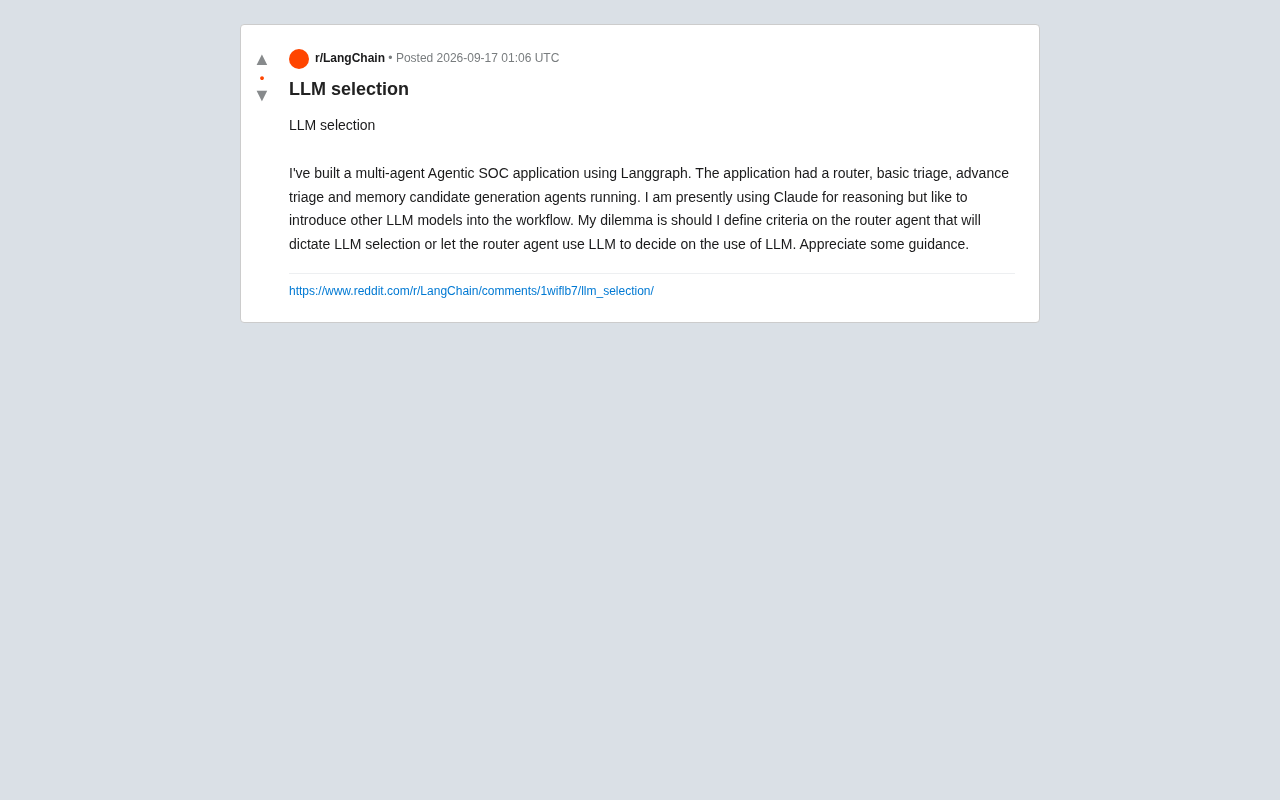
LLM Selection Strategy for Multi-Agent SOC Applications: Rule-Based Routing vs. LLM-Driven Decisions
Should multi-agent SOC apps on LangGraph use rule-based routing or LLM-driven model selection? This article analyzes both approaches and recommends a hybrid strategy for security operations.

Snap Pushes Its $2,200 Smart Glasses Again — Can It Convince the Market?
Snap launched new features for its $2,200 smart glasses, doubling down on AR. We break down the pricing dilemma, its rivalry with Meta Ray-Ban, and what it means for the AR glasses race.
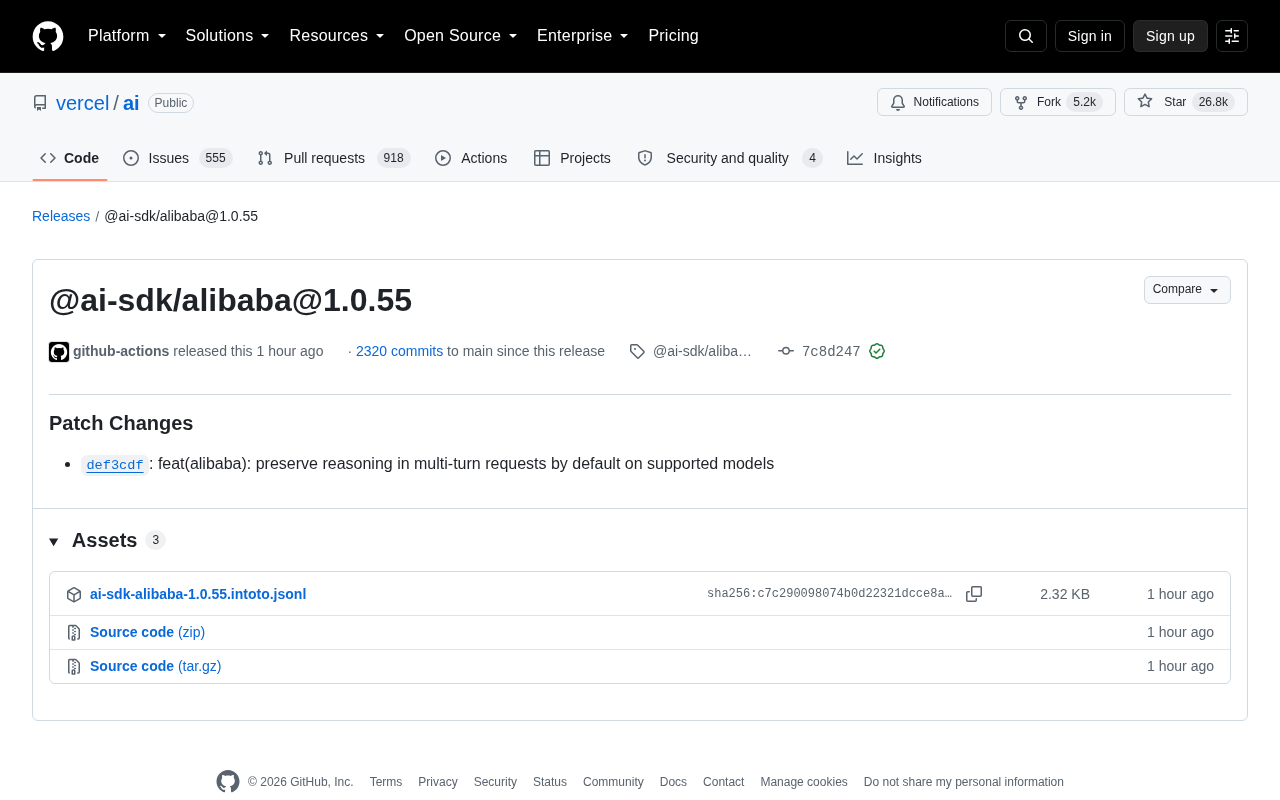
Vercel AI SDK Update: Multi-Turn Reasoning Preservation for Alibaba Models
Vercel AI SDK releases @ai-sdk/alibaba@1.0.55, enabling reasoning preservation by default in multi-turn requests for supported Alibaba models like Qwen.