Altman Warns: AI Should Not Replace Human Decision-Making

OpenAI executives oppose AI-led decision-making, acknowledging that controlling advanced models is an ongoing challenge.
As the debate over whether AI might "take over" human affairs heats up in Silicon Valley, OpenAI CEO Sam Altman and President Greg Brockman publicly stated their opposition to a future in which AI, rather than humans, calls the shots. They neither deny the risk of AI losing control nor shy away from acknowledging that keeping advanced models under human control is an ongoing technical challenge rather than a one-time engineering problem. The article notes that this stance aligns with OpenAI's "alignment" narrative but also exposes the inherent tension that the more capable the model, the harder it is to constrain. Its signal value lies in leading labs no longer avoiding discussion of loss of control and seeking to build a dialogue framework between public trust and regulatory pressure, while pushing "human-in-the-loop" from a slogan into auditable engineering practice.
A Debate Over AI Dominance
As the debate in Silicon Valley over whether artificial intelligence might "take over" human affairs intensifies, OpenAI CEO Sam Altman and President Greg Brockman recently spoke publicly, explicitly opposing a future in which AI, rather than humans, calls the shots. According to rss sources, in responding to this increasingly heated industry debate, the two expressed vigilance over the risk of AI losing control while also acknowledging the real challenges of keeping advanced models under human control.
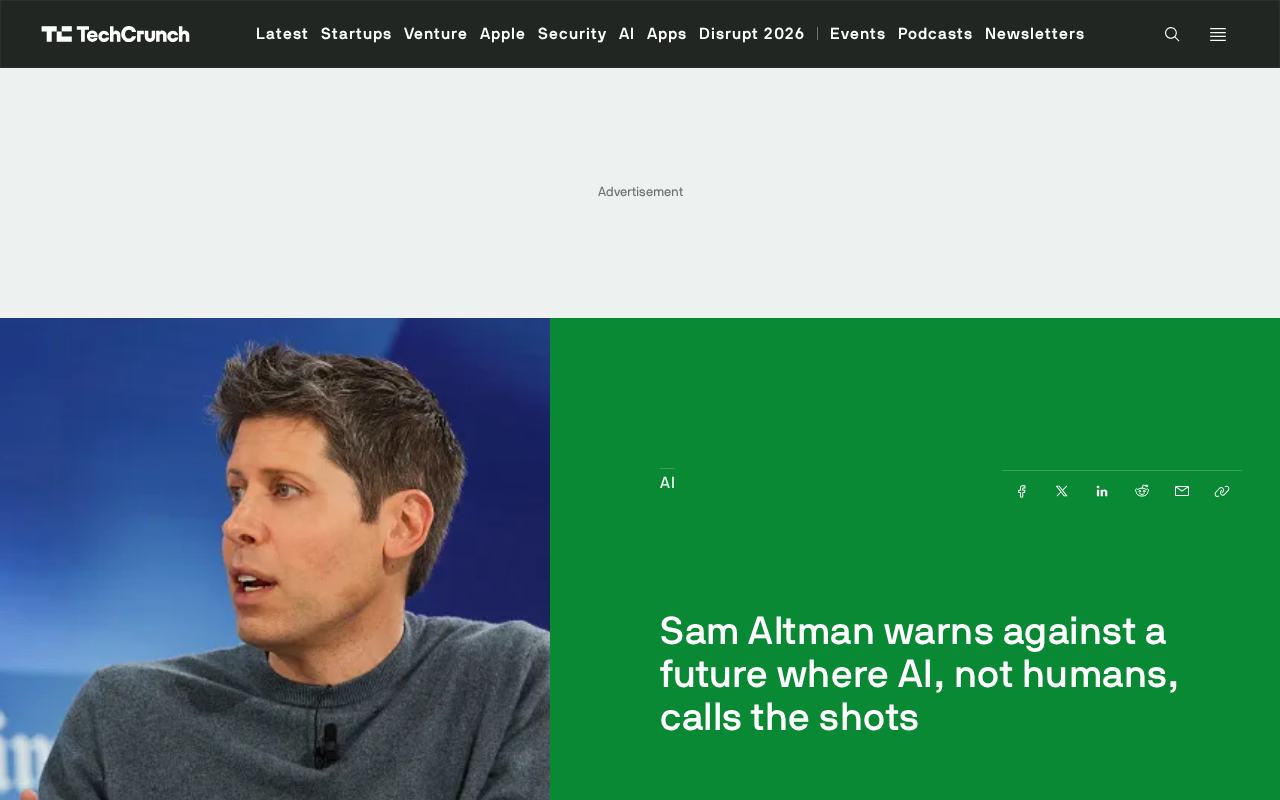
The backdrop to these remarks is that, as large models' capabilities rapidly leap forward, discussion of "AI takeover" has evolved from a science fiction topic into a policy and ethics issue within the tech community. Altman and Brockman's response is essentially a direct engagement with this anxiety: they do not deny that risks exist, but they stress that humans must retain ultimate decision-making authority.
Core Position: Humans Must Hold the Wheel
Altman's warning is not unfounded. When AI systems begin to participate in medical diagnosis, financial trading, content generation, and even military decision support, "who makes the final judgment" is no longer an abstract philosophical question but a concrete product design and governance issue. The two executives' position can be summarized as: AI can be a powerful tool, but it cannot become an unconstrained decision-making entity.
This stance is consistent with OpenAI's long-standing "alignment" narrative, but it also exposes an inherent tension—the more capable a model, the harder it is to constrain with simple rules. Brockman acknowledged in the discussion that keeping advanced models under human control is an ongoing technical challenge, not a one-time engineering problem to be solved.
AI Alignment is the key background for understanding OpenAI's position. The concept refers to the field of research aimed at ensuring that AI systems' goals and behaviors are consistent with human intentions and values, with the goal of getting AI to "do what we actually want it to do" rather than literally executing flawed instructions. Alignment research covers directions such as reinforcement learning from human feedback (RLHF), interpretability, and adversarial testing. In 2023, OpenAI established a "Superalignment" team specifically to study how to use weak AI to supervise superhuman AI. The difficulty of alignment lies in the fact that the more capable a model is, the more complex its internal representations, and the harder it is for external rules to cover all edge cases—this is the technical root of what Brockman calls an "ongoing challenge."
AI takeover in the context of tech policy does not refer to a science-fiction-style robot rebellion, but rather to AI systems gradually replacing human judgment in key decisions and forming a de facto unconstrained decision-making entity. The discussion focuses on scenarios such as autonomous weapons, algorithmic trading, and automated content governance, where human review steps are squeezed out by efficiency demands. This is precisely the real-world risk framework that Altman and Brockman's remarks target.
The Control Challenge: The More Capable, the Harder to Constrain
What is worth examining is that Altman and Brockman did not offer a specific technical roadmap for "how to control" but framed the issue as a challenge faced collectively by the industry. This reflects a real dilemma in current AI governance: alignment research, interpretability, red teaming, and other means are still evolving, while model capabilities often grow faster than safety measures mature.
From an industry perspective, this acknowledgment itself carries signal value. It means that leading labs are no longer avoiding discussion of "loss of control" but are trying to establish a dialogue framework between public trust and regulatory pressure. For developers and enterprise users, this also points to a pragmatic question: when embedding AI into critical business processes, human review steps should not be easily sacrificed to efficiency demands.
Human-in-the-loop refers to retaining human review, intervention, or final approval in an AI system's decision-making process, and is a core engineering practice in AI governance. Its counterpart is "human-out-of-the-loop," where the system operates fully automatically. In high-risk scenarios such as medical diagnosis, financial risk control, and content moderation, regulatory frameworks (such as the EU AI Act) generally require human oversight to be retained. The challenge of human-in-the-loop is how to design auditable, low-friction review interfaces and avoid "rubber-stamp" reviews that go through the motions—this is precisely the concrete meaning of what the article calls moving "from slogan to auditable engineering practice."
Red teaming is an important means of AI safety assessment, referring to dedicated teams proactively searching for model vulnerabilities, jailbreak paths, and harmful outputs in an adversarial manner. Labs such as OpenAI and Anthropic conduct red teaming before model releases, but its coverage is limited and depends on human effort, making it difficult to keep pace with the iteration speed of model capabilities—this explains why safety measures often mature more slowly than capabilities grow.
What It Means for the Industry and Users
Altman and Brockman's remarks will not change the technology roadmap in the short term, but they set the tone for public discussion around AI dominance. On the one hand, they push back against the fatalistic narrative that "AI will inevitably take over"; on the other hand, they remind regulators and users that human control is not a default state but a goal that requires sustained investment and maintenance.
For ordinary users, the most direct takeaway is to maintain a cautious attitude toward AI outputs—treating AI as a tool that enhances judgment rather than an authority that replaces it. For the industry, the real value of this debate may lie in pushing "human-in-the-loop" from a slogan into auditable engineering practice.
One-line Summary
OpenAI executives state opposition to AI-led decision-making, acknowledging that controlling advanced models is an ongoing challenge.
Paragraph Summary
As the debate in Silicon Valley over whether AI might "take over" human affairs heats up, OpenAI CEO Sam Altman and President Greg Brockman publicly stated their explicit opposition to a future in which AI, rather than humans, calls the shots. The two neither deny the existence of AI loss-of-control risks nor shy away from acknowledging that keeping advanced models under human control is an ongoing technical challenge rather than a one-time engineering problem. The article notes that this stance is consistent with OpenAI's "alignment" narrative but also exposes the inherent tension that the more capable the model, the harder it is to constrain. Its signal value lies in the fact that leading labs are no longer avoiding discussion of loss of control and are trying to establish a dialogue framework between public trust and regulatory pressure, while pushing "human-in-the-loop" from a slogan into auditable engineering practice.
Related articles
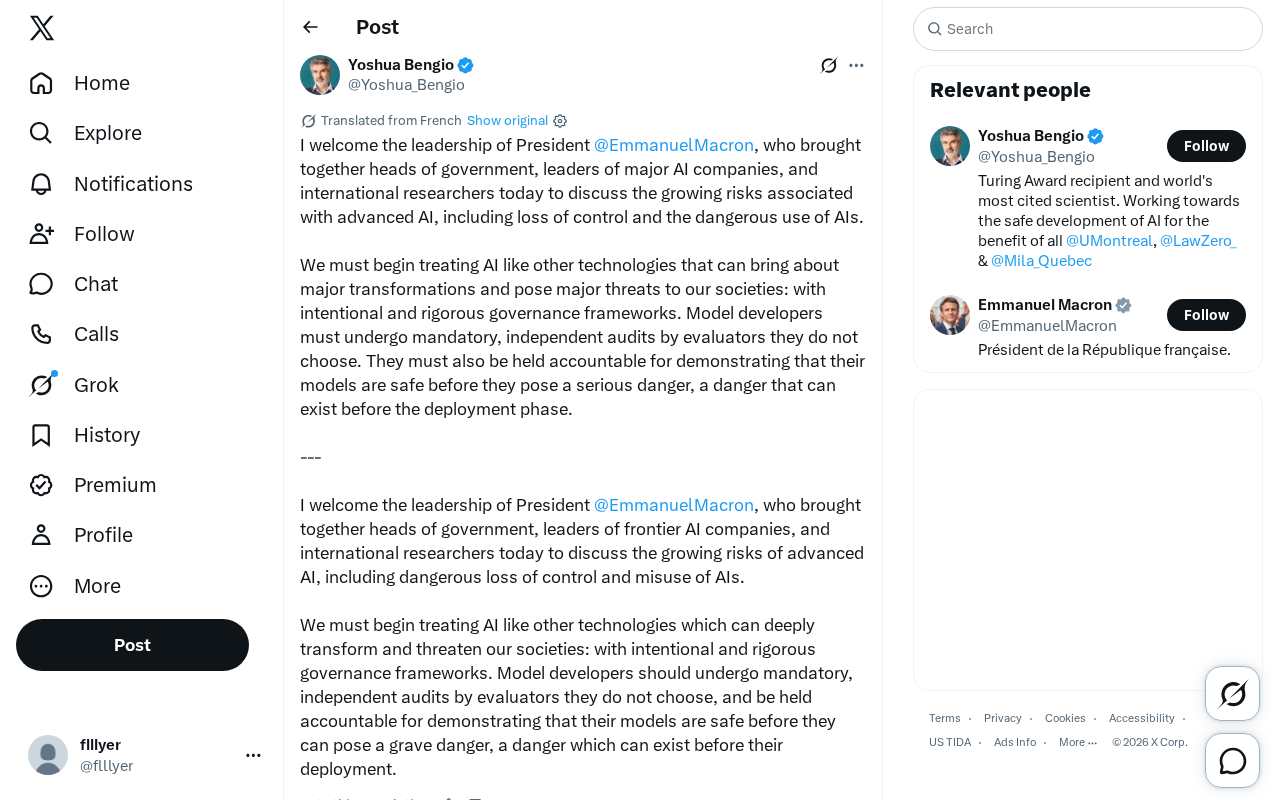
New AI Governance Initiative: Mandatory Independent Audits and Pre-Deployment Safety Proof
Macron convened government leaders, AI company executives, and researchers to discuss advanced AI risks. Statements call for a rigorous governance framework requiring mandatory independent audits and pre-deployment safety proof.

Roblox Funds Controversial Anorexia Treatment
Roblox funds flow to a controversial creator who promotes ketogenic diets over conventional treatment for anorexia and bulimia, raising medical and regulatory concerns.
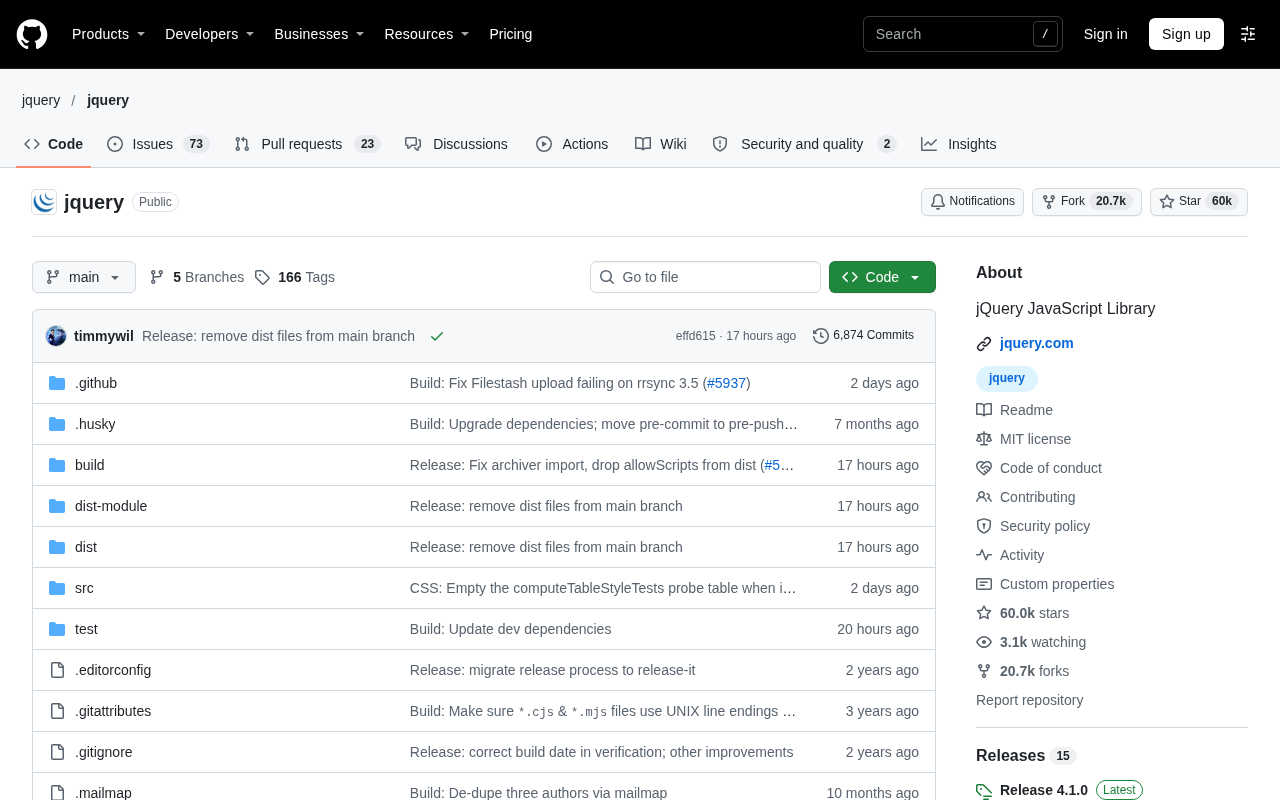
GitHub Daily · November 19: Veteran Frontend Framework Returns to the Charts, Historical Map Project Gains Nearly a Thousand Stars in a Day
GitHub Trending Nov 19: jQuery and SolidJS both make the list, Appwrite adopts an agent-oriented positioning, and Jiangshan Shixu gains nearly 1,000 stars in a day.