Amazon Launches Alexa+ in India with Hindi Language Support
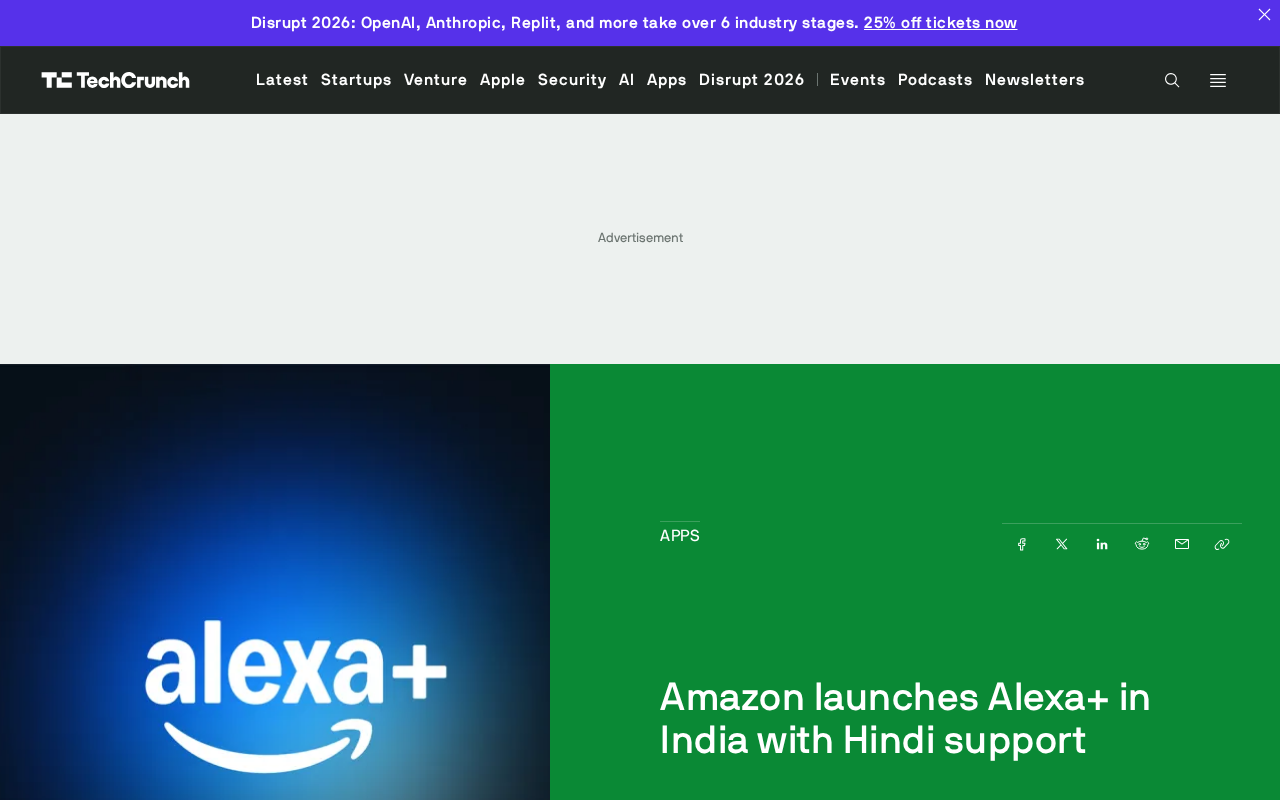
Amazon brings Alexa+ to India with first-ever Hindi support, targeting the massive non-English-speaking user base.
Amazon has launched its upgraded voice assistant Alexa+ in India with Hindi language support for the first time, currently available to all users in early access. Unlike the original Alexa's rules-based framework, Alexa+ leverages LLM technology for stronger multi-turn dialogue and natural language understanding. With over 600 million internet users but limited English fluency, India represents a huge opportunity for native-language AI interaction. This move could pressure rivals like Google and Apple to accelerate their own Hindi-language AI capabilities, making mother-tongue voice interaction a new competitive frontier in India's smart assistant market.
Amazon Brings Alexa+ to the Indian Market
Amazon has announced that its next-generation smart voice assistant, Alexa+, is officially launching in India — with Hindi language support included for the first time. This marks a significant step in Amazon's push to localize its AI assistant for the world's second-largest internet user market.
Alexa+ is currently in early access in India, and Amazon says all customers can try the upgraded assistant during this phase. This open early access approach allows Amazon to quickly gather real-world user feedback while refining local language recognition and interaction quality before a full-scale rollout.
The Strategic Significance of Hindi Support
India is an extraordinarily linguistically diverse market, and Hindi — as one of the most widely spoken languages — reaches hundreds of millions of potential users. Until now, most mainstream voice assistants in India have operated primarily in English, which has significantly limited adoption among non-English-speaking users.
Adding Hindi support to Alexa+ signals that Amazon is working to break down language barriers and reach a broader base of users in smaller cities and rural areas. In use cases like smart speakers, smart home control, and voice-based e-commerce shopping, native language interaction can dramatically lower the barrier to entry, improving user retention and daily engagement.
From a data perspective, India currently has over 600 million internet users, yet only a small fraction are fluent English speakers. Native Hindi speakers number an estimated 500 million, and the figure grows even larger when accounting for those who use it as a second language. India's "Digital India" initiative continues to drive internet penetration in tier-3 and tier-4 cities and rural regions, where new users are far more comfortable accessing information and services in their native language. It's worth noting that Hindi itself encompasses a range of dialects and accents, which presents a genuine technical challenge for voice recognition models to handle effectively.
What Alexa+ Actually Means
Alexa+ represents a major upgrade to Amazon's classic voice assistant, bringing significantly stronger natural language understanding and a much more conversational AI experience. Compared to traditional command-based voice assistants, the new generation places a much greater emphasis on contextual understanding, multi-turn dialogue, and more fluid, natural responses.
Rolling out this upgraded version in India first — in a local language — reflects how seriously Amazon views the growth potential of emerging markets. Through the early access model, Amazon can validate how the product performs across different languages and usage patterns before finalizing its pricing and subscription strategy.
The core difference between Alexa+ and the original Alexa lies in the underlying AI architecture. The original Alexa primarily relied on a rules-based framework of intent recognition and Skills invocation, with relatively limited conversational ability. Alexa+ introduces large language model (LLM) technology, enabling stronger context retention — meaning it can remember earlier parts of a conversation across multiple turns — and the ability to handle more ambiguous, colloquial phrasing. This transition moves voice assistants from "command executors" toward "conversational partners," a direction that major competitors like Google Assistant and Apple Siri are all pursuing. Achieving the same quality of LLM performance in a Hindi-language environment requires substantial training and fine-tuning on local language data, making it a technically demanding undertaking.
Impact on the Competitive Landscape
India's smart assistant and smart home market is becoming increasingly competitive, and native language capability is emerging as a key differentiator. Whoever can deliver high-quality voice interaction in users' mother tongue first stands the best chance of winning mindshare.
Amazon's move could push other players to accelerate the deployment of local language AI capabilities in India. For everyday users, this means a future where they can interact with AI assistants more naturally — in the language they know best — and enjoy the full convenience of intelligent services.
Conclusion
While Alexa+ remains in early access in India and specific feature details and subscription plans are yet to be finalized, the addition of Hindi support sends a clear message: localizing AI assistants — and native language interaction in particular — is becoming the central battleground in the race among global tech giants for emerging markets.
Related articles
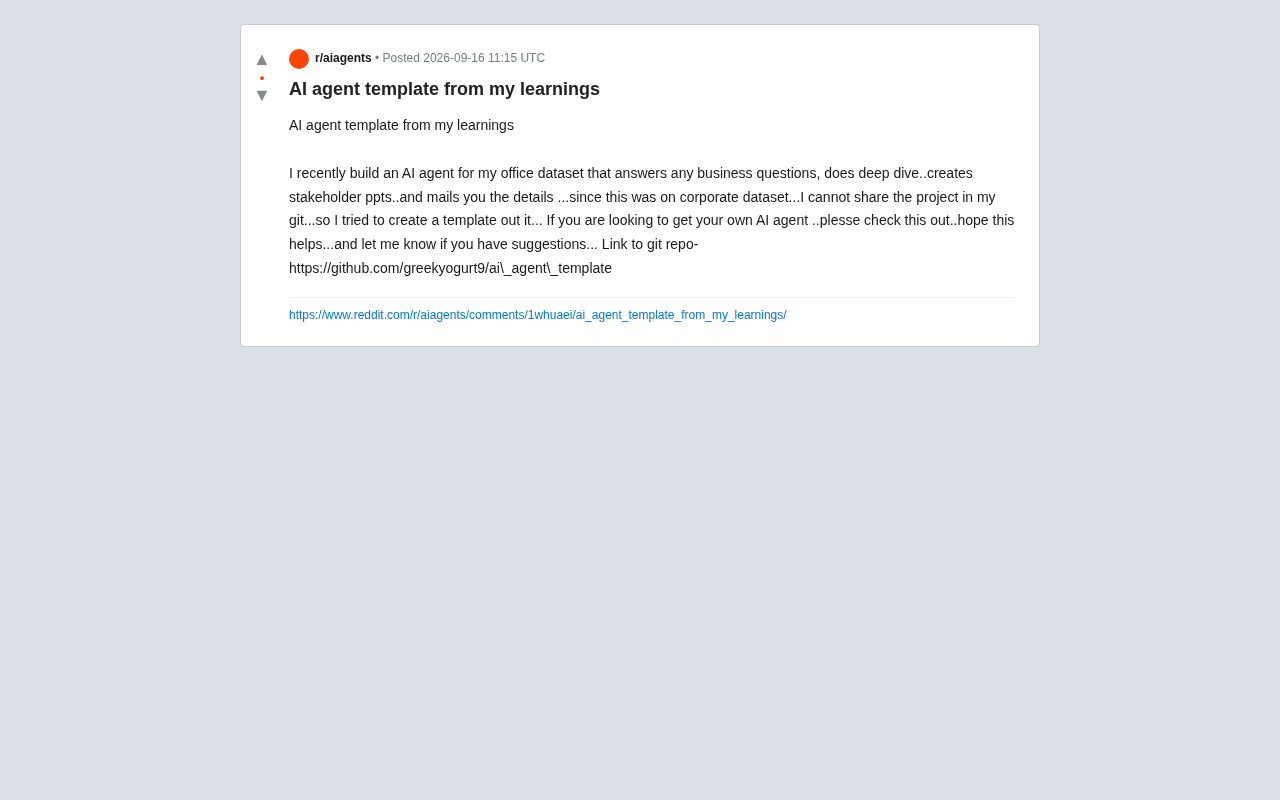
From Enterprise Practice to a Reusable Template: Lessons from Building an AI Agent
A developer shares an open-source AI Agent template built from an enterprise project, covering natural language data Q&A, analysis, auto-generated PPTs, and email distribution.

Nintendo's Open-World Design Evolution: Breaking Down Fire Emblem Fortune's Weave
Nintendo brings the open-world design philosophy of Breath of the Wild to Fire Emblem with the massive Switch 2 title Fortune's Weave. Here's what it means.
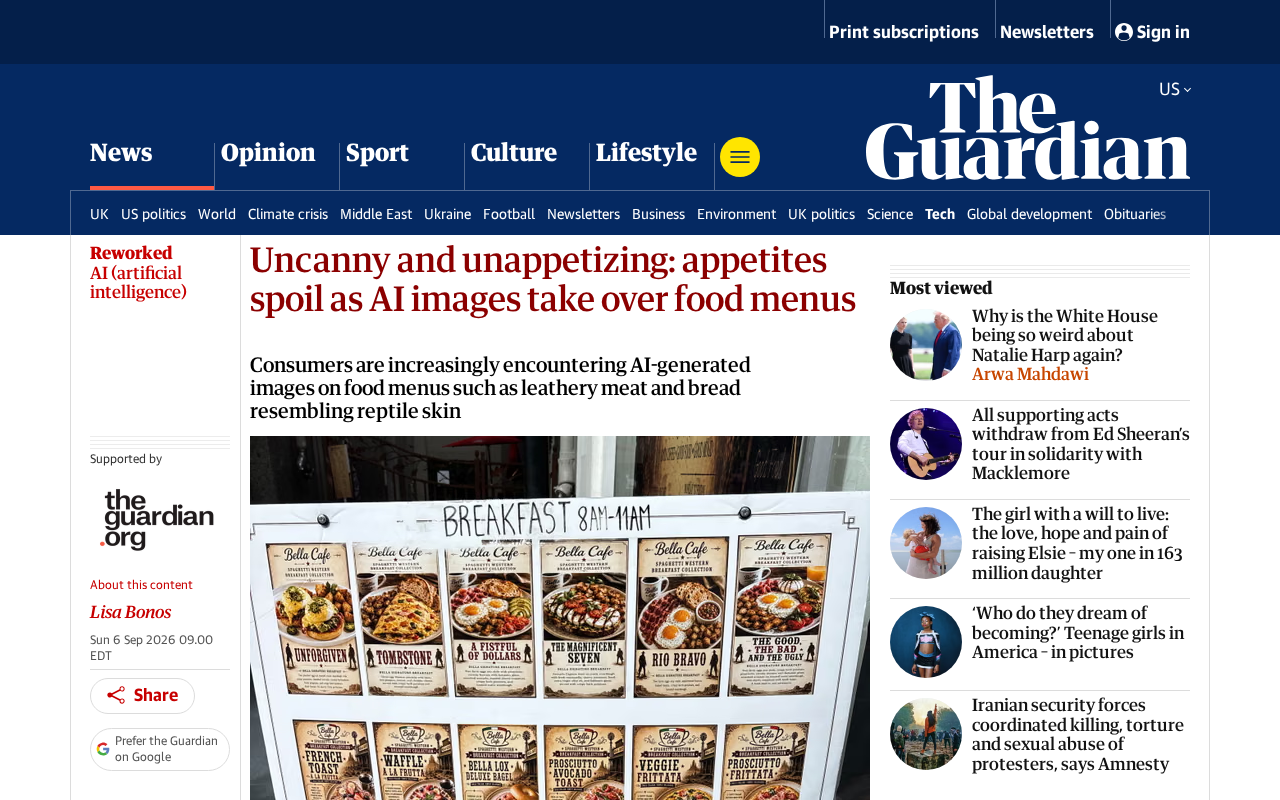
AI-Generated Food Photos Are Ruining Menus: How the Uncanny Valley Kills Appetite
AI-generated food images are flooding restaurant menus and delivery apps, but uncanny details kill appetite instead of sparking it. Here's why the uncanny valley effect hurts brands.