Amp Adds BYOK Model Routing: Seamless Integration with Ollama Cloud Models
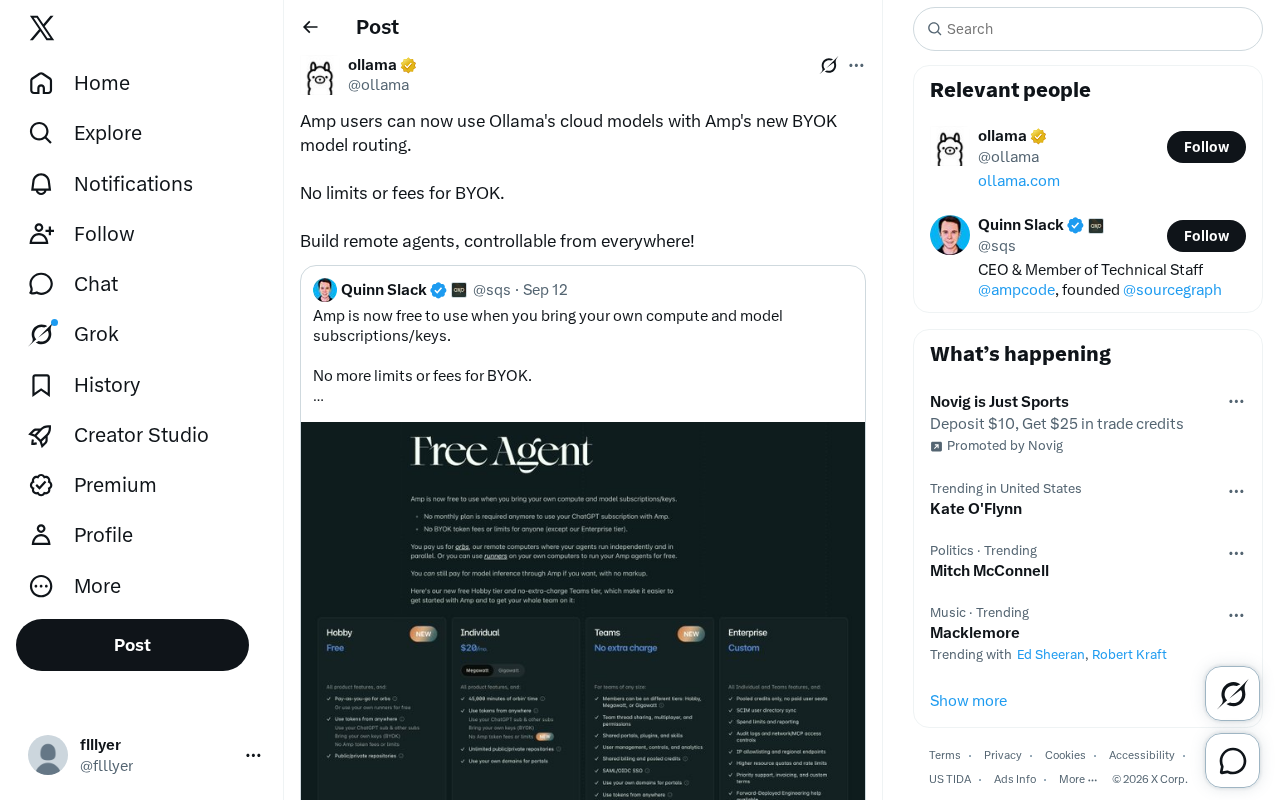
Amp's new BYOK routing lets developers use their own Ollama API keys with no platform fees or limits.
AI coding tool Amp has added BYOK (Bring Your Own Key) model routing, letting developers use their own Ollama API keys to call cloud models directly — with no platform fees or call limits. The update hands cost and control back to users, addressing the common pain point of being throttled under subscription-based tools. Amp also announced support for remote agents controllable from anywhere, signaling a move toward distributed AI task scheduling. The collaboration reflects a broader trend of decoupling between model and tool layers in the AI coding ecosystem.
Amp Connects to Ollama Cloud Models with Zero-Barrier BYOK Routing
AI coding tool Amp has announced support for directly calling Ollama's cloud models through its new BYOK (Bring Your Own Key) model routing mechanism. This means developers can plug their own model access credentials into Amp, bypassing platform-level quota restrictions and extra fees for a more flexible model experience.
Based on the official announcement, this update has three core selling points: seamless integration with Ollama cloud models, no call limits or additional fees under BYOK mode, and support for building remote agents that can be controlled from anywhere. For developers who have long relied on third-party AI coding assistants, this combination is quite compelling.
What BYOK Mode Actually Means
BYOK means users bring their own API keys obtained directly from a model provider, rather than relying on platform-managed credits. This model has become increasingly common in the AI tool ecosystem over the past two years, and the logic is straightforward: the platform no longer acts as a middleman marking up model calls — instead, cost and control are handed back to the user.
For developers, BYOK delivers two immediate benefits. First, cost transparency — you only pay for actual usage incurred at Ollama (or another provider), with no additional cut taken by Amp. Second, you're free from platform quota constraints, so heavy usage won't trigger frequent rate limiting. Amp's explicit emphasis on "No limits or fees for BYOK" speaks directly to a common frustration with subscription-based tools: getting throttled when you use them too much.
Of course, BYOK also shifts the responsibility of key management and usage monitoring to the user. Safely storing API keys and avoiding accidental bills from misuse are considerations you'll need to handle yourself.
At the technical implementation level, BYOK typically works like this: the user enters their API key in the tool's settings interface, and when making model calls, the tool attaches that key directly to the request header. Traffic is routed through the platform's routing layer to the corresponding model provider, and billing happens entirely between the user and the provider. The fundamental difference from a subscription model is that subscriptions involve the platform bulk-purchasing API quota and redistributing it — which naturally creates room for rate limiting and markups. BYOK removes the platform from the billing chain entirely, leaving it to provide only routing and interface value. Tools like Cursor, Continue, and Cline already support BYOK, making it a standard capability in this category. It's worth noting that support granularity varies: some tools only allow swapping the primary model, while others — like Amp's latest update — allow configuring different keys from different sources for different tasks, offering greater flexibility.
Remote Agents: Control from Anywhere
Another noteworthy aspect of this update is Amp's mention of the ability to "build remote agents that can be controlled from anywhere." This hints that Amp is positioning itself not just as a local coding assistant, but as a distributed, remotely schedulable agent framework.
Combining model routing with remote agents, developers could theoretically deploy long-running AI tasks in the cloud and then monitor and intervene from any device. With the compute backing of Ollama's cloud models, the barrier to deploying such remote agents is lowered further. However, official details remain limited at this point — specific deployment methods, concurrency capabilities, and security isolation mechanisms will need to be verified through future documentation or real-world testing.
What This Means for the AI Coding Tool Ecosystem
Zooming out, the collaboration between Amp and Ollama reflects a broader trend in AI coding tools: the model layer and tool layer are decoupling. Tool vendors are no longer locked into a single model provider. Instead, through routing mechanisms like BYOK, they let users freely choose their underlying model source.
Ollama itself started out as a platform for running open-source LLMs locally. With its cloud model service now launching and integrating with upper-layer tools like Amp, it forms a complete chain from model hosting to application-level calls. This kind of open integration is good news for developers — lower migration costs, more choices, and far less risk of being locked into a single platform.
It's worth noting that this announcement came via a brief social media post, so the information available is relatively limited. The actual stability of the BYOK routing, the range of supported models, and the full capabilities of the remote agent feature all await further official clarification and community testing. Interested developers would be wise to try it out on a small-scale project first before deciding whether to deeply integrate it into their workflow.
Ollama first gained widespread recognition as a local inference engine — developers could run open-source models like Llama, Mistral, and Qwen on their own machines with a single command, no cloud services required. Its core value lies in reducing the barrier to running models to nearly zero, and through a locally hosted endpoint compatible with the OpenAI API format, it enables a large number of existing tools to integrate almost seamlessly. The launch of a cloud model service represents Ollama's attempt to extend the same philosophy of ease-of-use to managed compute scenarios — users don't need their own GPU to get a calling experience and model selection freedom similar to local deployment. For developers who are compute-constrained but unwilling to be bound by closed model ecosystems like OpenAI or Anthropic, Ollama's cloud service offers a managed alternative path built on open-source models.
Related articles
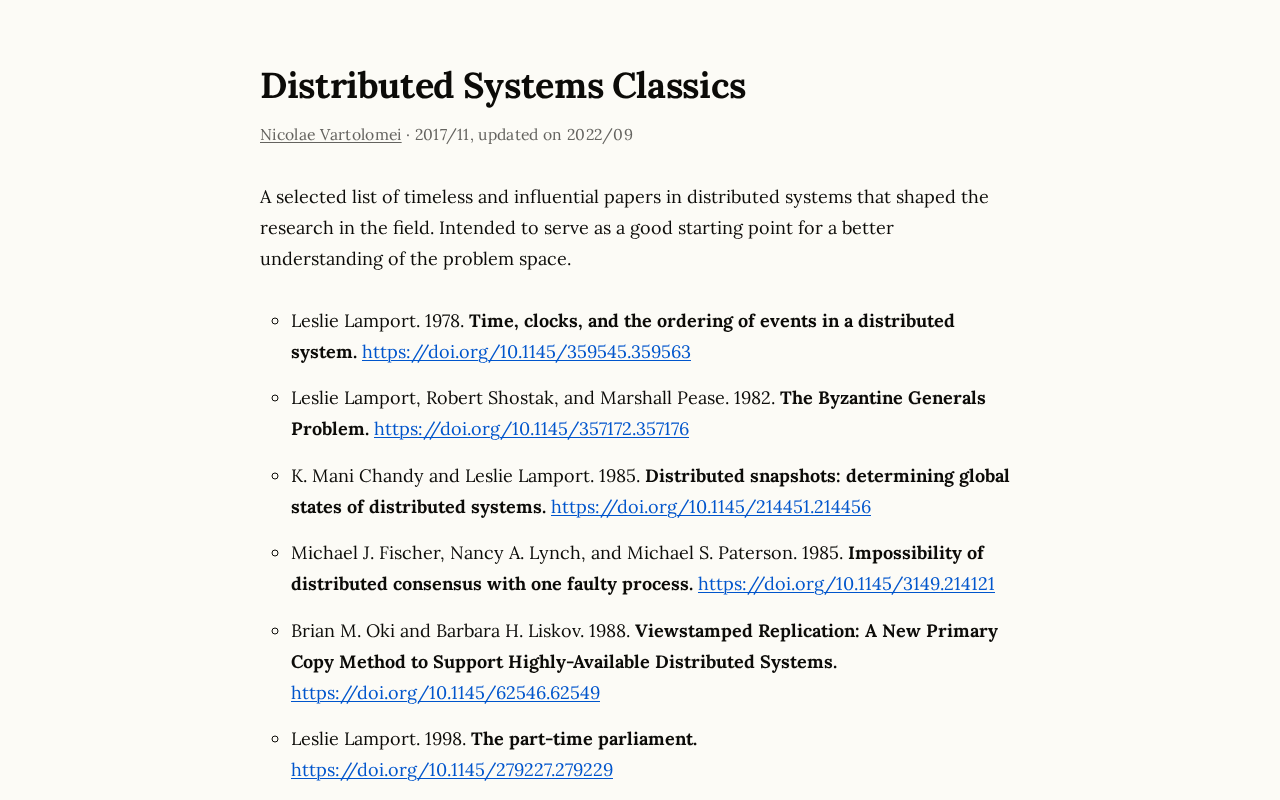
A Reading Guide to Distributed Systems Classic Papers: From Beginner to Expert
A viral Hacker News list of distributed systems classic papers covering consensus algorithms, logical clocks, and the CAP theorem — a structured learning path for engineers.
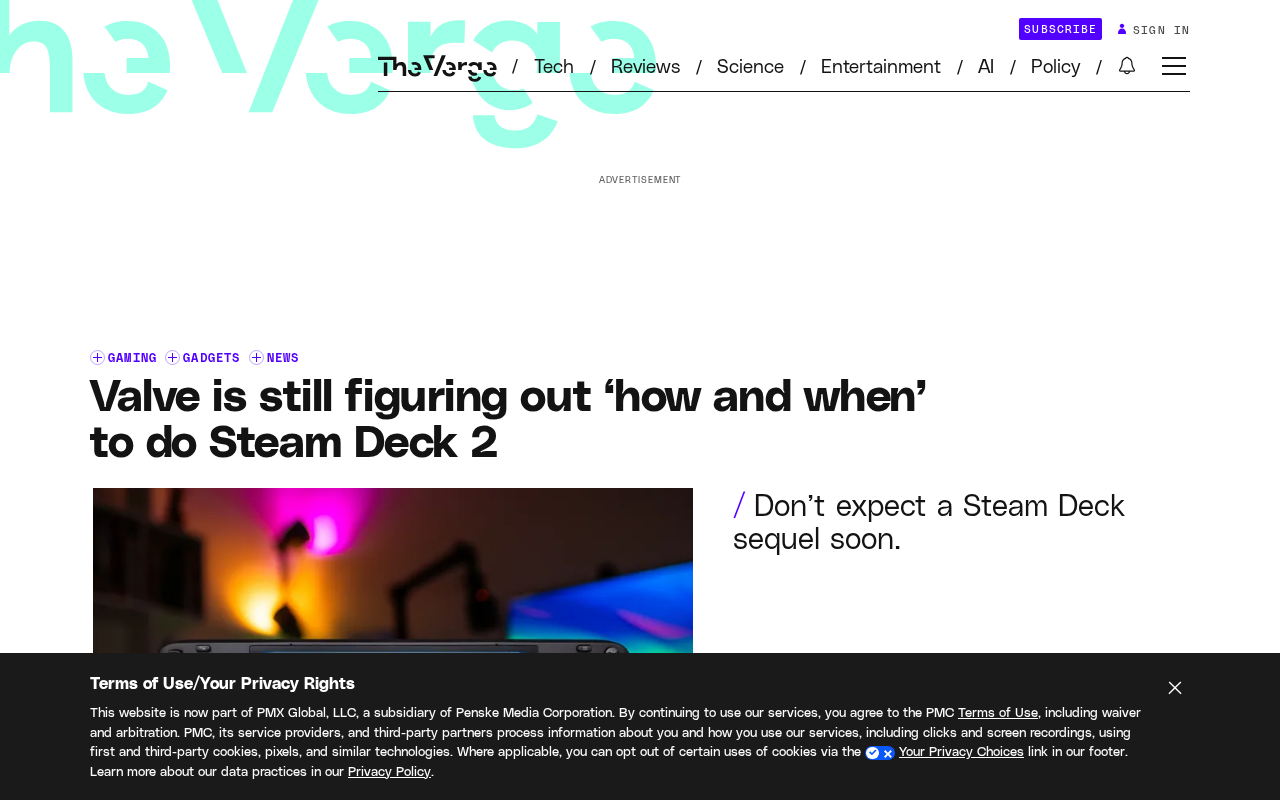
Valve Is Still Weighing When and How to Launch Steam Deck 2
Valve has completed its 2026 hardware lineup with Steam Controller, Steam Machine, and Steam Frame, but Steam Deck 2 still has no set timeline. Valve says it's still weighing "how and when" to launch.
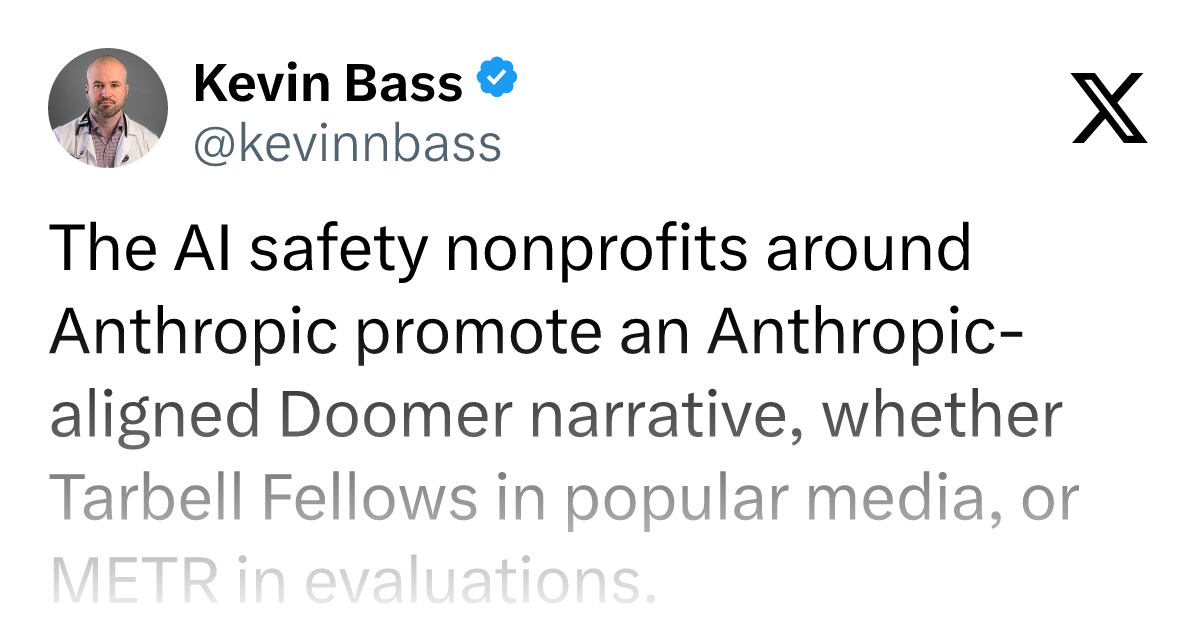
Regulatory Capture Accusations: The Controversy Over Anthropic's Capital and Policy Loop
A Hacker News post questions whether Anthropic is caught in a regulatory capture financial loop. We unpack the concept and why it's being aimed at top AI firms.