Anthropic CEO Calls for Hitting the Brakes on AI Development: A Three-Step 'Pace the Frontier' Plan
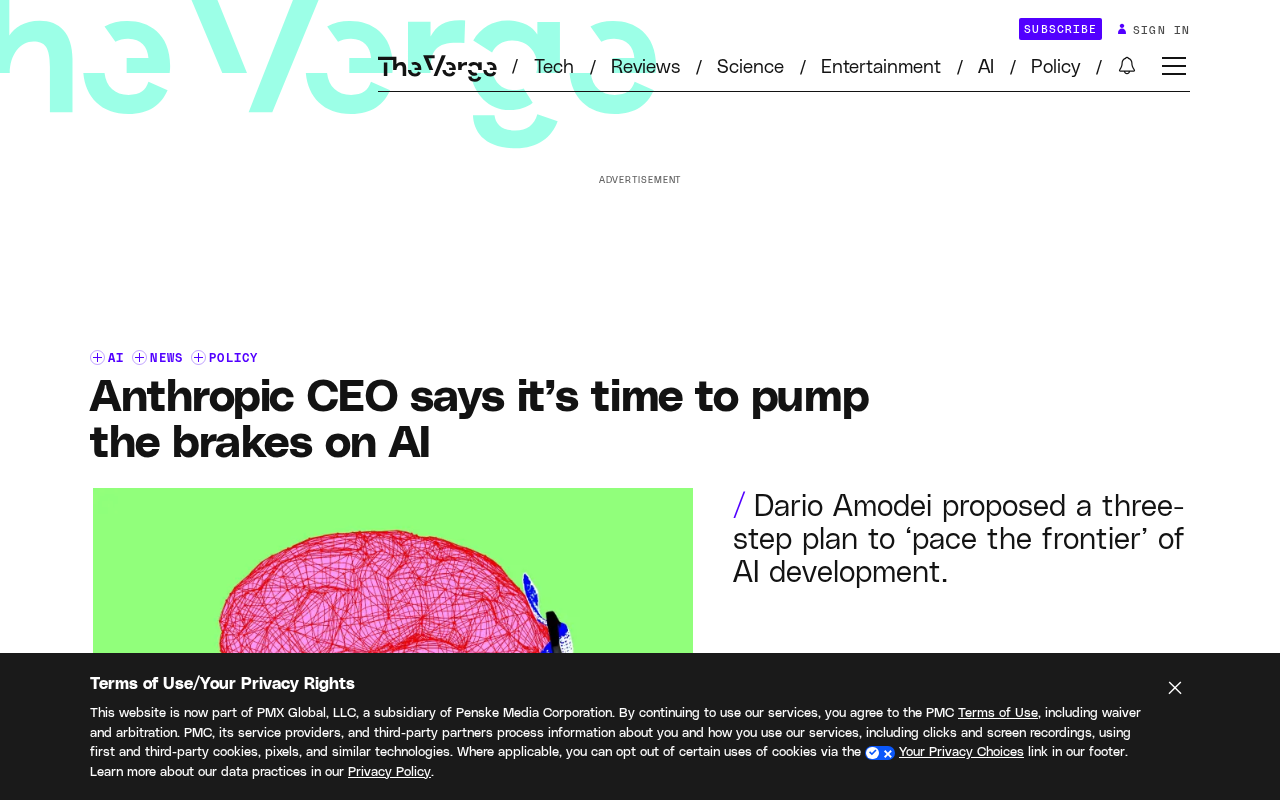
Anthropic CEO proposes a 'pace the frontier' plan to slow AI development and open models to third-party safety evaluators.
Anthropic CEO Dario Amodei has published an essay introducing a 'pace the frontier' framework, calling for deliberate control over AI's development speed. The most concrete step in his three-part plan is granting third-party evaluators like METR access to Anthropic's models to verify the company's safety commitments. Amid an industry-wide race to accelerate, a top lab CEO voluntarily advocating for slowdown and verifiable accountability is a notable signal — though key details on access scope, public disclosure, and whether other labs will follow remain to be seen.
A Clear Stance from Anthropic's Leader
Anthropic CEO Dario Amodei recently published a lengthy essay making a pointed argument in the midst of an intensifying AI race: it's time to pump the brakes on AI development. Coming from the head of one of the industry's most aggressive frontier model developers, a voluntary call to "slow down" carries significant weight as a signal.
Amodei uses the phrase "pace the frontier" in the piece. Despite sounding somewhat technical, the core idea is straightforward — advancing the capability frontier while deliberately managing the pace of progress, rather than relentlessly chasing speed and scale.
The Heart of the Plan: Opening Access to Third-Party Evaluators
According to Amodei's outline, the "pace the frontier" approach involves a three-step plan. The most substantive step is Anthropic's commitment to granting third-party evaluation organizations — such as METR — access to its models.
The goal is to help external organizations verify Anthropic's adherence to its "safety practices and commitments." In other words, Anthropic is willing to let independent third parties examine whether the company is actually living up to the safety standards it publicly claims — rather than simply taking the company's word for it.
This openness to external auditors is far from the norm in a fiercely competitive, highly secretive AI industry. Frontier models are typically treated as core commercial secrets, and voluntarily inviting external scrutiny means navigating a real tradeoff between transparency and competitive advantage.
Why "Slowing Down" Has Become a Topic of Discussion
The broader AI industry is currently in an accelerationist mode, with major labs racing to release ever more capable models. Against this backdrop, a leading company's CEO publicly discussing "deceleration" reflects ongoing concern within the industry about balancing the pace of development with safety risks.
Amodei's statement can be read as a warning: an unchecked capability race risks squeezing out safety evaluation and risk management. By bringing in third-party evaluators like METR to create some form of verifiable accountability, the hope is to translate "slowing down" from rhetoric into practice.
Notably, if third-party evaluations like this become standard industry practice, they could reshape how AI development is governed more broadly. The core questions they raise are: Who oversees the safety of frontier models? Is corporate self-regulation enough?
The Real-World Impact Remains to Be Seen
Based on what's publicly available, Amodei's essay reads more as a declaration of principles and a proposed framework than a detailed action plan. Specific implementation details, evaluation criteria, and any quantitative benchmarks for "pacing" have yet to be clarified.
For those watching AI safety and governance, the key questions to track going forward include: What level of model access will organizations like METR receive? Will evaluation results be disclosed to the public? Will other frontier labs adopt similar practices?
Whether one leading company's stance can translate into industry-wide consensus and action will take time to determine. But at the very least, Anthropic has once again pushed the question of "how AI should be developed responsibly" to the forefront of public discourse.
Related articles
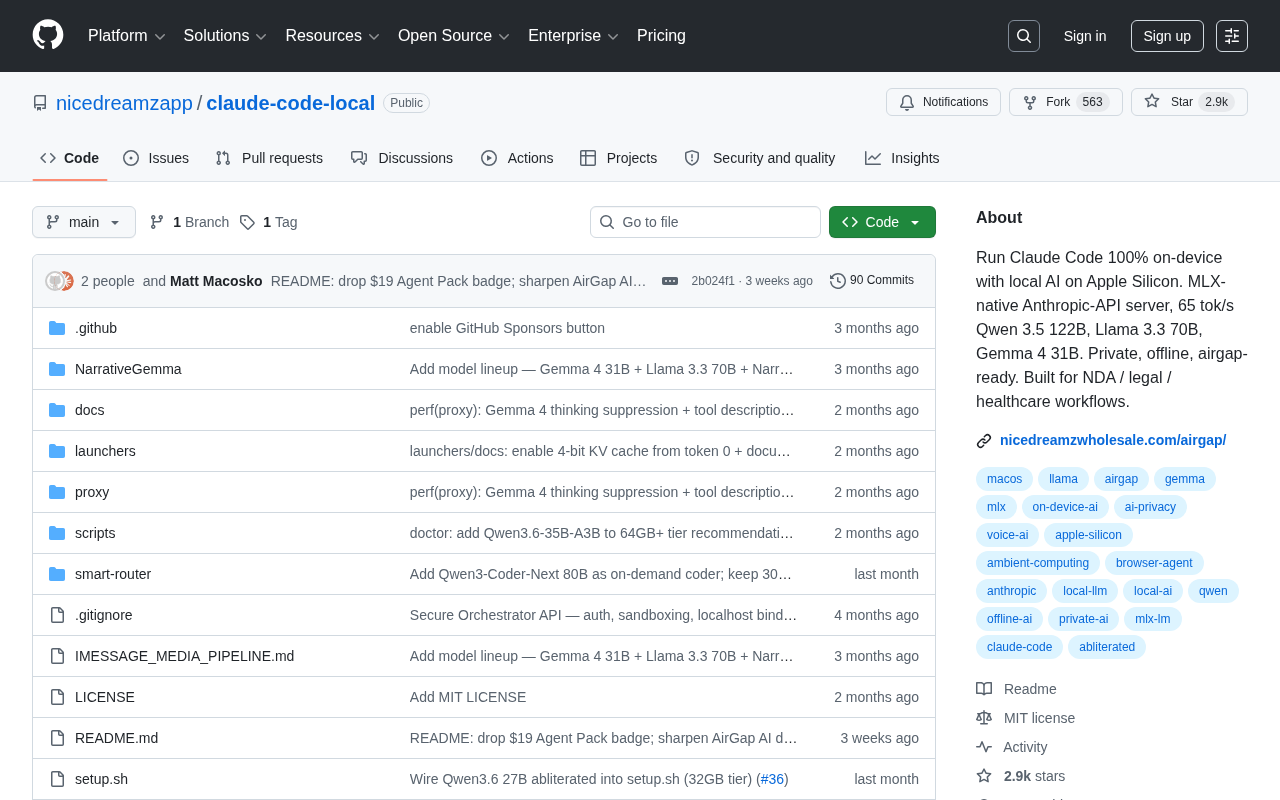
Running Claude Code Locally: A Fully Offline AI Coding Solution for Apple Silicon
claude-code-local runs Claude Code 100% offline on Apple Silicon via MLX, supporting Qwen 3.5 122B at 65 tok/s — built for NDA, legal, and medical privacy workflows.
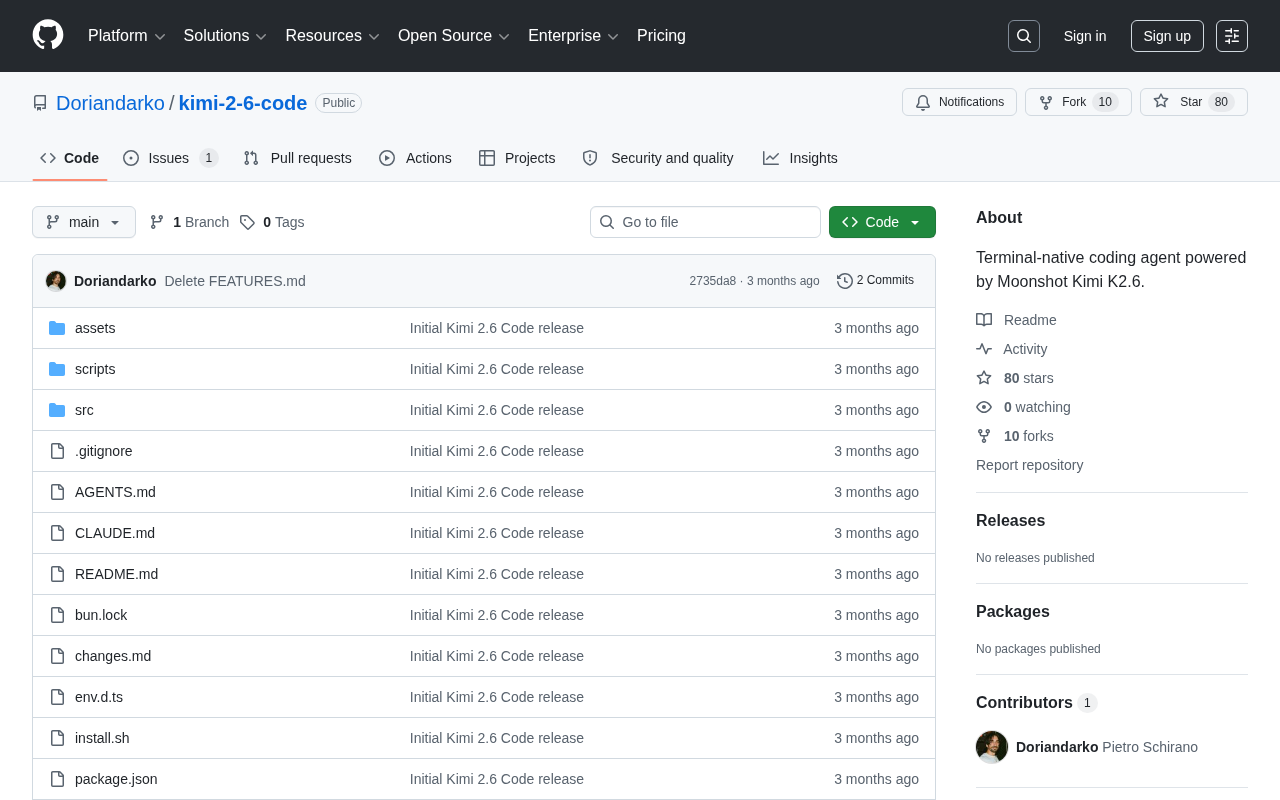
Kimi 2.6 Code: A Terminal-Native Coding Agent Built on the Moonshot Model
kimi-2-6-code is a terminal-native coding agent built in TypeScript on Moonshot's Kimi K2.6 model. Learn about its design, model choice, and maturity level.
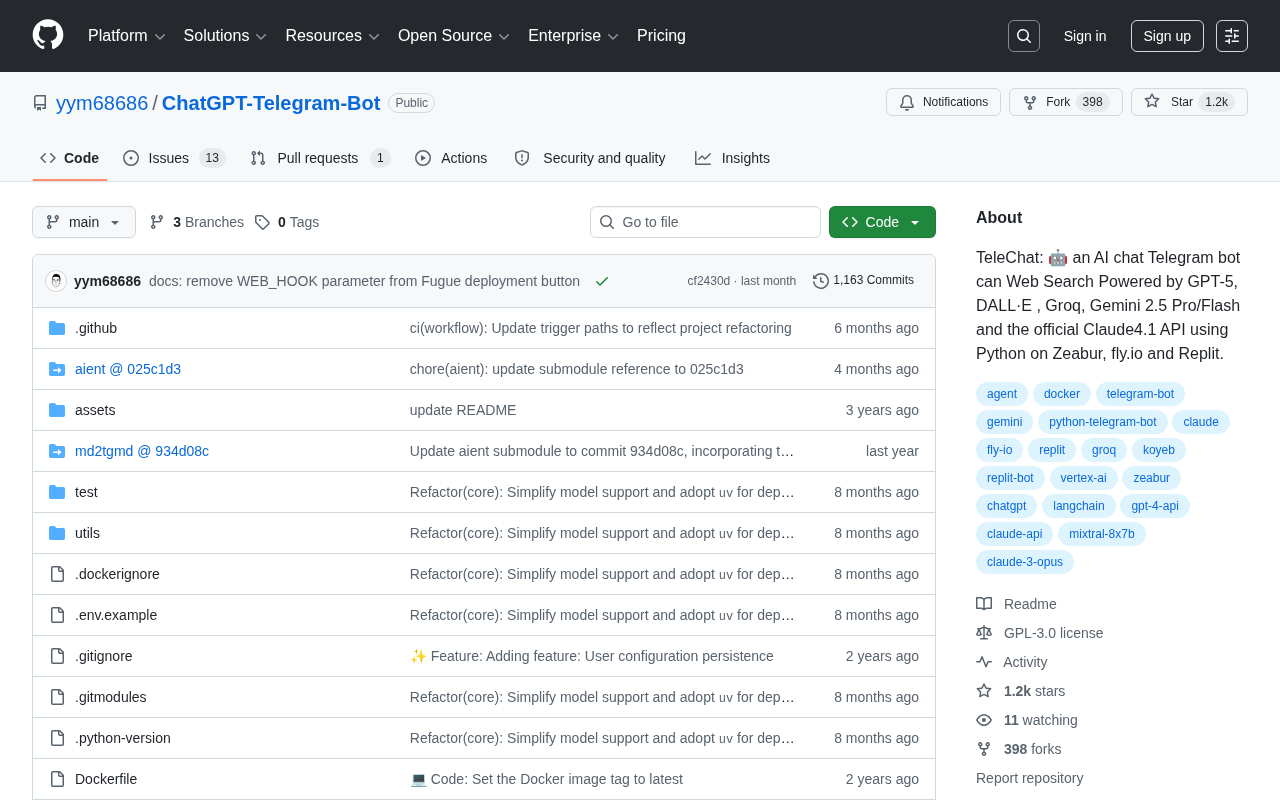
TeleChat: An Open-Source Telegram AI Bot Integrating GPT-5, Gemini, and Claude
TeleChat is an open-source Telegram AI bot integrating GPT-5, DALL·E, Groq, Gemini 2.5, and Claude 4.1. Supports web search and deploys on Zeabur, fly.io, and Replit. 1,242 Stars on GitHub.