Anthropic Invited to German Cabinet Meeting for In-Depth AI Competitiveness Strategy Discussions

Anthropic joins German cabinet retreat to discuss national AI competitiveness and industrial strategy.
Anthropic executives were invited to attend a German Federal Cabinet retreat chaired by Chancellor Friedrich Merz, engaging in strategic discussions on AI competitiveness and industrial empowerment. The move signals Germany's shift toward pragmatic AI partnerships with frontier companies, aiming to integrate AI into its strong industrial base rather than competing head-on in general-purpose models. This reflects a broader global trend of AI companies becoming strategic partners in national policy formulation.
Anthropic Leadership Joins German Government AI Strategy Discussions
This week, senior executives from Anthropic were invited to attend a German Federal Cabinet retreat, engaging in in-depth discussions with top German government officials on key topics including AI competitiveness and industrial empowerment. The meeting was chaired by German Chancellor Friedrich Merz, signaling that the new German government is actively seeking strategic partnerships with the world's leading AI companies.
Anthopic was founded in 2021 by former OpenAI Research Vice President Dario Amodei and his sister Daniela Amodei. The company's core competitive advantage lies in its proprietary AI safety research framework — Constitutional AI (CAI) — a technical approach that trains AI systems through explicit value guidelines to produce outputs more aligned with human intent. As of 2025, Anthropic has secured over $10 billion in strategic investments from tech giants including Amazon and Google, with a valuation exceeding $60 billion, placing it among the world's most important AI infrastructure providers. This positioning, which combines technical depth with a safety-research orientation, has made it particularly appealing to regulation-conscious European government institutions.
Germany's AI Strategy Signals a Major Shift
The Federal Cabinet retreat (Kabinettsklausur) is an informal, high-level strategic meeting format used by the German government, typically convened during the early days of a new administration or at times of major policy shifts. It is designed for deep discussion on specific strategic topics rather than routine legislation. Friedrich Merz assumed the role of German Chancellor in early 2025, leading a new coalition government dominated by the CDU (Christian Democratic Union). Long known for his pro-business stance and emphasis on Germany's international competitiveness, Merz has made digital transformation and AI strategy explicit priorities of his administration since taking office.
This invitation sends a clear signal: Germany is reassessing its AI development strategy. As Europe's largest economy, Germany has deep strengths in manufacturing and industry but has been relatively conservative in its AI positioning. Inviting executives from cutting-edge AI companies like Anthropic to participate directly in cabinet-level strategic discussions is a positive sign that the German government is breaking from traditional bureaucratic decision-making paths and incorporating firsthand industry perspectives. It also reflects the new government's policy orientation of pulling AI policymaking away from abstract regulatory frameworks and back into the concrete context of industrial competitiveness.
Choosing to engage directly with a frontier AI company like Anthropic, rather than relying solely on EU-level policy frameworks, indicates that the German government is pursuing a more pragmatic and flexible path to AI development. The meeting focused on two core themes: "how to empower industry" and "ensuring AI competitiveness" — topics highly aligned with Germany's traditional industrial strengths. How to deeply integrate AI technology into pillar industries such as automotive, mechanical engineering, and chemicals was likely a key focus of the discussions.
AI Company–Government Dialogue Becomes the New Normal
Since 2023, executives from frontier AI companies — led by OpenAI, Anthropic, and Google DeepMind — have been appearing with increasing frequency at strategic government events around the world. OpenAI's Sam Altman has visited dozens of countries for government consultations; Google CEO Sundar Pichai regularly participates in policy dialogues across Europe and the US; and Anthropic has actively presented its safety-oriented position at US Senate AI subcommittee hearings. This trend is driven by deeper strategic logic: AI companies need to influence the direction of regulatory rulemaking to avoid legislation unfavorable to their business models; at the same time, government contracts — especially in defense, healthcare, and education — are becoming one of the most scalable revenue sources for AI companies.
For Anthropic, this invitation to a German cabinet meeting carries multiple layers of significance:
- Recognition of Technical Capabilities: It serves as a direct endorsement of Anthropic's position in the frontier AI landscape
- European Market Expansion: It advances the company's push into enterprise application scenarios across Europe
- Regulatory Engagement Opportunity: It provides a window for the company to help shape Europe's AI regulatory framework
As a core EU member state, Germany's AI policy direction will have far-reaching implications for all of Europe. The EU AI Act officially took effect in 2024 as the world's first comprehensive legal framework targeting AI systems, adopting a risk-based regulatory model. It classifies AI applications into four categories — unacceptable risk, high risk, limited risk, and minimal risk — and imposes strict transparency, explainability, and human oversight requirements on high-risk systems. For general-purpose large language models, the Act also requires the publication of technical documentation and imposes additional systemic risk management obligations on frontier models exceeding certain computational thresholds. With this regulatory framework already in effect, finding the balance between regulatory compliance and innovation is a key challenge facing Germany and Europe as a whole. Notably, Anthropic's existing emphasis on AI safety and transparency aligns closely with EU regulatory expectations — a deep-rooted reason why the company holds a unique competitive advantage in the European market.
Challenges and Unique Opportunities for European AI Competitiveness
Compared to the US and China, Europe faces significant challenges in overall AI competitiveness. Europe lacks globally leading AI companies like OpenAI, Google, and Anthropic, and has notable gaps in large model R&D, computing infrastructure investment, and top talent attraction.
However, Germany possesses distinctive advantages that cannot be overlooked. The concept of Industry 4.0 (Industrie 4.0) was first introduced by the German government in 2011, referring to the deep digital transformation of manufacturing through IoT, cyber-physical systems, and big data technologies. Germany has accumulated massive volumes of structured industrial data across sectors like automotive, precision machinery, and chemicals — providing natural material for AI model training and deployment. Current frontier applications of AI in German manufacturing include predictive maintenance, visual quality inspection, intelligent supply chain scheduling, and Digital Twin technology.
Germany's unique advantages are specifically reflected in:
- Strong Industrial Foundation: A world-leading manufacturing ecosystem provides rich scenarios for AI deployment, backed by deep industrial data accumulation
- Comprehensive Vocational Education System: A highly skilled workforce provides the talent base needed for AI application implementation
- Emphasis on Data Privacy and Ethics: Accumulated regulatory experience in responsible AI that naturally aligns with the EU legal framework
If AI technology can be deeply combined with Germany's industrial strengths to form differentiated competitiveness in vertical domains, Germany still has the opportunity to consolidate its economic position in the AI era. Rather than chasing America's lead in general-purpose large models, deeply embedding AI into industrial scenarios and developing proprietary industrial AI capabilities represents a more realistic and differentiated path for Germany.
This cabinet meeting may be a pivotal attempt by the German government to explore this path — not trying to compete head-on with American companies in general-purpose large models, but exploring how to leverage advanced AI technology to empower domestic industries and build advantages at the application layer.
Deeper Implications for the Global AI Competitive Landscape
This event also reflects new dynamics in the global AI competitive landscape: governments around the world are increasingly recognizing that AI is not merely a technology issue but a core concern of economic security and geopolitical competition. Relying solely on market forces or multilateral frameworks is no longer sufficient — countries need to develop proactive, clearly defined AI strategies. For governments, maintaining direct dialogue channels with AI companies is both a means of gathering technological intelligence and a way to secure strategic leverage in the geopolitical AI competition.
For AI companies, building strong government relationships is becoming an important factor in business development. This extends beyond regulatory compliance to include participating in public sector digital transformation, accessing government-backed R&D resources, and shaping favorable policy environments. Anthropic's invitation to the German cabinet meeting is both a direct reflection of its technical capabilities and the result of its sustained investment in government relations. From a broader perspective, this meeting reflects an emerging new model of AI governance: frontier AI companies are no longer merely subjects of regulation but are acting as strategic partners, directly participating in the formulation and implementation of national AI strategies.
Related articles
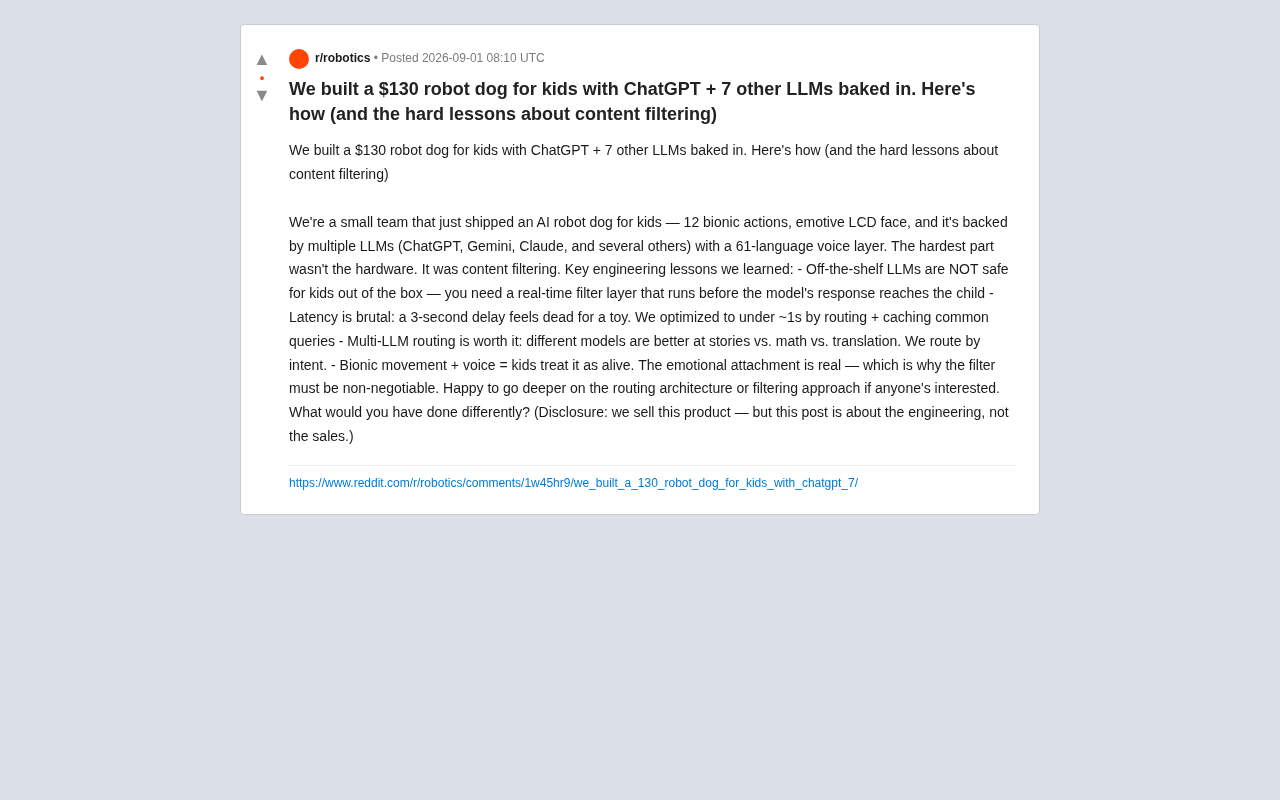
Building an AI Robot Dog for Kids: Multi-Model Routing, Content Filtering, and Latency Optimization
A $130 AI robot dog for kids integrates 8 LLMs with 61-language voice interaction. The team shares key engineering lessons on content safety filtering, multi-LLM intent routing, and sub-1-second latency optimization.
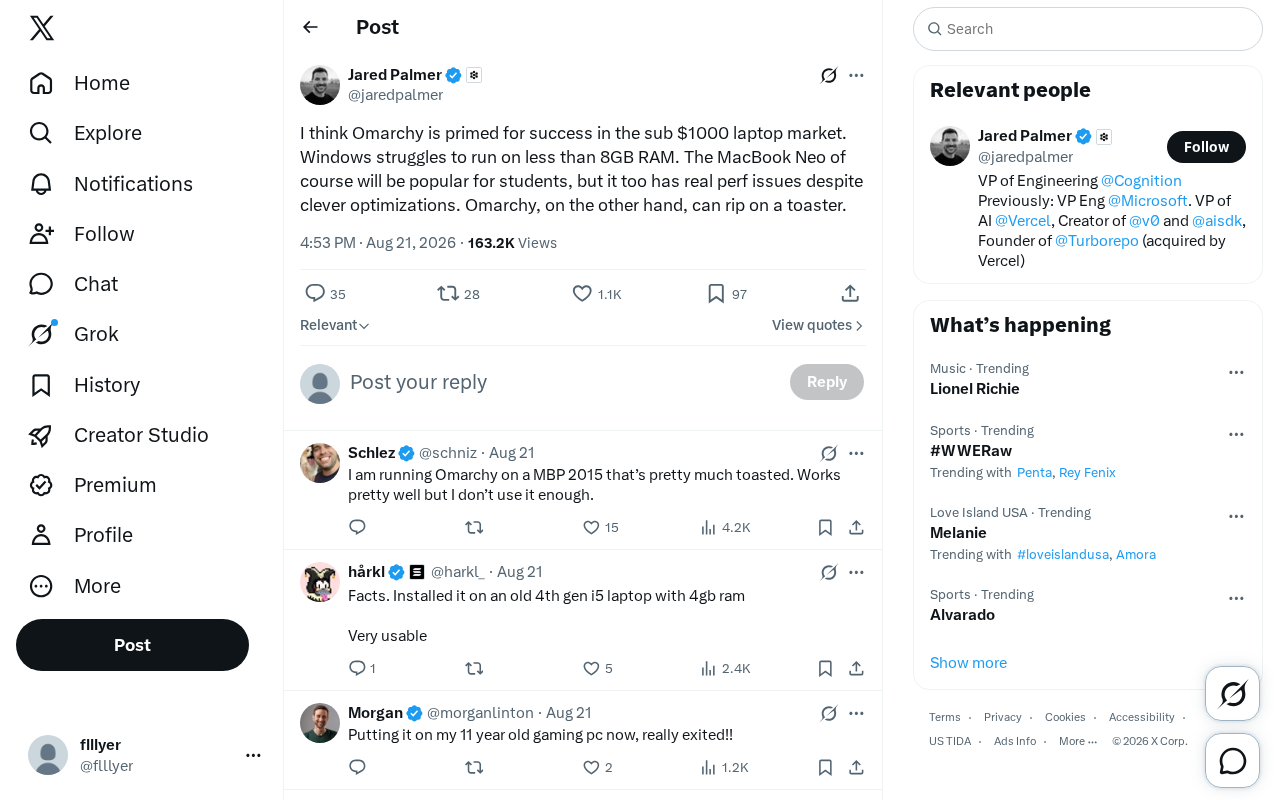
Can Omarchy Dominate the Sub-$1000 Laptop Market? An In-Depth Analysis
Omarchy, based on Arch Linux, shows unique advantages in the sub-$1000 laptop market. This analysis compares Windows and MacBook performance bottlenecks on low-spec hardware and examines why Omarchy enables cheap laptops to run smoothly, plus the ecosystem challenges and market prospects it faces.
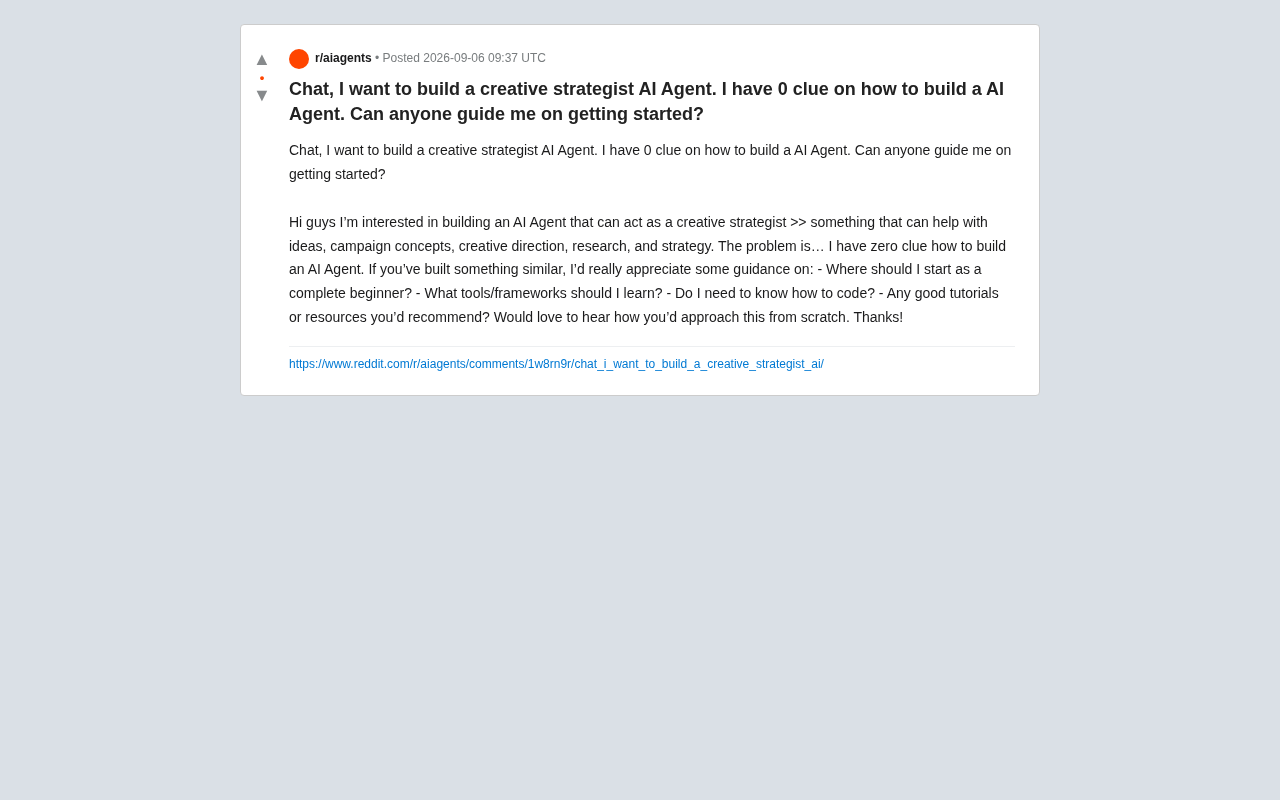
AI Agent Beginner's Guide: Building a Creative Strategy Intelligent Assistant from Scratch
A complete guide to building a creative strategy AI Agent from scratch. No coding required — use tools like Dify and Coze to quickly build an intelligent assistant.