Anthropic Launches AI Spend Transparency Tool, Revealing Cost Details Ahead of IPO
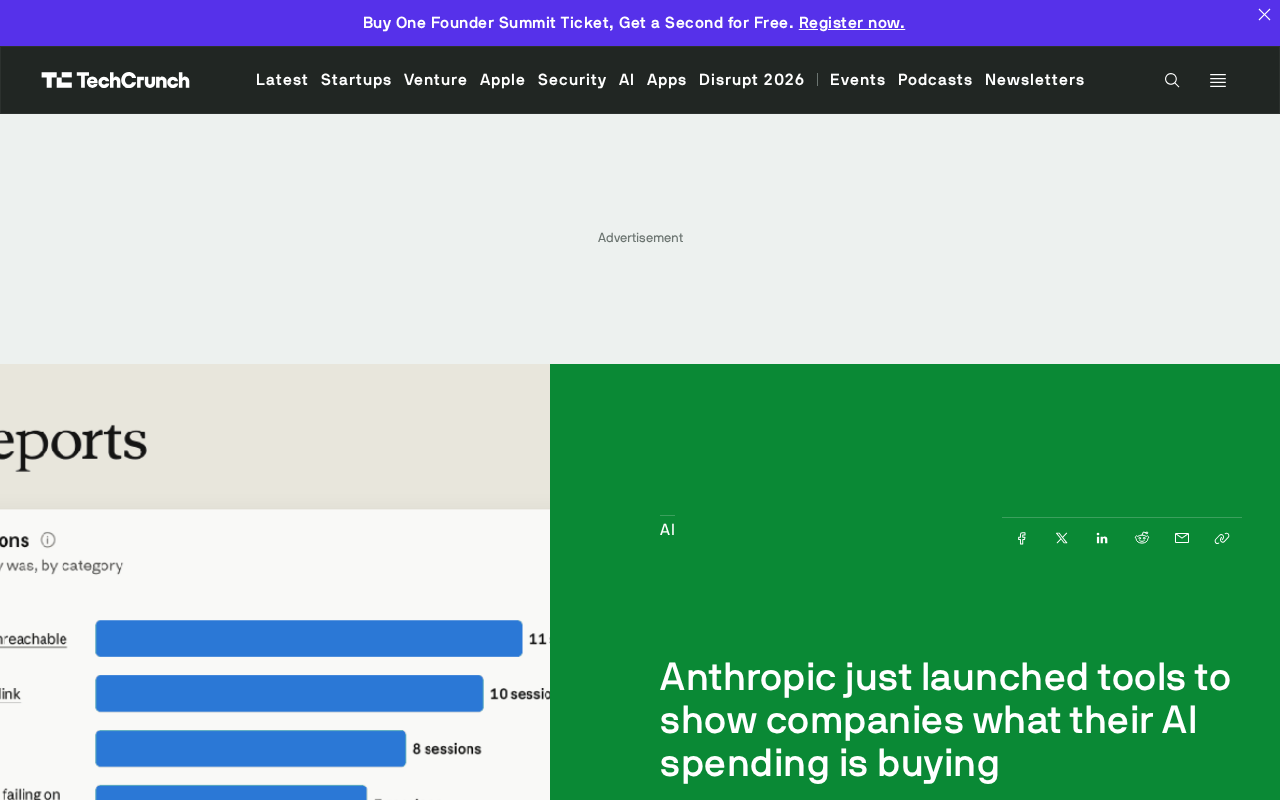
Ahead of its IPO, Anthropic launches an AI spend transparency tool to help enterprises see model usage costs and returns.
Anthropic recently released new tools that show enterprise customers the usage costs and value returns of its AI models, making black-box token billing traceable and attributable. The article notes that this move comes as Anthropic prepares for an IPO, addressing enterprise doubts about AI ROI while signaling to capital markets that its products are measurable and manageable. Spend transparency aligns with the shift in enterprise AI procurement toward refined operations, helping enterprises identify high-cost scenarios and optimize budgets. But the tools' real value depends on whether enterprises can make better data-driven decisions and whether Anthropic can turn cost visibility into perceived customer value.
Anthropic recently launched a series of new tools designed to show enterprise customers the usage costs and value returns of its AI models. This move comes before the company's planned IPO and is seen as a key step to enhance business transparency and strengthen enterprise trust.
Why AI Spend Transparency Has Become a Focus
As enterprises increase their investment in large models, a core question emerges: where exactly is the money going, and what is it buying? The tools released by Anthropic are precisely aimed at answering this question. According to the original report, the tools allow enterprises to clearly see the specific flow of their AI spending and the results it produces.
The timing of this move is noteworthy. Anthropic is preparing for an IPO, and investors remain cautious about whether AI companies can turn technology into sustainable business models. By providing cost visibility to enterprise customers, Anthropic is not only addressing a real customer pain point but also sending a signal to the capital markets: our products are measurable and manageable.
The billing mechanism of large model APIs usually uses tokens as the basic unit. A token is the smallest segment of text processed by a model; in English it is roughly equivalent to 0.75 words, while in Chinese it varies depending on the tokenization method. When enterprises call the API, both the input prompt and the model output (completion) consume tokens, and the unit price of output tokens is often higher than that of input tokens. In addition, pricing for models of different sizes (such as lightweight versions and flagship versions) can differ by dozens of times, and scenarios such as batch calls, cache hits, and long context can also affect the final bill. It is precisely this multidimensional billing structure that makes it difficult for enterprises to map bill amounts back to specific business scenarios without specialized tools—which is exactly where the core value of spend transparency tools lies.
The Core Value of the Tools: From Black Box to Transparency
For many enterprises, the cost structure of using large model APIs often resembles a black box. Details such as token consumption, model call frequency, and cost differences across task types are difficult to present intuitively in traditional bills. Anthropic's new tools attempt to break this opacity.
According to the original report, these tools can show how much enterprise users are spending on Anthropic models. This means enterprises can track budget allocation more precisely, identify high-cost scenarios, and optimize their AI application strategies accordingly. For CFOs and IT leaders, this visibility is an important basis for deciding whether to expand AI investment.
The Business Logic Ahead of an IPO
Anthropic plans to hold an IPO, and this background adds strategic significance to the tool release. Showing spend transparency to enterprise customers before going public helps build a healthier customer relationship ecosystem—enterprise customers are more willing to keep paying for a platform whose costs they can clearly understand.
At the same time, this also responds to widespread market doubts about the return on AI investment. When enterprises can see where every dollar of spending goes, they are more likely to upgrade AI from experimental projects to core business infrastructure. For Anthropic, this directly relates to revenue predictability and customer retention, and these two indicators are important supports for IPO valuation.
IPO (Initial Public Offering) is a key milestone in which a company transitions from private ownership to public ownership. During the IPO preparation stage, a company needs to disclose financial data, revenue structure, customer retention, and growth sustainability to potential investors, and it must undergo stricter audits and compliance reviews. For AI companies, the market pays particular attention to whether revenue comes from repeatable enterprise contracts, whether gross margins can improve with scale, and whether customer churn is controllable. Therefore, strengthening enterprise customers' cost visibility and usage stickiness before an IPO is essentially providing support for the "revenue quality" narrative in the prospectus and reducing investors' discount for uncertainty in the AI business model.
Practical Significance for Enterprises
Enterprise AI procurement is moving from the "trial" stage into the "refined operations" stage. Anthropic's tools follow this trend, enabling enterprises to answer questions such as "which department has the highest AI call costs" and "which task types consume the most budget."
However, the tools' actual effectiveness remains to be tested by the market. Spend transparency is only the first step; enterprises are more concerned about whether they can make better decisions based on these data. Whether Anthropic can turn cost visibility into perceived customer value will determine the long-term impact of this initiative.
AI cost management (FinOps for AI) is becoming an extension of enterprise cloud financial operations. Traditional FinOps focuses on on-demand billing and budget allocation for cloud resources, while AI workloads introduce new variables such as token consumption, model version switching, and prompt length fluctuations, making cost attribution more complex. Mature practices include tagging by department or product line to allocate costs, setting budget alert thresholds, downgrading models or optimizing caching for high-consumption tasks, and establishing cost metrics per unit of business output (such as the AI cost per customer service session). Spend transparency tools can move from "visible" to "manageable" only when embedded in this operational process.
Conclusion
Anthropic's attempt at enterprise spend transparency reflects the AI industry's shift from a technology race to commercial implementation. Launching such tools on the eve of an IPO is both a pragmatic move to serve customers and a demonstration of confidence to the capital markets. As more AI companies enter the public market, how to make AI spending understandable and manageable will become a question the entire industry must answer.
One-line Summary
Ahead of its IPO, Anthropic launches an AI spend transparency tool to help enterprises see model usage costs and returns.
Paragraph Summary
Anthropic recently released new tools that show enterprise customers the usage costs and value returns of its AI models, making previously black-box token billing traceable and attributable. The article notes that this move comes as Anthropic prepares for an IPO, responding to enterprise doubts about AI ROI while signaling to capital markets that its products are measurable and manageable. Spend transparency aligns with the shift in enterprise AI procurement from experimentation to refined operations, helping enterprises identify high-cost scenarios and optimize budget allocation. However, the tools' actual value still depends on whether enterprises can make better decisions based on the data and whether Anthropic can turn cost visibility into perceived customer value.
Related articles
Ollama Local Deployment Guide: Run Open-Source LLMs with Zero Experience
Ollama local deployment tutorial: what Ollama is, why choose it, how to download, install, and run open-source LLMs, and use its API for custom development. Beginner-friendly.
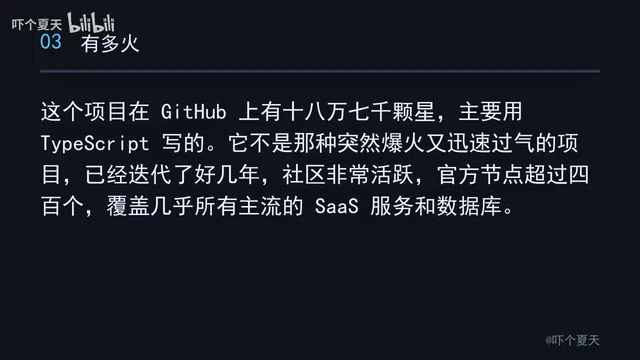
n8n: The 187K-Star Open-Source Automation Powerhouse That Turns Repetitive Work into Workflows
n8n is a 187K-star open-source visual workflow automation engine with 400+ nodes, Webhook/schedule/polling triggers, self-hosting for data security, and AI Agent support. Here's a guide to its core concepts, use cases, and pitfalls.
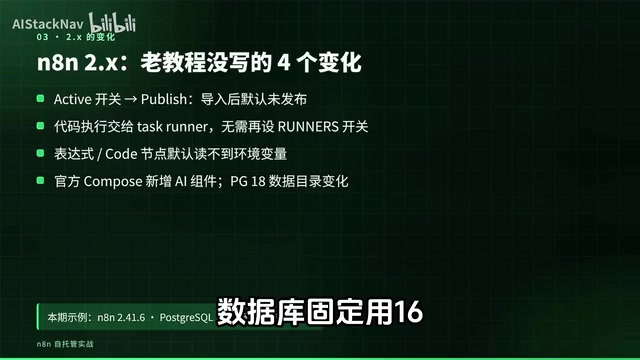
Self-Hosting n8n in Practice: Docker + PostgreSQL + Caddy Deployment Guide
A step-by-step guide to deploying a self-hosted n8n instance with Docker Compose, PostgreSQL, and Caddy automatic HTTPS, including env var pitfalls, Feishu alerting, and backup/upgrade/rollback tips.