Anthropic Races Toward Nasdaq: Ticker ANT, Can a Trillion-Dollar Valuation Hold?
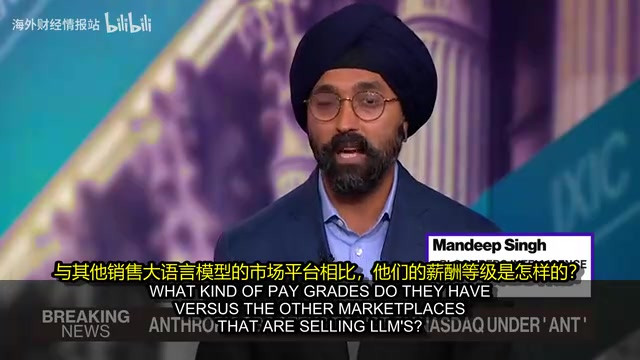
Anthropic files S1 for Nasdaq IPO under ticker ANT, with valuation debate and governance structure in focus.
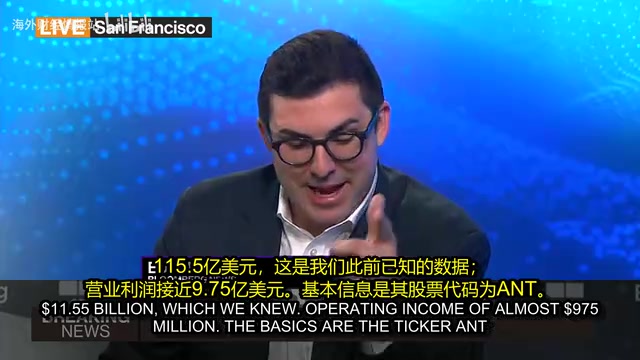
Anthropic's IPO S1 filing has been submitted, with ticker ANT set to list on Nasdaq under the lead of Goldman Sachs and Morgan Stanley. The filing shows Q2 revenue of $11.55 billion and GAAP operating income near $975 million, but also massive compute lease commitments with Broadcom and SpaceX AI. Investors at the investor day pressured for a lower valuation and suggested expanding the offering at a reduced valuation. A founder LLC will hold 50.1% voting power, retaining absolute control after listing. Unlike SpaceX, Anthropic lacks a personality-cult narrative, so IPO pricing relies more on institutional rationality — seen as a landmark event of the AI infrastructure layer facing public-market scrutiny.
Quick Overview: S1 Filing Lands, Ticker ANT Heads to Nasdaq
According to a CNBC live discussion cited by a Bilibili creator, Anthropic's IPO S1 filing has been officially submitted, with the ticker confirmed as ANT for listing on Nasdaq. The news put an end to earlier speculation on Polymarket about the ticker — those who bet on ANT ultimately won.
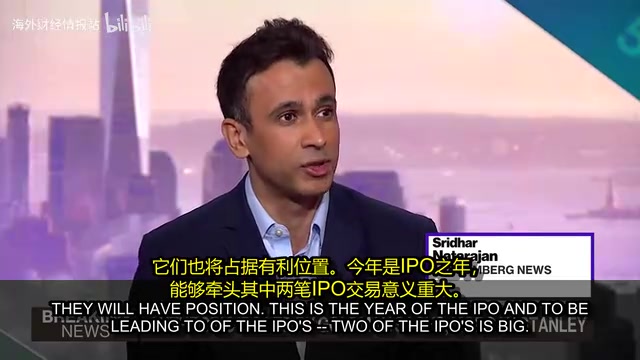
The underwriting lineup has also been revealed: Goldman Sachs and Morgan Stanley lead, with JPMorgan and Citi close behind. A detail worth noting — these two lead banks also managed SpaceX's IPO previously, and if OpenAI later launches its own offering, they remain well-positioned. In the words of a live-show guest, this is a "banner year" for investment banks.
The S1 filing is the IPO registration statement required by the U.S. Securities and Exchange Commission (SEC), formally titled "Registration Statement on Form S-1." It requires the prospective public company to fully disclose its business model, risk factors, financial condition, management compensation, equity structure, and use of proceeds. Once the S1 is filed, it enters the SEC review period, during which the company must revise it based on feedback (submitting S-1/A amendments) until the SEC declares it effective, at which point the roadshow and pricing can begin. The public release of the S1 is therefore a key milestone in the IPO process — the shift from confidential preparation to public transparency — and the data and risk disclosures it contains become investors' first-hand basis for judging the company's value.
Valuation Game: Investor Pressure and the Trade-off on Offering Size
The S1 does not disclose the offering size or price range, but the battle over valuation already shows signs. According to feedback from investor day shared during the live discussion, many investors "gently encouraged" Anthropic in private conversations to lower its valuation expectations — no need to insist on the two-trillion-dollar level; even at a lower valuation (say, 1.5 trillion dollars) with a simultaneously expanded offering size (possibly exceeding 100 billion dollars), the free float percentage would still be limited, making it operationally feasible.
This dynamic reveals a key signal: market pricing of leading AI companies is shifting from "narrative-driven" to "fundamentals scrutiny." Investors are willing to participate, but not to pay for overly optimistic expectations.
Financial Perspective: High Growth Alongside Massive Commitments
The core financial data in the S1 (as interpreted by live-show guest Ed) is as follows:
- Second-quarter revenue: $11.55 billion
- GAAP operating income: close to $975 million
- Compute leasing commitments: $161.2 billion in lease obligations with Broadcom, and up to $120.5 billion in lease obligations with SpaceX AI
These two combined compute commitments of staggering scale are key to understanding Anthropic's business model. During the live show, Mandeep noted that Anthropic's revenue model is not traditional subscription software but a consumption-driven LLM invocation model — revenue comes from its own products as well as marketplace distribution through platforms like Amazon and Google, and the S1 will disclose the sales share and commission rates for each channel. This model offers great growth elasticity, but its sustainability is questionable — which is why the host repeatedly pressed on whether revenue growth is sustainable.
Unlike the SpaceX IPO, Anthropic did not throw out an astronomical TAM (total addressable market) figure to support its valuation. The filing states: knowledge work represents roughly $40 trillion in economic value — a qualitative reference, not a forward revenue projection.
GAAP operating income refers to operating income calculated under U.S. Generally Accepted Accounting Principles (GAAP), i.e., operating revenue minus operating costs and operating expenses (R&D, sales, management, etc.), excluding non-operating items such as interest and taxes. GAAP requires revenue and expense recognition to follow the accrual basis and specific standards, which fairly reflects operating performance but may be affected by non-cash items (such as stock-based compensation). Non-GAAP metrics often strip out these items to show "adjusted" profitability. For high-growth tech companies, GAAP operating income is an important yardstick for whether they can control costs while expanding and achieve sustainable operations.
Governance Structure: Founder LLC Holds Voting Control
Another detail worth noting in the S1 is the governance arrangement: a founder LLC collectively formed by the founding team will hold 50.1% of voting power after the listing. This means that even after the IPO, Dario Amodei and his core team will retain absolute control over company decisions.
Live-show guests called this "very interesting" — such a dual-class structure is not uncommon in tech IPOs, but at Anthropic, where AI safety issues are highly sensitive, the founders' retention of control could be read as an institutional safeguard for the continuity of its mission, or it could raise concerns among outside shareholders about governance transparency.
Dual-class structure refers to a company issuing shares with different voting rights, typically Class A shares with one vote per share and Class B shares with multiple votes per share (e.g., 10 or 20 votes), allowing founders and management to control company decisions through high-voting shares even without a large ownership stake. This structure is common among tech companies (such as Google and Meta) and aims to safeguard the founding team's control over long-term strategy against short-term market pressure. Critics argue it weakens ordinary shareholders' governance rights and may create agency problems. In Anthropic's case, the founder LLC holding 50.1% of voting power means the founding team retains absolute control even after listing — closely tied to its emphasis on an AI safety mission.
Market Narrative: An IPO Without "Musk Worship"
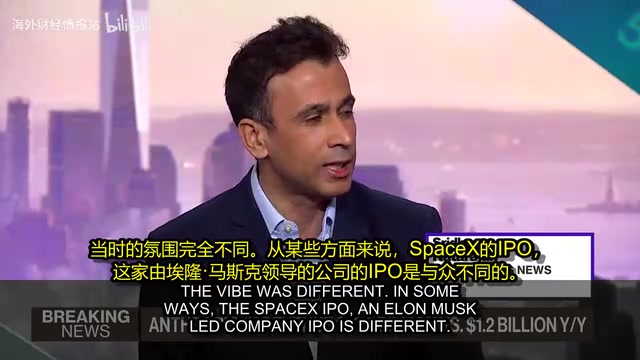
One insightful comparison from the live show: SpaceX's IPO can rely on retail enthusiasm driven by "Musk worship," but "Dario worship" does not exist in the same way. This means Anthropic's listing narrative must rely more on rational pricing by institutional investors rather than sentiment.
Guests emphasized that Anthropic's significance to the AI industry is akin to an "industrial-grade utility" entering public markets — it is not just another tech company IPO, but a landmark event marking the AI infrastructure layer's submission to public-market scrutiny. For this reason, the pressure on investment banks to "get the pricing right and keep first-day trading stable" far exceeds that of ordinary deals.
Key Takeaways
For readers following this IPO, several dimensions are worth tracking: the final price range set by the underwriting syndicate, the channel-by-channel revenue share and commission structure disclosed in the S1, the long-term impact of the massive compute leasing commitments on cash flow, and institutional feedback on the founder control provisions during the roadshow. The ticker ANT is already in place; the remaining question is how much of a premium the market is willing to pay for an "AI utility."
Related articles
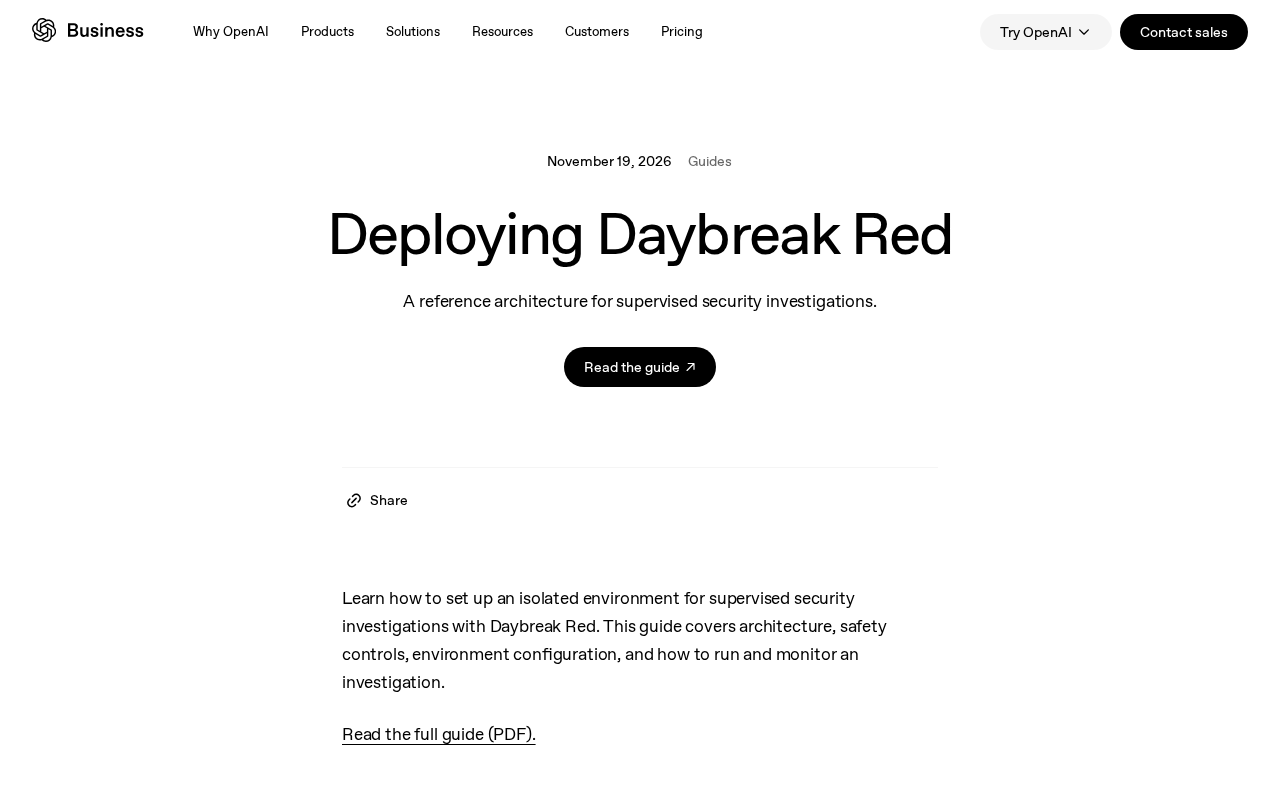
Daybreak Red Deployment Guide: A Reference Architecture for Supervised Security Investigation
A breakdown of the Daybreak Red reference architecture: security control design, deployment configuration process, and runtime monitoring for supervised security investigation.
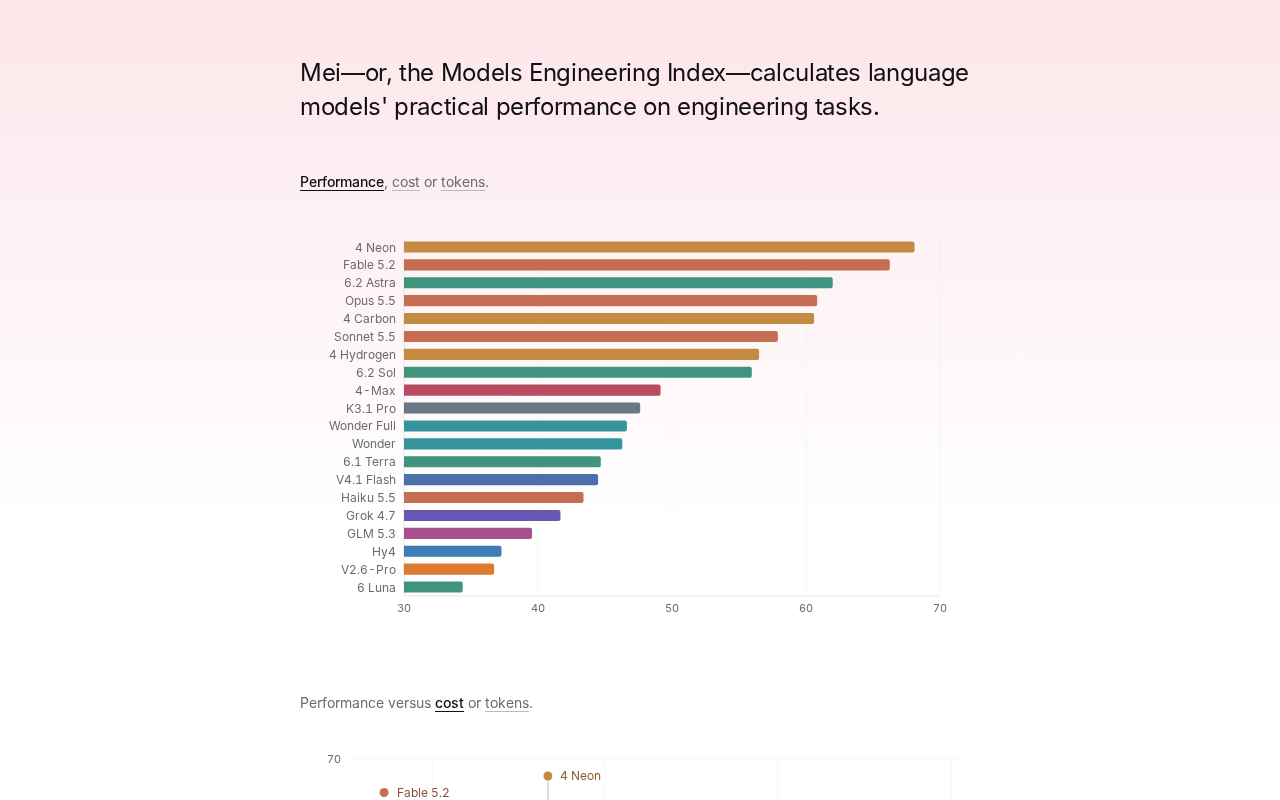
Gemini 4 Neon Tops the Models Engineering Index
Gemini 4 Neon tops the Models Engineering Index, sparking Hacker News debate over ranking credibility and evaluation methods. Here's what it means for developers.

Apple's Self-Developed AI Agent: An Agent That Can Operate Your Mac Is Coming
Apple is reportedly developing an AI agent that can operate a Mac, targeting Meta Muse, Claude, OpenAI Dots, and others. This article analyzes Apple's system-level advantages, the competitive landscape, and likely rollout paths in the agent race.