Apple Adjusts ATT Tracking Consent Prompts in the EU: More Flexibility for Developers
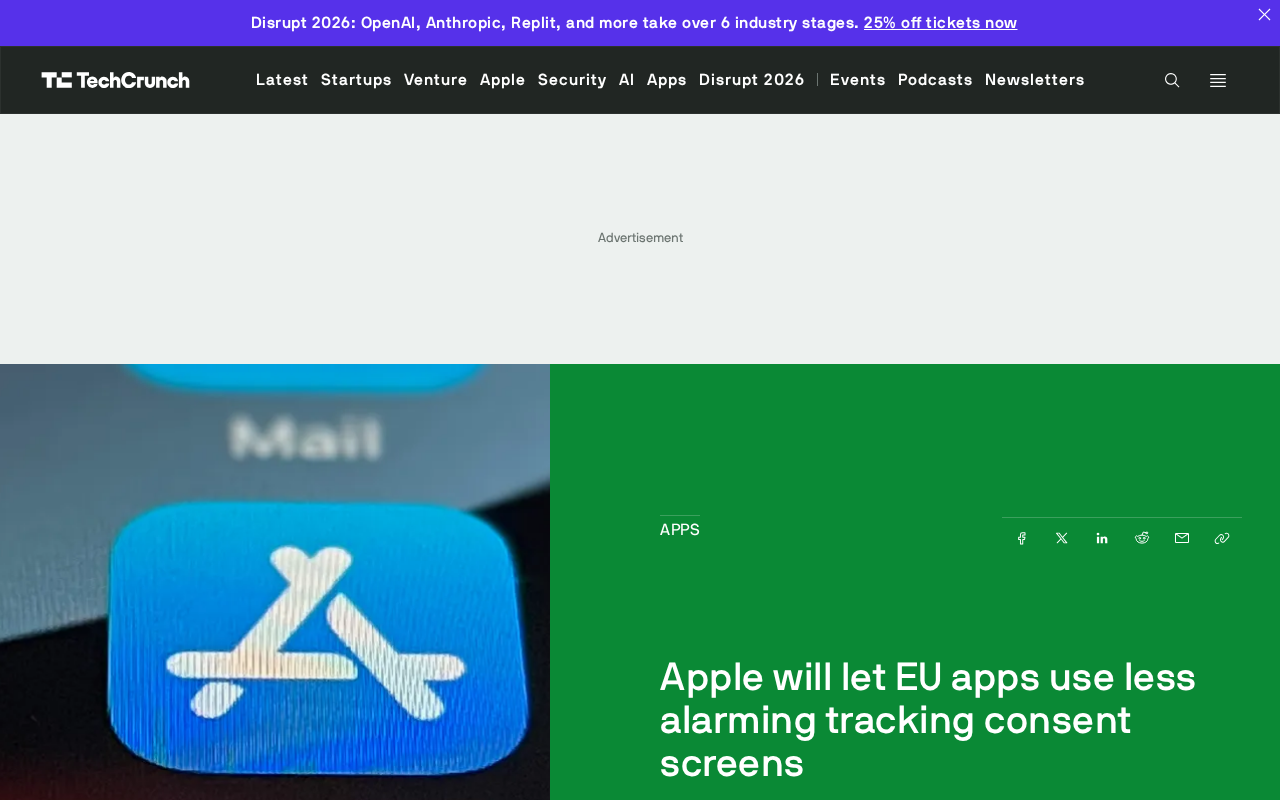
Apple gives EU developers more flexibility in ATT tracking consent prompts after regulators flagged anti-competitive double standards.
Apple has announced changes to its App Tracking Transparency (ATT) consent prompt mechanism in parts of Europe, allowing third-party developers to use "less alarming" consent interfaces instead of the standard warning-heavy pop-up. The change follows rulings by European competition regulators that the current ATT system imposed strict cautionary prompts on third-party apps while allowing Apple's own services more lenient data-use rules — a double standard that distorted fair competition. While the adjustment may boost opt-in rates and ad monetization for third-party developers, it raises a new concern: if consent prompts become too mild, users may no longer be making truly informed privacy choices.
Apple is changing how its App Tracking Transparency (ATT) prompts work in parts of Europe. The move comes after competition regulators ruled that the existing system favors Apple itself while imposing unfair restrictions on third-party apps. At its core, the change gives developers more autonomy over how they request tracking consent from users.
Why ATT Became a Regulatory Flashpoint
Since Apple introduced App Tracking Transparency, any third-party app that wants to track users across apps and websites has been required to display a standardized authorization pop-up, explicitly asking users whether they consent to being tracked. Apple marketed this as a landmark privacy protection — but it also sparked significant backlash across the advertising and developer ecosystem.
Regulators focused on what they saw as a clear double standard: third-party apps were forced to show strongly worded, alarming consent dialogs, while Apple's own services operated under different rules and more lenient prompt styles when collecting and using data. In practice, this disparity systematically lowered the rate at which users granted tracking permission to third-party apps, undermining their ability to monetize through advertising — while simultaneously boosting Apple's own advertising business.
European competition authorities concluded that ATT was designed in a way that favored Apple, distorting fair market competition. That finding became the direct catalyst for Apple's current adjustments.
Background: What is ATT? ATT (App Tracking Transparency) is a privacy framework Apple officially launched with iOS 14.5 in 2021. Its technical centerpiece is access control over the IDFA (Identifier for Advertisers). Before ATT, third-party apps could read a device's IDFA by default to enable cross-app tracking, and users had to actively opt out. ATT flipped this logic entirely to opt-in — apps must obtain explicit user authorization before accessing the IDFA. Apple's own data showed that after ATT launched, the global average opt-in rate hovered around 25–30%, meaning more than 70% of users declined cross-app tracking. This sharp drop caused billions of dollars in revenue losses for ad platforms like Meta (Facebook) and Twitter that relied on precise ad targeting, and accelerated the entire mobile advertising ecosystem's shift toward first-party data and privacy-preserving computation models.
What Will Actually Change
According to reports, Apple will allow developers in parts of Europe to use "less alarming" consent prompt interfaces. This means developers will gain more control over the wording and presentation of their tracking consent requests, instead of being forced to use Apple's standardized, visually cautionary pop-up.
For developers, this matters because the framing of a consent dialog directly shapes user decisions. The more a prompt emphasizes risk and sounds alarming, the more likely users are to decline. The previous uniform, warning-heavy pop-up was widely seen as systematically suppressing third-party app opt-in rates. With greater flexibility, developers can theoretically design more neutral, user-friendly consent flows that are easier for users to accept.
It's worth noting that this adjustment is currently limited to specific regions in Europe — a regional concession Apple is making under regulatory pressure, not a change to global policy.
A Dual Impact on Privacy and the Ad Ecosystem
This shift reflects a delicate tension between privacy protection and fair market competition. ATT itself has genuine privacy merit — it makes tracking behavior transparent and returns the choice to users. But when the same platform that sets the rules is also a market participant subject to those rules, the neutrality of those rules becomes easy to question.
From an advertising ecosystem perspective, loosening pop-up restrictions could raise third-party apps' tracking authorization rates, improving their ad targeting capabilities and monetization efficiency. This is good news for small and medium-sized developers who depend on ad revenue, and it partially rebalances the competitive dynamics between Apple and third parties.
From a user privacy standpoint, however, if consent prompts become "gentler" or even subtly persuasive, whether users can still make truly informed choices becomes a new concern. In correcting competitive unfairness, regulators must also remain alert to risks in the opposite direction — namely, that in the name of fair competition, the real-world effectiveness of privacy protections gets diluted.
A Microcosm of the Regulator-Platform Standoff
This adjustment is yet another example of the sustained regulatory pressure Apple has faced in Europe in recent years. From compliance requirements under the Digital Markets Act (DMA) to multiple concessions on App Store policies, Apple is being forced to find a new balance between its closed, highly autonomous approach to ecosystem governance and Europe's stringent antitrust and fair competition demands.
The ATT prompt change may look like a minor UI detail, but it represents a redrawing of the boundaries of platform power: when a single company is both the rule-maker and a competitor under those rules, regulators are increasingly inclined to step in and ensure those rules aren't being used to entrench market position. This logic could extend to more product design decisions across more platforms in the future.
For global markets, Europe often serves as a regulatory proving ground. Whether the concessions Apple makes in Europe will eventually be demanded elsewhere is a question worth watching closely.
Background: The EU Digital Markets Act The EU Digital Markets Act (DMA) came into force in 2023, designating Apple as a "Gatekeeper" platform and imposing a range of ex-ante obligations — including allowing third-party app stores, permitting sideloading, and prohibiting self-preferencing. The DMA's core logic is that large-scale platforms cannot be both player and referee: a platform must not use its control over infrastructure to create structural advantages for itself in competition with third parties. The ATT prompt controversy is a concrete expression of this logic. France's competition authority (ADLC) launched an investigation into ATT as early as 2021, finding that Apple had set more lenient data use conditions for its own ad network (Apple Ads) while applying stricter transparency requirements to competitors — a violation of the non-discrimination principle. Apple's prompt adjustments are one of the concrete steps it is taking in response to that regulatory pressure.
Related articles

AI Plays Pokémon Red: Jev Clears Two Gyms for Under $2
A Reddit user had AI model Jev play Pokémon Red in real time while Opus 5 built the harness on the fly — clearing two gyms for under $2, showcasing low-cost AI agents.
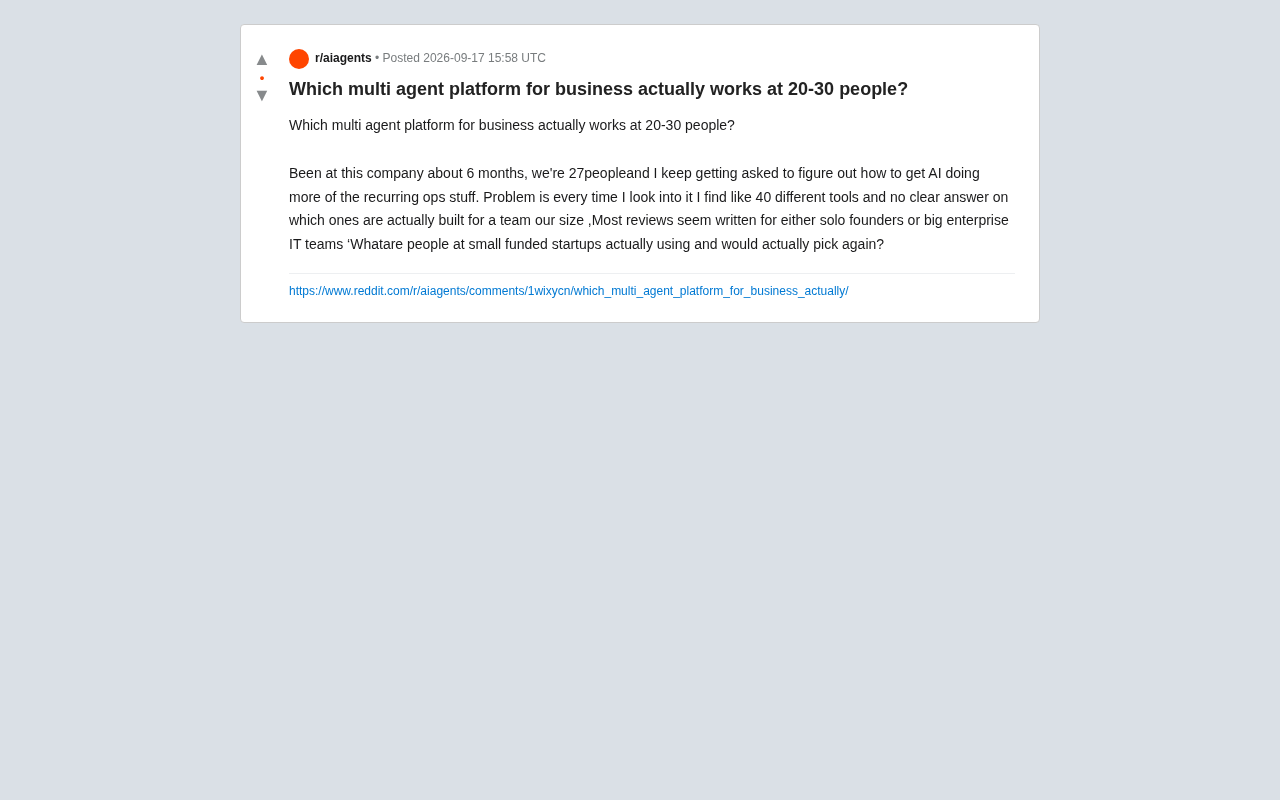
How Should a 20–30 Person Team Choose the Right Multi-Agent AI Platform?
How should a 20–30 person startup choose a multi-agent AI platform? Based on real Reddit discussions, this article analyzes the selection challenges for small teams and offers practical advice.
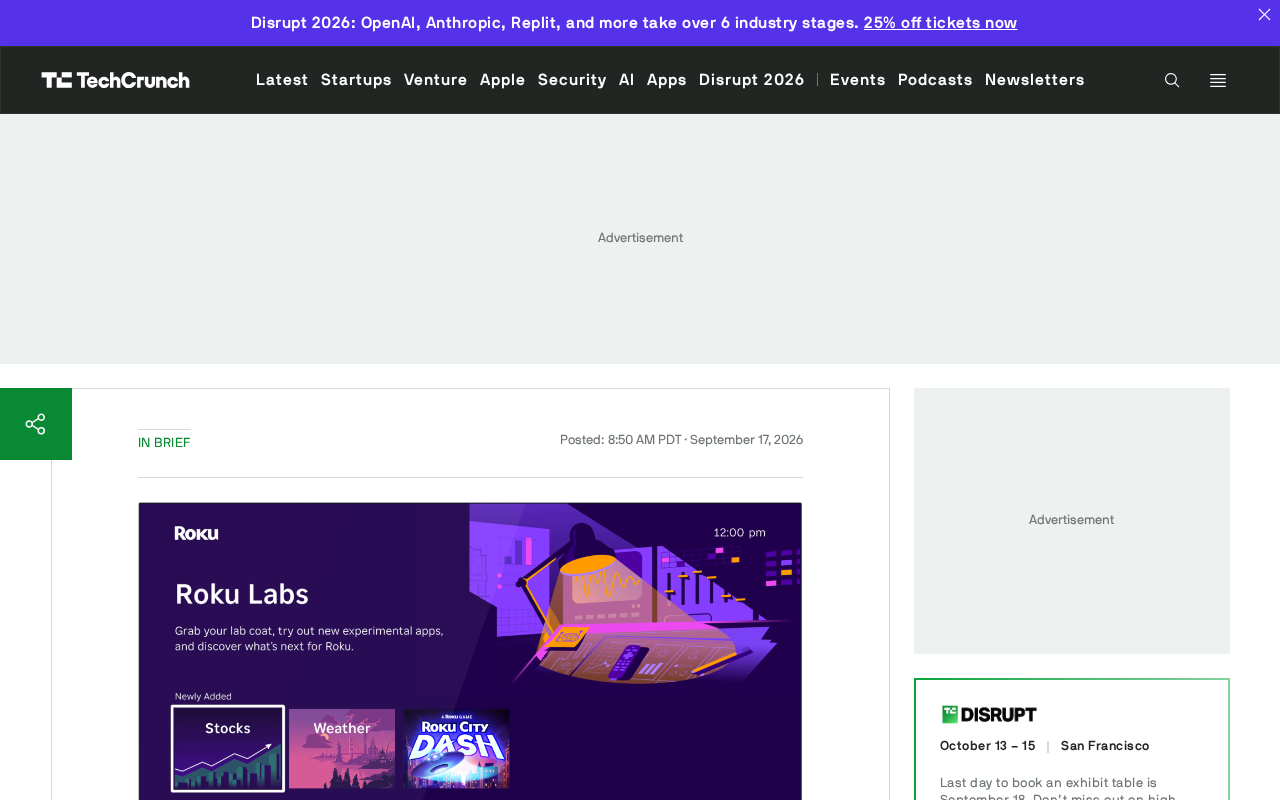
Roku Labs Goes Live: Experimental Apps Come to the Big Screen
Roku's latest OS update launches Roku Labs for experimental apps, expands personalized home screens, and introduces streaming subscription bundles to strengthen its smart TV ecosystem.