How Should a 20–30 Person Team Choose the Right Multi-Agent AI Platform?
Small startup teams stuck in the AI tool middle ground should filter by one standard: "Would we pick it again?"
An ops lead at a 27-person startup posted a widely relatable question on Reddit: AI tool reviews either target solo founders or enterprise IT teams, leaving 20–30 person companies without practical guidance. These teams lack dedicated technical staff, have moved past the solo-operator stage, and need to automate recurring ops tasks on a budget. The article argues that "would pick again" retention intent — not first impressions — is the real filter. It recommends starting with a single high-frequency use case, prioritizing low onboarding costs, and seeking honest feedback from similarly sized teams in communities rather than relying on marketing materials.
A Real Dilemma That Keeps Coming Up
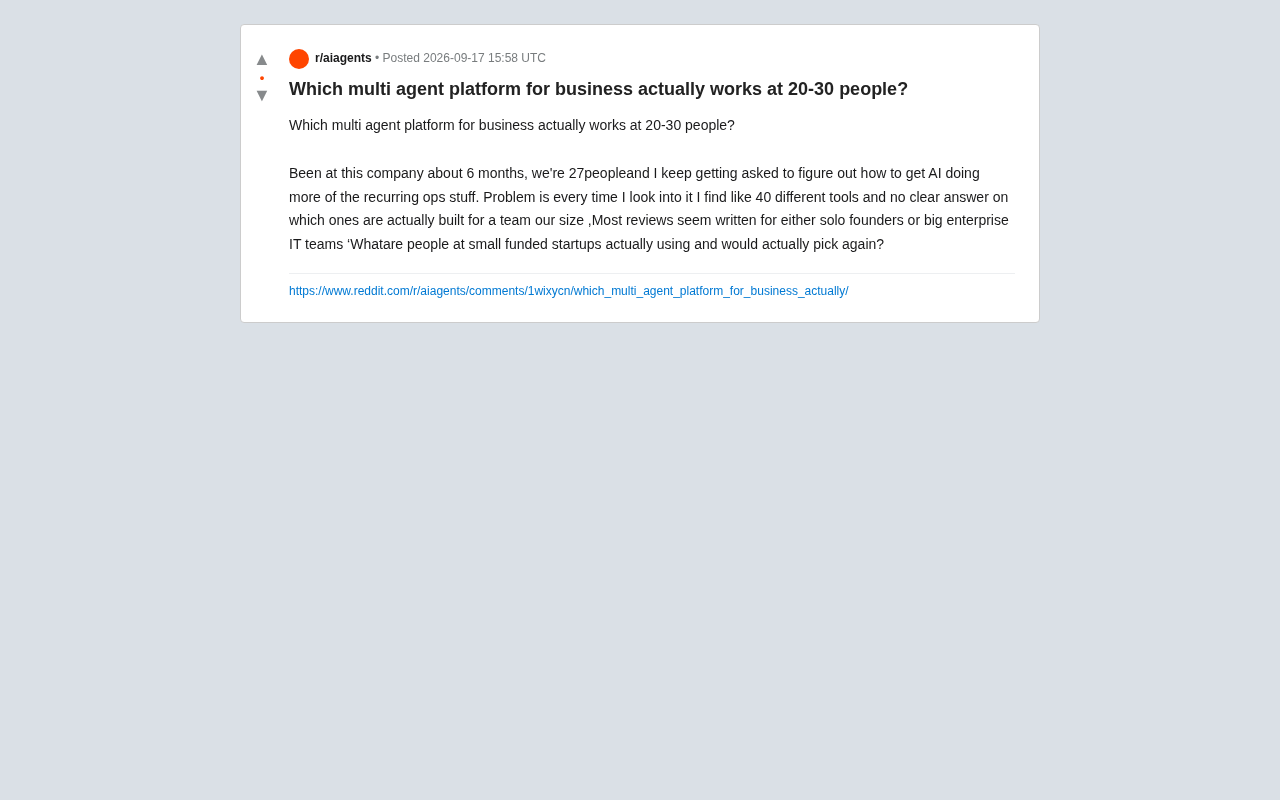
In a Reddit thread on enterprise AI, an operations lead from a 27-person startup raised a question that resonated with many small and mid-sized teams: six months into the job, the company kept pushing him to "let AI take on more repetitive ops work" — but every time he researched the options, he ran into the same wall: "40 different tools, and no clear answer."
His pain point was specific: nearly every review he found was written either for solo founders or for IT departments at large enterprises. There was almost nothing useful for a 20–30 person team. Companies at this scale don't have a dedicated technical team to handle custom deployments, but they've also moved well past the "one person does everything" stage. They're stuck in an awkward middle ground.
Why Tool Selection Is So Hard for Small Teams
The explosive growth of multi-agent platforms has objectively made the decision harder. When dozens of vaguely positioned tools exist simultaneously, "feature-complete" becomes a burden rather than a selling point.
For a 20–30 person startup, the hidden constraints around tool selection are often ignored in reviews:
- No dedicated ops or DevOps staff: They can't afford solutions that require sustained engineering investment just to get running.
- Budget-conscious but not zero: As a funded startup, they're willing to pay for tools that genuinely save time — but enterprise-level licensing fees are a non-starter.
- Focus on operational automation: The priority is handling "recurring ops stuff" — periodic, relatively rule-based operational tasks — not flashy, complex agent orchestration.
These three constraints together mean that both lightweight personal tools and heavy-duty enterprise platforms are a poor fit out of the box.
Multi-agent platforms refer to system architectures where multiple AI agents collaborate to complete tasks, with each agent handling specific sub-tasks and coordinating through messages or shared state. Over the past two years, tools like Zapier AI, Make, n8n, AutoGen, and CrewAI have emerged, ranging from "no-code automation" to "developer-level orchestration frameworks," with heavily overlapping feature sets. This rapid ecosystem expansion makes it extremely difficult to determine "which tool solves my specific problem" from official marketing materials alone — most product pages claim to handle "any workflow" while rarely clarifying the actual scenarios they excel at or the maintenance burden involved. For small teams without dedicated technical staff, just understanding the differences between tools already consumes enormous research effort.
"Would Pick Again" Is the Key Filter
One line from the original post deserves to be called out on its own: the author wanted to know what tools companies like his were "actually using and would actually pick again."
This is a remarkably mature way to think about tool selection. Most reviews stop at feature comparisons and first-use impressions — but for business tools, retention intent reflects real value far more accurately than initial enthusiasm. Whether a team is willing to renew after six months, and whether they'd recommend it to peers, directly filters out products that are "impressive in demos but painful in production."
For anyone doing similar research, this standard is directly applicable: don't just look at the homepage or a one-time trial. Go to communities and find teams at a similar scale, then ask them: "After all this time, would you still choose it?"
This approach closely mirrors the logic behind NPS (Net Promoter Score) in the product world: NPS measures user loyalty by asking "how likely are you to recommend this product to others," distinguishing genuine endorsement from mere satisfaction. For B2B tools, renewal rate and expansion usage are the most direct commercial retention indicators — but for everyday users, simply asking in a community "would you still pick it after six months" is an equally valid and far more accessible signal. The reason this method works is that it naturally filters out the "honeymoon premium": a tool's experience during the initial excitement phase is almost always better than during the daily operational friction phase. Only tools that teams keep around after facing integration issues, edge cases, and version updates have truly proven themselves.
Practical Advice for Teams at This Scale
While the original thread hasn't reached a definitive consensus, the common needs surfaced in the discussion point to several useful selection principles:
Start with a Single High-Frequency Use Case
Don't begin by trying to "hand all ops over to AI." Pick the one most time-consuming, most rule-defined repetitive task — ticket classification, daily report summarization, customer data entry — and validate at minimal cost whether a tool actually saves time. Then expand from there.
Prioritize Low Onboarding Cost
For companies without dedicated technical staff, the hidden costs of deployment and maintenance can easily exceed licensing fees. Tools that work out of the box, offer clear templates, and have active communities tend to be better long-term investments than more powerful but higher-barrier platforms.
Seek Real Feedback from Teams at Your Scale
Actively look for usage experiences from "small funded startups" specifically — not generic reviews. Firsthand discussions on Reddit, Hacker News, and similar communities are almost always closer to the truth than marketing content.
Closing Thoughts
This Reddit post struck a nerve because it exposed a structural gap in the AI tools ecosystem: there is a serious shortage of selection guides for small and mid-sized teams. As the number of multi-agent platforms continues to surge, "which tool has more features" is no longer the most important question. "Which tool fits my team's scale and won't leave us with regrets down the road" is.
For ops professionals at the 20–30 person stage who are being pushed to implement AI, the better path isn't bouncing between 40 tools endlessly. It's clarifying your own constraints first, locking in one high-frequency use case, referencing retention feedback from comparable teams, and closing your first loop at the lowest possible cost.
Related articles
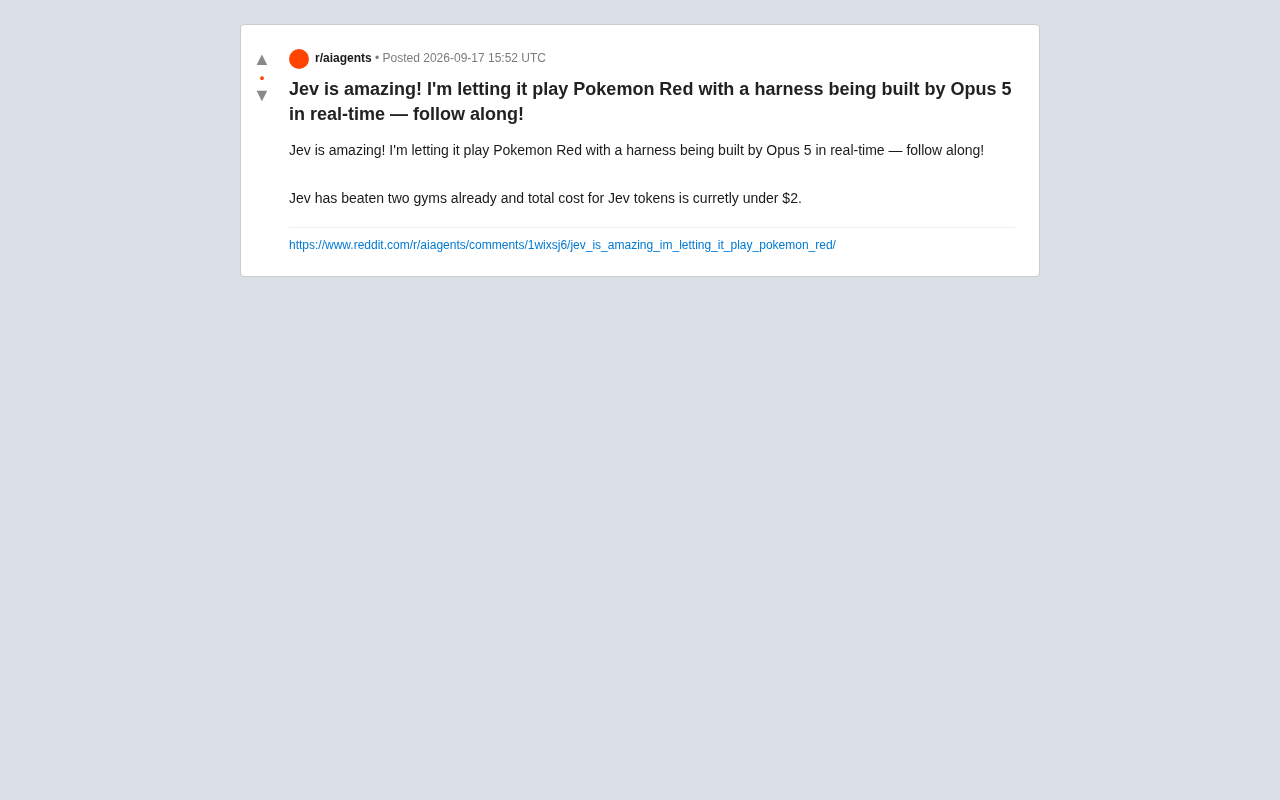
AI Plays Pokémon Red: Jev Clears Two Gyms for Under $2
A Reddit user had AI model Jev play Pokémon Red in real time while Opus 5 built the harness on the fly — clearing two gyms for under $2, showcasing low-cost AI agents.
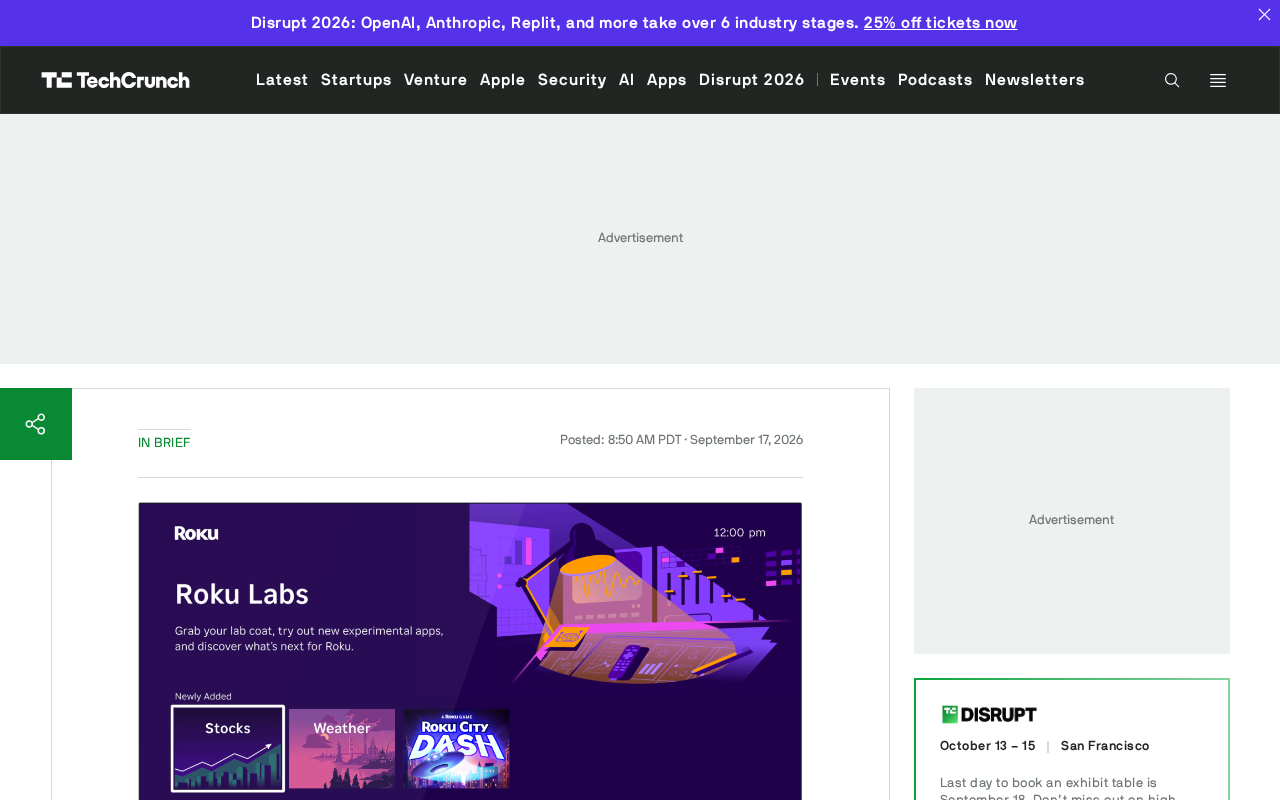
Roku Labs Goes Live: Experimental Apps Come to the Big Screen
Roku's latest OS update launches Roku Labs for experimental apps, expands personalized home screens, and introduces streaming subscription bundles to strengthen its smart TV ecosystem.
One Year of Sponsored Servo Development: The Revival of an Independent Browser Engine
A look at Servo browser engine's first year of sponsored development: how Rust-based open-source engine revival advances Web diversity and sustainability.