Apple CEO Transition: Ternus Succeeds Cook, New Era Begins
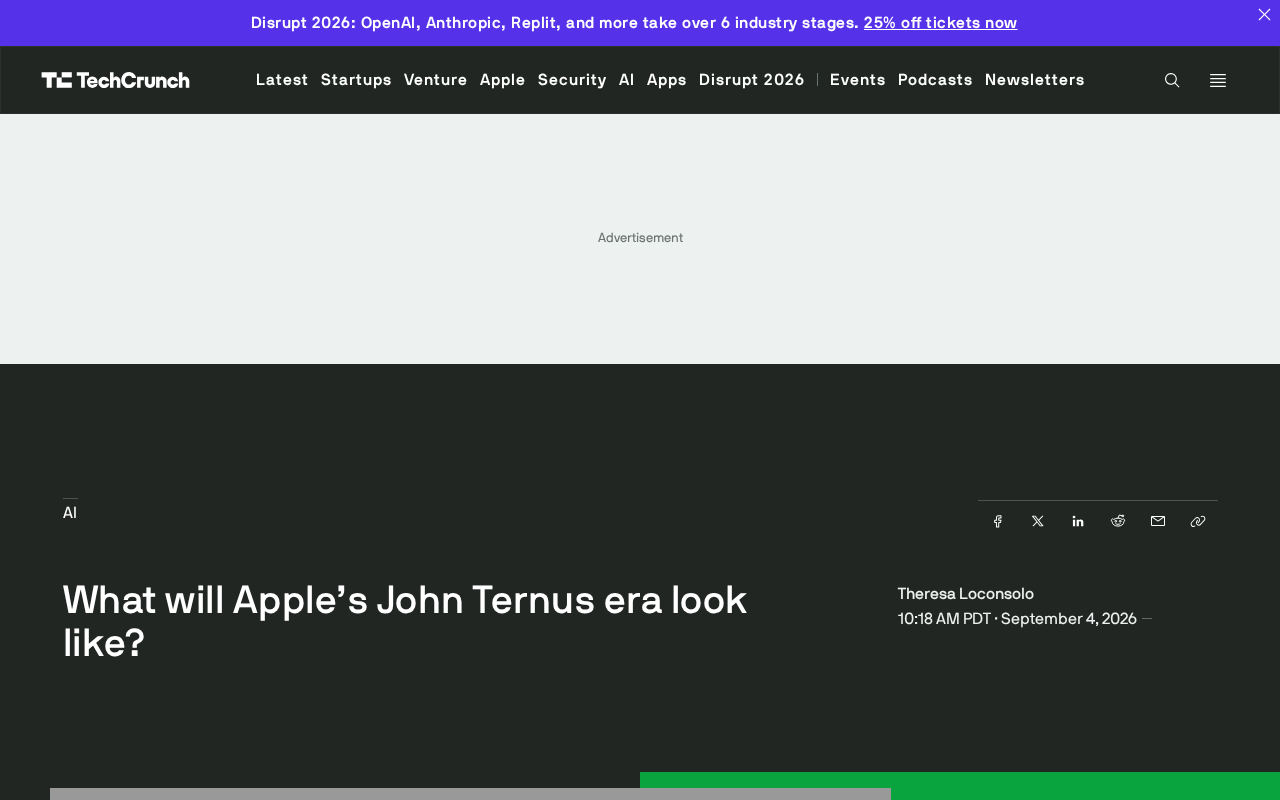
Apple CEO transition: Ternus takes helm from Cook, faces immediate iPhone launch test
Tim Cook has stepped down as Apple CEO to become Executive Chairman, with hardware engineering veteran John Ternus taking the helm. The transition comes at a critical moment — Ternus's first week coincides with the annual iPhone launch. This marks a shift from operations-focused to engineering-driven leadership, with implications for Apple's AI strategy, Vision Pro development, and product innovation direction.
Power Transition: Apple Officially Enters the Ternus Era
Apple has reached a historic moment. This week, Tim Cook officially stepped down as Chief Executive Officer, handing the reins of the world's most valuable tech giant to former hardware chief John Ternus. The transition happened faster than many expected, leaving Ternus little time to catch his breath — his first internal memo promised "a major announcement next week," meaning the next-generation iPhone launch will be his first major test as the new leader.
For a company known for its precise rhythm, completing a CEO transition at the fall iPhone launch — one of the most critical moments — sends a strong signal: Apple has tremendous confidence in its management team's operation, and it indicates that Ternus is not an outsider brought in during crisis, but a core figure deeply involved in the product roadmap.
Cook Becomes Executive Chairman: Not Really Leaving Apple
You may not have noticed, but Cook isn't truly leaving Apple. According to public information, he will continue as Executive Chairman, focusing his energy on policy-related matters. This is a fairly common "soft landing" arrangement among tech giants — the long-time leader steps back but retains influence at the board level, providing strategic buffer and endorsement for the new CEO.
The key difference between an Executive Chairman and a regular Chairman is that the former retains participation rights in day-to-day operations. The tech industry has several precedents for this arrangement: Google co-founder Larry Page handed the CEO position to Sundar Pichai during Alphabet's 2015 restructuring, becoming Alphabet CEO himself but gradually withdrawing from daily management; Microsoft's Bill Gates also experienced a gradual exit from CEO to Chairman to technical advisor. Cook's choice of the "Executive Chairman" model retains a stronger element of real power than these cases, meaning he still has substantive voting rights and agenda-setting power in board decisions and major strategic directions.
Since taking over Apple from Steve Jobs in 2011, Cook has pushed the company's market value to the trillion-dollar level, building a business empire supported by services, wearables, and supply chain management. During his tenure as COO before becoming CEO, Cook led Apple's complete transition from an owned-factory model to a contract manufacturing model, establishing deep partnerships with Foxconn, Pegatron, and others, compressing Apple's inventory turnover days to single digits — far below the industry average. This precise global supply chain system supports Apple's shipment of hundreds of millions of devices annually, and any successor must maintain this highly efficient global network.
His shift toward policy matters also reflects that Apple's core challenges today are not just about products, but macro issues like global regulation, geopolitics, and antitrust litigation. Cook's accumulated connections and negotiation experience in these areas are precisely the shortcomings Ternus needs time to fill.
Who Is John Ternus? A Tech-Focused Leader from Hardware
John Ternus is a veteran executive who grew up within Apple, having long served as Senior Vice President of Hardware Engineering, leading engineering R&D for core product lines including iPhone, iPad, and Mac. Compared to Cook's background in operations and supply chain, Ternus is a典型 "product and engineering" leader.
This background means that Apple under Ternus may gain stronger voice in product engineering and technological innovation. In recent years, the industry has generally believed that Apple has become conservative in hardware iteration, lacking breakthrough innovation. Ternus was deeply involved in Apple's Apple Silicon transition launched in 2020 — the historic decision to move entirely from Intel's x86 architecture to self-designed ARM architecture chips. The M-series chips not only gave the Mac product line a dual leap in performance and energy efficiency, but more importantly, created a unified architecture ecosystem across iPhone, iPad, and Mac, allowing developers to cover all Apple platforms with a single codebase. The Neural Engine in A-series and M-series chips also laid the hardware foundation for on-device AI computation. The successful execution of this strategy is one of the key qualifications that earned Ternus the CEO appointment. An engineering-background CEO may be able to inject new momentum in areas like continued evolution of self-designed chips, AR/VR devices (such as Vision Pro's subsequent iterations), and AI hardware integration.
From Engineer to CEO: Core Challenges of Role Transition
However, transitioning from technical leader to the company's top decision-maker presents significant challenges for Ternus. A CEO's responsibilities extend far beyond products, encompassing capital market communication, global policy navigation, ecosystem partner relationship maintenance, and many other dimensions. These are precisely Cook's strengths, and a key reason why Cook remains as Executive Chairman — to provide necessary support during Ternus's transition period as he adapts to his new role.
First Major Test: iPhone Launch Coming Head-On
The "major announcement next week" mentioned in Ternus's memo almost certainly refers to Apple's annual iPhone launch event. This is Apple's most important commercial event of the year, directly affecting hundreds of billions of dollars in the company's revenue base.
Scheduling such an important launch in the first week after a CEO transition is both pressure and opportunity. On one hand, any misstep will be magnified and scrutinized; on the other hand, a successful launch can quickly establish authority for the new CEO, proving to investors and consumers that Apple's product engine remains strong.
For observers focused on AI, this launch is particularly worth watching for Apple's progress in on-device AI (Apple Intelligence). Apple Intelligence is the AI strategy brand Apple officially launched at WWDC 2024, with the core philosophy of "on-device first, privacy-focused." Unlike OpenAI's ChatGPT or Google Gemini, which rely primarily on cloud-based large models, Apple chooses to complete as many AI inference tasks as possible on the device's local Neural Engine, only processing complex tasks beyond device computing power through "Private Cloud Compute" on Apple's own servers. This architectural design directly addresses user concerns about data privacy, but also brings technical tradeoffs of limited on-device model parameter scale and relatively conservative functionality.
In the generative AI wave, Apple is considered a late starter. How Ternus, as a CEO with hardware and engineering background, finds the optimal balance between chip computing power, model compression technology, and user experience — how he balances on-device computing power, privacy protection, and AI feature implementation — will be the first public test of his technical judgment.
Apple's Future Direction: From Operations-Driven to Engineering-Driven
The transition from Cook to Ternus marks a subtle shift in Apple's leadership style from "operations-driven" to "engineering-driven." This doesn't mean Apple will abandon its precise supply chain and service-oriented strategy, but rather that on top of the existing foundation, it may place greater emphasis on technological breakthroughs in the products themselves.
In the mixed reality space, Apple Vision Pro launched in February 2024 at $3,499, making it Apple's first completely new product category since Apple Watch. This spatial computing device adopts a dual-chip architecture (M2+R1), incorporating over 5,000 patented technologies, but post-launch sales fell far short of expectations, and it's considered still in the "developer preview" stage rather than a mass consumer product. Meta's Quest series has captured the major share of the VR market at lower prices. As the head of hardware engineering, Ternus personally demonstrated Vision Pro at the launch event. His subsequent direction for this product line — whether to pursue price accessibility or continue deepening the premium experience — will directly reflect his product philosophy as CEO.
For the entire tech industry, Apple's leadership changes always have benchmark significance. Whether the Ternus era can continue Apple's market dominance, whether it can break the external skepticism about its "lack of innovation" in new battlefields like AI and mixed reality, will be the most noteworthy industry focus in the coming years. And the prelude to all this begins with that launch event in his first week as CEO.
Key Takeaways
Related articles

GPT-6 Astra Code Review in Practice: Balancing Efficiency Gains, Data Privacy, and Cost
An in-depth analysis of GPT-6 Astra's real-world code review performance, examining efficiency gains, data privacy risks, and Token costs to build a decision framework for engineering teams.
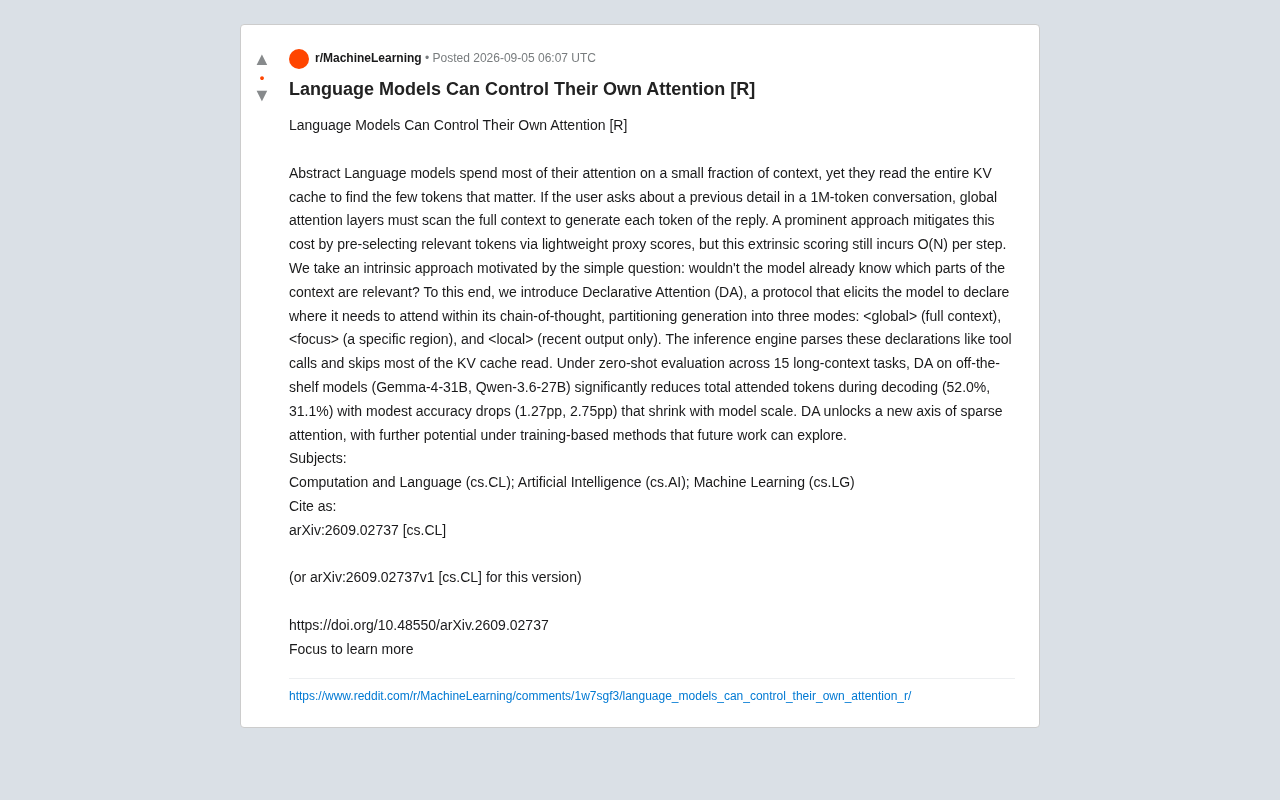
Declarative Attention: Letting LLMs Control Their Own Attention, Boosting Long-Context Inference Efficiency by 52%
Declarative Attention (DA) lets LLMs autonomously declare attention regions during inference via global, focus, and local modes, reducing attention tokens by 52% in zero-shot evaluation.
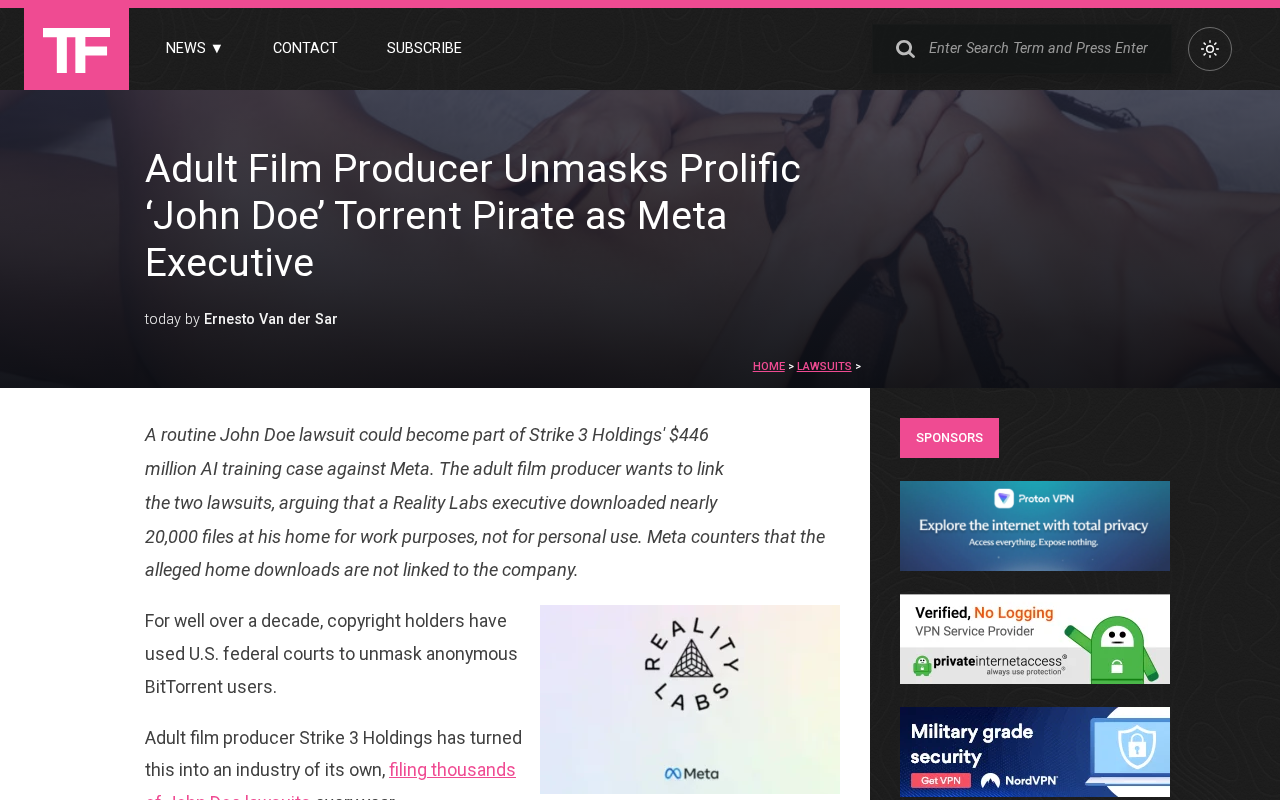
Meta Executive Exposed for Torrent Piracy: The AI Training Data Legality Debate Intensifies
A Meta executive's torrent piracy exposure reignites debate over AI training data legality. Analysis of fair use defenses, data compliance trends, and copyright challenges facing tech giants.