Apple Fall Event Skips iPhone 18 Base Model, Focuses on Pro and Foldable
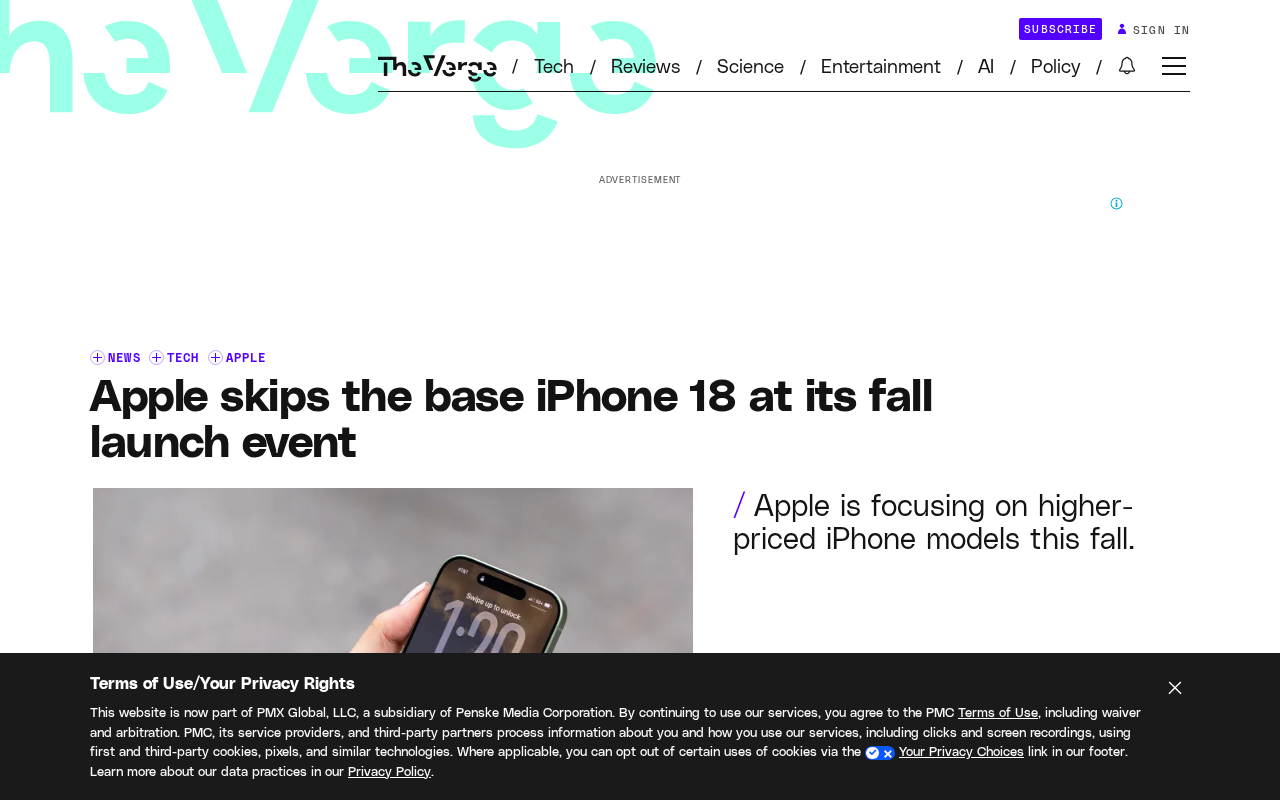
Apple skips base iPhone 18 at fall event, debuts Pro series and foldable iPhone Duo instead.
At its fall "Surprise and Shine" event, Apple broke tradition by skipping the base iPhone 18 and unveiling only the iPhone 18 Pro, Pro Max, and the new foldable iPhone Duo. This premium-focused strategy reflects shifting market dynamics — longer upgrade cycles, rising ASPs, and AI-driven differentiation — as Apple consolidates its high-end dominance and officially enters the foldable market.
At today's "Surprise and Shine" event, Apple made an unusual decision: skipping the base iPhone 18 and unveiling only the iPhone 18 Pro, Pro Max, and the all-new foldable iPhone Duo. This move breaks Apple's longstanding product launch conventions and has drawn widespread attention across the industry.
Apple's Product Line Strategy Shift: Focusing on the High End
Apple's event this time around showcased a clear premium-focused strategy. Beyond the usual Pro series flagships, the debut of the foldable iPhone Duo stole the show. This marks Apple's official entry into the foldable market, going head-to-head with competitors like Samsung and Huawei.
Looking back at the evolution of Apple's iPhone lineup, the company established its "standard + Pro + Pro Max" three-tier (later expanded to four-tier) product matrix starting with the iPhone 12 series in 2020, using clear feature differentiation to serve consumers across different price segments. The Pro series, with its superior camera systems, ProMotion high-refresh displays, titanium construction, and other differentiating features, has gradually become the core revenue driver for iPhone. According to data from multiple analyst firms, the Pro series accounts for over 60% of total iPhone revenue — far exceeding its share of unit shipments — meaning the premium models contribute the vast majority of profits. Skipping the base model release this time is a natural extension of this profit structure.
The absence of the base iPhone 18 didn't come entirely without warning. Industry rumors had previously suggested that Apple might adjust its product launch cadence, prioritizing higher-margin premium devices. This strategic shift likely relates to several factors:
- Shifting Market Demand: The high-end user base continues to grow, and Pro series sales share has been climbing year over year. Globally, consumers' phone replacement cycles have stretched from two years to three or four years, meaning users increasingly favor higher-spec, longer-lasting flagship devices over entry-level products when they do upgrade.
- Supply Chain Optimization: Concentrating resources to ensure production capacity and quality for flagship products. Apple's supply chain management has always been renowned for its precision, and TSMC's most advanced chip process capacity is limited — prioritizing the Pro series and foldable newcomers maximizes the utilization of premium production capacity.
- Competitive Differentiation: Widening the gap with competitors through innovative form factors like foldables. While Apple's entry into foldables is a "latecomer" given that the Android camp has already shipped multiple generations of foldable products, Apple's integrated hardware-software ecosystem advantage could still redefine the foldable user experience standard.
iPhone Duo: The Technical Depth and Strategic Significance of Apple's Foldable
The unveiling of iPhone Duo was the most milestone-worthy moment of the event. Foldable screen technology, since Samsung launched the Galaxy Fold in 2019, has undergone multiple generations of iterative evolution. Core technical challenges facing early foldable products included: visible screen creases, insufficient hinge durability, easily scratched flexible screen protective layers, and software adaptation issues in folded states. After more than five years of development, Ultra Thin Glass (UTG) technology has gradually replaced the early plastic protective layers, waterdrop hinge designs have significantly reduced crease issues, and foldable durability has improved from an initial 200,000 folds to the current mainstream standard of several hundred thousand or more.
Apple's choice to enter the foldable market at this juncture reflects its consistent "fast follower" strategy — never being the first mover, but entering with a more polished product once the technology matures. From the iPod to the iPhone, from Apple Watch to AirPods, Apple has almost never been the originator of a product category, yet it is often the key force that drives it into the mainstream. The "Duo" in iPhone Duo's naming suggests dual-screen or dual-mode usage scenarios, implying that Apple may have built a dedicated interaction paradigm at the software level for the foldable form factor, rather than simply stretching the iOS interface onto a larger screen.
How the Base Model's Absence Affects Consumers
For budget-conscious consumers, the absence of the base iPhone 18 means a narrower range of choices. They may need to weigh the following options:
- Wait for a Later Release: Apple may supplement the lineup with a base model in the spring or at another time. In fact, Apple has broken its "fall-only new product launches" tradition multiple times in recent years — the iPhone SE 3 launched in spring 2022 and the iPhone 16e in 2024 were both released outside the traditional window. A staggered release strategy not only spreads out consumer attention cycles but also maintains market buzz across different quarters, smoothing out the annual revenue curve.
- Purchase Previous-Generation Products: The iPhone 17 series remains on sale at more attractive prices. Apple's official store typically adjusts previous-generation pricing after new product launches, and authorized resellers and carrier channels often offer even larger discounts. For users who don't need the latest technology, previous-generation flagships are often the best value proposition.
- Move Up to the Pro Series: If the budget allows, upgrade directly to the more fully featured Pro models. Notably, Apple may be hoping that this product line "gap" will guide some consumers who would have chosen the base model to upgrade, thereby increasing the overall average selling price (ASP).
You might not have noticed, but the launch of the iPhone Duo foldable has injected new vitality into Apple's product line. The mature application of foldable technology could redefine smartphone usage scenarios — from portable tablet alternatives to multitasking productivity tools, foldables open up new possibilities for mobile work, content creation, and immersive entertainment, attracting users seeking fresh experiences.
Reading the Broader Smartphone Industry Trends
Apple's decision reflects deeper shifts in the smartphone industry. As market saturation increases, manufacturers across the board face stagnating shipment growth. According to long-term tracking data from market research firms such as IDC and Counterpoint, global annual smartphone shipments peaked at approximately 1.47 billion units in 2017, and overall growth has since stalled or even declined. Meanwhile, the average selling price (ASP) of smartphones has been steadily rising, indicating that while consumers are upgrading less frequently, they're actually spending more per purchase. This structural change is pushing manufacturers to shift their competitive focus from "volume" to "value" — offsetting flat shipment growth with higher per-unit profits.
Against this backdrop, raising product prices and optimizing product mix have become critical levers for maintaining revenue. From a competitive landscape perspective, the premium smartphone market (priced above $600) remains fiercely contested. In this price segment, Apple has long held approximately 50% or more market share, with Samsung in second place and Huawei rapidly regaining ground in the premium segment since its return to 5G. By strengthening the Pro series and launching a foldable newcomer, Apple further consolidates its leadership in the premium market. At the same time, delaying the base model release may also give the supply chain more room to adjust, ensuring smooth delivery of flagship products.
Another trend worth watching is that AI (artificial intelligence) is becoming the new battleground for differentiation in premium smartphones. Apple Intelligence features, which Apple has been aggressively pushing since the iPhone 16 series, require powerful chip performance and ample memory — naturally favoring the higher-spec Pro series. Concentrating launch resources on premium models also helps Apple seize the initiative in the emerging AI smartphone narrative.
Outlook for the iPhone 18 Product Line
Although Apple didn't unveil the base iPhone 18 at its fall event, this doesn't mean the product line has been abandoned. Based on past experience, Apple may adopt a staggered release strategy, filling out the product matrix at subsequent events. Such precedents are not uncommon — Apple's Mac lineup is frequently updated at different points throughout the year, and the iPad lineup follows a similar pattern. This "divide and conquer" release cadence gives each product more concentrated media exposure and consumer attention while also providing Apple with greater supply chain flexibility.
From a longer-term perspective, Apple may be rethinking the overall architecture of the iPhone product line. With the addition of the iPhone Duo foldable, Apple's phone portfolio now spans both traditional slab form factors and foldable designs. Whether the base iPhone will take on more of a volume-driven entry-level role in the future, while innovation and profit focus shifts entirely to the Pro series and Duo foldable series — this evolution in product philosophy is worth watching closely.
For consumers, staying tuned to Apple's official announcements remains essential. Whether you're waiting for the base model release or considering current products, rationally evaluating your own needs and budget is the wisest approach. For industry observers, Apple's move may prompt more manufacturers to follow suit, driving the smartphone market further toward premiumization.
Related articles
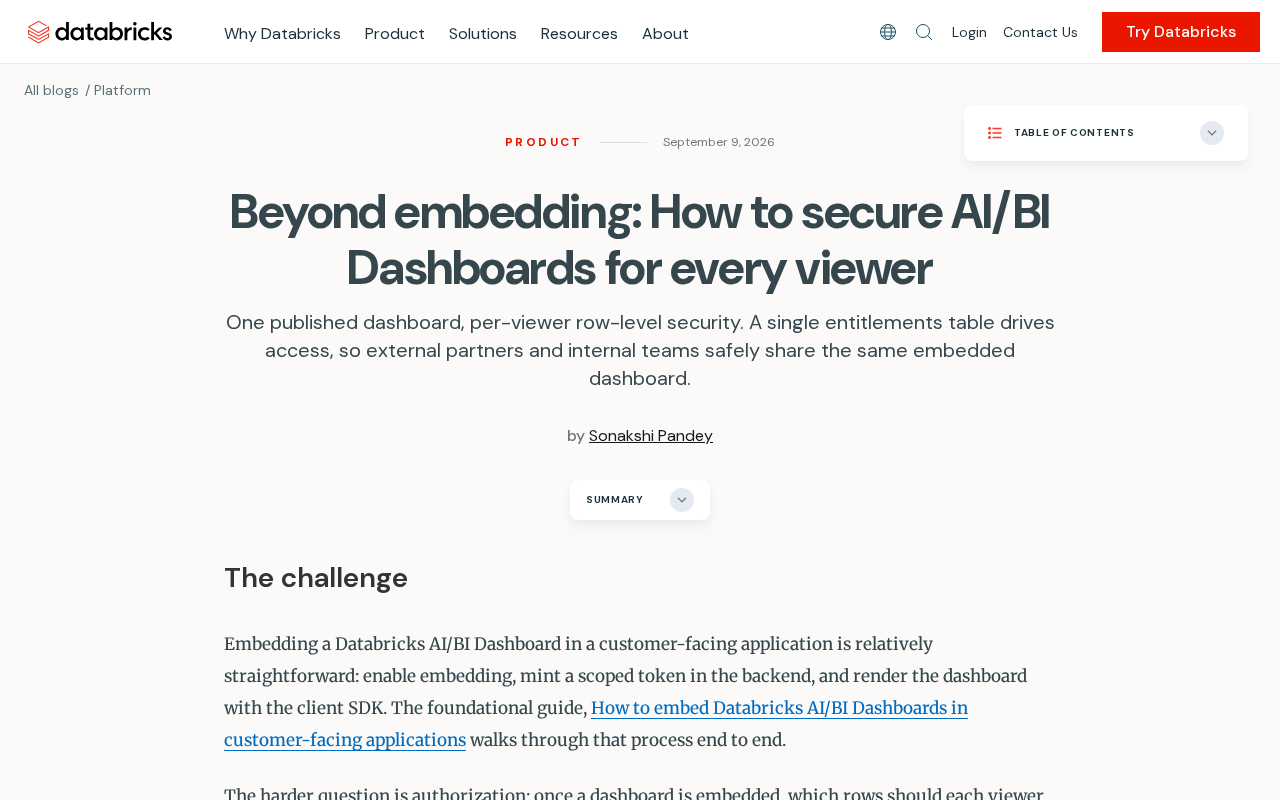
Security Guide for AI/BI Dashboard Embedding: Multi-Tenant Data Isolation and Access Control in Practice
Explore security challenges in AI/BI dashboard embedding, covering multi-tenant data isolation, row-level security, identity propagation, and defense-in-depth architecture for embedded analytics.

Xbox Classic Startup Animations Return: Personalization and Cloud Gaming Experience Get Major Upgrades
Microsoft rolls out classic console startup animations, badge customization, cloud gaming background downloads, and more for Xbox Insiders. Remote Play quality and voice chat also improved.
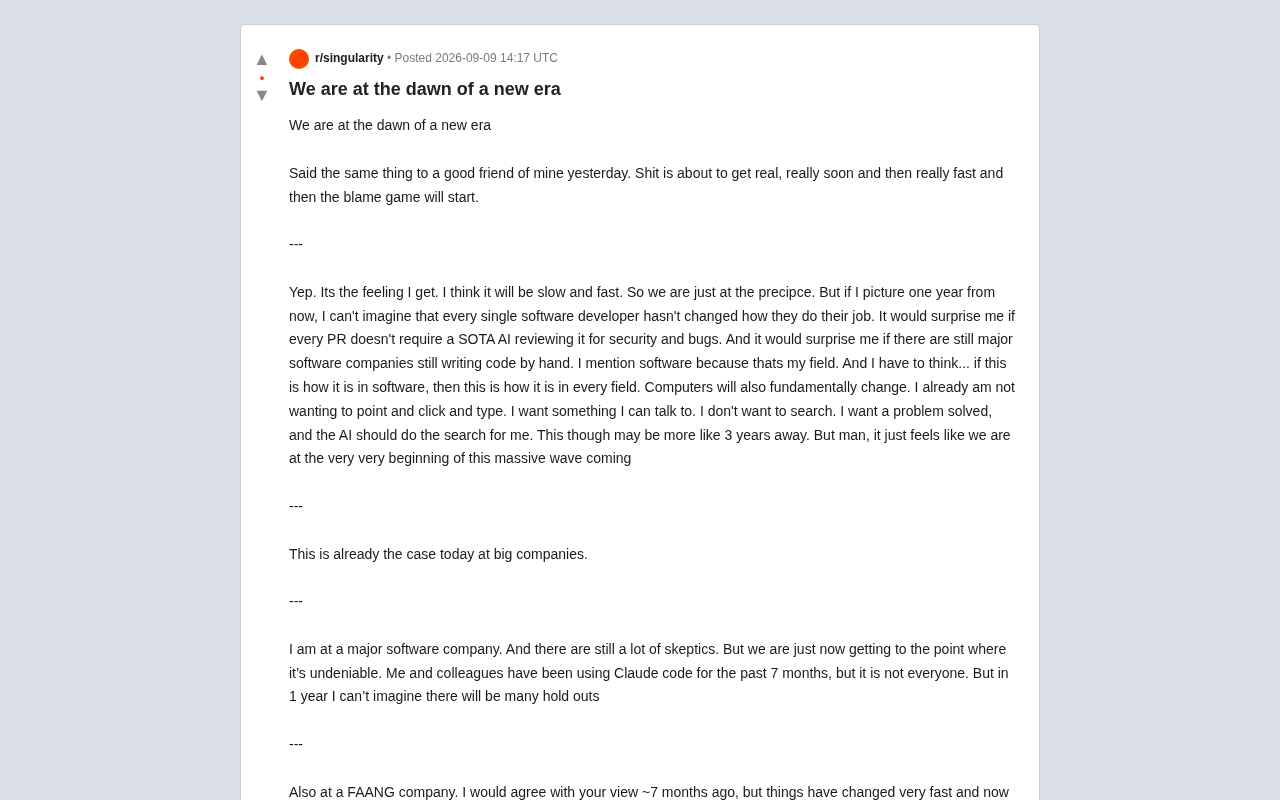
AI-Assisted Programming Goes Mainstream: A Paradigm Shift in Software Development
How AI tools are reshaping software development: from FAANG adoption to workflow transformation. Explore AI coding assistants, intelligent code review, and the future of human-AI collaboration.