Apple Siri May Support Swapping in Claude and ChatGPT — Code Already Shows Signs
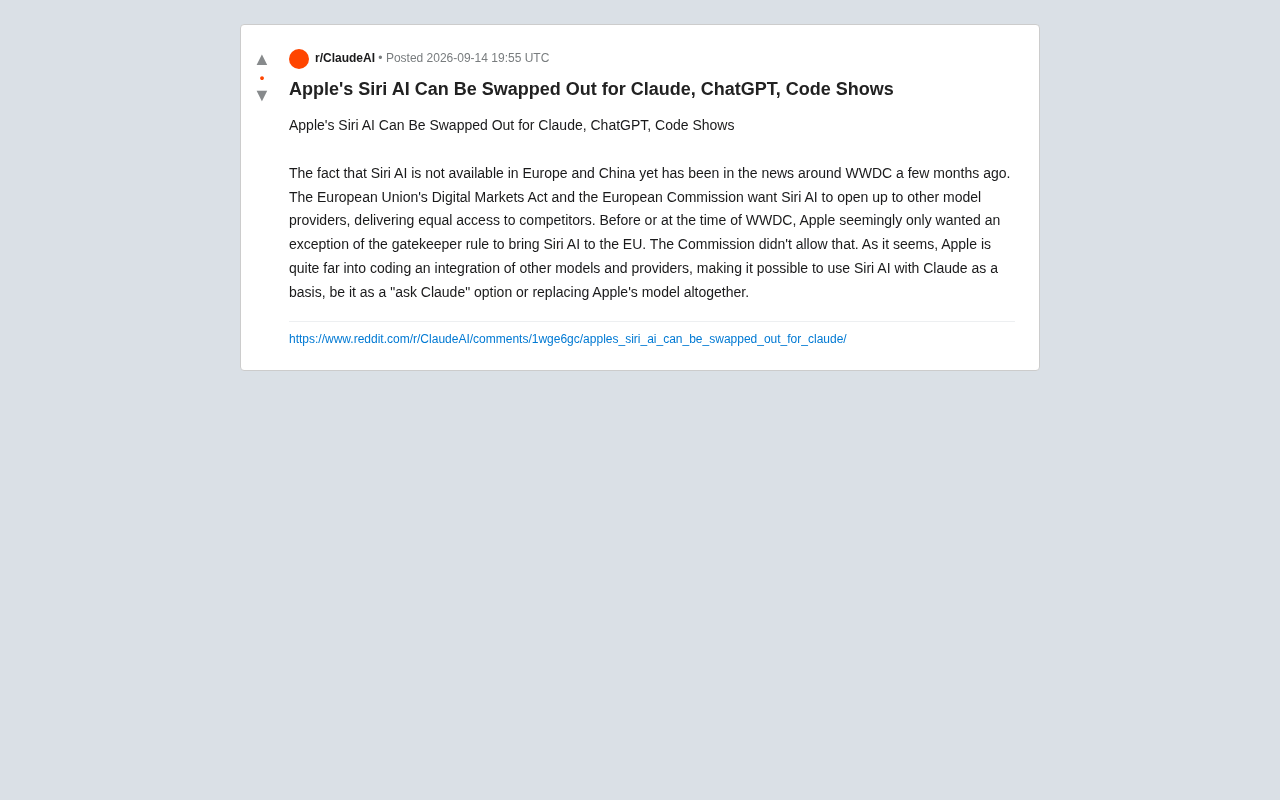
Apple code reveals Siri may support swapping in Claude or ChatGPT, driven by EU DMA compliance.
Newly surfaced Apple development code indicates Siri is being built to support third-party AI model integration, potentially allowing users to replace its underlying model with Anthropic's Claude or OpenAI's ChatGPT. This move isn't a proactive Apple strategy — it's a compliance response to the EU's Digital Markets Act, which requires equal access for competing models after Apple's gatekeeper exemption request was rejected. If launched, users would gain the freedom to choose their preferred AI model, and Apple's device ecosystem would effectively become a distribution channel for major LLM providers. The feature remains in development and is not officially announced, with initial rollout likely limited to EU markets.
Cracks Appear in Siri's Closed Fortress
Apple has long been known for its closed ecosystem, and the AI model powering Siri is no exception. But newly surfaced code suggests Apple is actively developing a deep model integration framework that could allow users to replace Siri's underlying AI with third-party models like Anthropic's Claude or OpenAI's ChatGPT.
Based on the code evidence, this integration goes beyond a simple plugin. It could manifest either as an optional "Ask Claude" entry point, or allow users to fully replace Apple's in-house model and make a third-party LLM Siri's default brain. This would transform Siri from a closed voice assistant into a smart gateway with a swappable backend engine.
EU Regulation Is the Driving Force
This shift isn't a proactive strategic choice by Apple — it's a response to regulatory pressure. Around WWDC, the delayed rollout of Siri AI in Europe and China had already drawn widespread attention.
The core issue is the EU's Digital Markets Act (DMA). The European Commission has required that Siri AI be opened up to other model providers, giving competitors equal access. In other words, Apple cannot allow only its own model to exclusively occupy Siri's massive user gateway.
According to the original report, Apple initially sought an exemption from the "gatekeeper rules" so it could bring Siri AI to the EU market without opening up. The European Commission rejected that request. This explains why Apple has been pushed toward developing third-party model integration — it looks more like a technical compromise forced by regulation than a voluntary move.
The Digital Markets Act (DMA) officially took effect in 2022 and began enforcement in 2023. It is the EU's core regulatory framework for large tech platforms. It designates platforms with more than 45 million monthly active users and a market cap exceeding €75 billion as "Gatekeepers" — Apple, Google, and Meta all qualify. The DMA's central logic is to prevent gatekeepers from self-preferencing, such as forcing pre-installation of their own services or denying fair access to third parties. The specific requirement for Siri is an extension of this logic: Apple cannot use technical means to give its own AI model exclusive access to the Siri gateway — it must provide competitors with equivalent access conditions. Fines for violating the DMA can reach up to 10% of global annual revenue, and up to 20% for repeat offenses, making the pursuit of exemptions rather than compliance an extremely high-risk strategy.
What This Means for Users and the Industry
If this framework ultimately ships, it would be a clear win for everyday users. People would have more choice — they could pick the AI model that best fits their needs rather than being locked into Apple's single technical path. For users who prefer Claude's coding and long-form capabilities, or those who value ChatGPT's broad versatility, this offers unprecedented flexibility.
From an industry perspective, this marks a subtle shift in the competitive landscape for AI assistants. Tech giants have traditionally used proprietary models to lock in users and build closed moats. By opening up Siri's model interface, Apple is effectively turning its enormous device ecosystem into a distribution channel for every major AI model. Companies like Anthropic and OpenAI would have the opportunity to reach hundreds of millions of Apple device users directly.
Regional differences are worth watching. The current openness is primarily driven by EU compliance requirements, and it remains unclear whether other regions will benefit in the same way. China faces a similar situation where Siri AI has yet to launch, and its model access strategy may follow an entirely different logic.
This "platform neutrality" model has a precedent in the browser space. The EU previously required Microsoft to offer a browser choice screen in Windows, letting users choose alternatives like Chrome or Firefox instead of defaulting to IE or Edge. The logic behind opening Siri's model interface is similar — but the switching costs and user experience implications of AI models are far more complex than browsers. Different models vary significantly in capability boundaries, privacy policies, and data handling practices. How Apple maintains a unified user experience and upholds its privacy commitments while opening up will be a critical challenge during implementation.
Still Early Days — Proceed with Caution
It's important to emphasize that this information comes from code-level findings — signs of active development, not an officially announced Apple feature. Integration capabilities present in the code don't necessarily mean they'll roll out to all users; they may only be enabled in specific regions or under specific conditions.
From "regulatory mandate to open up" to "code development confirming progress," Apple appears to be moving faster on model openness than many expected. This evolving situation — shaped by the interplay of regulation, technology, and commercial competition — is worth watching closely. It doesn't just concern the future form of Siri; it could become an important bellwether for the broader openness of the entire AI assistant industry.
Related articles
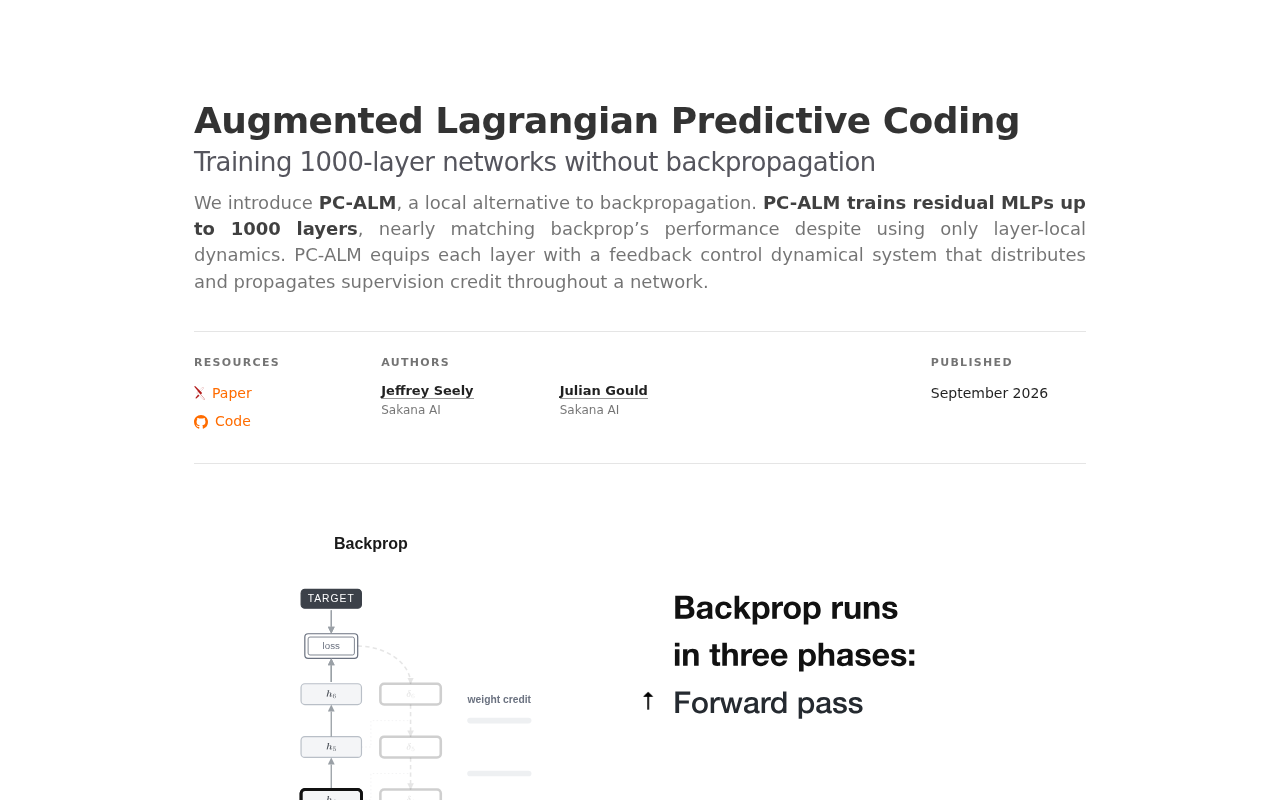
A Challenger to Backpropagation? Augmented Lagrangian Predictive Coding Explained
Augmented Lagrangian Predictive Coding combines biologically plausible predictive coding with constrained optimization as an alternative to backpropagation. Learn how it works and its real-world limits.
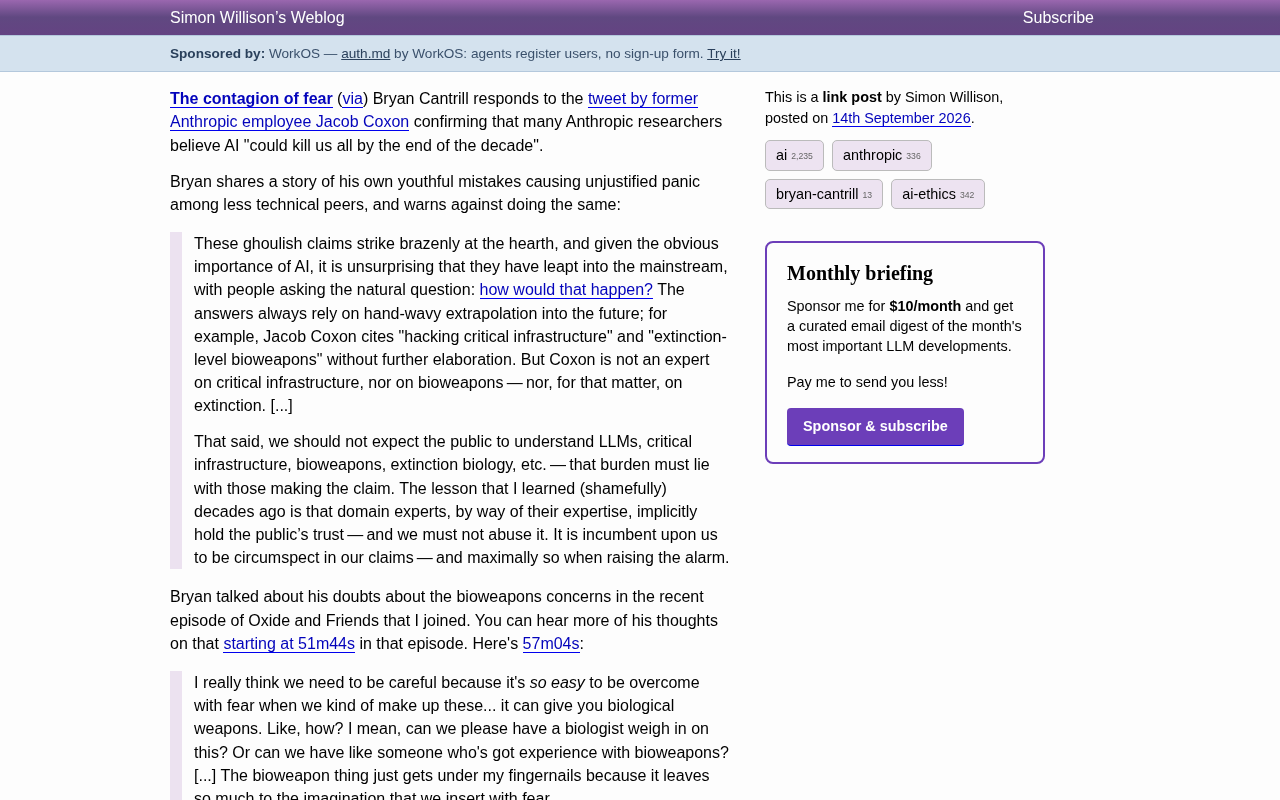
The Contagion of Fear: Why AI Doomsday Claims Deserve Scrutiny
Bryan Cantrill critiques AI doomsday claims, arguing that technical experts must not abuse public trust by issuing extinction warnings without rigorous, verifiable evidence.
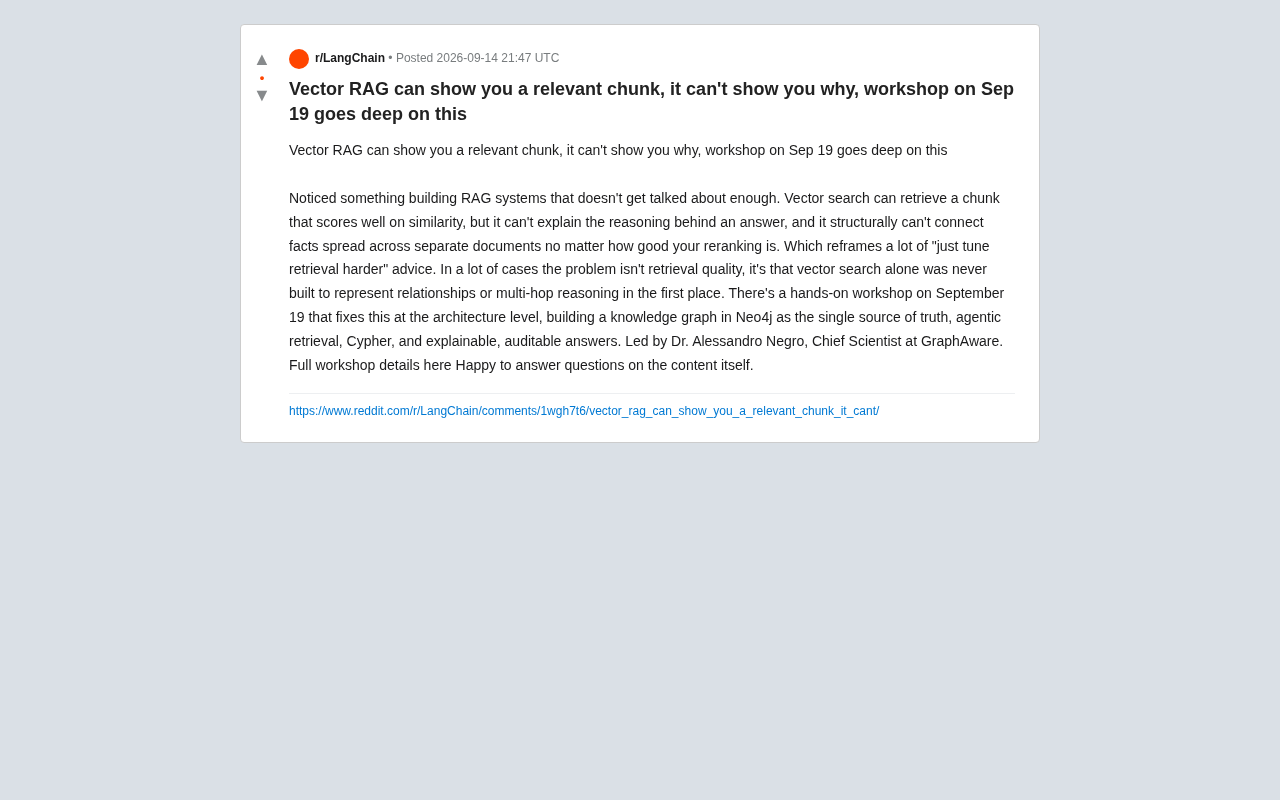
The Ceiling of Vector RAG: Why It Can't Answer "Why"?
Vector RAG retrieves relevant chunks but can't explain reasoning or connect cross-document facts. Learn why knowledge graphs like Neo4j solve the structural limits of vector retrieval.