Apple Uses a Custom Version of Gemini, Different from Google's Public Model

Apple confirms it uses a custom Gemini model, not Google's standard public version.
Craig Federighi revealed that Apple uses a customized version of Google's Gemini model rather than the standard public release. The custom model likely features enhanced privacy protections, tailored functionality for Apple's ecosystem, and stricter safety filtering — reflecting Apple's deep technical control over its multi-model AI strategy.
Apple's Gemini Model Differs from Google's Version
Apple's Senior Vice President of Software Engineering, Craig Federighi, revealed an important detail during a post-event media session: Apple is not using the same Gemini model that Google deploys to its own users.
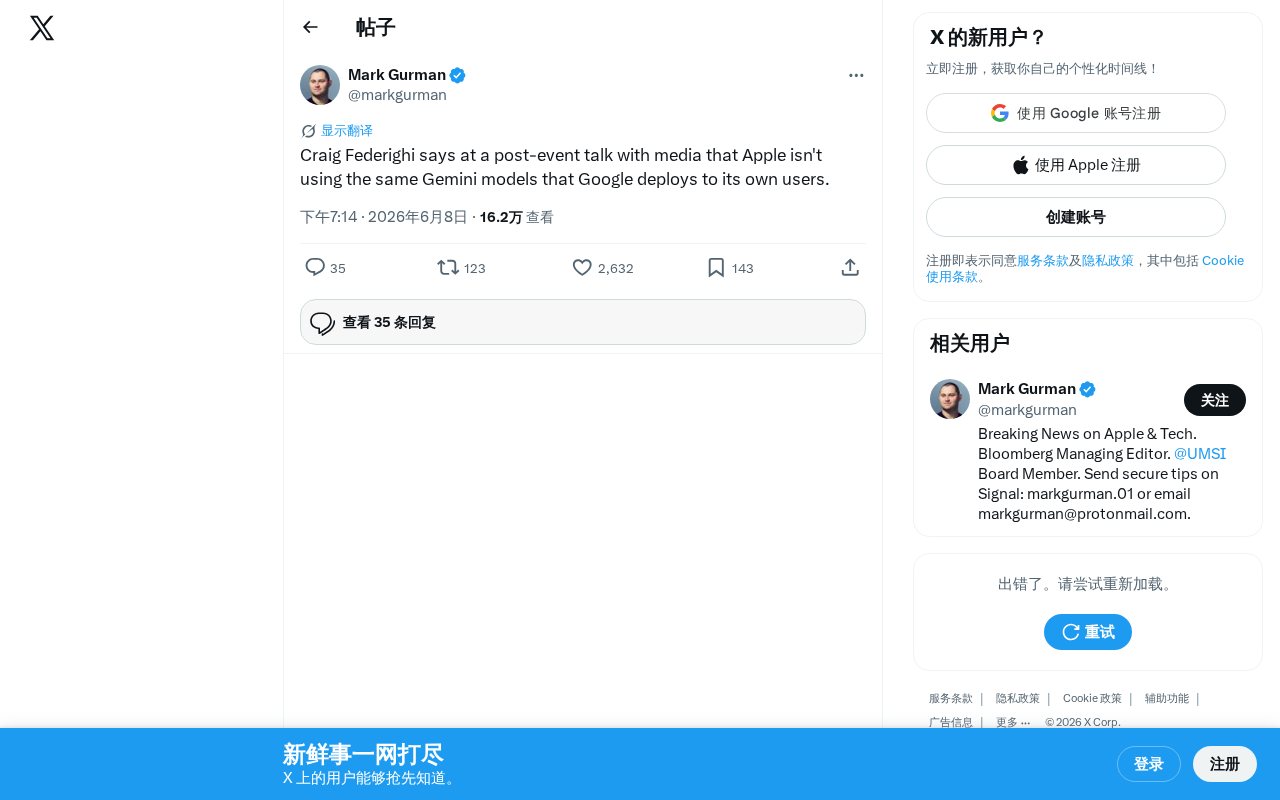
This statement quickly drew industry attention, as it reveals that the AI collaboration between the two tech giants runs far deeper than outsiders might have assumed.
Apple and Google's AI Partnership: Customization, Not Simple Integration
Apple isn't simply calling Google Gemini's public API or using a standard model — it's running a specially customized or modified version. While this approach isn't uncommon in AI partnerships between major tech companies, Apple's public confirmation of it is still significant.
Possible areas of differentiation include:
- Enhanced Privacy: Given Apple's longstanding emphasis on user privacy, the custom model likely has stricter constraints on data handling and privacy protection
- Feature Tailoring: Optimized for the specific needs of the Apple ecosystem, with unnecessary feature modules removed
- Safety Filtering: Apple may require more stringent content safety standards
- Performance Tuning: Specialized inference optimization for Apple devices and usage scenarios
How the Custom Gemini Affects User Experience
When users invoke Gemini through Siri or other features on Apple devices, the experience may differ from using Google Gemini directly. The model's capability boundaries, response style, and even knowledge scope could all vary.
Put simply, the Gemini on Apple devices and the Gemini in Google's own products are not the same thing at the foundational model level.
Industry Trend: Major Platforms Favor Customized AI Deployments
This information also reflects a clear trend in the current AI industry: when integrating third-party AI models, major platform companies increasingly demand customized deployments rather than using generic versions. This is driven both by competitive differentiation and by the need to maintain control over user experience and brand consistency.
The Full Picture of Apple's Multi-Model AI Strategy
Apple has consistently pursued a "multi-model" approach to its AI strategy — combining its own Apple Intelligence on-device models, cloud-based Apple foundation models, and partnerships with OpenAI (ChatGPT) and Google (Gemini).
Federighi's statement further demonstrates that Apple maintains deep control over technical details at every layer of collaboration, rather than simply doing a "white-label" integration.
For developers and users alike, understanding this point is crucial: you cannot equate the Gemini experience on Apple devices with the Gemini experience in Google's own products — the two are fundamentally different.
Related articles
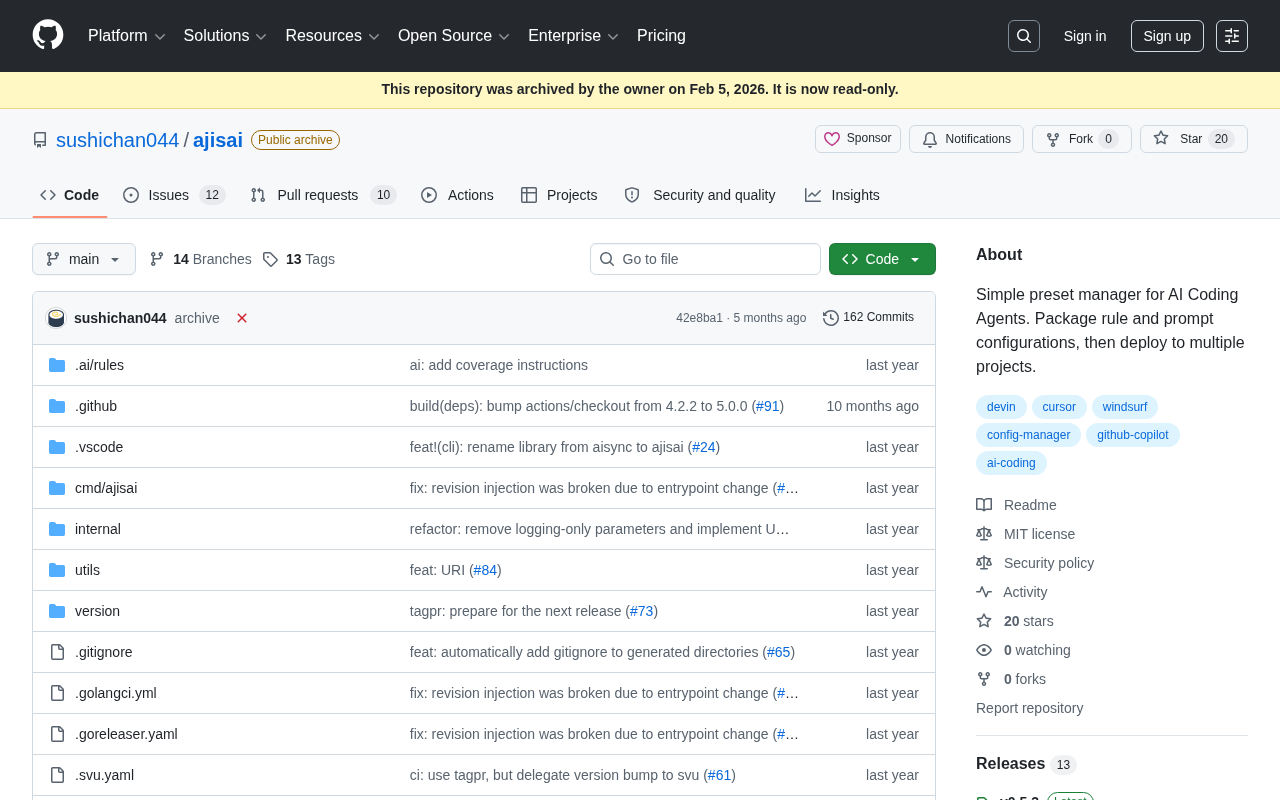
ajisai: A Preset Management Tool for Unifying Rules and Prompts Across AI Coding Assistants
ajisai is a Go-based preset manager for AI coding assistants like Cursor and Claude Code. Package rules and prompts once, deploy everywhere. Early-stage but promising.
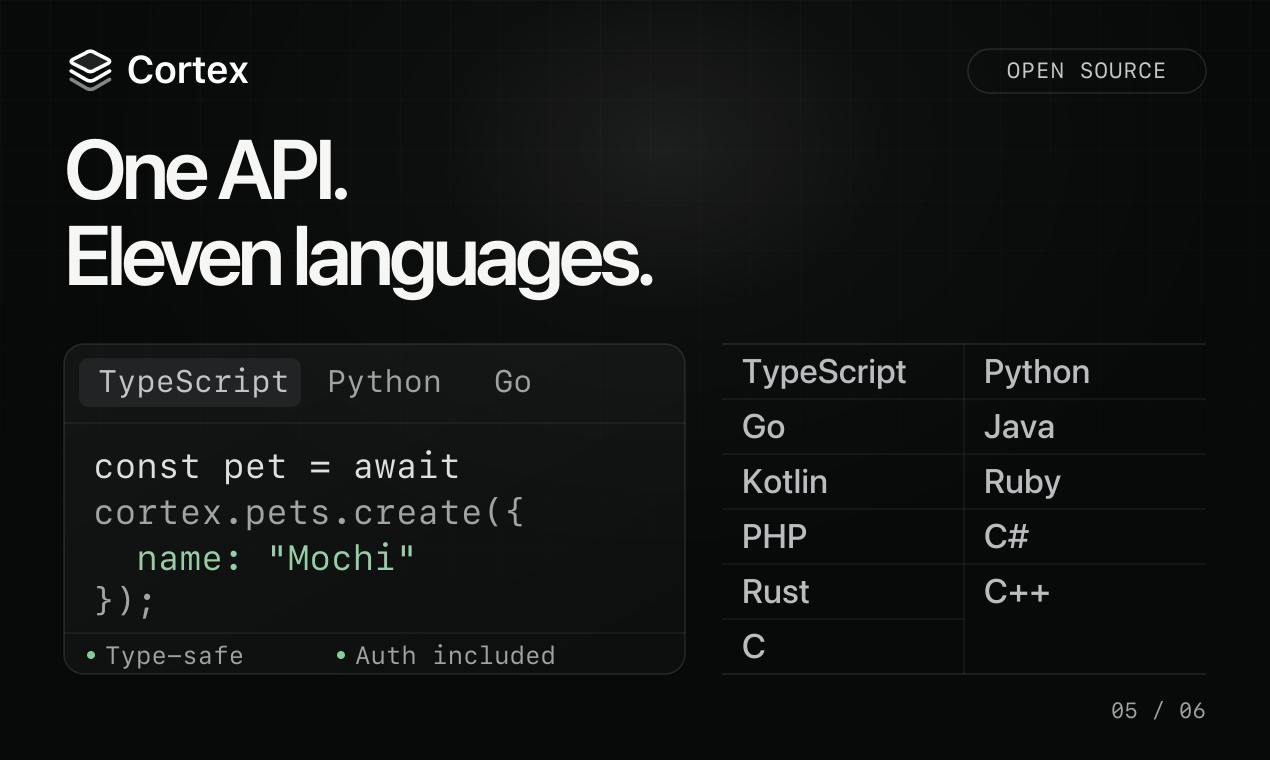
Cortex: Convert API Specs into Docs, SDKs, and MCP Servers in One Click
Cortex is an open-source tool that converts OpenAPI, GraphQL, gRPC and more into interactive docs, typed SDKs in 11 languages, and MCP servers for AI agents.
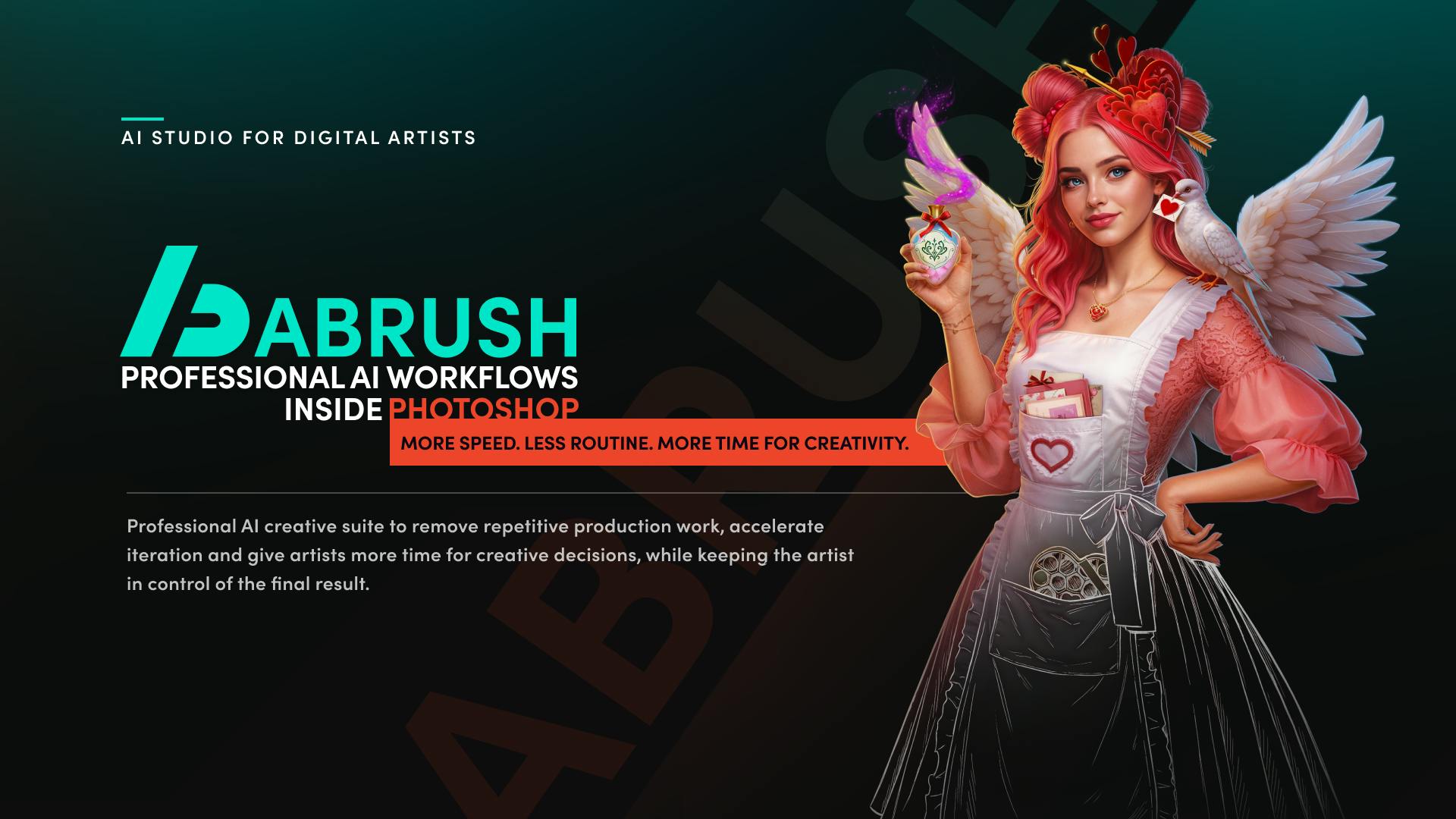
ABrush: An AI Studio Built for Digital Artists
ABrush is an AI studio for digital artists, ranked #4 on Product Hunt. It embeds leading AI models into existing workflows to remove repetitive tasks, speed up iteration, and keep artists in control.