At 11PM, My Competitor's AI Voice Agent Answered My Call
A late-night AI call reveals the real competitive edge is automated business closure, not voice tech.
A user called a vendor at 11PM expecting voicemail, but an AI Agent answered, completed a booking in four minutes, and delivered a confirmation text and calendar link before he even hung up. The experience triggered deep anxiety about his own competitiveness. The article argues that the truly impressive part isn't the voice interaction — it's the fully automated business chain that fires afterward, with zero human involvement. AI customer service is evolving from 'can hold a conversation' to 'can close a business transaction end-to-end,' and traditional business hours are becoming a competitive liability rather than normal practice.
A Late-Night Phone Call That Sparked an Industry Wake-Up
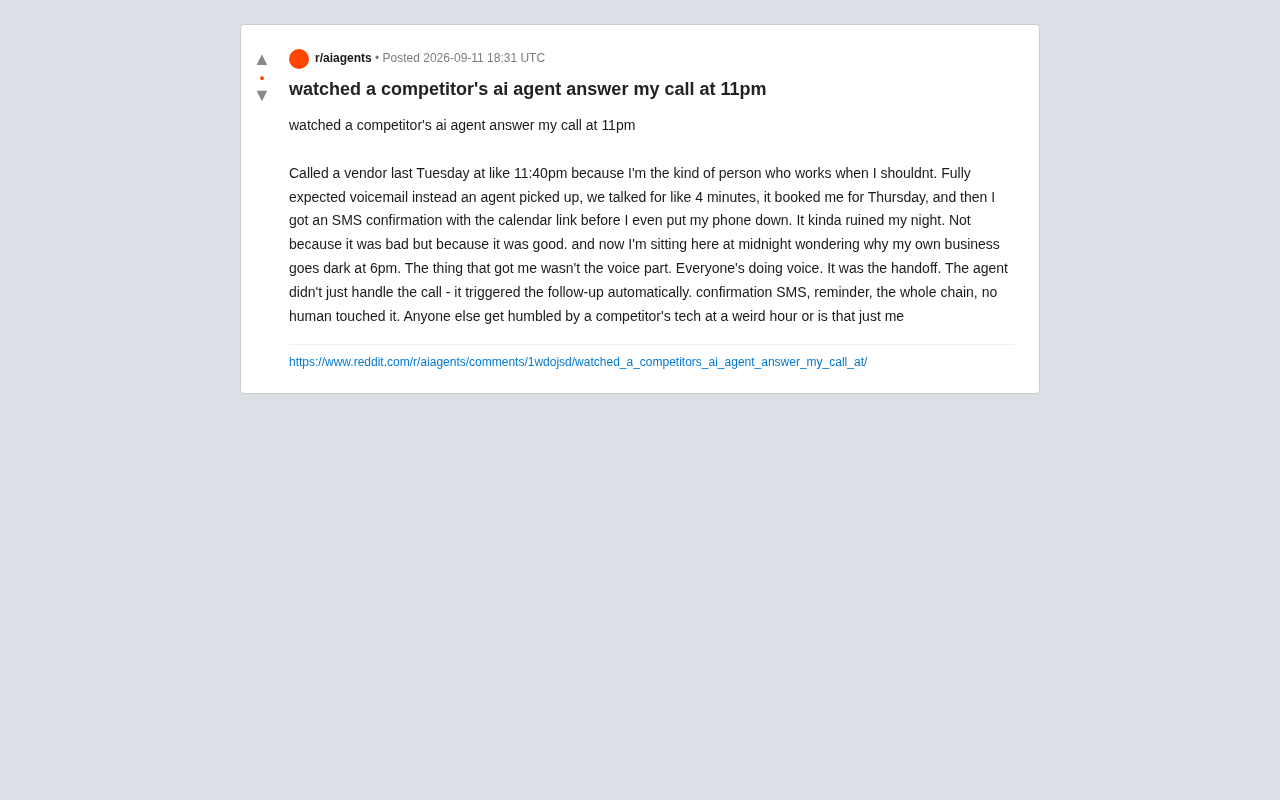
A Reddit user shared an experience that kept him up all night: at 11:40PM on a Tuesday, he called a vendor expecting to hit voicemail. Instead, an AI Agent picked up. They talked for about four minutes — the AI scheduled a meeting for Thursday, and before he could even set down his phone, a confirmation text and calendar link had already arrived.
In his own words: "It ruined my evening. Not because it did a bad job — but because it did such a good one." Sitting at his desk at midnight, he found himself wrestling with an uncomfortable question: why does his own business 'go dark' at 6PM?

The Real Killer Feature Isn't Voice — It's the Seamless Handoff
The user was careful to highlight a point that's easy to miss: what stunned him wasn't the voice interaction itself.
"Everyone's doing voice," he wrote. "What got me was the handoff. This Agent didn't just answer the call — it automatically triggered everything that came after. Confirmation text, reminders, the whole flow, with zero human involvement."
This observation cuts right to the defining frontier of AI customer service today. A huge number of AI voice products are still stuck at the 'listen and speak' stage — handling a smooth conversation is considered a passing grade. But there's a real chasm between 'completing a conversation' and 'closing a business transaction end-to-end.'
From Conversational Tool to Business Closed-Loop
Voice response alone is just the entry point. The real value lies in the automated workflows running underneath:
- Always-on availability: No business hours constraints — online 24/7
- Intent understanding and execution: Not just answering questions, but actually completing bookings, orders, and other actions
- Automated follow-up chain: After a booking, automatically sends confirmation texts, calendar invites, and follow-up reminders
- Zero human intervention: The entire pipeline runs without any manual staff involvement
When these components are strung together into a closed loop, AI transforms from a 'fancy receptionist' into a genuine node in the sales and operations pipeline. A late-night phone call becomes a confirmed piece of business.
'Business Hours' Are Becoming a Competitive Liability
This post resonated widely because it exposed a core vulnerability for traditional small businesses: time blind spots are becoming lost opportunities.
Customers don't generate needs on your schedule. Some people work late into the night; others only remember to handle something during a lunch break; others make impulsive decisions on weekends. In the past, demand that fell outside 'business hours' either disappeared entirely or waited until the next morning — by which point a competitor might have already closed the deal the night before.
The anxiety this user felt is essentially the anxiety of a capability gap. When your competitor uses AI to extend their service window to 24 hours, closing your doors at 6PM stops feeling like normal business practice and starts feeling like voluntarily abandoning the field.
The Technical Barrier Is Dropping Fast
It's worth noting that deploying this kind of AI Agent capability costs far less than it did even a few years ago. Speech recognition, large language model conversations, and API integrations with scheduling, SMS, and CRM systems all have relatively mature solutions available today. For small and mid-sized businesses, this is no longer technology that requires a large R&D team to access.
In other words, the 'dimension-reduction strike' this user felt he'd taken also means he has a realistic path to catch up using similar tools. The other side of anxiety is an actionable route forward.
Closing: The Industry Signal Hidden in One Late-Night Experience
What looks like a personal rant on Reddit is actually a clear industry signal. The value proposition of AI Agents is shifting from 'can it hold a conversation?' to 'can it close the loop?' Voice is just the surface layer — the real moat lies in seamlessly connecting conversation to the automated business workflows that follow.
For any business that depends on customer inquiries, bookings, or conversions, this case raises a question worth taking seriously: when your competitors are still 'taking orders' in the middle of the night, what does your 'closing time' actually cost you?
Related articles
Claude Code Adds Agent View: A Research Preview for Unified Session Management
Claude Code's new Agent View feature (research preview) consolidates all coding sessions into a unified list, advancing AI tools toward multi-agent orchestration.
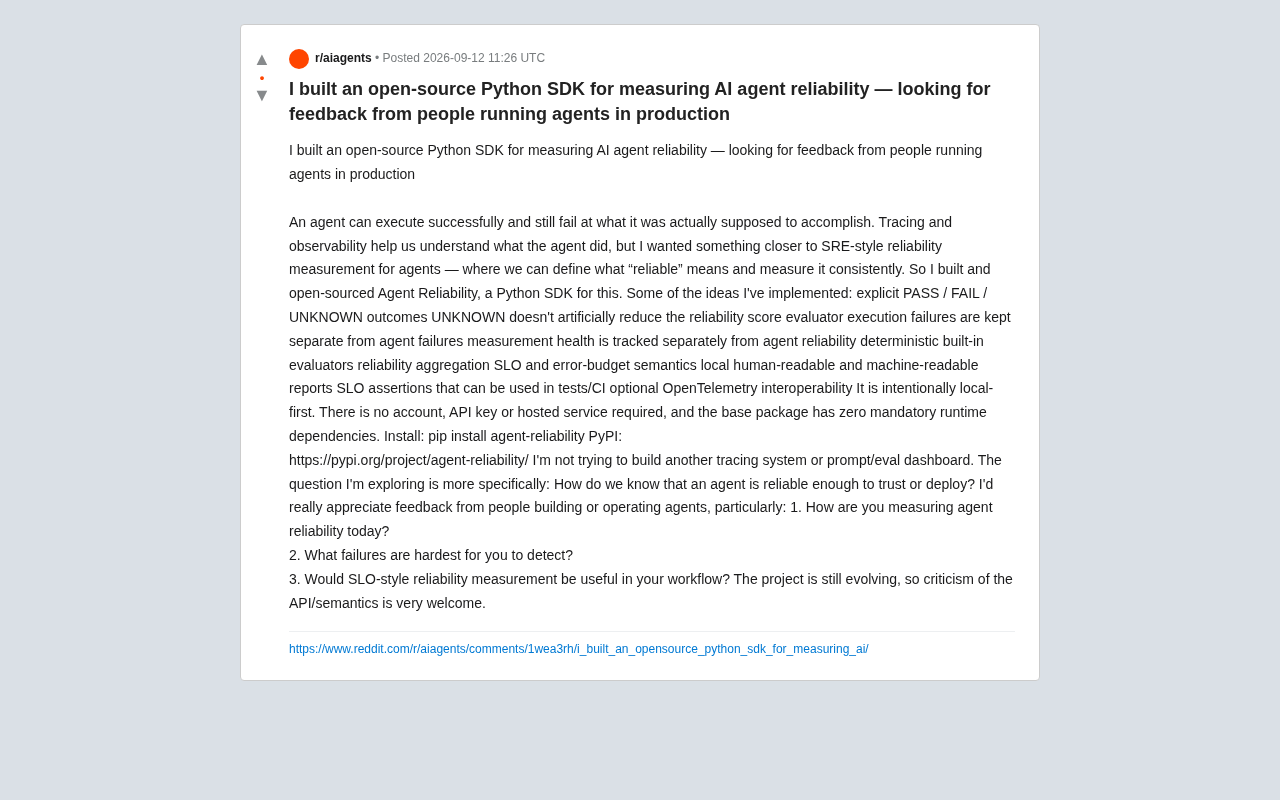
Open-Source Python SDK: Measuring AI Agent Reliability with SRE Principles
Agent Reliability is an open-source Python SDK that applies SRE's SLO and error budget concepts to AI Agent evaluation, with PASS/FAIL/UNKNOWN states, CI assertions, and zero forced dependencies.
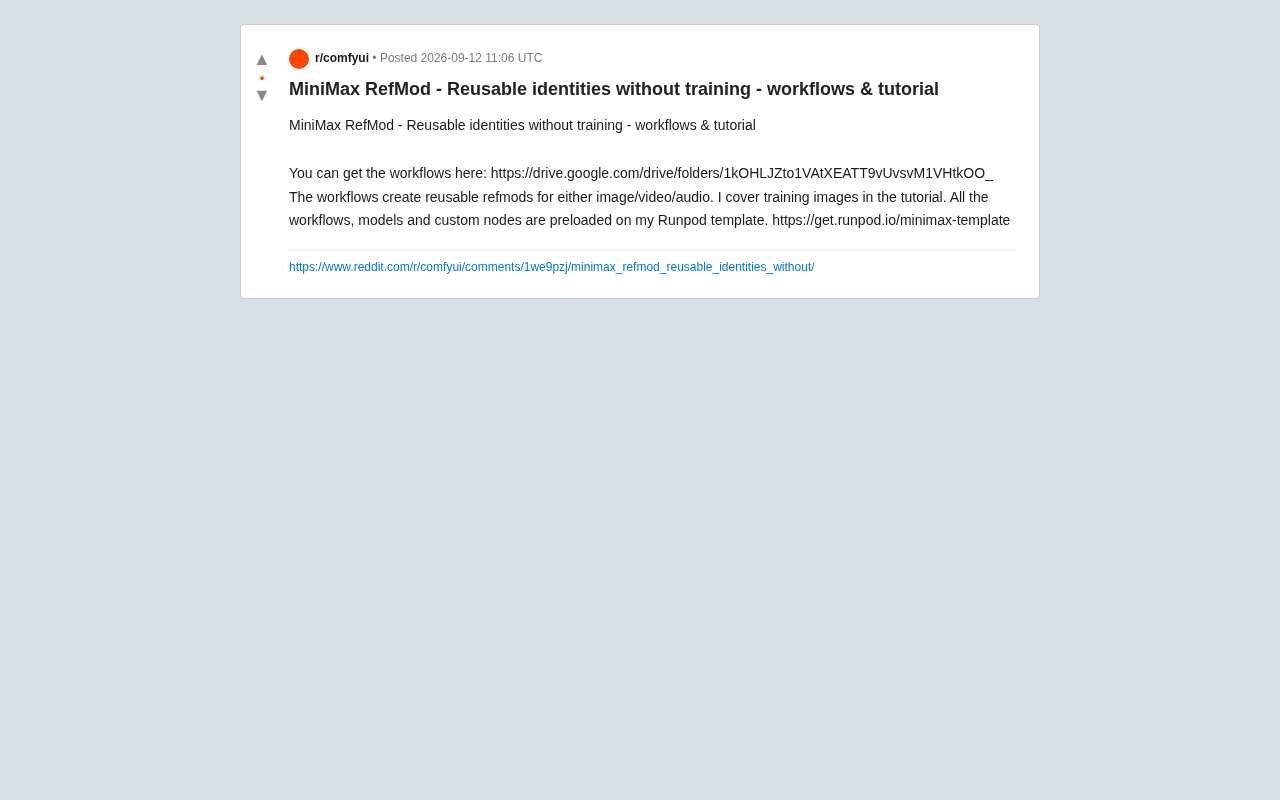
MiniMax RefMod: A Complete Guide to Training-Free Reusable Identity Workflows
MiniMax RefMod offers training-free reusable identity workflows for image, video, and audio generation. Includes Runpod template and tutorial for quick setup.