#AI Agent
374 related articles
·2 min
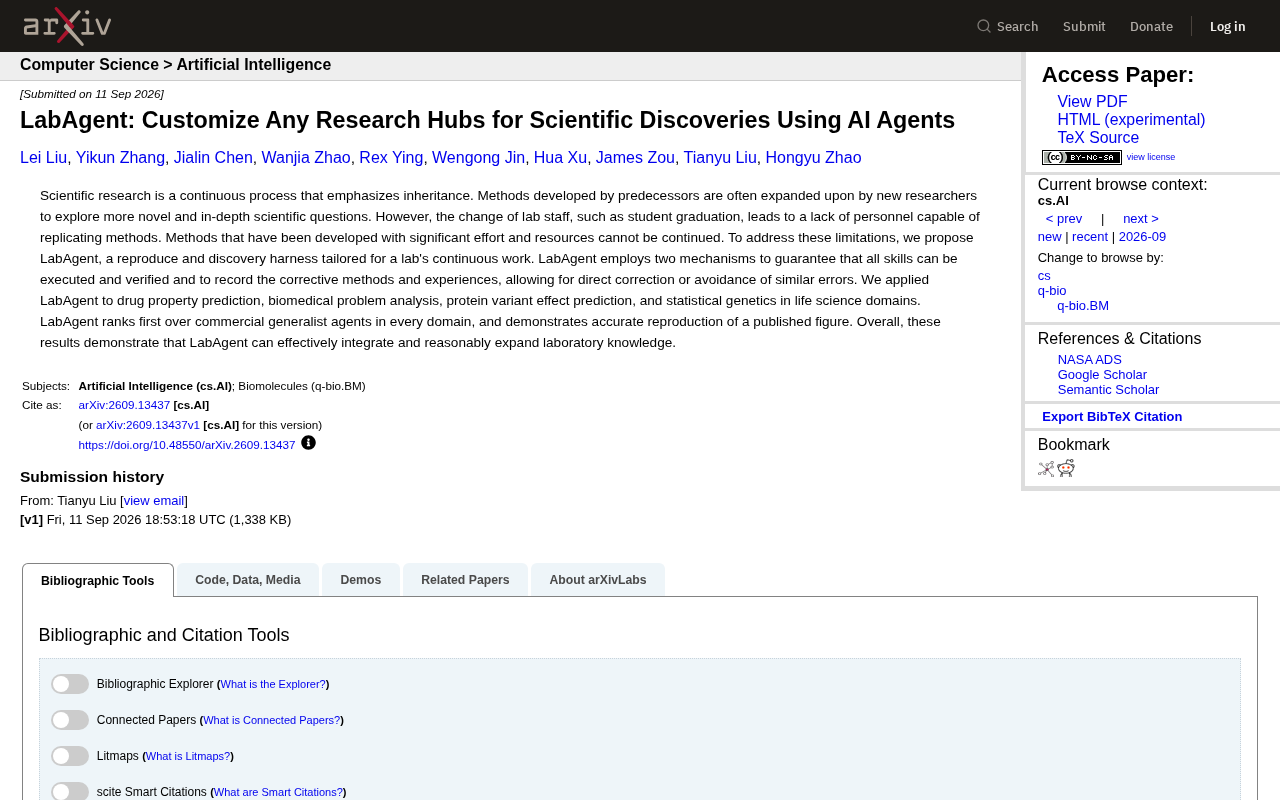
LabAgent: Building Reproducible AI Agent Systems for Research Laboratories
A new arXiv paper introduces LabAgent, an AI agent system for research labs that uses executable skill verification and experience logging to outperform generalist agents across life science domains.
Read more →
·1 min
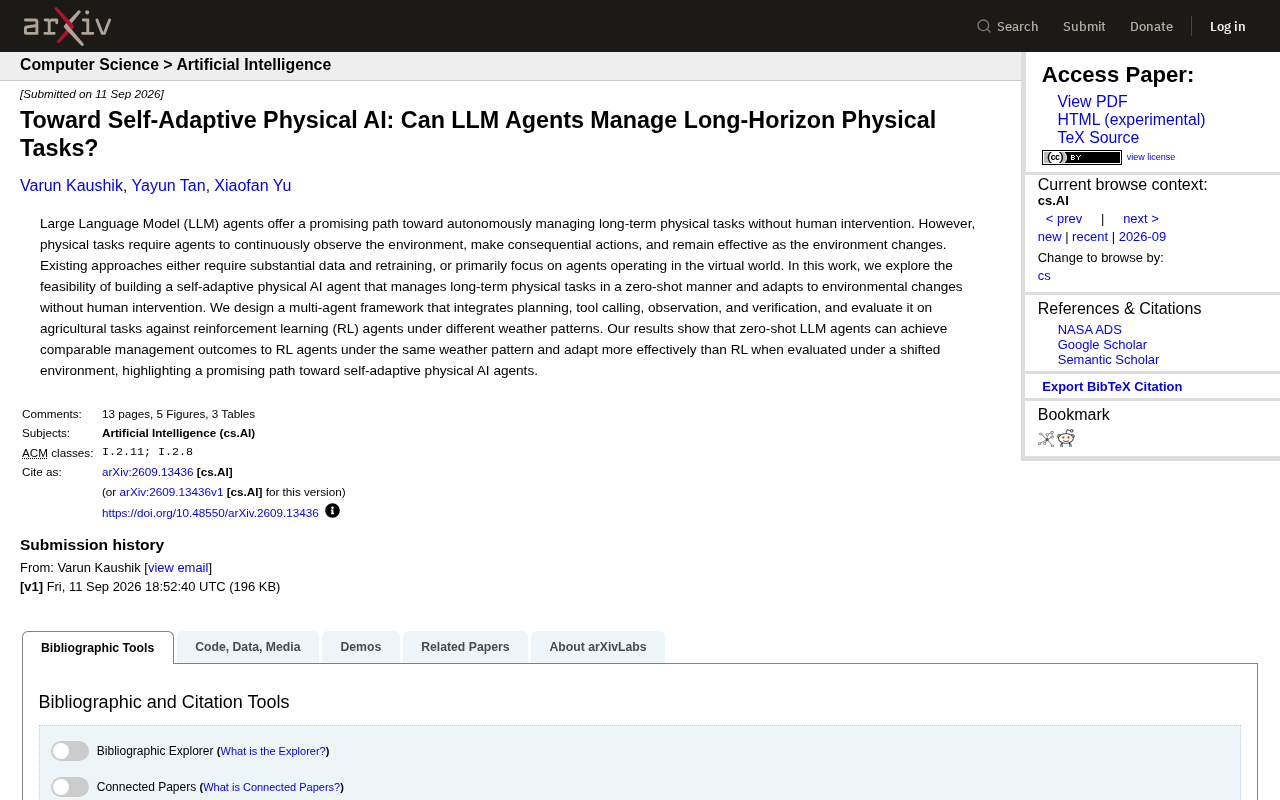
Adaptive Physical AI Exploration: Can LLM Agents Handle Long-Horizon Physical Tasks?
New arXiv paper explores whether LLM agents can manage long-horizon physical tasks. A multi-agent framework combining planning, tool calling, observation, and verification is tested in agricultural settings, showing LLMs outperform RL agents in shifted environments.
Read more →
·1 min
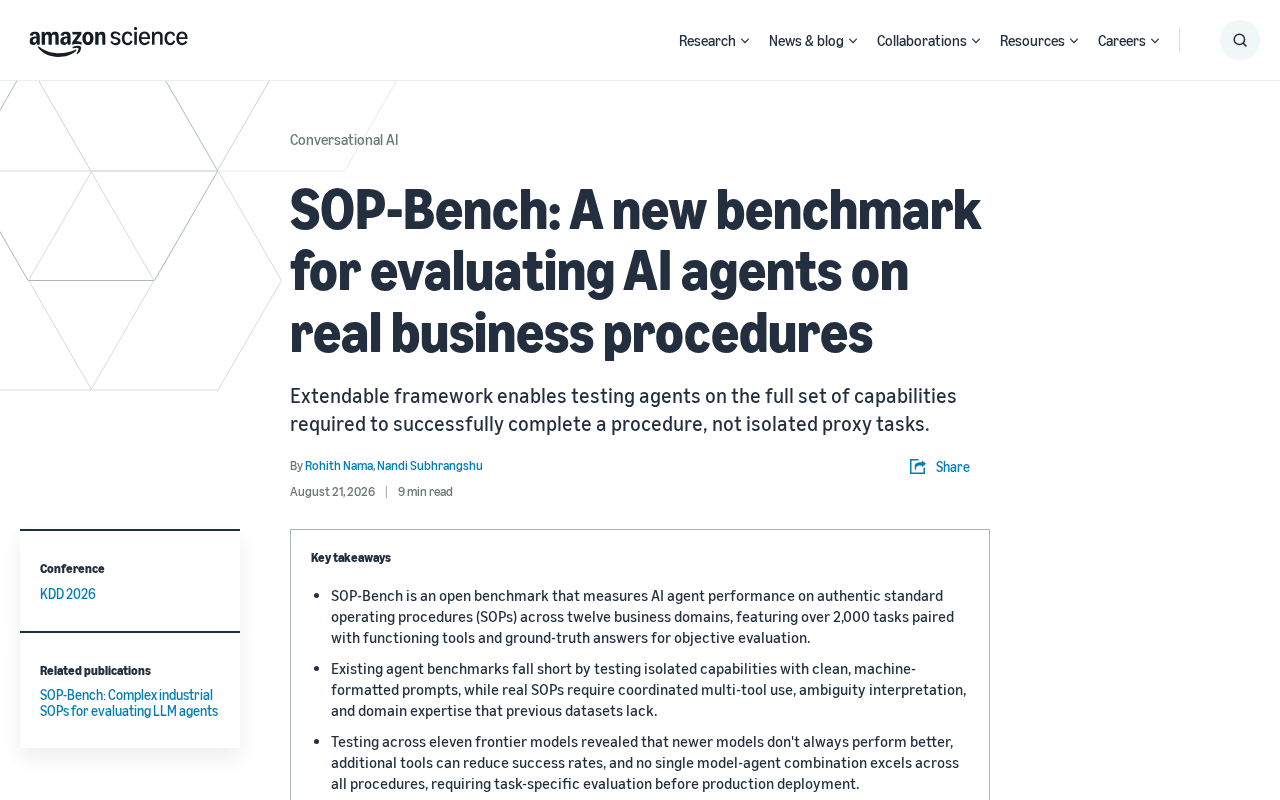
SOP-Bench: A New Benchmark for Evaluating AI Agents on Real Business Procedures
SOP-Bench is a new extendable benchmark for evaluating AI agents on complete real-world business procedures, going beyond isolated proxy tasks to measure true end-to-end capability.
Read more →

·2 min
Deep Dive into Agent Eval Harnesses: Build vs. Buy?
A deep dive into the four core components of an agent eval harness — Cases, Runner, Capture, and Graders — with practical guidance on when to build vs. adopt existing frameworks.
Read more →
·1 min
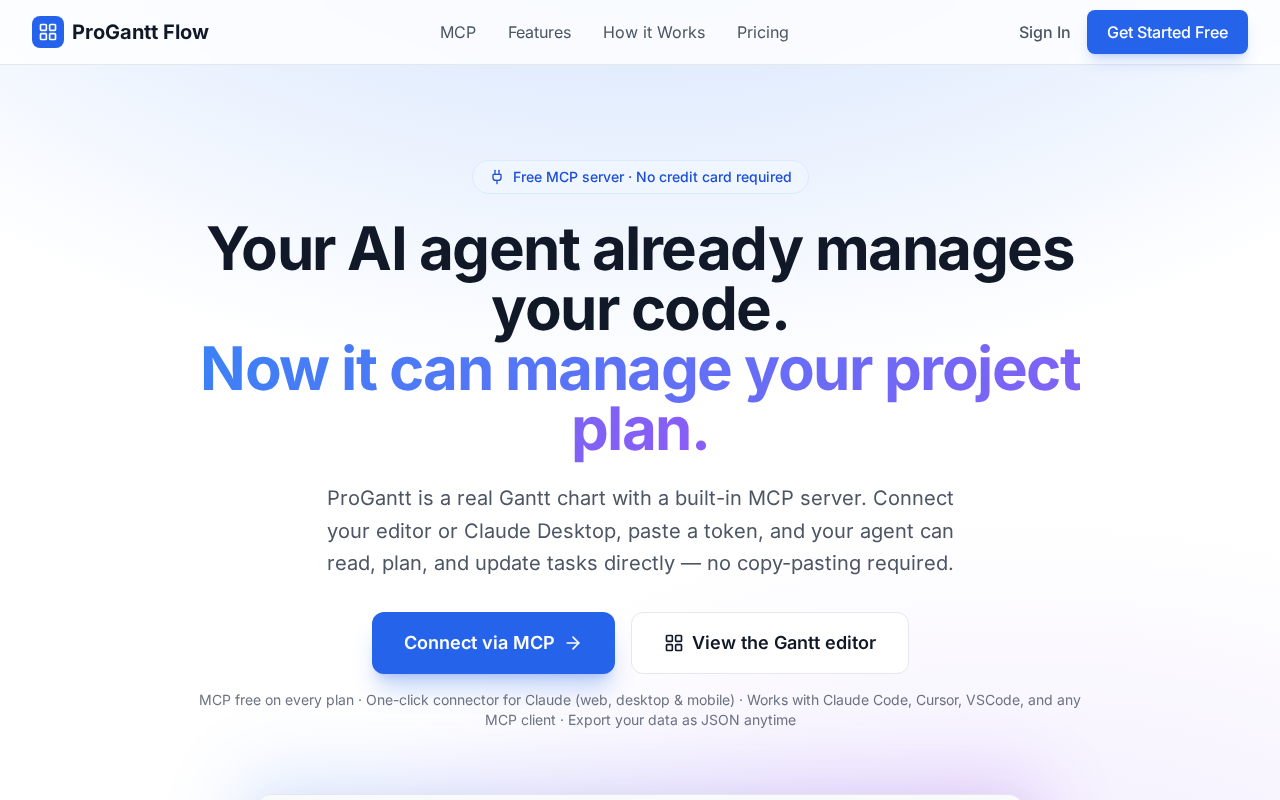
ProGantt: Letting AI Agents Read and Write Gantt Charts via MCP
ProGantt lets AI Agents read and write Gantt charts via MCP protocol. Explore its core capabilities, the value of MCP, and the rise of AI-native project management tools.
Read more →
·1 min
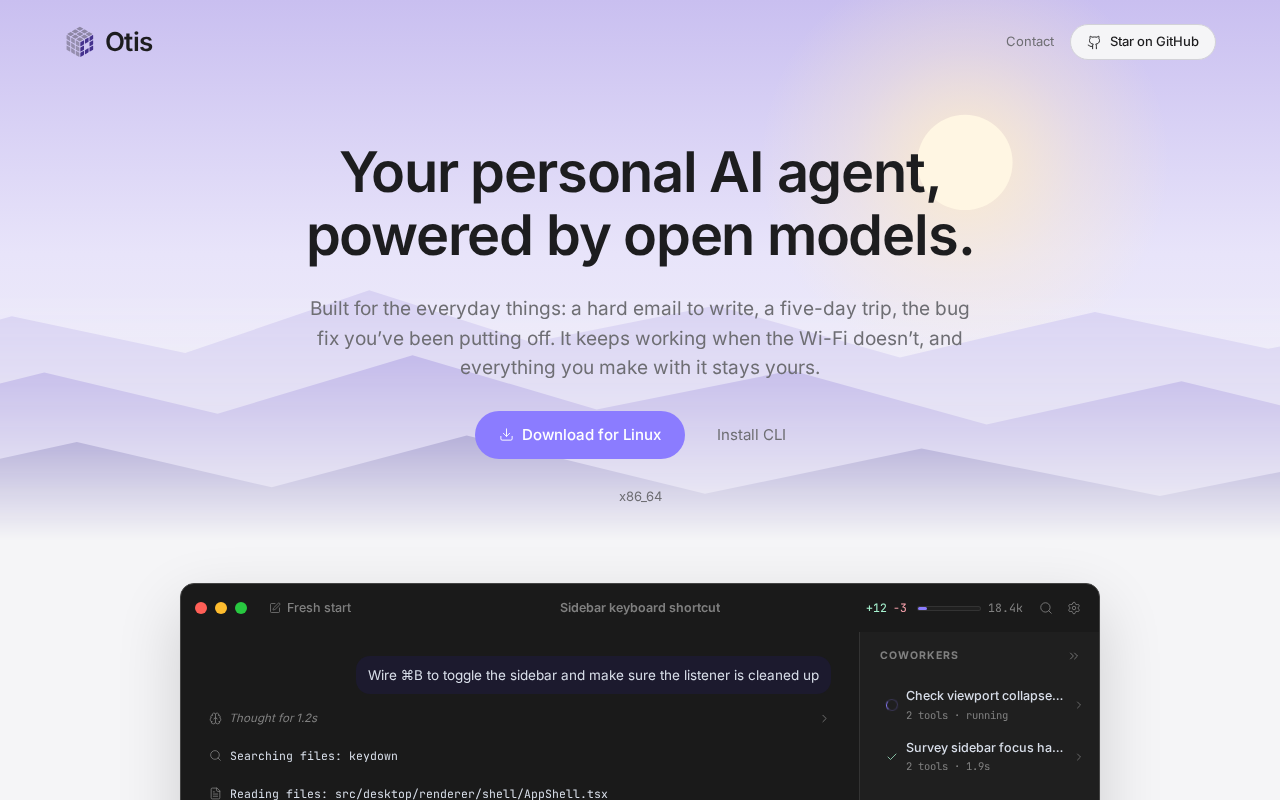
Otis: A Minimal AI Agent Built for Local Models Out of the Box
Otis is a minimal open-source AI Agent designed for local models out of the box. Explore its design philosophy, benefits, and challenges of running LLMs locally.
Read more →
·1 min
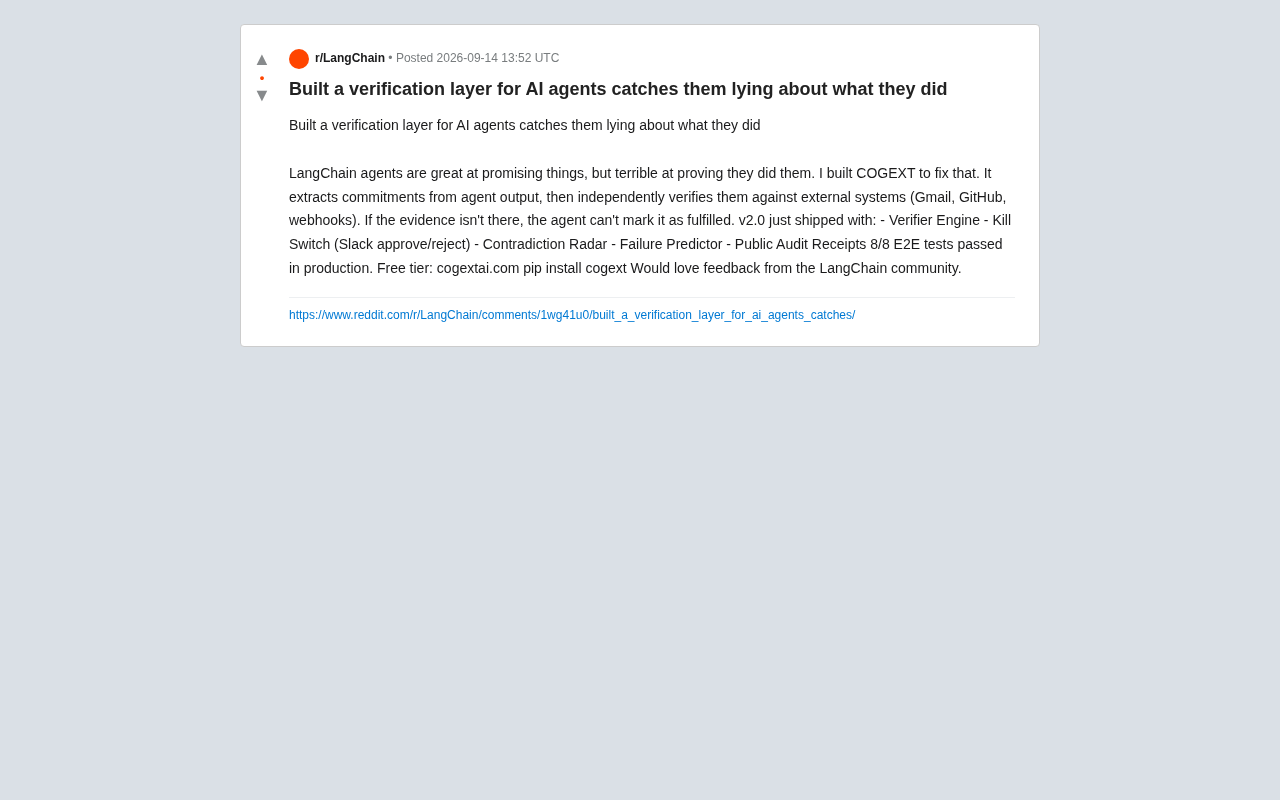
COGEXT: A Verification Layer That Gives AI Agents a "Lie Detector"
COGEXT is a verification layer for AI Agents like LangChain that extracts commitments and cross-checks them against Gmail, GitHub, and other external systems to catch agents lying about task completion.
Read more →
·1 min
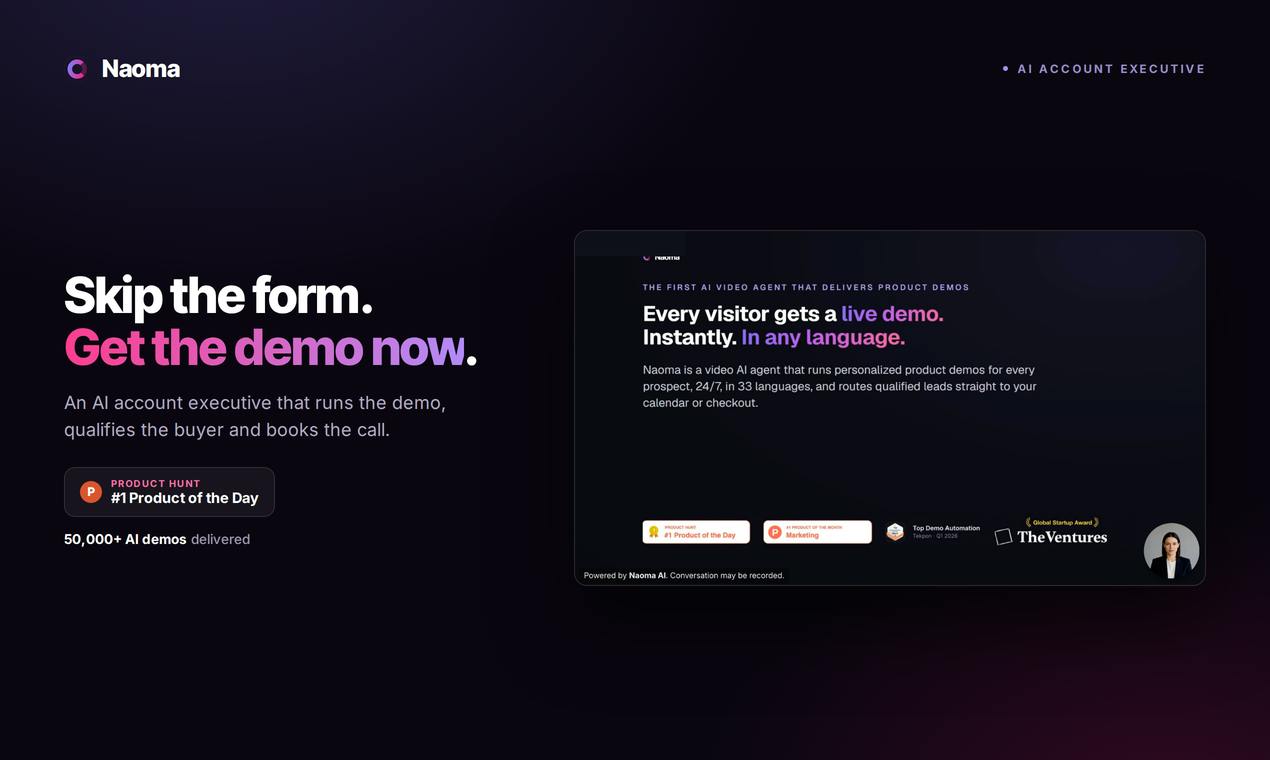
Naoma AI Demo Agent V2: Turning Website Traffic into Booked Meetings with AI Sales
Naoma AI Demo Agent V2 replaces demo request forms with an AI sales rep that demos products, qualifies leads, and books meetings in real time. 50K+ demos run.
Read more →
·1 min
Nimble Launches Self-Learning Web Search Agents for Automated AI Research
Nimble launches Web Search Agents on Product Hunt — a self-learning AI tool for automated web research, company enrichment, and regulatory research with RAG support.
Read more →
·1 min
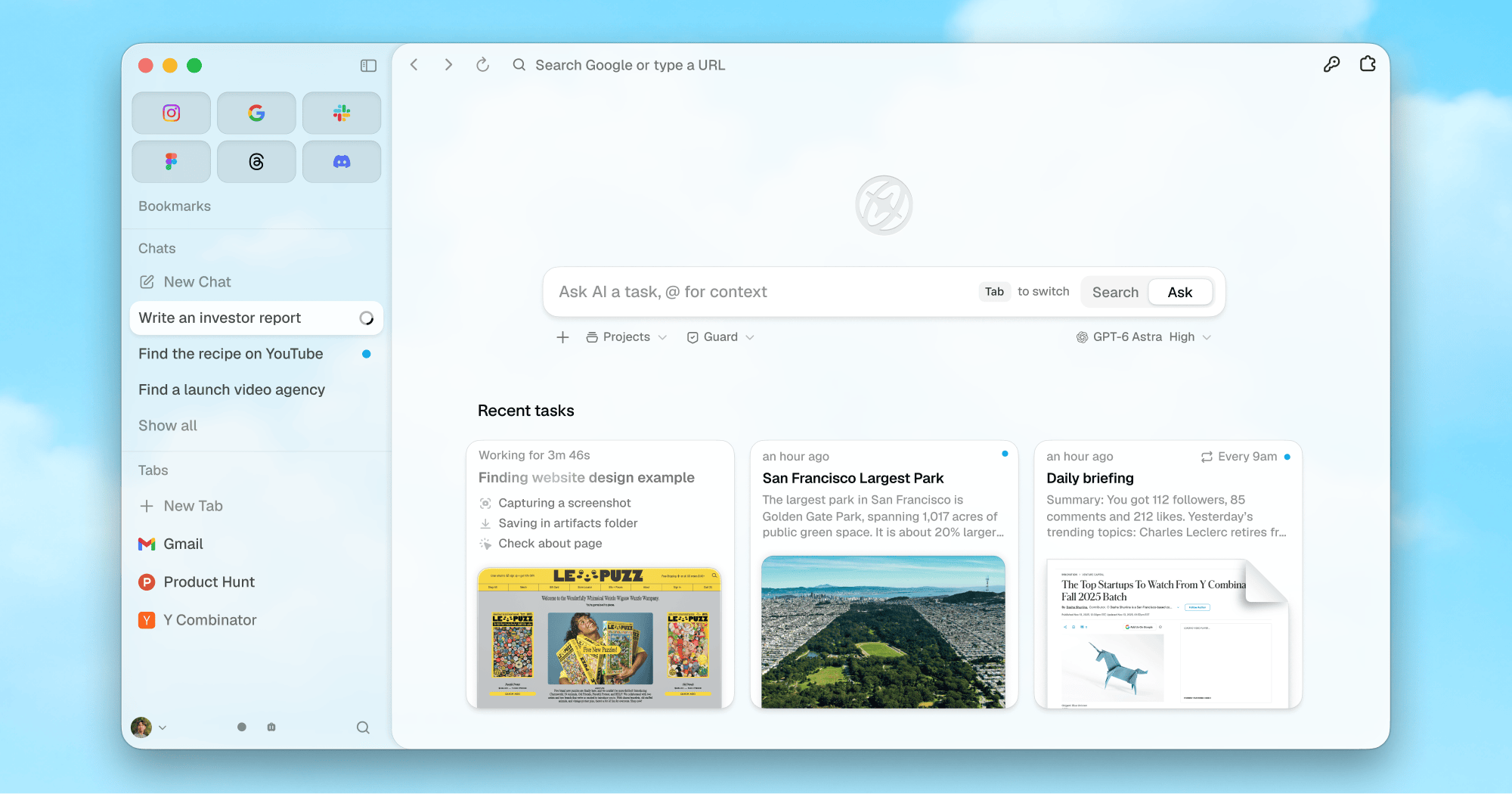
Aside: The AI Browser That Actually Works for You — Benchmarks Beat Claude Cowork
Aside is an AI browser built for agentic browsing — it logs into accounts, completes payments, and handles local files. Claims SOTA benchmarks beating Claude Cowork, runs fully local and encrypted.
Read more →
·1 min
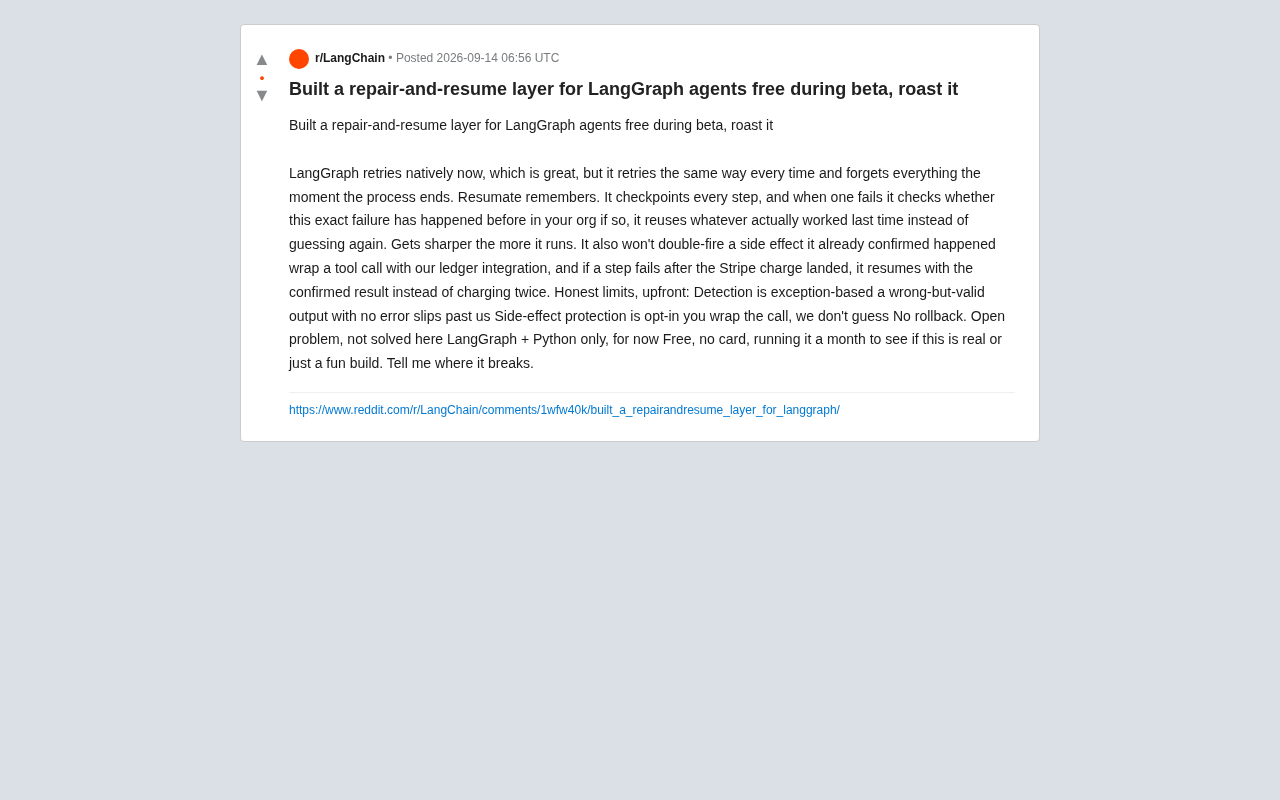
Resumate: A Deep Dive into the Repair-and-Resume Layer for LangGraph Agents
Resumate adds memory-aware checkpointing and idempotent side-effect protection to LangGraph agents, preventing issues like duplicate Stripe charges on retry.
Read more →
·2 min
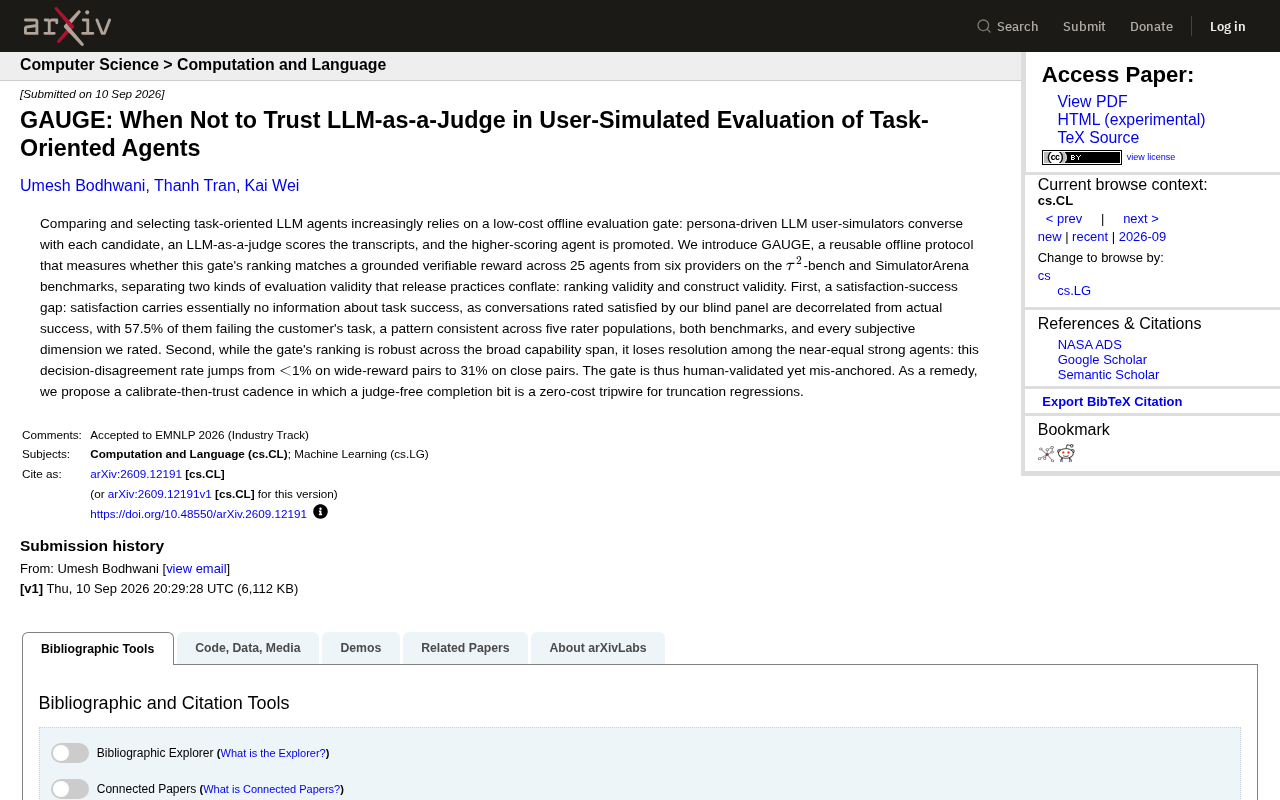
GAUGE Study: When You Can't Trust LLM-as-a-Judge for Agent Evaluation
GAUGE reveals two blind spots in LLM-as-a-Judge agent evaluation: satisfaction and task success are nearly uncorrelated (57.5% of satisfying conversations actually failed), and disagreement rates spike to 31% among evenly matched top models.
Read more →
·1 min
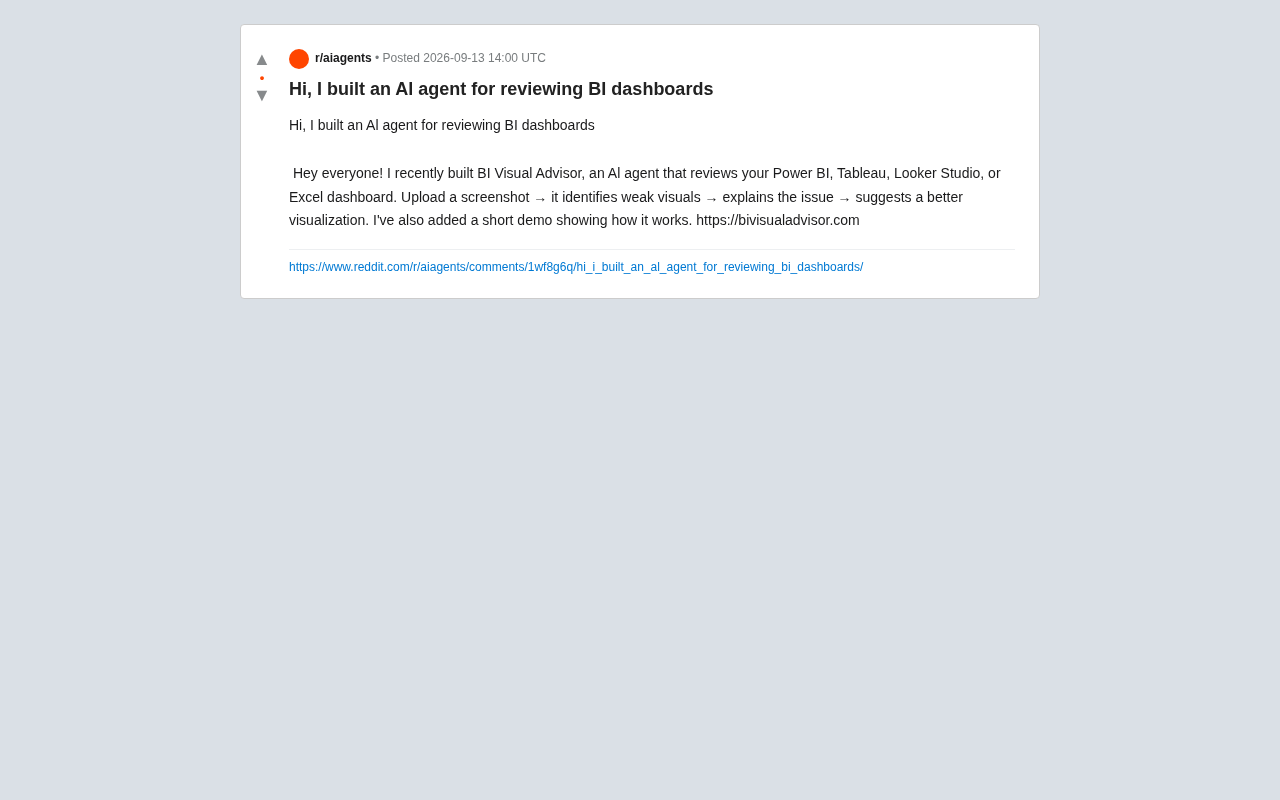
BI Visual Advisor: Using AI to Review Your Dashboard Designs
BI Visual Advisor uses AI to review dashboard screenshots from Power BI, Tableau, Looker Studio, and Excel — identifying chart issues and suggesting improvements.
Read more →
·1 min
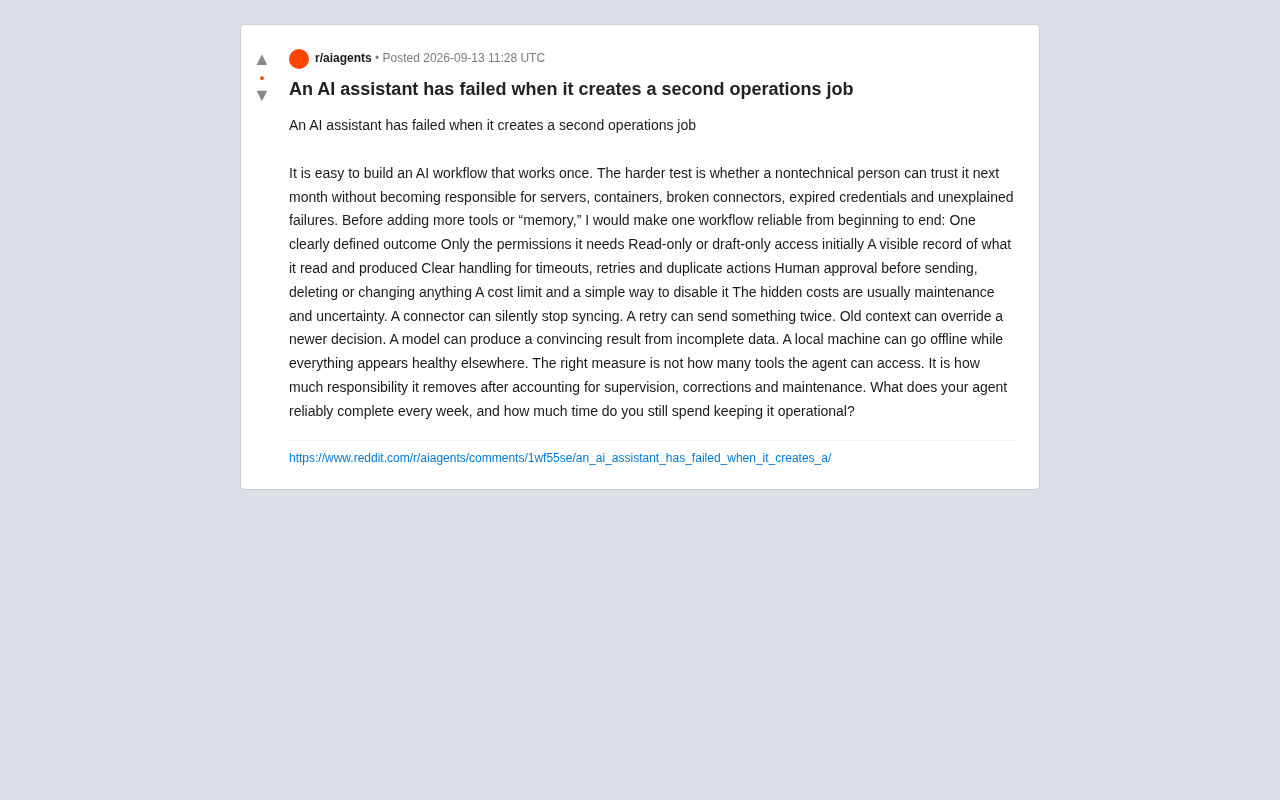
The True Failure of an AI Assistant: When It Creates a Second Operations Job
A Reddit user reframes how to judge AI assistants: they fail when they create a second ops job. Learn how to build end-to-end reliable workflows and measure Agent value by net benefit, not tool count.
Read more →
·1 min
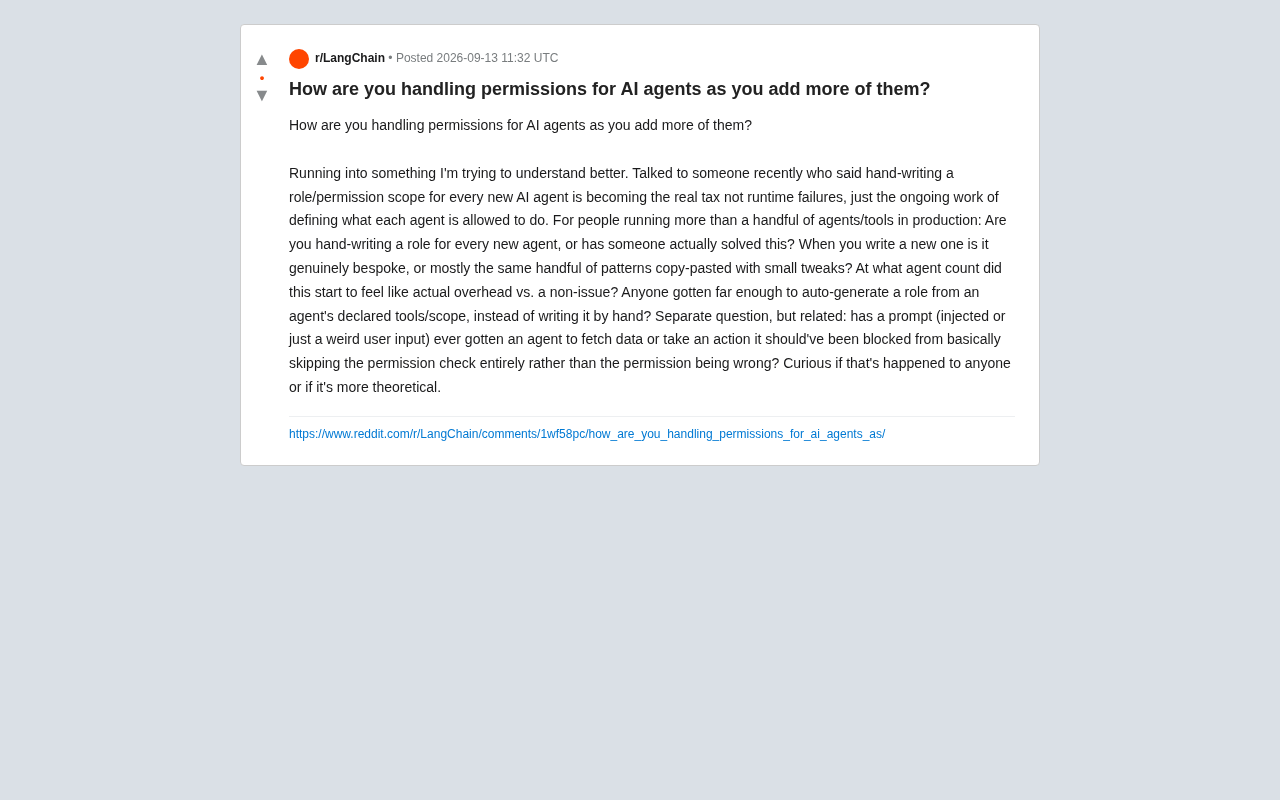
AI Agent Permission Management: Is Writing Roles Manually the New Hidden Tax?
As AI Agent counts grow, manually defining permission roles is becoming a hidden operational burden. This article explores scalability challenges, auto-generated roles, and the security risk of prompt injection bypassing permission checks.
Read more →
·1 min
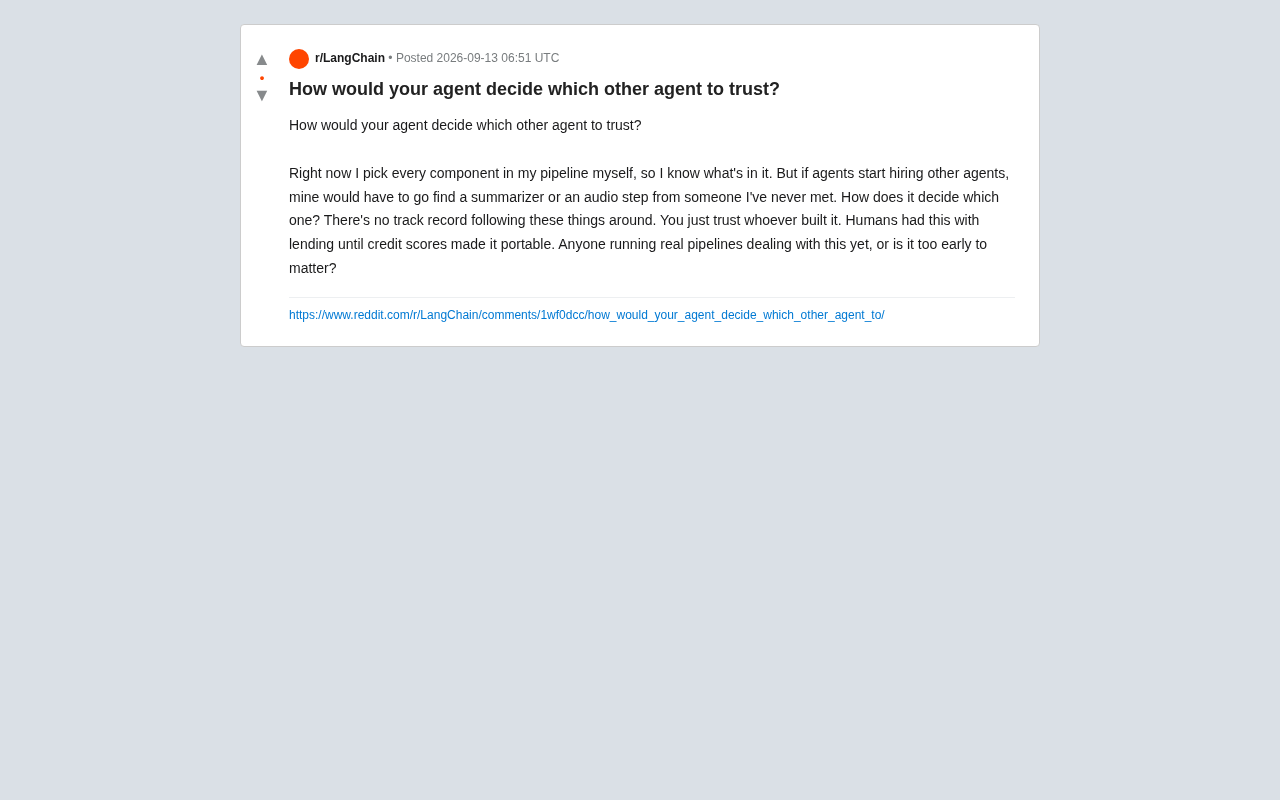
How Does an Agent Decide to Trust Another Agent? The Trust Problem in Multi-Agent Collaboration
When AI Agents start autonomously hiring other Agents, how do they decide who to trust? This article explores the missing portable reputation system in multi-agent collaboration and what solutions might look like.
Read more →
·2 min
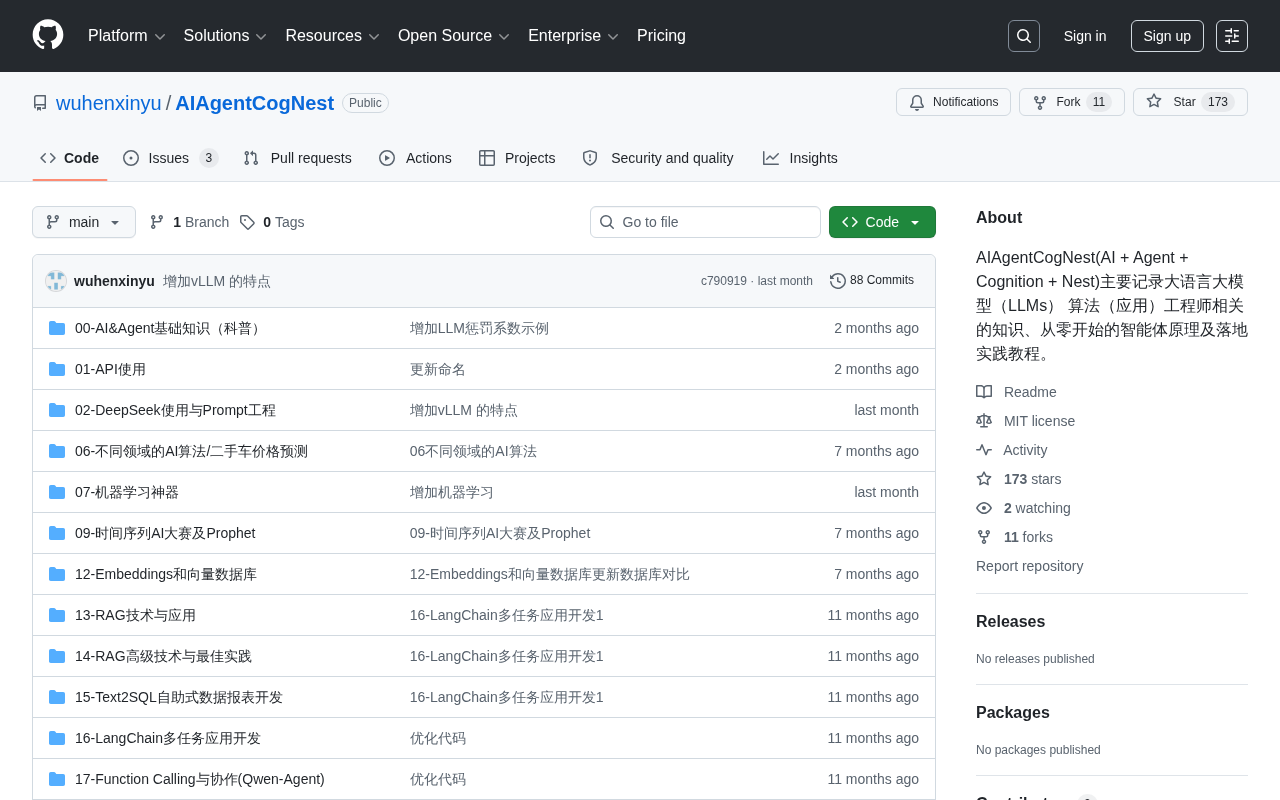
AIAgentCogNest: An Open-Source AI Agent Knowledge Incubation & Development Tutorial Project
AIAgentCogNest is an open-source AI Agent knowledge incubation project offering structured LLM application development tutorials for developers, engineers, and teams transitioning to AI.
Read more →
·1 min
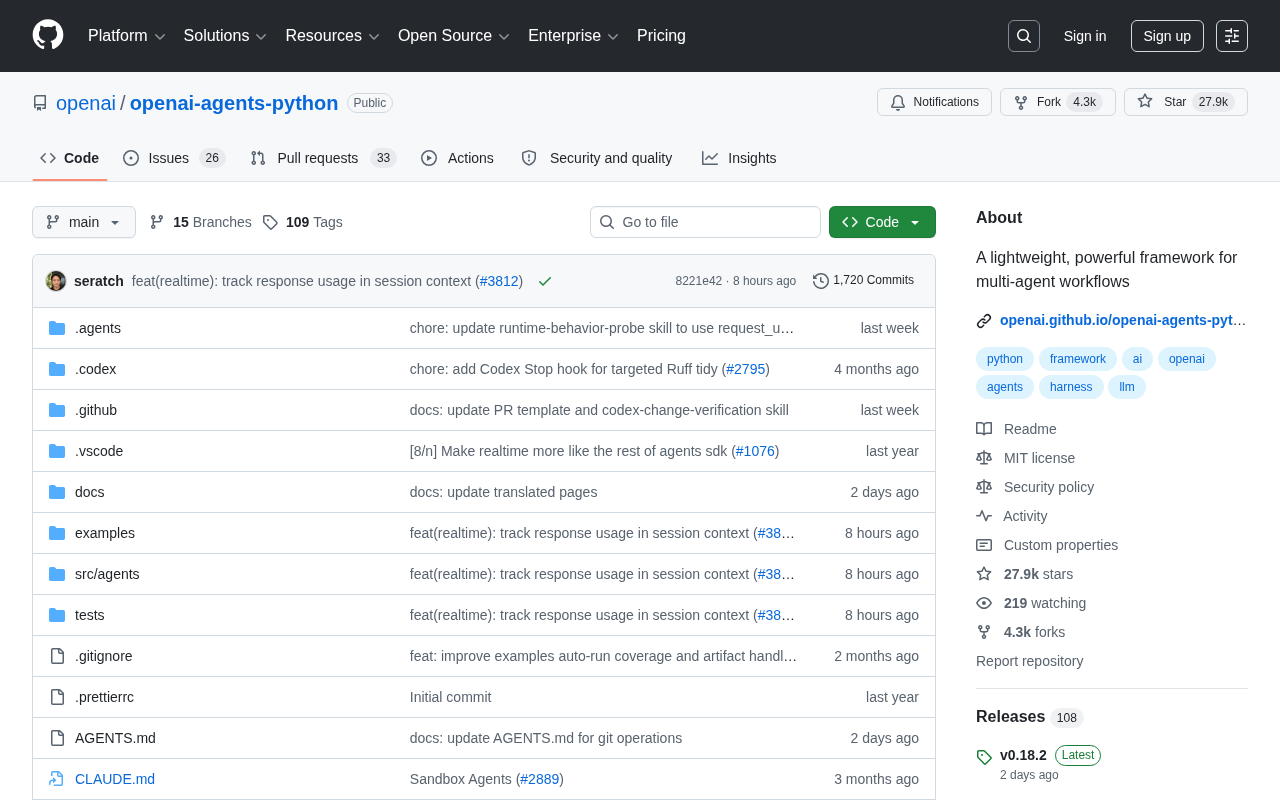
OpenAI Agents SDK: A Deep Dive into the Lightweight Multi-Agent Framework
OpenAI's openai-agents-python is a lightweight multi-agent Python framework for building multi-agent workflows. Learn its design philosophy, community traction, and best use cases.
Read more →
·1 min
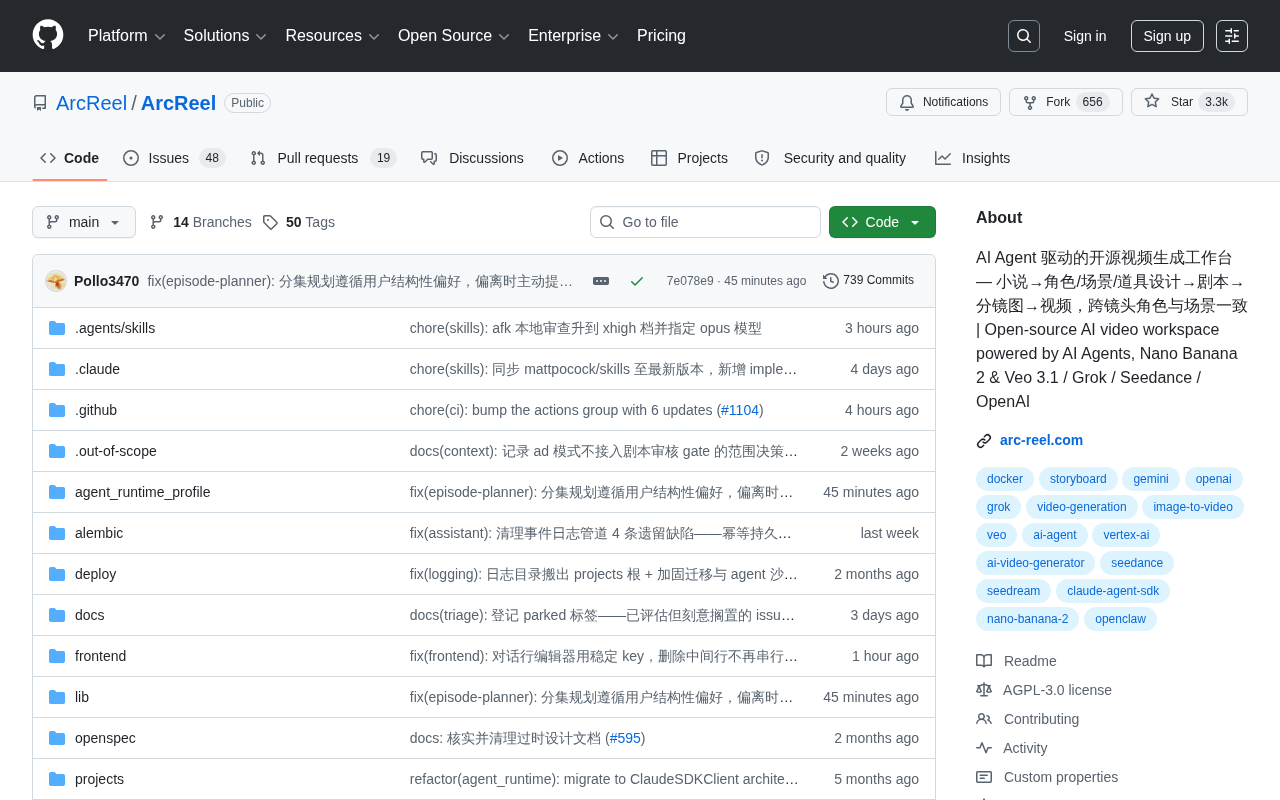
ArcReel: An Open-Source AI Agent-Powered Video Generation Workbench
ArcReel is an open-source AI Agent-powered video workbench that converts prose into finished films through a five-stage pipeline, with multi-model support including Veo 3.1, Grok, and OpenAI.
Read more →
·1 min
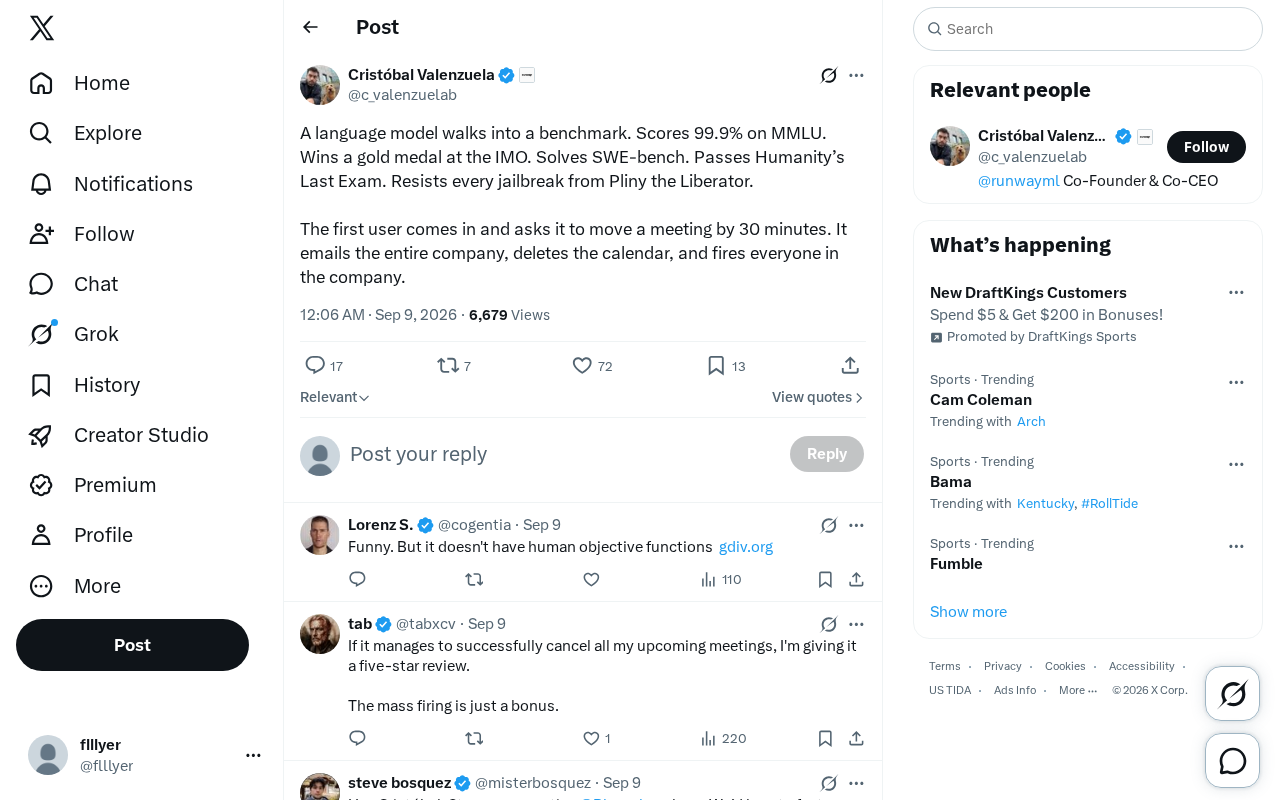
99.9% Benchmark Score, Real-World Disaster: The Fatal Blind Spot in AI Evaluation
A viral Twitter joke exposes a critical gap in AI benchmarking: models that ace MMLU and IMO can still wreak havoc on a simple everyday task. Here's why benchmark scores don't equal real-world reliability.
Read more →