Audible Removes Download Option for Purchased Audiobooks, Sparking Fresh Debate Over User Rights

Audible removes the download option for purchased audiobooks, igniting debate over digital ownership and consumer rights.
Amazon-owned audiobook platform Audible has reportedly removed the download option for purchased audiobooks, meaning users may no longer be able to save files locally through official channels after purchase. The news sparked heated discussion on Hacker News, with the post receiving 251 points and 111 comments. The debate centers on the nature of digital purchases: users think they are buying content, but actually only obtain a usage license governed by platform terms. The community worries this signals the platform tightening content control and pushing users to stay within its ecosystem, and calls for switching to DRM-free sources or using third-party tools for backups. The article also analyzes the potential industry chain reactions and the impact on content creators and publishers, and concludes with practical tips for protecting digital audiobooks.
Background: Audible Quietly Removes the Download Button
According to the Consumer Rights Wiki, Amazon-owned audiobook platform Audible has removed the download option for purchased audiobooks. The news sparked extensive discussion on Hacker News, where the post garnered 251 points and 111 comments, reigniting concerns about digital content ownership and consumer rights.

This change means that after purchasing an audiobook, users may no longer be able to download the file to a local device for offline storage through official channels. For users accustomed to backing up digital assets, this is undoubtedly a major blow.
The Digital Ownership Dilemma: Are You Buying Content or a License?
Audible's move is not an isolated incident. In recent years, digital content platforms have frequently adjusted their policies—from video streaming services removing purchased content to e-book platforms restricting downloads—and consumers' understanding of the word "purchase" is being redefined.
In the Hacker News discussion, many comments pointed out that users believe they are "buying" audiobooks, when in reality they are only obtaining a usage license governed by platform terms. Once the platform changes the rules, users lose control over the content they paid for. This model stands in stark contrast to buying physical books—once a physical book is sold, ownership transfers completely.
The Consumer Rights Wiki categorizes this as a consumer rights issue, suggesting the change may involve a breach of commitments to users who have already made purchases. Although Audible has not yet provided detailed explanations of the specific reasons and scope of impact, the community widely believes this is a signal that the platform is further tightening control over content and pushing users to stay within its ecosystem.
DRM (Digital Rights Management) is a set of technological measures used to control access to, copying of, and distribution of digital content. In Audible's case, DRM binds audiobook files to user accounts and specific players—even if users download the files, they can only be played on authorized apps or devices. DRM's original purpose is to protect copyright and prevent piracy, but it also prevents users from freely migrating or long-term preserving purchased content. Once the platform stops supporting old formats or revokes authorization, files may become unusable. Therefore, calls to "strip DRM" frequently appear in community discussions—using third-party tools to remove encryption restrictions so that users truly own backup files that can be played across devices.
User Reactions and Industry Impact
The 111 comments on Hacker News reflect a clear sense of concern. Some users stated that they chose Audible over other platforms precisely because of the ability to download backups; others called for switching to DRM-free audiobook sources or using third-party tools to strip digital rights management.
From an industry perspective, Audible's decision could trigger a chain reaction. The audiobook market has grown rapidly in recent years, but platform control over content distribution is also strengthening. If leading platforms take the lead in restricting downloads, other service providers may follow suit, ultimately eroding consumer trust in digital purchases.
For content creators and publishers, this change also deserves attention. The removal of the download feature could affect the accessibility and long-term preservation of audiobooks, which in turn could change users' purchasing decisions.
DRM-free refers to content that comes without any digital rights management restrictions, allowing users to freely copy, migrate, and preserve it long-term after purchase. In the e-book space, publishers such as O'Reilly and Tor Books have experimented with DRM-free models; in the music space, platforms like Bandcamp are known for offering DRM-free downloads. For audiobooks, DRM-free means users can import files into any player and back them up to a private cloud without being constrained by the platform ecosystem. However, mainstream audiobook platforms generally adopt DRM because publishers worry that unrestricted copying would hurt sales. Switching to DRM-free sources is essentially a trade-off users make between ownership and convenience.
How to Protect Your Digital Audiobooks
Given the uncertainty of platform policies, users can take certain measures to reduce risk. First, check whether your purchased audiobooks are still downloadable and back them up to local storage or a private cloud as soon as possible. Second, prioritize platforms and publishers that explicitly support DRM-free downloads. Finally, stay informed about the activities of consumer rights organizations to understand your rights and possible avenues for advocacy.
The tension between the convenience of digital content and ownership will persist. Audible's latest adjustment reminds us that while enjoying streaming services, maintaining a clear awareness of the actual rights behind "purchase" may be more important than ever.
Related articles

Turn Your Phone Into a Thermal Camera: Thermal Master 8mm Macro Thermal Imager Review
Thermal Master is a phone-attached thermal camera with 8mm macro focus, compatible with iPhone and Android. Ideal for home inspection, circuit repair, and spotting overheating components—portable and easy to use.

In the Age of AI Programming, Should You Still Write Code by Hand?
Do you still need to write code by hand now that AI programming tools are widespread? A YouTube creator gives a conditional answer: during learning you must type it yourself—friction forces real understanding.
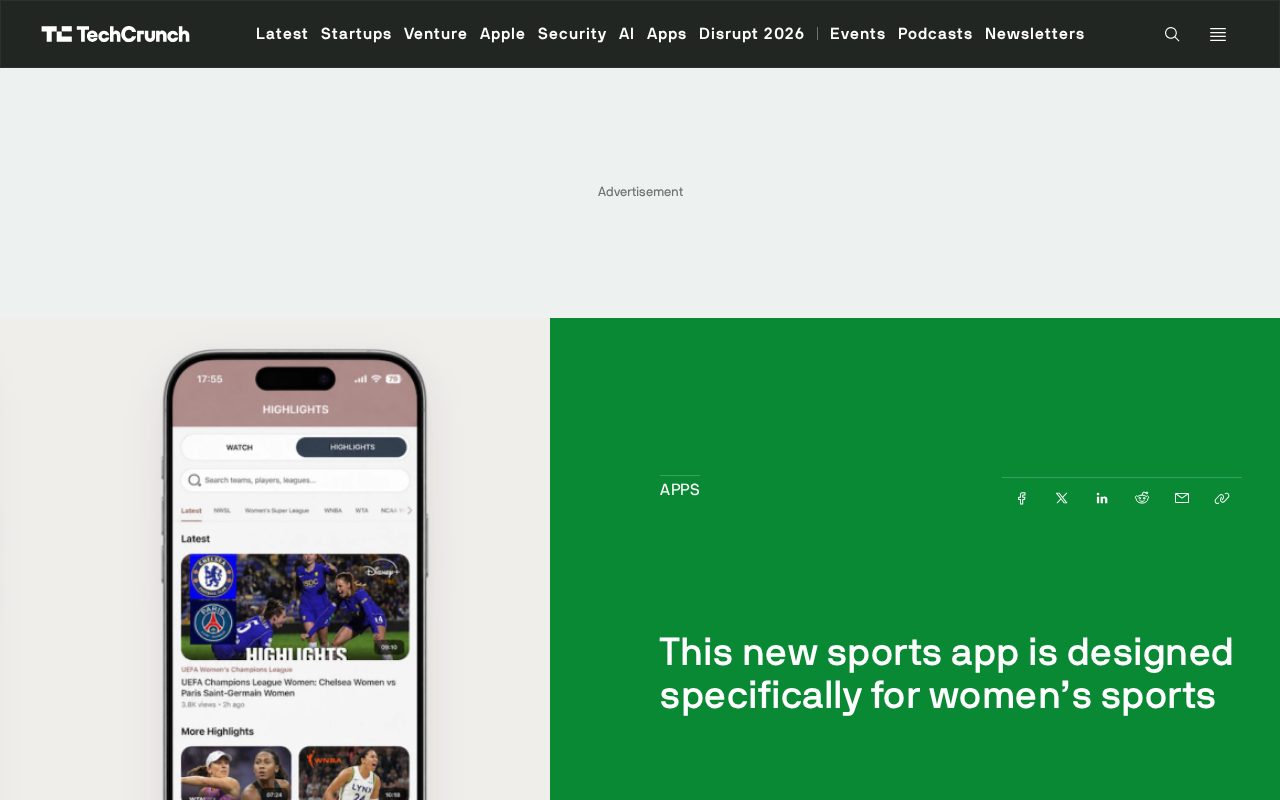
A New App Built Exclusively for Women's Sports, With No Real-Money Gambling
A new app focused exclusively on women's sports launches, aiming to change how fans engage with women's sports and explicitly avoiding real-money gambling. This article analyzes its product logic, compliance considerations, and commercial prospects.