AutoBot: Control Long-Running AI Tasks with Real-Time Voice
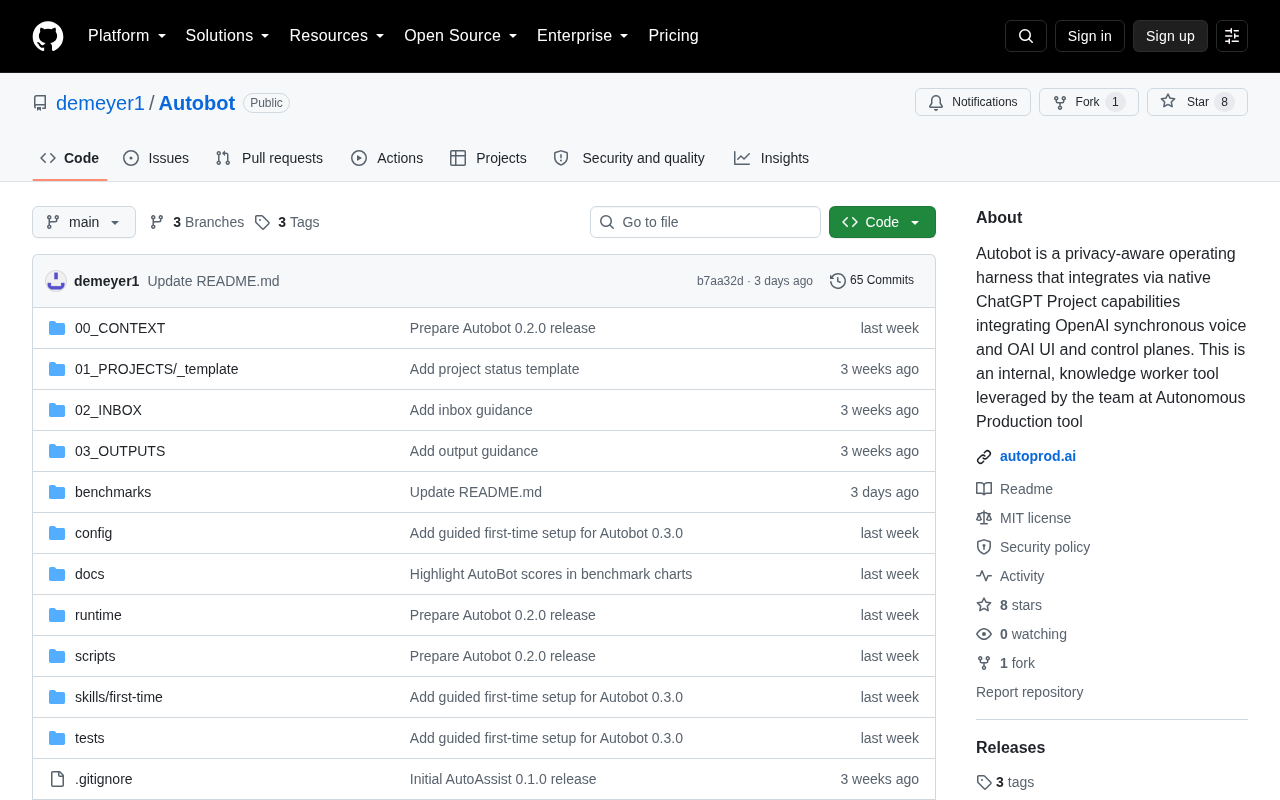
AutoBot brings real-time voice control to long-running AI Agent tasks, addressing the mid-execution controllability gap.
AutoBot is an early-stage project that appeared on Hacker News Show HN, positioning itself as a real-time voice control layer for long-running AI Agent workflows. As AI moves from single-turn Q&A to multi-step autonomous execution, the difficulty of intervening mid-task at low cost has become a real pain point. AutoBot aims to let users issue adjustment commands via voice at any time, without pausing the workflow or switching windows. While the concept aligns with the broader shift in AI interaction from the input stage to the execution stage, the project currently lacks public technical details, and its real-world latency and accuracy remain unverified.
What Problem AutoBot Is Trying to Solve
In the Show HN section of Hacker News, a project called AutoBot has drawn some quiet attention. Its positioning is clear: providing live voice control for long-running AI workflows.
Today's AI Agents and automation tasks often run for minutes or even hours — in scenarios like code generation, data processing, batch analysis, and long-chain reasoning, users typically have no choice but to wait passively, or constantly switch back to a terminal to check progress and intervene manually. AutoBot aims to use voice — a more natural interaction method — to let users step in, make adjustments, or call a halt at any point during task execution, without being glued to a screen.
Why "Real-Time Voice" Deserves Attention
The Interaction Pain Point of Long-Running Tasks
Traditional AI tool interaction follows a "call and response" pattern: submit a command, wait for the result. But as the trend toward Agentic AI deepens, tasks are becoming longer and increasingly autonomous. This creates a new problem — controllability during execution. If a task goes off track halfway through, users often have no choice but to wait for it to finish and start over, wasting both time and compute.
The value of voice control lies in lowering the cost of intervention. Compared to pausing, switching windows, and typing commands, saying "stop and try a different approach" is clearly more in line with how people operate when juggling multiple tasks in parallel. This aligns with the broader shift in interaction paradigms brought about by the maturation of voice assistants and real-time transcription technology.
This pain point has become especially pronounced since AI Agent frameworks like LangChain, AutoGen, and CrewAI became widespread. These frameworks allow models to autonomously plan, call tools, and iterate repeatedly — a single task may involve dozens of LLM calls and external API requests. Existing intervention mechanisms are typically limited to a "hard interrupt" (killing the process outright) or a "soft interrupt" (waiting for the next checkpoint), with no middle ground that preserves existing progress while still allowing a course correction. If voice control could be integrated with an Agent's internal state machine, it would theoretically allow new constraints to be injected at any node without having to rerun the entire task chain from scratch.
From Passive Waiting to Active Direction
AutoBot's core idea is to shift the user from the role of "overseer" to "commander." While AI executes a long workflow in the background, the user can issue new constraints, append requirements, or correct deviations via voice at any time. This "adjust-on-the-fly" model could, in theory, significantly improve the final output quality of long-running tasks and reduce wasteful full reruns.
The Current Information Gap
It's worth being candid: this Show HN post currently has very limited public information. At the time of writing, it had only 6 upvotes and 0 comments, and the official description was a single sentence with no disclosure of technical implementation, supported models, the speech recognition approach, or how it integrates with existing Agent frameworks (such as various CLI tools or orchestration platforms).
As a result, whether AutoBot is a standalone product, an open-source library, or a plugin for some existing platform cannot be determined from the available material. Key metrics like its real-world effectiveness, latency performance, and voice command recognition accuracy all remain to be disclosed by the developers or validated through community testing.
The Potential of This Category of Tools
Even with limited information, the direction AutoBot represents is worth discussing. As AI work shifts from "single calls" to "long-term autonomous execution," the center of gravity in human-AI interaction will gradually move from the input end (crafting the perfect prompt) to the process end (real-time collaboration during execution). Voice is just one type of natural interface; the future will likely also incorporate visual dashboards, push notifications, multimodal feedback, and more.
For developers, the key question is whether tools like this can genuinely achieve low latency and high recognition accuracy, as well as robustness in noisy environments — these engineering details often determine whether "voice control" is a welcome enhancement or a useless gimmick.
Low latency and high recognition accuracy depend on two key technical choices: Voice Activity Detection (VAD) and the choice of Speech-to-Text (STT) engine. VAD determines whether the system can accurately detect when a user starts and stops speaking in a noisy environment, directly affecting response speed. The STT engine determines recognition accuracy and adaptability to accents and technical terminology. Current mainstream options include OpenAI Whisper (local or API), Deepgram, AssemblyAI, and others, each with different trade-offs between latency, accuracy, and cost. For a tool like AutoBot that requires real-time responsiveness, end-to-end latency (from finishing a sentence to the command being executed) generally needs to be kept within 1–2 seconds to deliver a "natural conversation" feel rather than a "submitting a form" experience.
Summary
AutoBot has identified a genuine interaction gap in the age of AI Agents: real-time controllability during the execution of long-running tasks. Using voice as the intervention interface is a fresh idea that aligns well with the trend toward natural interaction. However, it is still in early demonstration stage, lacking sufficient technical detail and community feedback — its actual value will need time and more real-world testing to be verified. For readers tracking the cutting edge of AI interaction, this is a project worth adding to your watchlist.
Related articles
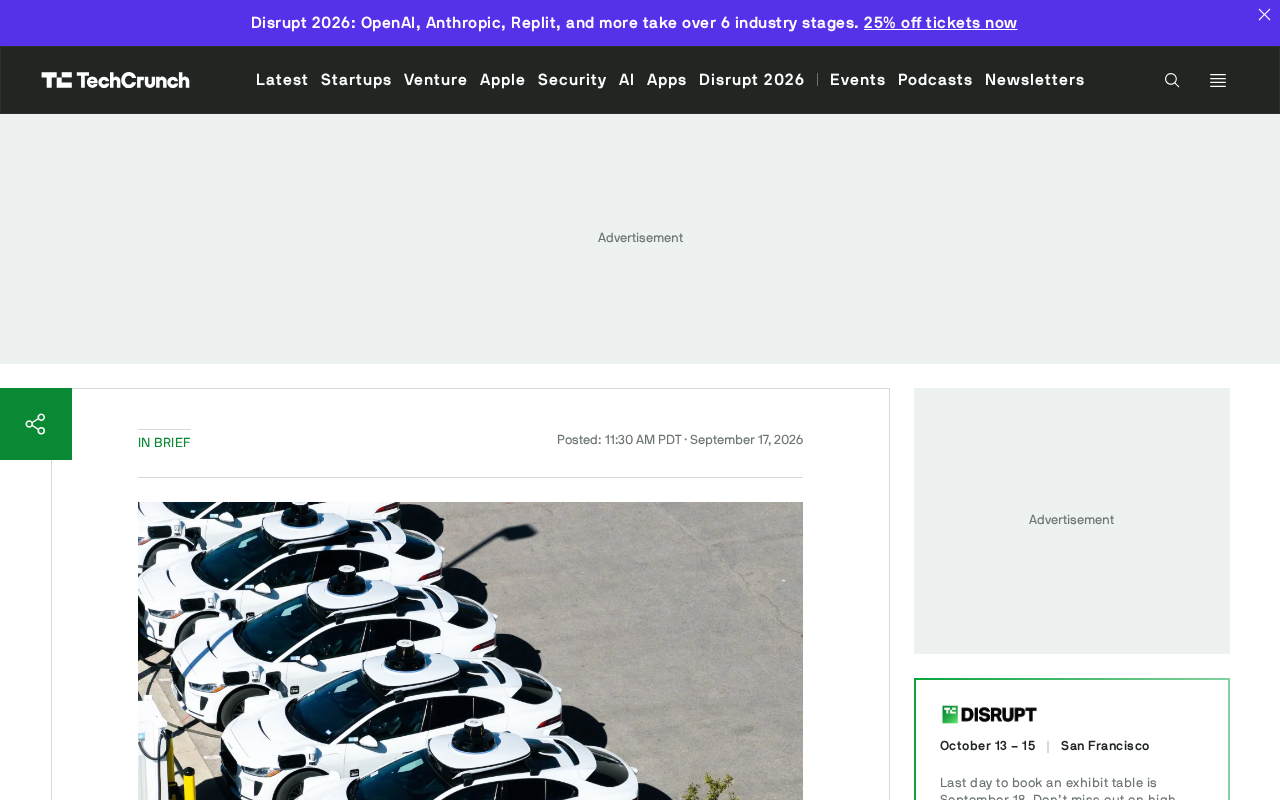
Waymo Restarts San Antonio Operations: Back on the Road Five Months After Flood Incident
Waymo resumes San Antonio Robotaxi service ~5 months after a vehicle was swept away in flooding. A look at what happened, why it took so long, and what it means for AV safety in extreme weather.
What Is AIOps? How AI Is Reshaping IT Operations
AIOps applies AI and machine learning to IT operations for anomaly detection, alert noise reduction, and root cause analysis — shifting teams from reactive to proactive.
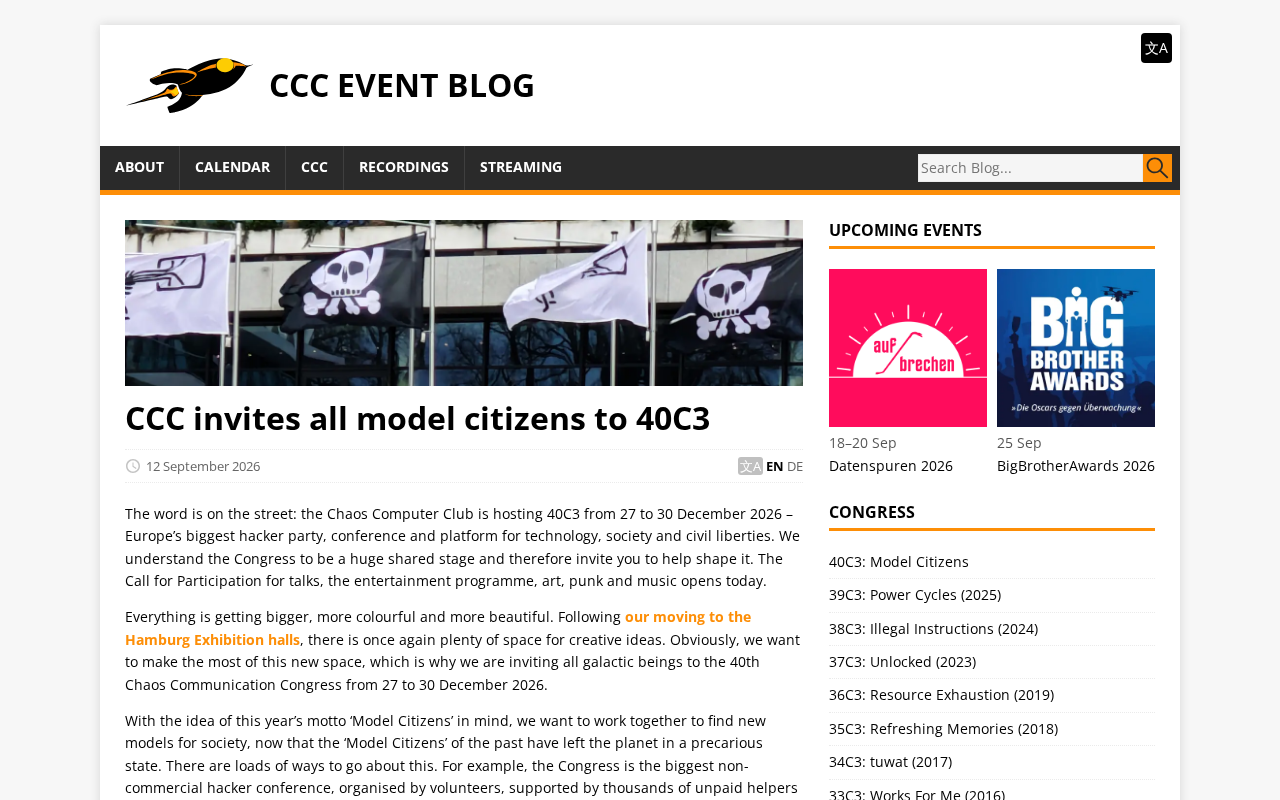
CCC Sends Its Invitation: 40C3 Hacker Congress Themed "Model Citizens"
CCC announces its 40th Chaos Communication Congress (40C3) under the theme "Model Citizens," inviting hackers worldwide to examine surveillance and algorithmic governance.