Automattic Confirms Mullenweg Returns as CEO After Failed Board Ouster
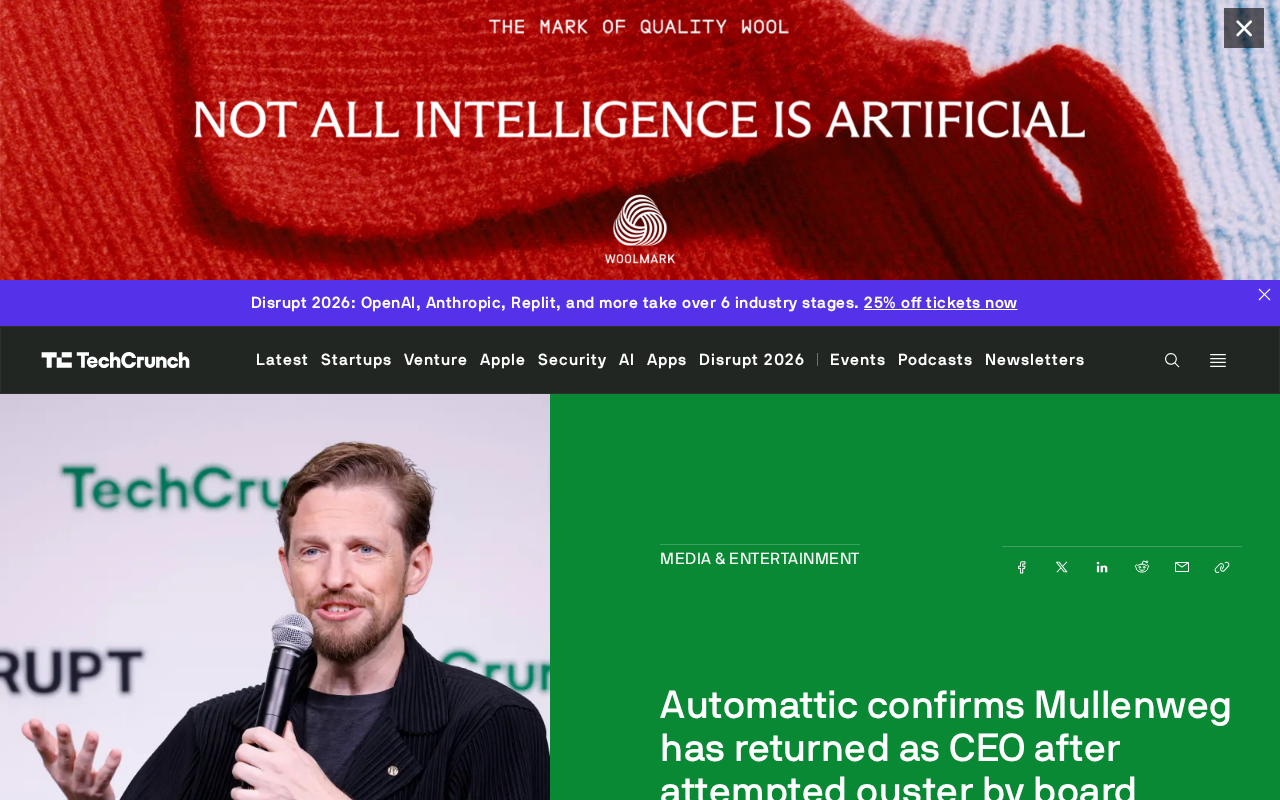
Automattic's founder Mullenweg returns as Chairman & CEO after a failed board ouster attempt.
Automattic has officially confirmed that founder Matt Mullenweg is returning as "Chairman and CEO" with full board support, ending a previously reported attempted ouster. As the central figure behind WordPress, WooCommerce, and Tumblr, Mullenweg's return is a classic founder-versus-board power struggle that ended in the founder's favor. The company's emphasis on "full support" is aimed at signaling governance stability. As a private company, Automattic has not publicly disclosed the specific causes, timeline, or future governance arrangements behind the dispute.
Overview
Automattic has officially confirmed that founder Matt Mullenweg has returned to the company as "Chairman and CEO" with the "full support of the board." The announcement brings closure to a governance dispute that had previously threatened his leadership position.
The core takeaway from the company's announcement can be summed up in a single sentence: following a board-level attempted ouster, Mullenweg has ultimately consolidated his leadership and regained the backing of both management and the board.
Who Is Matt Mullenweg
Matt Mullenweg is the co-founder of Automattic and the central figure behind WordPress, the open-source content management system. Automattic operates a portfolio of widely used products including WordPress.com, WooCommerce, and Tumblr, holding a significant position in global web publishing and e-commerce.
As a founder-CEO, Mullenweg's personal influence is deeply intertwined with the company's trajectory. This means that any turbulence surrounding his tenure could trigger a chain reaction affecting company strategy, product roadmaps, and the broader open-source ecosystem.
It's worth noting an important structural distinction within the WordPress ecosystem: WordPress.org is a nonprofit open-source project maintained by a volunteer community, while WordPress.com is a commercial platform operated by Automattic. Mullenweg also serves as president of the WordPress Foundation, placing him in a unique dual role that bridges commercial interests and open-source community governance. This makes any instability around him a concern not just for a private company's internal affairs, but potentially for the open-source ecosystem trusted by millions of developers and website operators worldwide. According to W3Techs, WordPress powers approximately 43% of all websites globally — a scale that gives Automattic and its founder's stability an industry significance that extends well beyond a single enterprise.
The Board Power Struggle
The critical phrase in this episode is "attempted ouster." It reveals that there was genuine power tension inside Automattic between the board and its founder — the board at one point moved to replace the CEO, but ultimately did not succeed.
The company's announcement emphasizes that Mullenweg is returning with "full support," a choice of words that carries a clear external communication intent: signaling governance stability to employees, partners, and the broader market while downplaying the prior conflict.
For founder-led tech companies, this kind of board-versus-founder struggle is not uncommon. Founders often maintain control at critical moments through shareholding structures, voting rights arrangements, or personal reputational weight, while boards represent broader shareholder interests and governance constraints. The outcome here suggests the scales tipped in the founder's favor.
Founder-versus-board power battles have notable precedents in the tech industry. The most iconic case is Apple's board forcing out co-founder Steve Jobs in 1985, followed by his return in 1997 and the company's historic revival. A more recent example is the OpenAI board's brief removal of CEO Sam Altman in 2023, reversed within days following intense backlash from employees and investors. The outcome of such conflicts typically hinges on several key variables: whether the founder holds sufficient voting control (such as through a dual-class share structure), where major investors stand, and how employees and external communities respond. As a private company, Automattic's equity structure and voting arrangements are not publicly disclosed, making it difficult to assess the specific leverage each party held in this dispute.
Potential Implications for the Company and Ecosystem
With leadership now settled, the short-term effect is the removal of uncertainty — both internally and externally. For developers, content creators, and enterprise users who rely on the WordPress ecosystem, continuity in leadership typically signals that product strategy won't undergo dramatic shifts.
That said, a public attempted ouster tends to leave lasting ripples. Why the rift between the board and the founder emerged, whether governance structures will be adjusted going forward, and whether the core team remains intact are all questions worth monitoring. The "full support" framing in the announcement is more of a stated outcome than an explanation of what caused the disagreement in the first place.
Summary
Automattic's announcement concisely and unambiguously confirms Mullenweg's return and his standing as the company's leader. This is both a textbook case of founder-versus-board governance tension and a further illustration of the distinctive power dynamics inherent in founder-led tech companies. Given the limited public information currently available, the specific causes, timeline, and future governance arrangements behind this episode still await further disclosure.
Related articles
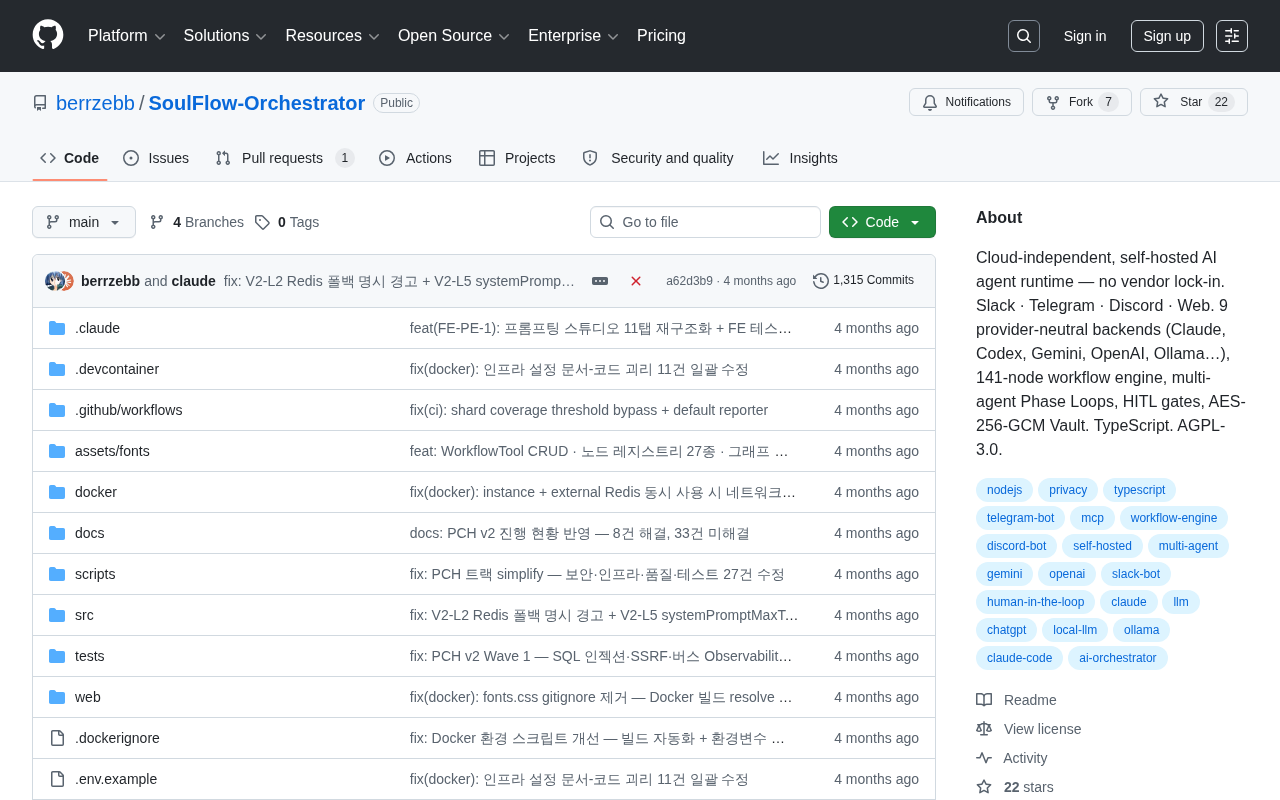
SoulFlow-Orchestrator: A Self-Hosted, Vendor-Lock-In-Free AI Agent Runtime
SoulFlow-Orchestrator is an open-source, self-hosted AI agent runtime with no vendor lock-in. Supports 9 neutral backends (Claude, OpenAI, Ollama), 141-node workflow engine, multi-agent loops, and HITL gates.
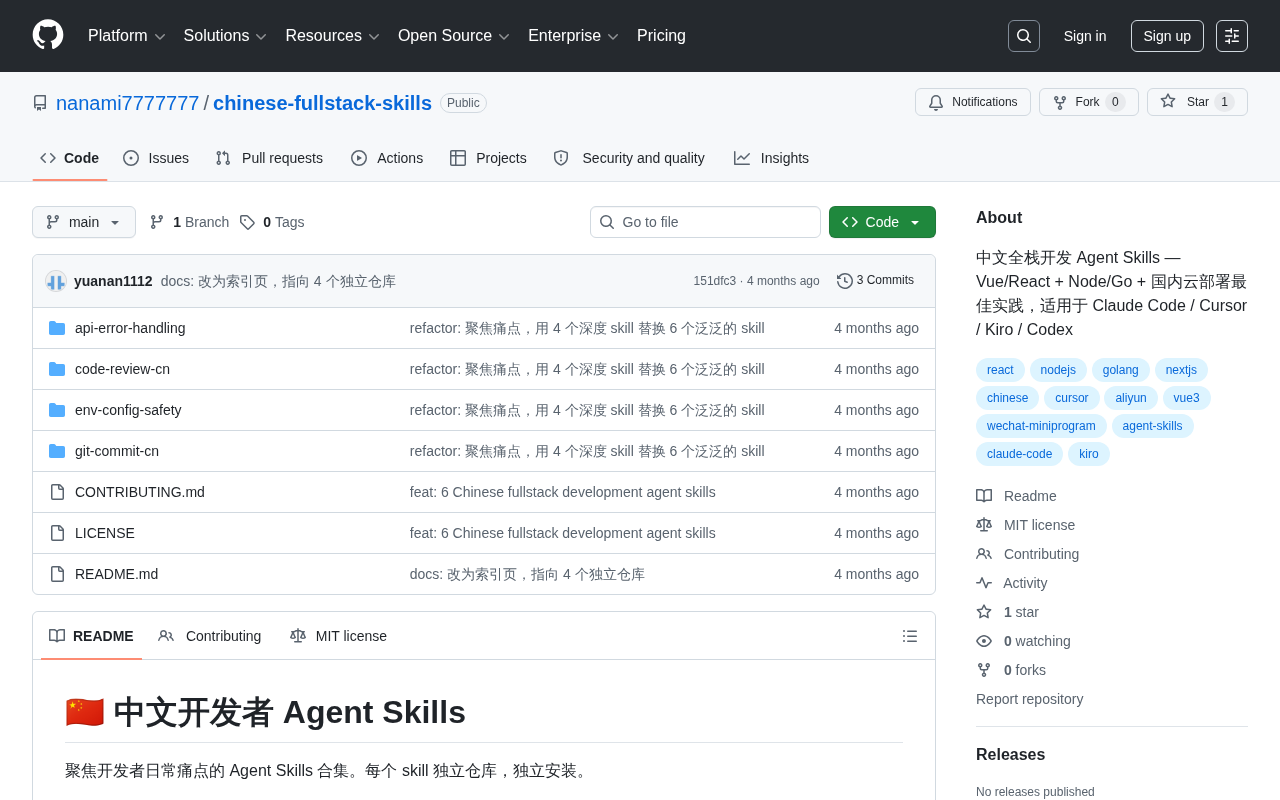
Chinese Full-Stack Agent Skills: A Skill Library Tailored for Domestic AI-Assisted Development
chinese-fullstack-skills is an Agent Skills library for Chinese full-stack development, covering Vue/React, Node/Go, and domestic cloud deployment best practices. Compatible with Claude Code, Cursor, Kiro, and Codex.
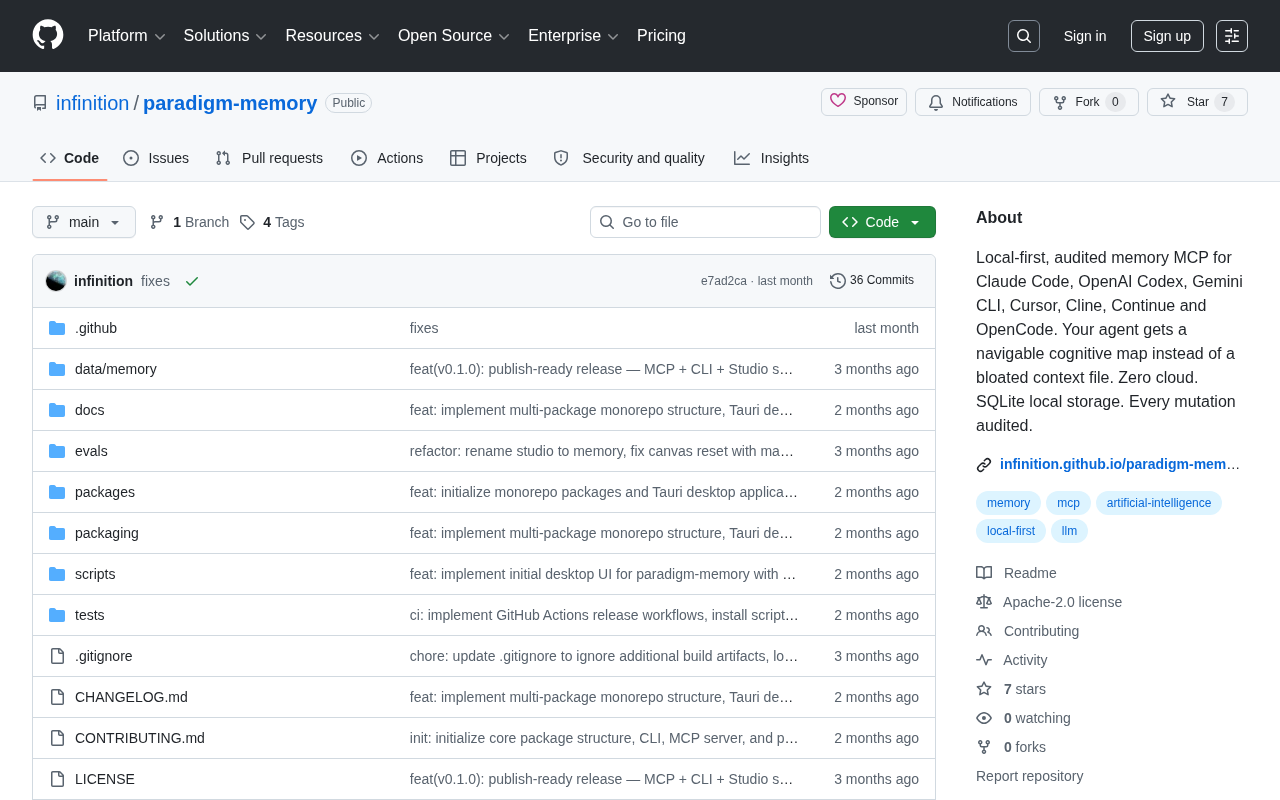
Paradigm Memory: A Local-First Memory System for AI Coding Assistants
paradigm-memory is a local MCP memory tool for Claude Code, Cursor, and Cline. It uses SQLite local storage, zero cloud, full audit trails, and a navigable cognitive map instead of bloated context files.